

Products are selected by our editors, we may earn commission from links on this page.

As the world braces for the possibility of another powerful El Niño, scientists are exploring an idea that once belonged largely to science fiction: deliberately cooling part of the Pacific Ocean to weaken the climate pattern before it reaches full strength. The concept could reduce some of El Niño’s worst global impacts, but researchers caution that intervening in one of Earth’s most influential climate systems could produce consequences that extend well beyond the intended target.
Why A Super El Niño Matters

El Niño is the warm phase of the El Niño-Southern Oscillation, a naturally recurring climate pattern driven by unusually warm sea surface temperatures across the central and eastern tropical Pacific. Strong El Niño events reshape weather worldwide, often increasing flood risks in some regions while worsening drought, heatwaves, and wildfire conditions elsewhere. Recent forecasts indicate elevated odds of a very strong, or “super,” El Niño, a category reached by only a handful of events in the modern observational record.
The Proposal Centers On Brightening Marine Clouds
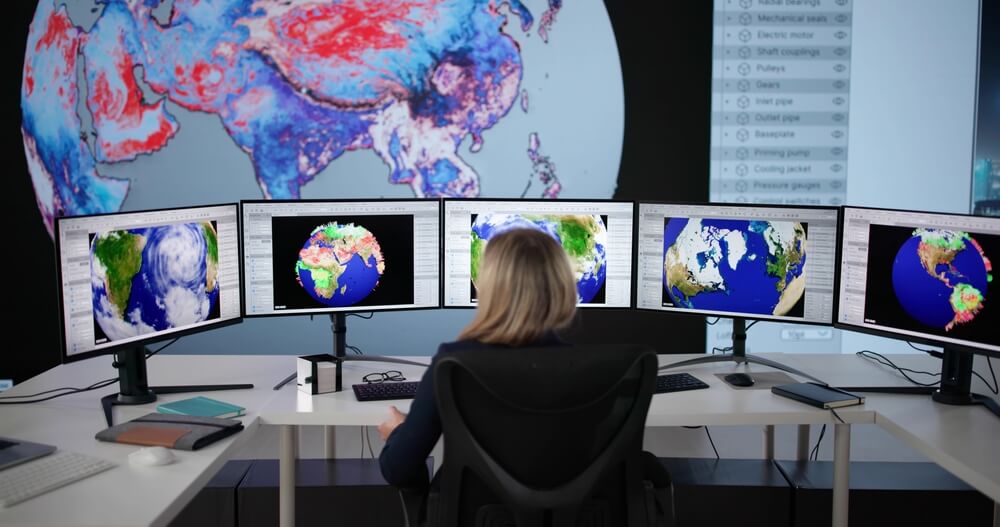
The new research, led by scientists at the University of California San Diego’s Scripps Institution of Oceanography and published in Science Advances, examines a form of solar geoengineering known as marine cloud brightening. Instead of attempting to cool the entire planet, the approach would increase the reflectivity of low-lying clouds over the southeastern Pacific by spraying microscopic sea salt particles into the atmosphere. Brighter clouds would reflect more incoming sunlight back into space, cooling the ocean surface beneath them and potentially interrupting the feedbacks that allow El Niño to intensify.
Computer Models Produced Encouraging Results
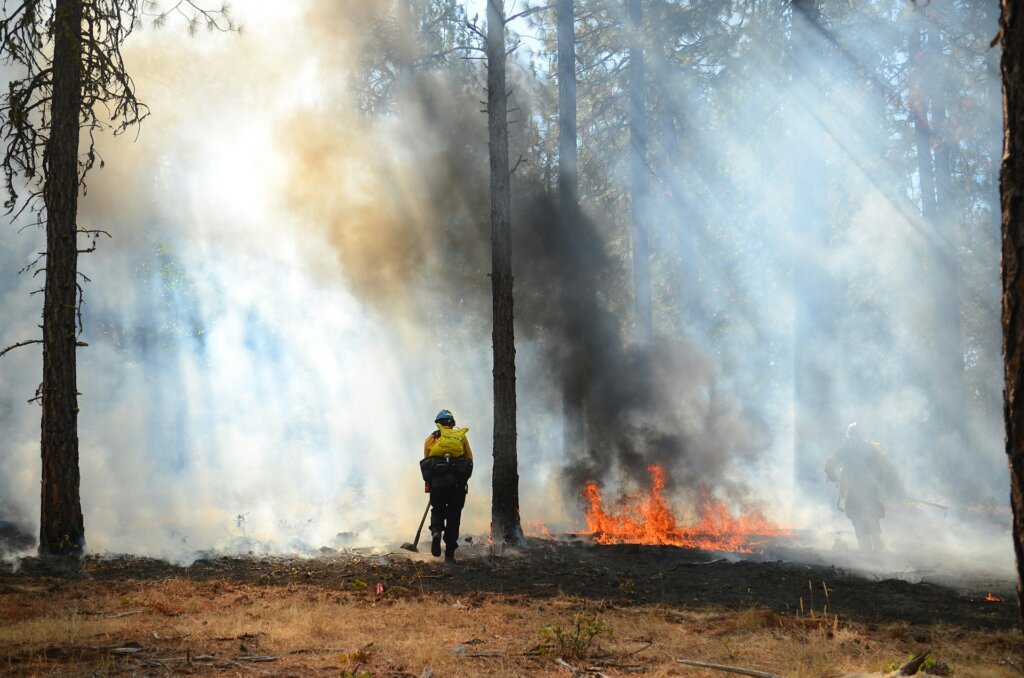
Researchers recreated the historic 1997-98 and 2015-16 El Niño events using advanced climate models before testing several cloud-brightening strategies. The simulations showed that earlier and longer deployments consistently weakened the modeled El Niño events, suggesting that carefully timed intervention might reduce the severity of associated global weather disruptions. The study also examined the 2019-20 Australian bushfires as a natural experiment because smoke from those fires appeared to brighten marine clouds and cool parts of the southeastern Pacific in ways that resembled the model’s results.
Scaling Up Would Be An Enormous Challenge
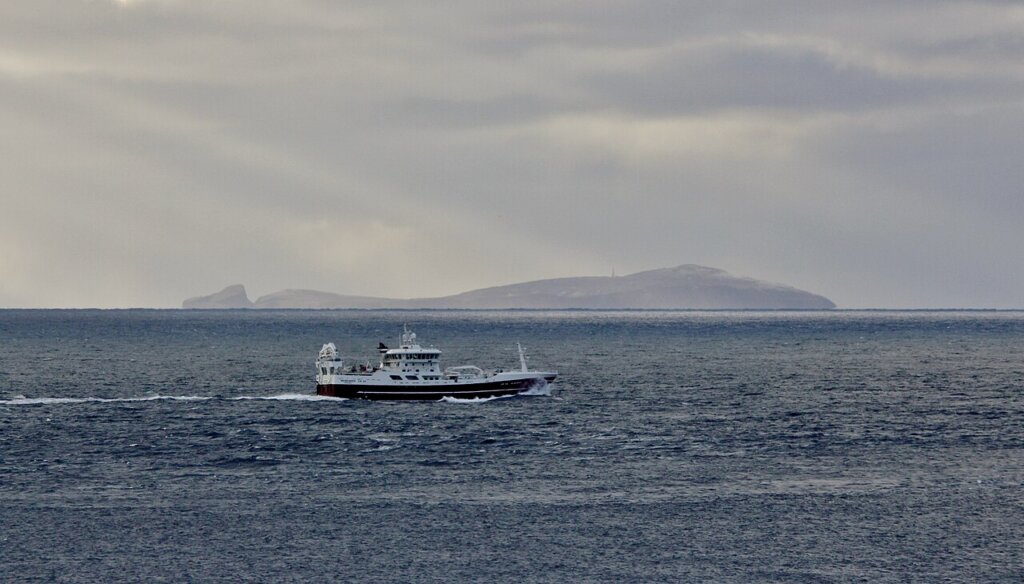
Even if the concept ultimately proves scientifically sound, implementing it would require an extraordinary logistical effort. According to the study, reproducing the strongest cloud-brightening scenario could require roughly 2,400 specially equipped spray ships operating across an ocean area covering about 7% of Earth’s surface. Researchers also note that any intervention would need to begin months before El Niño reaches its peak, meaning scientists would have to accurately predict the strength and timing of the event well in advance, something that remains a major forecasting challenge.
Scientists Warn The Climate System Is Highly Complex
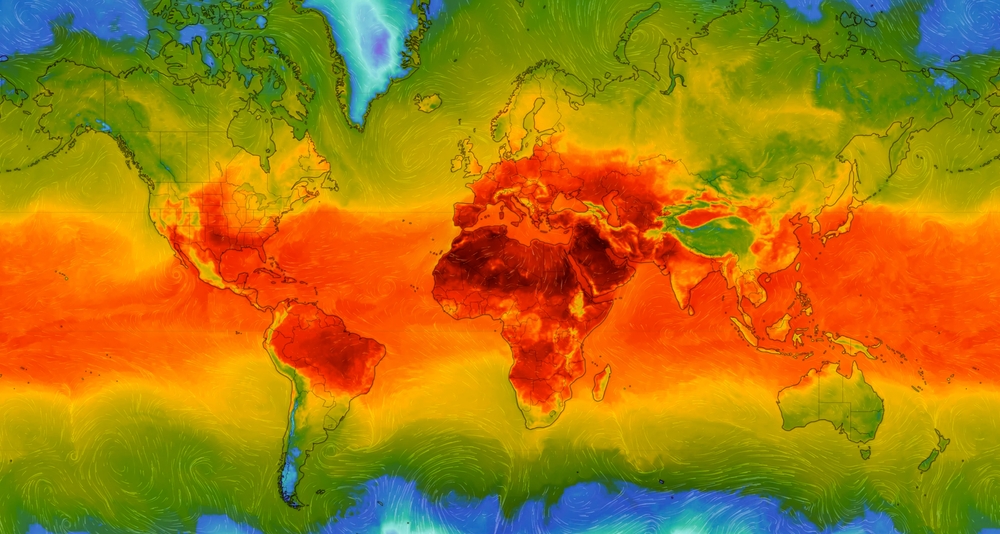
Researchers emphasize that weakening El Niño is only one part of the equation. Climate systems are interconnected, meaning altering conditions in one region can influence weather thousands of miles away. Some simulations showed unexpected warming over parts of Europe and Asia, regions that are not normally among the primary areas affected by El Niño. Those findings reinforce longstanding concerns that geoengineering could produce unintended regional consequences even if it succeeds in achieving its original goal.
A Stronger La Niña Could Follow

Another concern involves what happens after suppressing El Niño. Several simulations suggested that weakening the warm phase could lead to an earlier or more intense La Niña, El Niño’s cooler counterpart. While La Niña can moderate global temperatures, it also shifts rainfall patterns, increasing drought in some places while raising flood risks in others. Atmospheric scientist James Haywood of the University of Exeter has also warned that scientists still face major uncertainties about how marine cloud brightening would behave in the real world and whether overcorrecting could trigger an unusually strong La Niña response.
The Debate Extends Beyond The Science

Marine cloud brightening sits within the broader debate over solar geoengineering, a field that remains highly controversial. Supporters argue that research should continue because climate change is increasing the risks from extreme weather and temporary interventions could someday reduce harm during exceptional events. Critics counter that manipulating the climate could create new environmental or geopolitical challenges and worry that technological fixes might distract from reducing greenhouse gas emissions, which remain the primary driver of long-term global warming.
Researchers Stress This Is Not Ready For Deployment

Despite headlines about cooling the planet, the scientists behind the work are careful about what their findings actually show. Their research is based entirely on computer simulations designed to test whether the concept is physically plausible, not evidence that scientists can currently control El Niño. Independent experts likewise say many practical questions remain unanswered, including how much cloud brightening would be needed, how consistently it would work, and how any side effects could be monitored or reversed.
The Next Decisions Will Shape Future Climate Research

As climate change raises the stakes of extreme weather, proposals once considered purely theoretical are receiving closer scientific scrutiny. Whether marine cloud brightening eventually becomes a practical emergency tool or remains an academic exercise will depend on years of additional research, improved climate modeling, and broader international discussions about governance and acceptable risk. For now, the study offers less of a blueprint for changing the climate than a reminder of how carefully scientists must weigh the promise of intervention against the possibility of unintended consequences.