

Products are selected by our editors, we may earn commission from links on this page.

Caitlin Wehniainen, who runs a recruiting firm, posted a TikTok saying that walking into a job interview holding an iced coffee “looks a little too casual” to hiring managers. Her advice was narrow: drink it before, drink it after, leave it in the car. The response was not narrow at all. Within days the clip had pulled in older managers describing rattling ice and spill risk, younger job seekers defending anyone trying to stay calm in a brutal hiring market, and two professional career counselors fielding questions from Forbes about a single beverage. Both counselors landed on the same practical answer, and both said the answer was not really the point.
This article was created with the assistance of AI and reviewed by our editorial team for accuracy and clarity.
Both counselors said no, then defended the people doing it

The expected split never materialized. Beth Hendler-Grunt, founder and president of Next Great Step, a coaching firm for college students and recent graduates, gave Forbes a flat answer: “No, you should not bring it with you.” J.T. O’Donnell, founder and chief executive of Work It Daily, framed it as a risk calculation rather than a rule, asking job seekers to think about whether the coffee helps or hurts, and whether they are clumsy enough to wear it. Then both pivoted. Hendler-Grunt said young adults deserve a pass because they honestly do not know. O’Donnell said a candidate with a real reason, such as managing anxiety, has a case worth hearing.
The symptom-of-a-bigger-issue reading from Next Great Step

Hendler-Grunt told Forbes the coffee is a “symptom of a bigger issue that’s been happening.” Her diagnosis is a mismatch: what young job seekers believe they are prepared for sits some distance from what employers expect of them. She pointed to the COVID-19 pandemic as a cause rather than a blanket judgment about the generation. Years of schooling and early work moved onto screens, and a share of candidates now interviewing in person have never done it before, in any room, with any employer. Some have never spent a day inside a corporate office. Under that reading, the cup is not defiance. It is a person who was never told.
One parody skit outran the advice it was mocking

A TikTok creator posting as @ariisaysso built a sketch out of the premise and cleared a million views, which is a wider audience than most career advice ever reaches. The setup: a candidate arrives with the drink. Her resume is stained because, she explains, she used it as a “coaster for my drink.” Her answers are inaudible under the rattle of ice. The interviewer starts out impressed that she went to Harvard University and ends by asking her to leave, calling the beverage “distracting.” The joke works in both directions at once, which is why it traveled. It satirizes the candidate and the person who would end an interview over a cup.
Rattling ice and a stained resume are the actual objections

Strip away the generational framing and the complaints are physical. Ice shifts and clatters whenever the cup moves, which in a quiet room competes with the person speaking. Condensation collects on the outside of a plastic cup and transfers to whatever the cup touches, including paper. A drink held in one hand occupies the hand used for a handshake and for passing documents across a desk. Hendler-Grunt’s and O’Donnell’s practical advice both route around these mechanics rather than around the coffee itself. O’Donnell’s version is a question rather than a verdict: are you clumsy, and are you going to spill that all over yourself.
O’Donnell’s answer puts the decision back on the candidate

Her advice to Forbes was unusual for the genre because it declined to issue a rule. She would not bring anything into an interview that could distract her, she said, but if the coffee is genuinely helping, then a candidate has to do what they want to do. The caveat is where the useful part sits. Thanks to this debate, she said, there are going to be some people who are not a fan. That is a different claim from saying the coffee is wrong. It says the cup now carries a meaning it did not carry a week earlier, and the candidate is the one who absorbs that.
Why the fight got heated had little to do with coffee
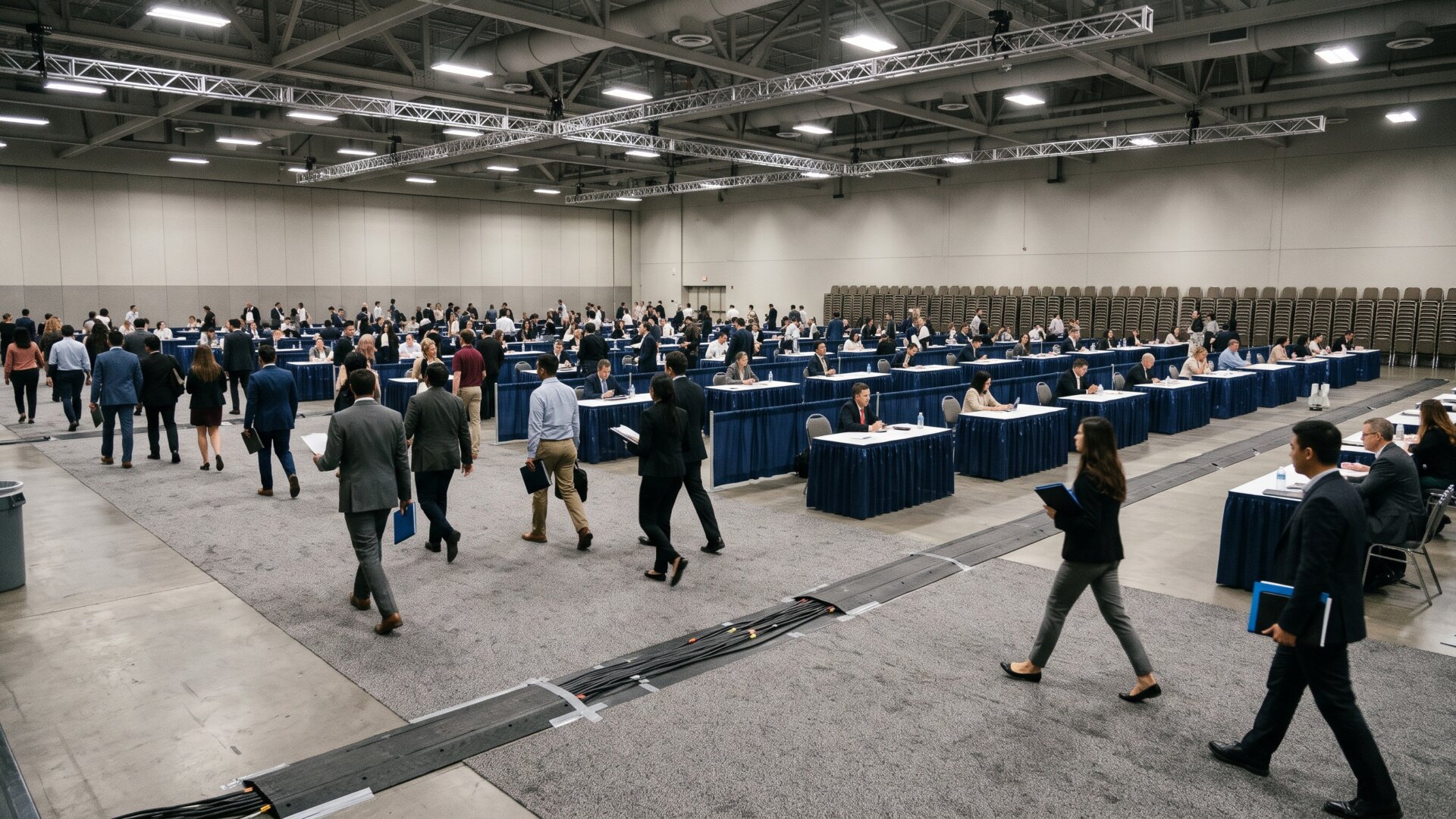
O’Donnell’s read on the volume was blunt: “It’s triggering in a very competitive job market.” Job seekers across every age group are struggling to find work, and a low-stakes etiquette question gave that frustration somewhere to land. She described older participants looking for confirmation bias, wanting evidence that the younger generation has no etiquette and that employers should be hiring them instead. Younger participants, meanwhile, were pushing back against what she called an old school mindset. Neither group was arguing about beverages. The cup was small enough and visible enough to carry an argument that is otherwise difficult to have out loud.
Gen X already won this argument wearing khakis
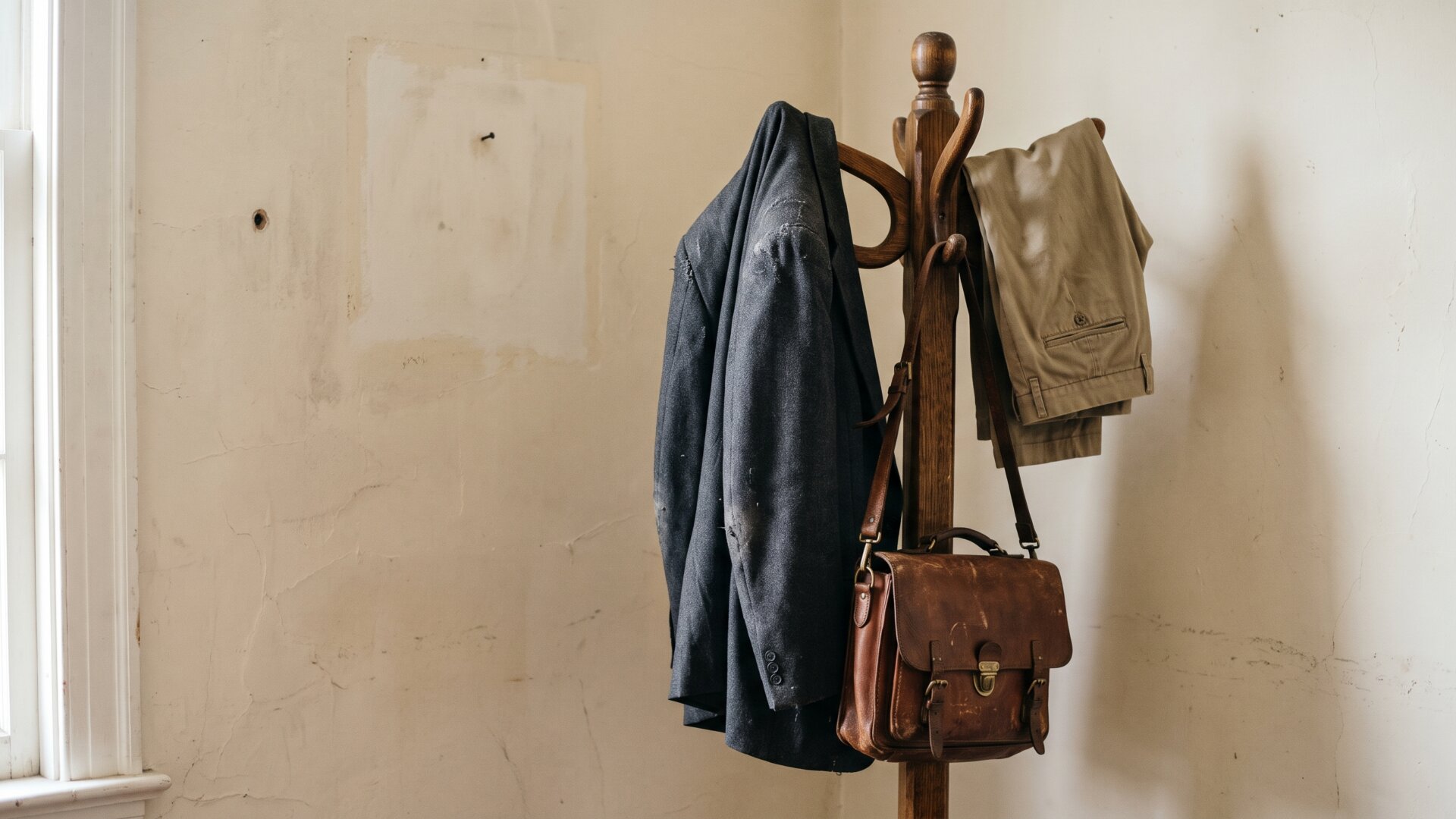
O’Donnell, who identifies as Gen X, offered her own generation as precedent. Through the 1980s and 1990s, as Gen X filled offices, the suit gave way to business casual and the casual Friday spread from an occasional allowance to an expectation. That shift drew the same reaction the coffee is drawing. “We were the ones that they were horrified with because we didn’t want to wear suits to work,” she said. “We’re the ones that were like, we’re going to make it business casual.” Her conclusion is that every generation arrives with new rules because the old ones stop applying, and that the iced coffee is Gen Z asserting itself.
The disagreement sits between two rooms, not two ages

The counselors are describing a gap in information, not a conflict in values. A hiring manager who interviewed in a suit in 2003 is reading the cup against every interview they have ever conducted. A candidate who did their last three rounds over video, in a bedroom, with a drink beside the laptop, is reading it against every interview they have ever had. Both are applying a consistent standard to an unfamiliar room. That framing also explains why no one in the Forbes reporting called the other side unreasonable. Hendler-Grunt asked for a pass on behalf of candidates. O’Donnell criticized the old school view. Neither argued the other was lying about what they saw.
A rule written this week is still a rule next week

The strongest practical point in the reporting is O’Donnell’s smallest one. The debate itself changed the situation. A cup that read as neutral to most interviewers before the TikTok now reads as a position to some of them, because a large number of hiring managers spent a week watching people argue about it. Nothing about the coffee changed. The audience did. That is how a convention forms: not by a ruling, but by enough people watching the same argument that the object starts carrying a meaning. Gen X made business casual the same way, one khaki Friday at a time, against the same objections.