

Products are selected by our editors, we may earn commission from links on this page.
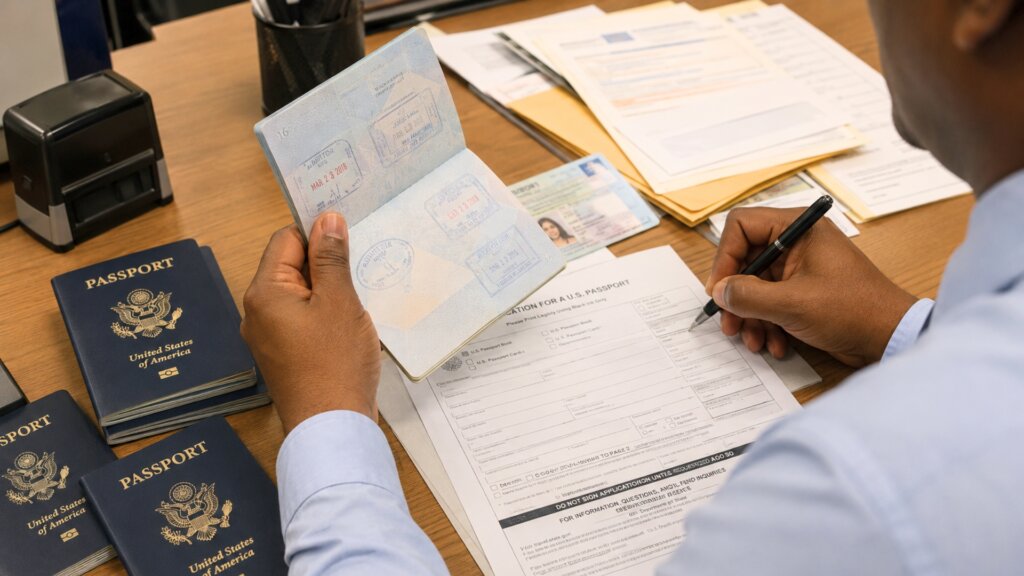
Book a flight, and your passport works fine, until the moment you try to use it. For thousands of parents across the country, that moment is arriving without warning. No renewal application. No trip to a passport office. The federal government now has the power to invalidate a person’s travel documents based entirely on a number sitting unpaid in a state child support file, and it has already started pulling passports from people who had no idea it was coming.
The system behind this isn’t new. Congress created the Child Support Program in 1975 to push noncustodial parents to help fund their children’s upbringing, and enforcement tools have expanded ever since, from wage garnishment to seized tax refunds. In 2023, the most recent year with full data, parents transferred $25.7 billion in support payments nationwide, according to a March 2025 Congressional Research Service report. Only 65% of what was actually owed got collected.
One enforcement tool sat mostly dormant for nearly three decades: a 1996 law allowing the government to revoke passports from parents behind on payments. For years, it only kicked in when someone applied to renew their documents. That changed in the first week of May 2026, when officials decided enforcement would no longer wait for anyone to apply for anything.
This article was created with the assistance of AI and reviewed by our editorial team for accuracy and clarity.
State Department Confirms $100,000 Threshold, 2,700 Parents Affected Starting May 8
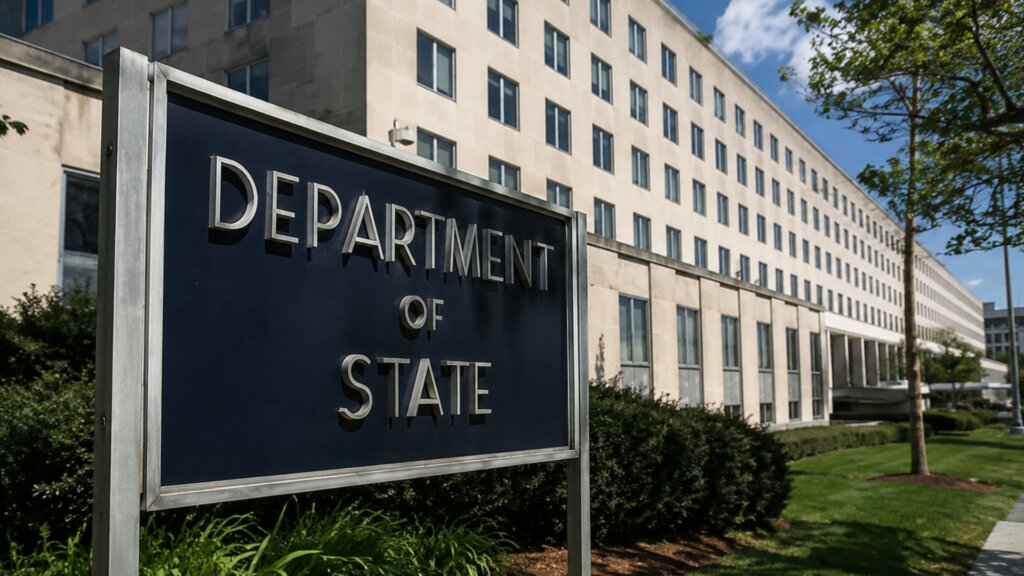
On Thursday, May 7, 2026, the State Department told the Associated Press it would begin revoking passports the very next day for parents who owe at least $100,000 in unpaid child support. The initial rollout hit roughly 2,700 passport holders nationwide. Officials were direct that this wasn’t the full scope of the plan, just the opening tier of a much larger enforcement effort still being built out.
Assistant Secretary of State for Consular Affairs Mora Namdar framed the shift as an extension of existing policy, telling the Associated Press the government was expanding a practice already proven to push people toward paying what they owe. She added that once parents settle their debts, they regain the privilege of holding a U.S. passport. The message was clear: pay up, and the document comes back.
What made this rollout different wasn’t just the dollar threshold. It was who was doing the reporting. The Department of Health and Human Services began proactively sending data on parents with overdue balances straight to the State Department, rather than waiting for a renewal application to trigger a review. That shift in process is what set up the next, much larger phase.
Threshold Set to Drop to $2,500, Officials Warn of “Many More Thousands” Affected
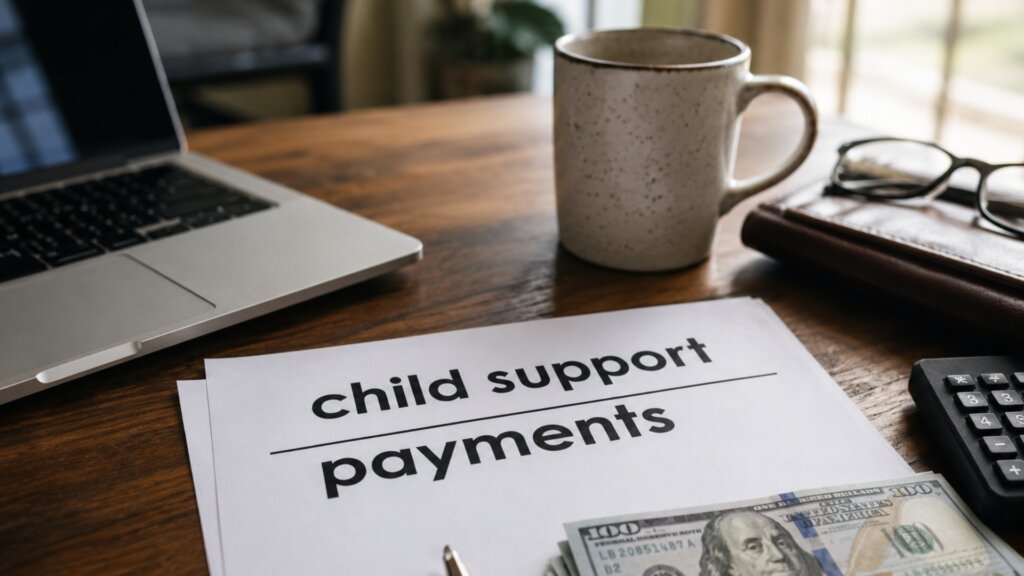
The $100,000 tier was only the starting point. Under the same 1996 law, any parent owing $2,500 or more in child support becomes eligible for passport revocation, a threshold that had gone largely unused for enforcement purposes until now. There’s no precise count yet of how many people fall into that group, since HHS is still compiling the data, but the number dwarfs the initial 2,700.
Officials told the State Department that many more thousands of parents would likely be swept into the crackdown once the lower threshold takes full effect. Some parents are already reacting before it hits them directly. The Associated Press reported that hundreds of people took action and resolved their overdue balances with state authorities once news of the policy broke.
The consequences extend beyond simply losing travel privileges. Anyone whose passport is revoked will be notified and barred from using the document for travel, full stop. And for parents who happen to be abroad when the revocation takes effect, there’s no workaround: they’ll need to obtain an emergency travel document from a U.S. consulate just to get back into the country.
Paying Off the Balance Is the Only Way Back, and It Doesn’t Happen Overnight

For parents owed support, this program is designed to work in their favor. Every state runs its own child support enforcement department, and those agencies collect and distribute past-due payments once they come in. Anyone waiting on support they’re owed can contact their state’s Child Support Program directly to check on the status of their case and find out what options exist for recovering what’s owed.
For parents who owe and can’t cover the full balance at once, a payment agreement may be possible, according to legal analysts tracking the rollout. But an agreement doesn’t erase the underlying support order, and it doesn’t return a passport automatically. The document stays revoked until the balance is paid off and a new passport application is submitted and processed.
There’s no shortcut built into this system, and that’s precisely the point. The government isn’t offering warnings before the fact anymore, and it isn’t waiting for parents to come asking for a renewal. It’s checking the ledger first and letting the travel document follow. For every parent with an overdue balance, the passport in their drawer is no longer proof of anything until the debt behind it is settled.