


Products are selected by our editors, we may earn commission from links on this page.

Shein transformed fast fashion by releasing huge numbers of inexpensive styles online and shipping them directly to shoppers around the world. Now the company is facing a very different test as it prepares to begin trading in Hong Kong on September 1, after previous efforts to list in New York and London failed. The IPO values Shein at up to roughly $27 billion, dramatically below the approximately $100 billion valuation it reportedly reached in 2022, putting new attention on whether its ultra-low-cost model can keep delivering growth.
Shein Is Finally Making Its Stock Market Debut

After years of trying to become a publicly traded company, Shein turned to Hong Kong for its long-awaited IPO. The retailer offered 280 million shares priced between HK$47.60 and HK$49.50 each, potentially raising approximately $1.8 billion. Reaching the public market is a major milestone, but investors will now be able to scrutinize Shein’s financial performance much more closely than when it operated as a privately held company.
Its Valuation Has Fallen Dramatically From Its Peak
The difference between Shein’s former valuation and its IPO valuation illustrates how much expectations have changed. The company was reportedly valued at around $100 billion during a private funding round in 2022, putting it among the world’s most valuable startups, but the top of its Hong Kong IPO range values it at close to $27 billion. That represents a decline of roughly 70% from its private-market peak and signals that investors are placing a much more cautious price on Shein’s future growth.
The U.S. Closed a Loophole That Helped Keep Prices Low
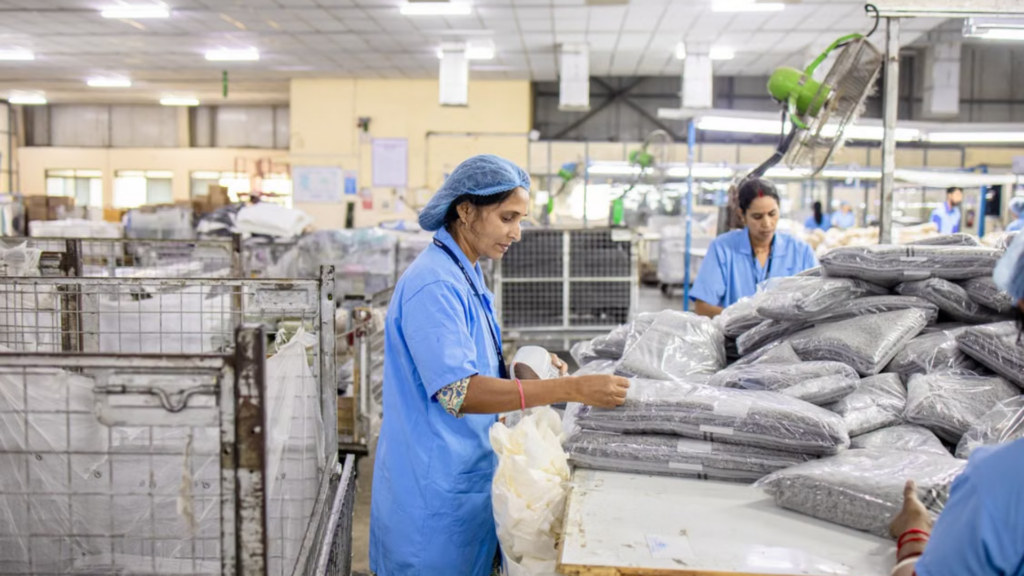
One of Shein’s biggest challenges is the end of the de minimis exemption that previously allowed many packages valued below $800 to enter the United States without import duties. That system fit Shein’s direct-to-consumer model particularly well because individual low-cost orders could be shipped straight to American shoppers. The exemption ended for qualifying shipments from China and Hong Kong in May 2025, significantly changing the economics behind the inexpensive international deliveries that helped fuel Shein’s rise.
Shein Says Higher Costs Are Already Affecting Its Business

The tariff changes are no longer just a theoretical risk for the company. Shein has said the loss of the U.S. de minimis exemption has hurt sales and increased expenses, while products of Chinese origin sold through its platform can now face significant taxes and duties. The company has acknowledged that one response could involve increasing U.S. prices to offset at least part of those additional costs, potentially testing shoppers who were originally attracted by exceptionally cheap clothing.
U.S. Sales Have Already Taken a Hit

The United States has been one of Shein’s most important markets, making its recent slowdown especially significant. Shein reported that U.S. revenue fell 14.3% in the first quarter of 2026 to approximately $2.04 billion, compared with $2.38 billion during the same period a year earlier. The U.S. represented 22.5% of quarterly revenue, down from 29.4% of annual revenue in 2023, showing how the company’s geographic sales mix is already changing.
Shein Swung to a Quarterly Loss Ahead of the IPO
Investors are also getting a clearer look at Shein’s profitability as it enters the public market. The company recorded a $99 million loss during the first quarter of 2026 after reporting net income of $395 million during the same period a year earlier, although a $328 million accounting charge related to convertible preferred shares contributed significantly to the loss. Combined with slowing sales and rising trade costs, the numbers help explain why investors are approaching the IPO more cautiously than Shein’s former valuation might suggest.
Europe Is Creating New Challenges Too
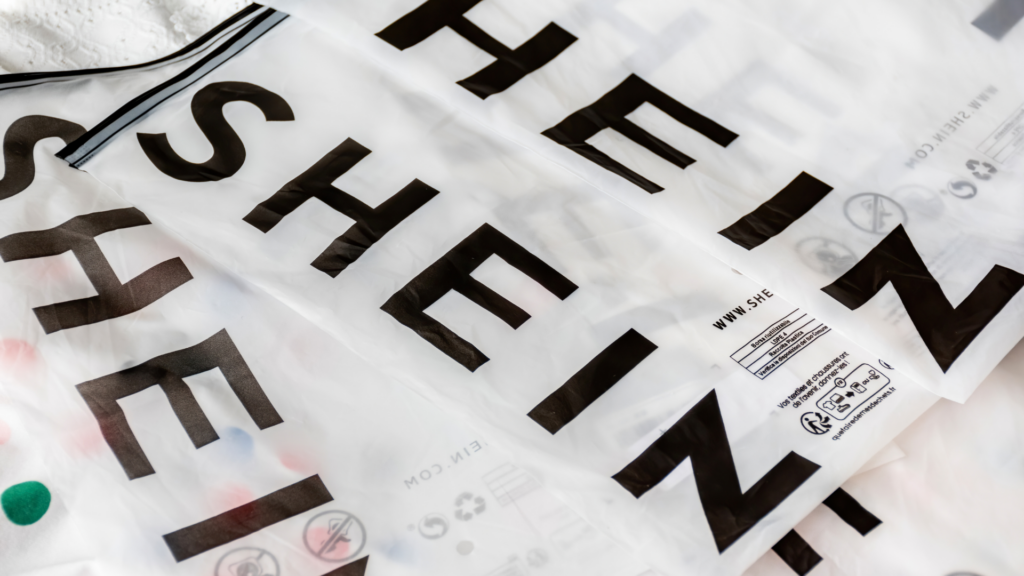
The pressure is not limited to the United States. Europe accounted for roughly one-third of Shein’s revenue in 2025, making regulatory changes there particularly important to the company’s future. The European Union has also moved to impose additional costs on low-value e-commerce imports, creating another challenge for a business model built around shipping huge volumes of inexpensive individual purchases across borders.
The Low-Price Model Is Facing a Real-World Stress Test
Shein became a global force by combining rapid product development, an enormous online selection, data-driven demand forecasting, and extremely low prices. But higher import costs create an uncomfortable trade-off: absorbing them can squeeze margins, while passing them on to shoppers risks weakening one of Shein’s biggest competitive advantages. With rivals competing for the same price-conscious consumers, even relatively small increases could test how loyal shoppers really are to the platform.
Shein Now Has to Prove Its Model Can Work in a More Expensive World
Shein’s Hong Kong listing marks a turning point for a company that helped redefine what shoppers expect fast fashion to cost. Its approximately $27 billion IPO valuation remains substantial, but it is a fraction of the figure attached to the company during the height of its private-market success, while tariffs, slower U.S. sales, regulatory pressure, and rising costs are changing the environment that helped it grow. The company’s biggest fashion test may therefore have little to do with predicting the next trend and everything to do with proving that its famously cheap model can survive when selling cheap clothes becomes more expensive.