

Products are selected by our editors, we may earn commission from links on this page.
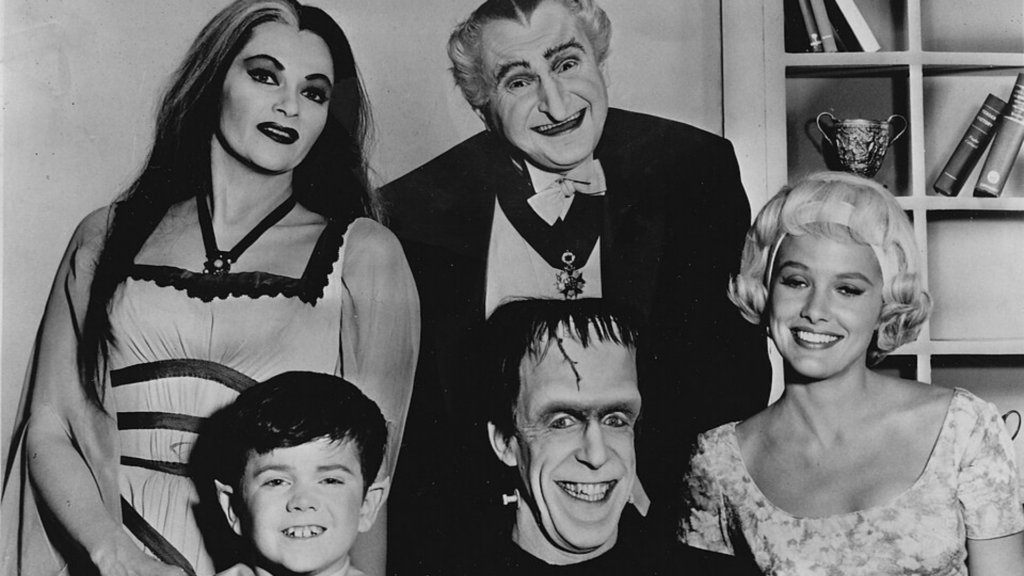
A show built around Frankenstein’s monster living a normal suburban life sounds like a hard sell. It worked brilliantly for two seasons. “The Munsters” premiered in September 1964, spoofing wholesome family sitcoms like “Leave It to Beaver” with a macabre twist that audiences genuinely loved. Then, after just 72 episodes, it vanished from television in May 1966. The reason behind that sudden cancellation involves stolen ideas, exhausted actors, and one caped rival that changed everything.
The Show’s Original Creators Never Got Credit for Their Idea
“The Munsters” didn’t start life the way most people assume. Co-creator Allan Burns, working alongside writing partner Chris Hayward, developed a concept called “Meet the Munsters,” loosely inspired by Charles Addams’ New Yorker cartoons. After several meetings with a Universal comedy executive, the writers suddenly stopped hearing back. They later discovered the show was already in production, reworked by two different writers, Norm Leibmann and Ed Haas. Burns and Hayward eventually received credit and payment, but only after the fact.
Two Actors’ Real Friendship Made the Family Feel Genuine
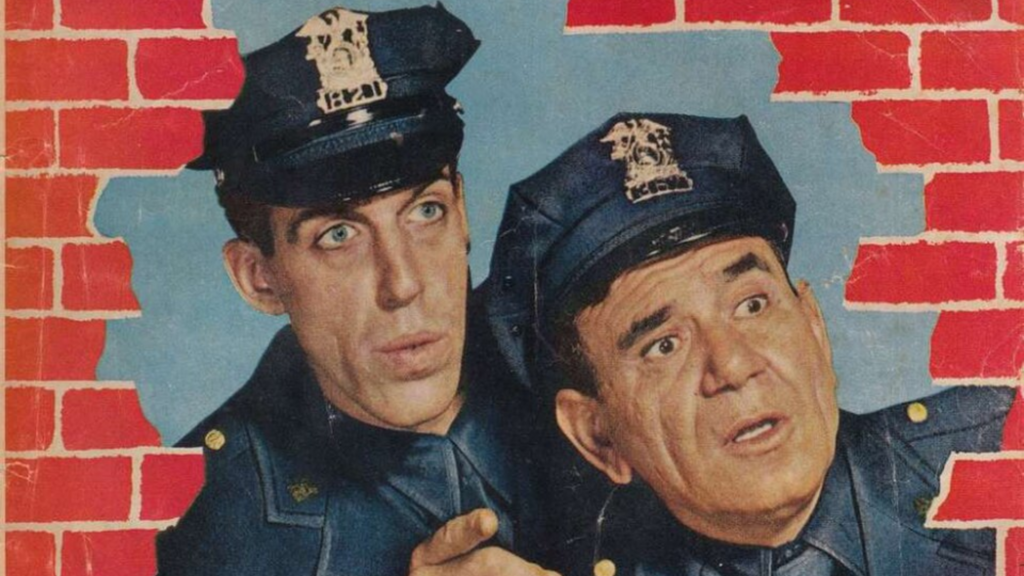
What made the show work wasn’t just the monster makeup, it was the chemistry between its leads. Fred Gwynne and Al Lewis, who played Herman and Grandpa, had already built a comedic partnership years earlier on the police sitcom “Car 54, Where Are You?” That prior experience translated directly into believable warmth between their characters, making the Munster family feel like an actual family, monstrous appearances aside.
The Original Pilot Looked Completely Different From the Final Show
Few viewers realize how different the unaired pilot actually was. It was filmed in color, and Lily Munster didn’t even exist yet, the character was originally named Phoebe and played by actress Joan Marshall. Her look and demeanor reportedly resembled Carolyn Jones’ Morticia Addams a little too closely. That similarity likely contributed to a full recasting, bringing in Yvonne De Carlo and renaming the character Lily before the series moved to black and white.
A Movie Star’s Casting Initially Worried Her Own Co-Stars
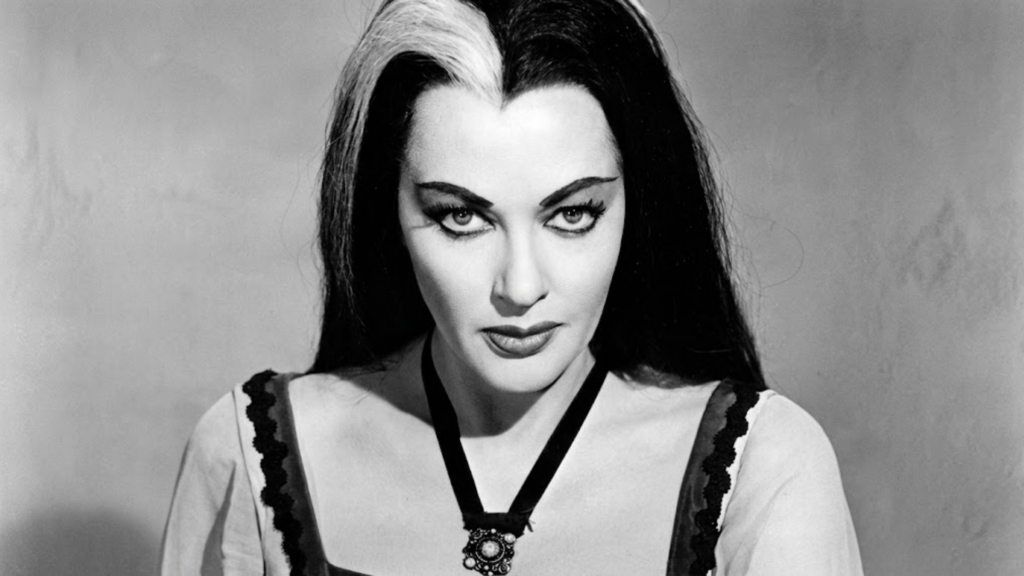
Yvonne De Carlo arrived with real Hollywood credentials, having appeared in “The Ten Commandments” and numerous other films. That star power actually made her co-stars nervous at first. Al Lewis and Fred Gwynne reportedly complained to producers upon learning a performer of her caliber had joined the cast, doubting her commitment to the show’s brand of comedy. Lewis later admitted plainly, “We were wrong,” once De Carlo’s chemistry with the cast became clear on screen.
Eddie Munster Also Got Recast Before the Show Even Aired
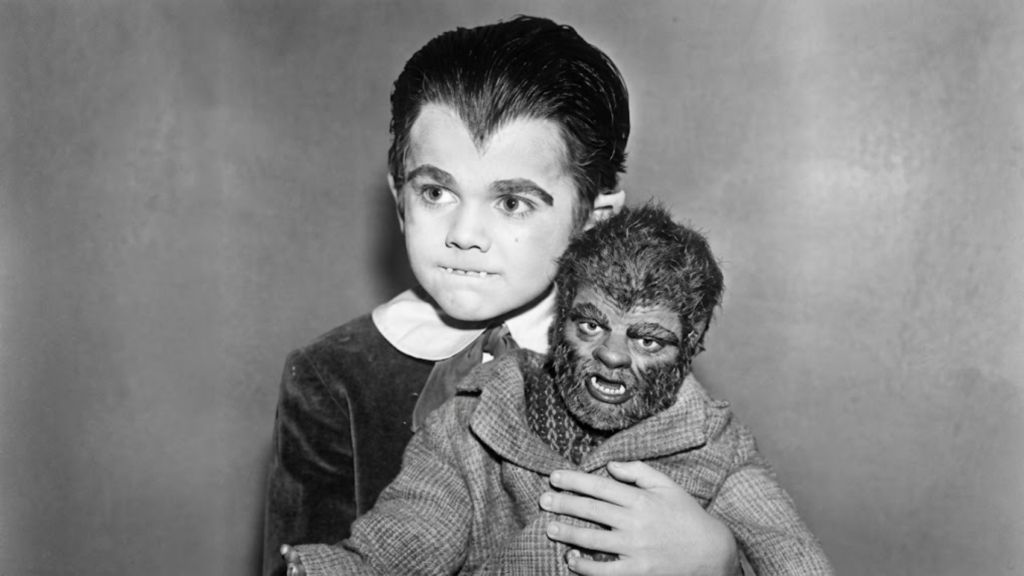
Young actor Happy Derman originally played Eddie Munster in the unaired pilot, portraying the werewolf boy as feral and snarling, closer to an actual monster than a typical sitcom kid. Producers ultimately replaced him with Butch Patrick, who gave Eddie an all-American charm closer to “Leave It to Beaver.” Patrick later theorized producers wanted “a regular kid,” and felt Derman’s original performance simply didn’t fit the family-friendly tone the show needed.
A Second Actress Took Over the Role of Marilyn Early On
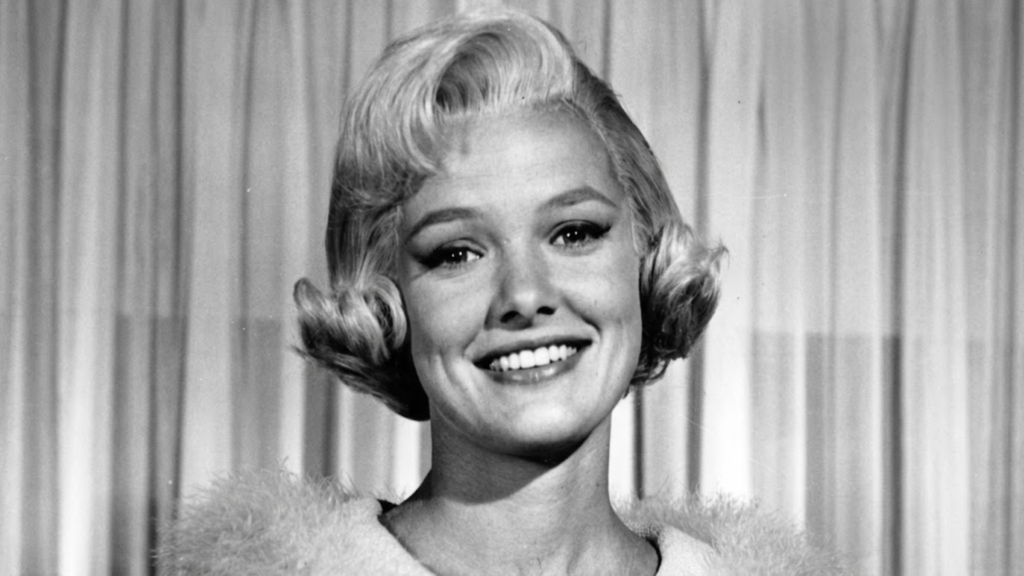
Marilyn Munster, the family’s “unfortunate looking” niece who thinks she’s cursed despite looking like a classic blonde starlet, was played first by Beverly Owen for the pilot and first thirteen episodes. Owen left because she was unhappy living in California and wanted to return to her boyfriend in New York. Her replacement, Pat Priest, later said she beat out at least five other women for the role and was working on set within five days of her screen test.
“The Munsters” and “The Addams Family” Didn’t Actually Compete
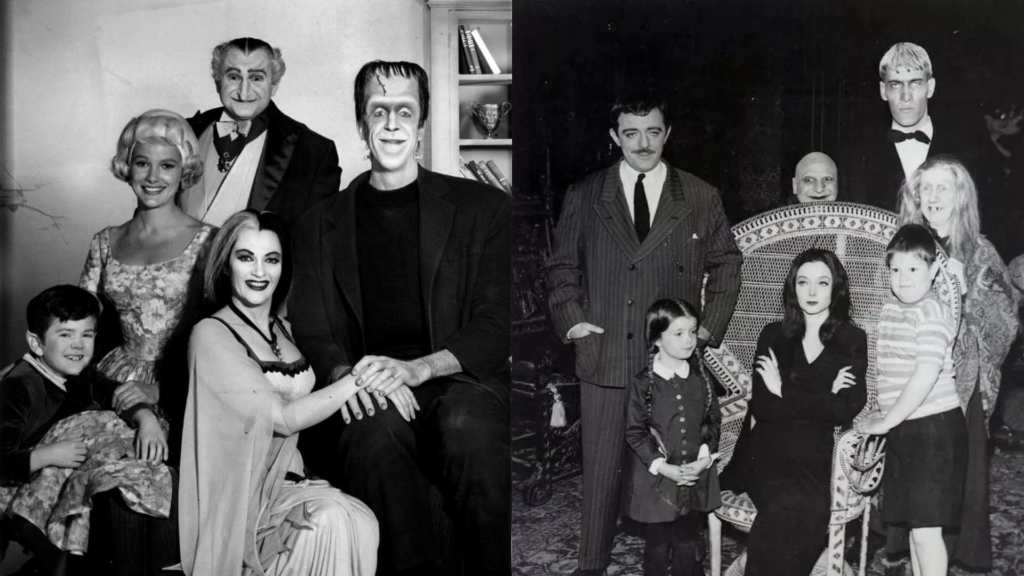
Given their similar premises, it’s easy to assume “The Munsters” and “The Addams Family” split audiences down the middle. Butch Patrick disagrees. He pointed out that “The Munsters” aired Thursday nights while “The Addams Family” aired Fridays, a scheduling gap that likely let fans of one show watch the other without conflict. Rather than competing directly, the two shows may have actually boosted each other’s audiences during their overlapping runs.
A Grueling 38-Episode Season Wore the Show Thin
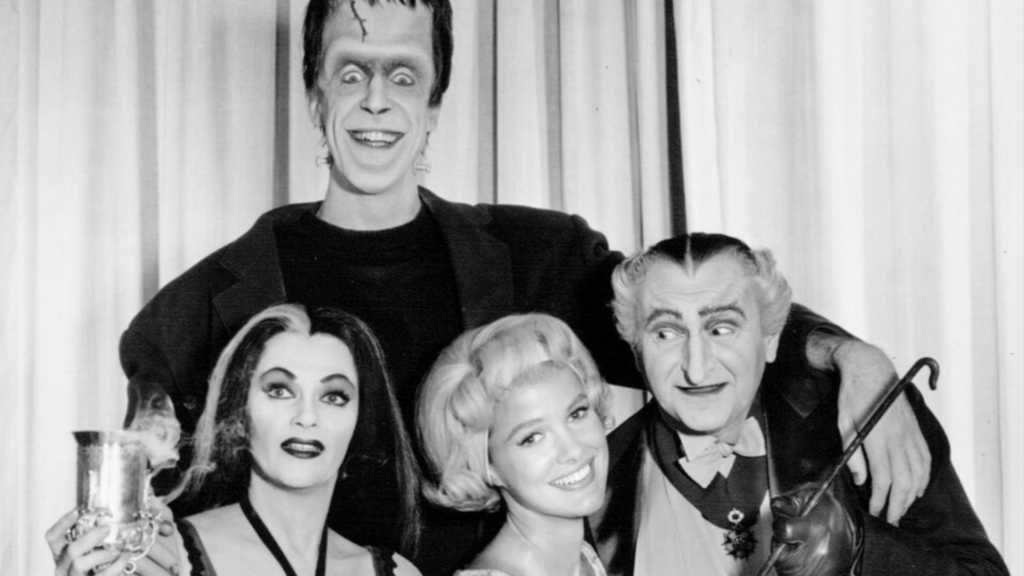
The show’s first season alone consisted of 38 episodes, a punishing workload compared to today’s 6-to-14-episode streaming seasons. Beyond filming, the cast did live appearances, public service announcements, and commercials as part of an intentional marketing push, according to former CBS programming head Michael Dann. By season two, stories grew broader in an apparent effort to widen audience appeal. Al Lewis later said he felt the show could have stayed sharper and more satirical, hinting that declining creative quality may have quietly contributed to the cancellation.
Batman’s Arrival in Color Ultimately Ended the Show for Good
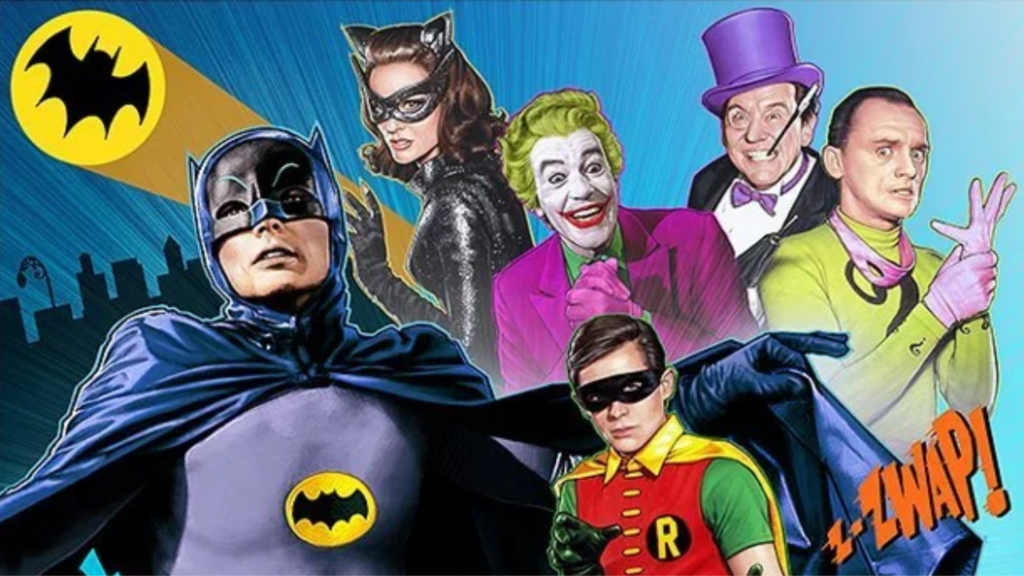
The final blow came from an unexpected rival. ABC’s “Batman” launched midway through the 1965-1966 season, airing as a colorful, cliffhanger-driven two-part weekly series that went head-to-head with “The Munsters” at the exact same time slot. Butch Patrick told Fox News that “Batman” simply “ate up” their ratings. Even the black-and-white show’s move to color for its 1966 feature film “Munster, Go Home” couldn’t compete, and the cast reportedly sensed early on that this would be their last outing together.