

Products are selected by our editors, we may earn commission from links on this page.

For many Americans, cheese has long felt like a simple pleasure—comforting, familiar, and uncomplicated. But lately, that perception is starting to shift. New attention on how cheese is made, and what goes into it, is prompting some consumers to take a closer look at an ingredient they’ve likely never thought much about before.
At the center of the conversation is rennet, a key enzyme used to turn milk into cheese. While rennet has been part of cheesemaking for centuries, modern production methods and how they’re described on labels have raised questions about transparency, genetic engineering, and what “natural” really means in today’s dairy aisle.
As details about rennet, GMOs, and food standards circulate online and on social media, Americans aren’t necessarily swearing off cheese. Instead, many are reassessing what they buy, how it’s made, and whether long-standing assumptions about dairy still hold up.
What’s Actually in Cheese

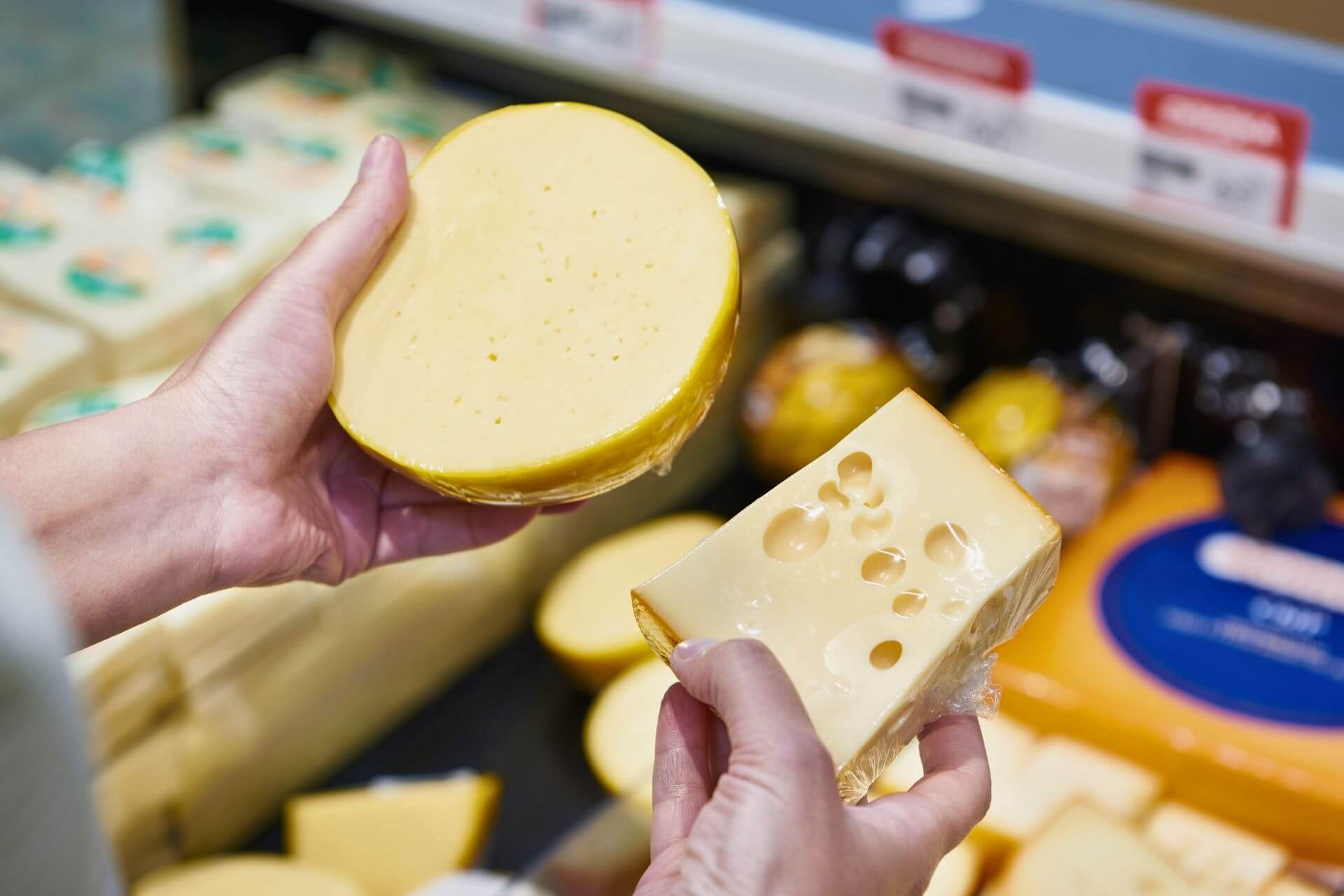
Despite its many varieties, most cheese is made from just a few core ingredients: milk, salt, cultures, and rennet. Rennet is the enzyme responsible for coagulating milk, transforming it from liquid into solid curds. Traditionally, it came from the stomach lining of young calves, where the enzyme naturally helps digest milk.
As cheese consumption increased and animal-based rennet became more expensive and scarce, the industry turned to alternatives. Today, about 90% of cheese made in the United States uses fermentation-produced chymosin, a lab-made version of the same enzyme. It’s produced by genetically engineered microbes, then purified so no genetic material remains in the final product.
This distinction often gets lost. The cheese itself is not genetically modified, but the enzyme used to make it was produced using genetic engineering. That nuance—process versus product—is a major reason consumers feel confused when they hear claims that most American cheese is “GMO.”
Why This is Stirring Debate Among Shoppers?
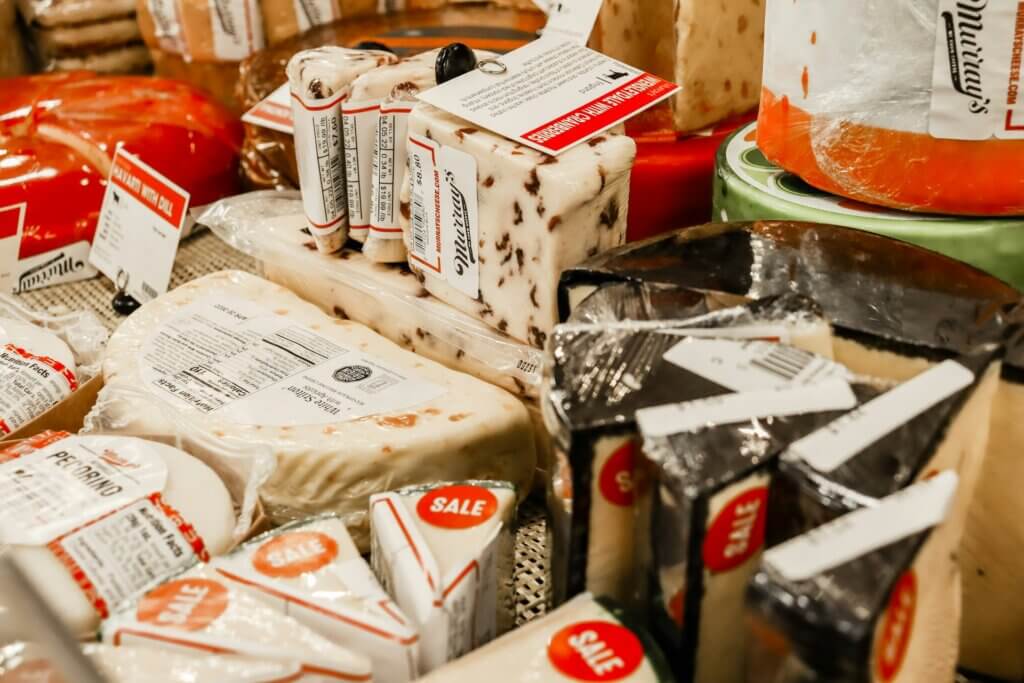
Much of the concern stems from how cheese is labeled and what labels don’t say. The FDA ruled in 1990 that fermentation-produced chymosin is “generally recognized as safe” and does not require special labeling because it’s chemically identical to traditional rennet and contains no DNA.
At the same time, advocacy groups like the Non-GMO Project classify cheese made with this enzyme as GMO-related, even though no genetically modified material remains in the final product. This has fueled viral claims that most cheese is “tainted,” leaving consumers caught between scientific assessments and marketing-driven messaging.
Regulation adds another layer. Under FDA Standards of Identity, cheeses must meet specific ingredient and production rules, but those standards have evolved to allow modern processing methods. The result is a legal framework that permits innovation while still aligning with what regulators say consumers should reasonably expect from cheese.
What This Means for the Future of Cheese

For consumers, the takeaway isn’t necessarily to avoid cheese, but to understand it better. Organic cheeses remain an option for those who want to avoid fermentation-produced enzymes entirely, while conventional cheeses continue to rely on methods considered safe and efficient by food scientists.
For the dairy industry, the renewed scrutiny highlights a growing demand for transparency. As shoppers become more ingredient-aware, producers may face pressure to explain not just what is in their cheese, but how each component is made.
In the end, cheese hasn’t suddenly changed, but public awareness has. As Americans rethink dairy ingredients, the conversation reflects a broader shift toward curiosity and clarity in food choices, rather than simple fear of what sounds unfamiliar.