


Products are selected by our editors, we may earn commission from links on this page.

Two months ago, most economic forecasts pointed to a strong 2026. Inflation had eased, hiring was holding steady, and mortgage rates were declining. Then March brought the Iran conflict and a partial government shutdown at the same time. Within weeks, inflation expectations rose, some job gains slowed, and travel turned chaotic, altering the outlook for millions of Americans who had been counting on a stable year.
The effects landed quickly and broadly. Oil prices surged past $100 a barrel, European gas increased sharply, and financial markets turned volatile. For Americans already navigating a cautious economy, the timing mattered. Business Insider spoke with dozens of travelers, economists, and investors in March, capturing a snapshot of a month that altered plans for the rest of the year.
Travel took one of the hardest early hits. A partial government shutdown disrupted TSA staffing, creating airport lines that stretched for hours. Mickey Lyons, a 53-year-old Detroit resident, told Business Insider she was weighing driving to Windsor, Ontario, and taking a 12-hour train to Montreal rather than deal with the disruption. Her hesitation reflects a wider pattern: Americans reconsidering plans they had already made.
Inflation Projections Doubled, and the Fed Is Holding Steady

The Organization for Economic Cooperation and Development now expects US inflation to average 4.2% this year, nearly double the 2.4% annualized price growth recorded in February. Higher fuel costs are pushing up prices across flights, shipping, and groceries. The Federal Reserve, which had recently signaled optimism, is now expected to hold rates steady in April as it monitors the inflationary impact of rising energy costs.
Mortgage rates rose after months of steady decline, climbing again as inflation expectations increased. Job seekers in what economists have called the “Great Freeze” hiring market face a longer wait for conditions to improve. The latest jobs report showed losses across white- and blue-collar sectors following months of growth, adding to the sense that March marked a turning point rather than a temporary pause.
On Wall Street, concerns have grown more serious. One estimate from Pantheon Macroeconomics projects household wealth could fall by as much as $1.5 trillion this quarter as market swings erode investment portfolios and prompt reduced consumer spending. A major consumer confidence indicator dropped to its lowest level since December, signaling that the economic momentum built up earlier in the year has slowed.
One Shipping Lane Is Driving Global Supply Chain Concerns
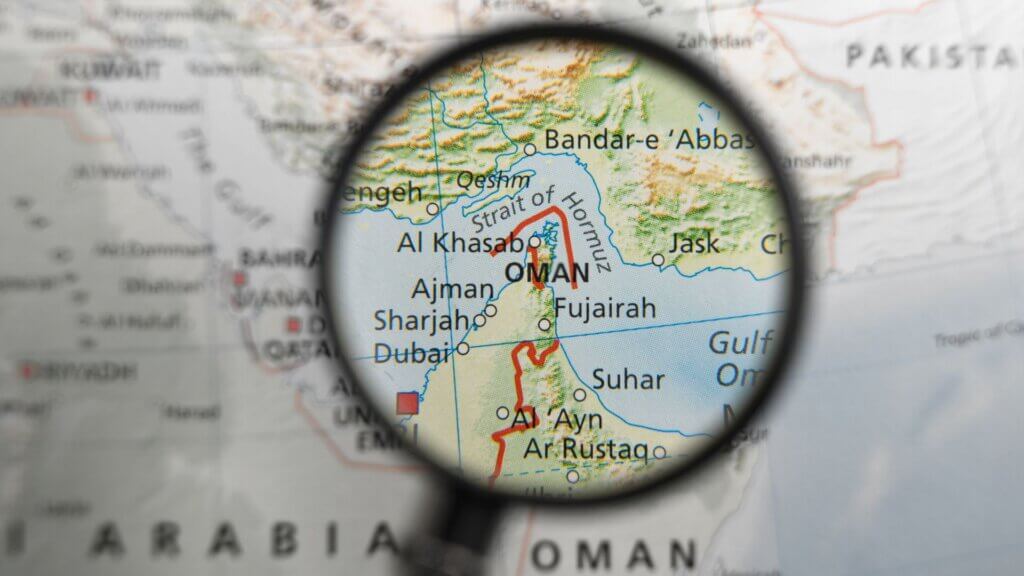
About a fifth of global oil supplies pass through the Strait of Hormuz, and the disruptions to that corridor has rattled energy markets worldwide. Oil has climbed above $100 a barrel, well past the $80 ceiling UniCredit initially projected. Iran has threatened to push prices to $200 a barrel by targeting shipping through the strait and refineries across the region, according to The Guardian.
The disruption extends beyond fuel markets. Qatar accounts for roughly a third of global helium supply as a byproduct of liquefied natural gas operations, and production has been affected after Iranian missiles struck the Ras Laffan LNG facility. Analysts warn the shortfall could reach microchip manufacturing and medical equipment. The Middle East supplies about half of the global urea and sulphur exports, both critical fertilizer ingredients.
Barclays estimates that if oil averages $100 a barrel through 2026, global economic growth would come in at 2.8%, a 0.2 percentage point reduction, while headline inflation would run 0.7 percentage points higher at 3.8%. Some economists warn that a prolonged conflict could send oil above $170 a barrel, a threshold several forecasters associate with conditions that have historically preceded global recessions.
What Experts Say About the Road Ahead

Ian Stewart, chief economist at Deloitte UK, noted that surging energy prices preceded western recessions in 1973, 1979, and 1990, and that the energy shock following Russia’s invasion of Ukraine collapsed Europe’s growth rate in 2023. Kallum Pickering, chief economist at Peel Hunt, described the current situation as an intense supply shock meeting weaker demand growth, a combination he said differs meaningfully from the post-Covid inflationary period.
There are some counterweights. The International Energy Agency coordinated the release of 400 million barrels of stockpiled oil to ease supply fears. The US imports less than a tenth of its oil through the Strait of Hormuz after the shale gas boom, limiting direct exposure. Warren Patterson, head of commodities energy strategy at ING, described the disruptions to The Guardian as temporary, noting that supply will ultimately return.
The broader uncertainty is what makes planning difficult for businesses, investors, and households alike. Albert Edwards, a senior analyst at Société Générale, warned of asymmetric risks toward stagflation if market optimism about a quick resolution proves wrong. For now, the jobs market, travel, and household finances remain in flux, and the timeline for stabilization depends heavily on how the conflict in the Middle East develops.