

Products are selected by our editors, we may earn commission from links on this page.
Beneath one of Mesoamerica’s most iconic ancient cities lies a discovery that continues to spark curiosity, debate, and speculation. Deep inside a hidden tunnel, researchers uncovered a strange substance that challenges conventional interpretations of ritual, technology, and symbolic architecture. What was once considered a purely ceremonial site now raises deeper questions about the knowledge and intentions of its builders.
Hidden Chambers Beneath An Ancient City
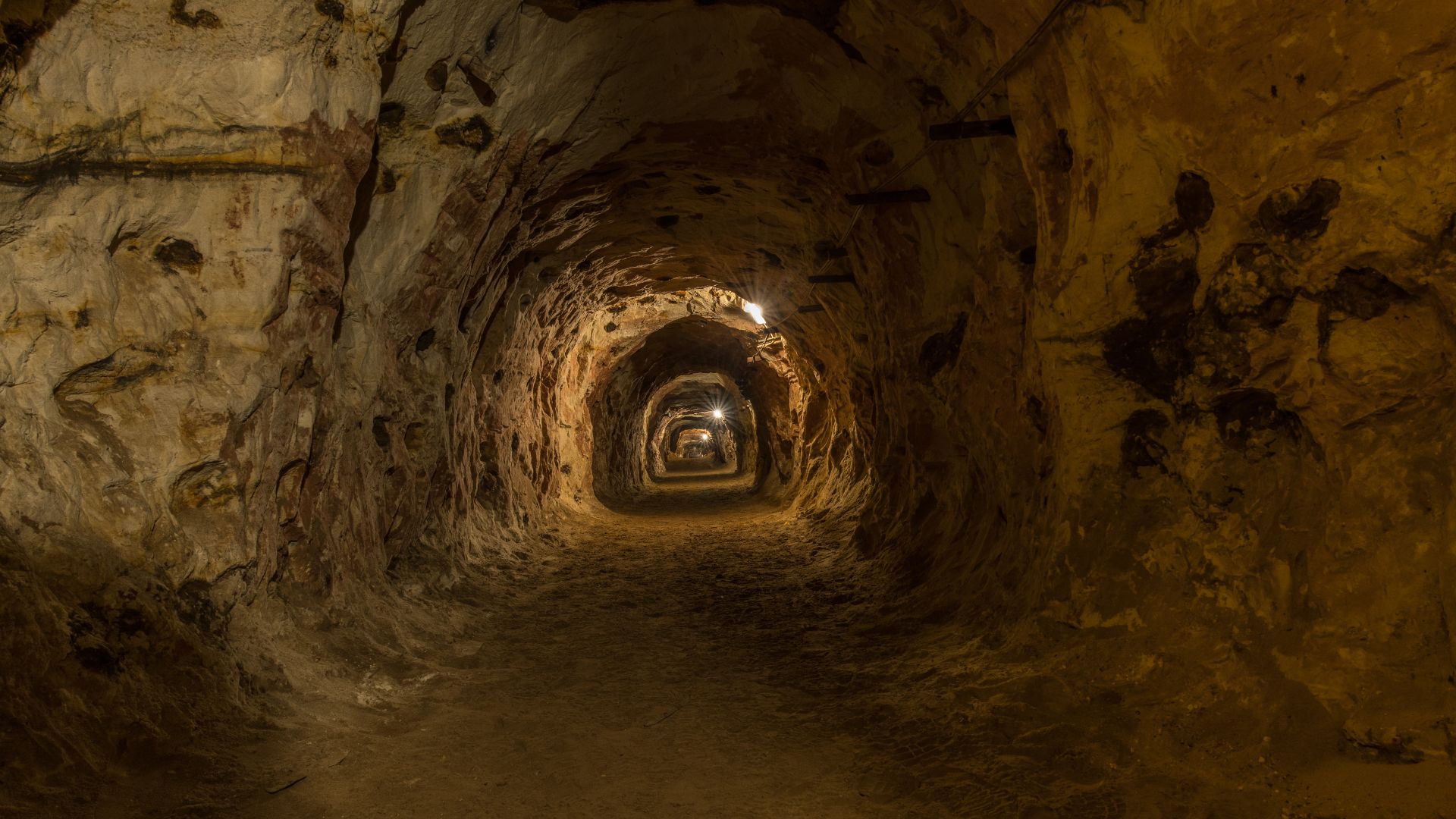
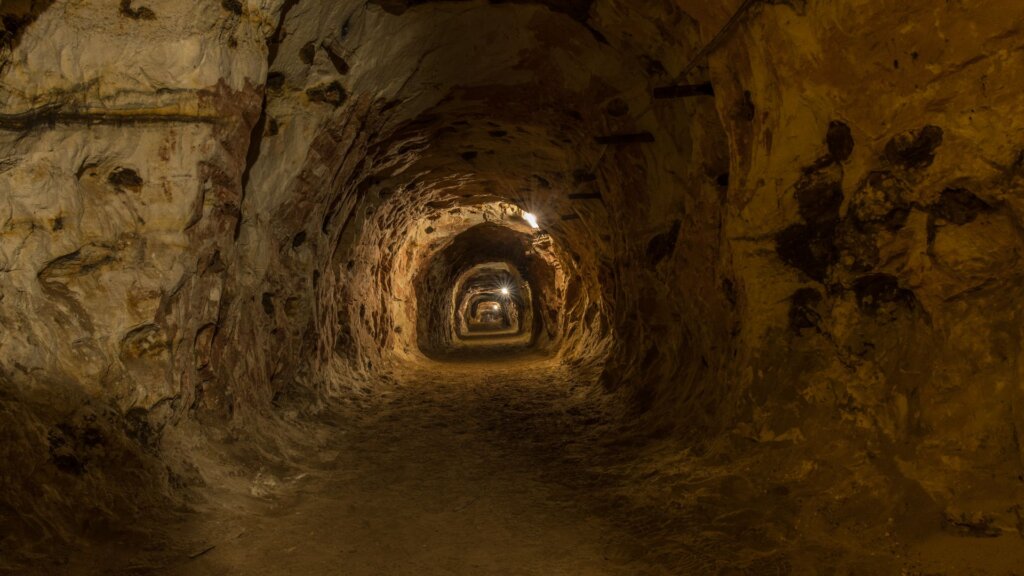
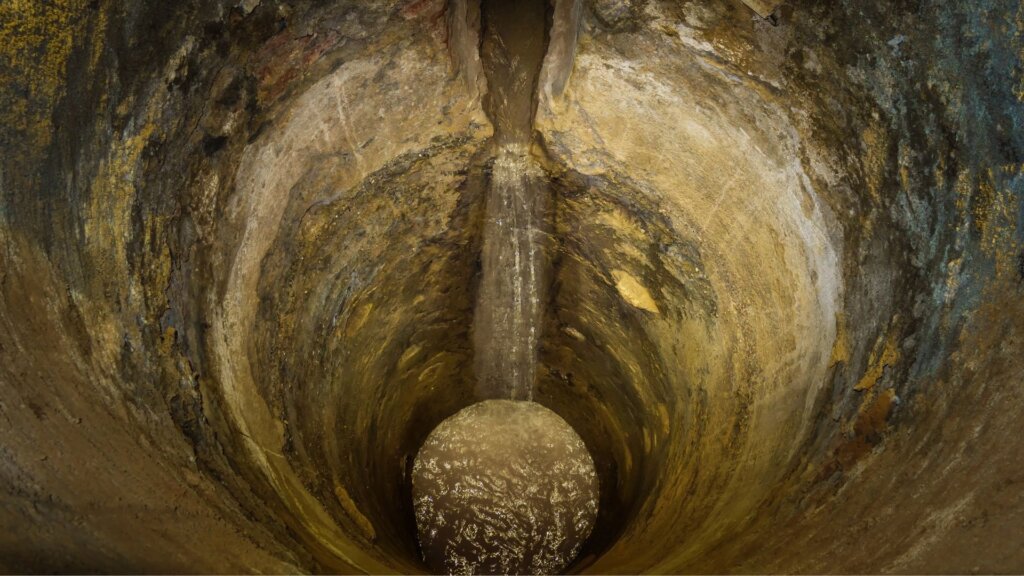
Deep below the ancient city of Teotihuacan, archaeologists uncovered a sealed tunnel stretching more than 300 feet, leading to hidden chambers that had remained untouched for centuries. This underground passage revealed artifacts and materials that suggest deliberate design and symbolic intent, pointing to a space that may have held spiritual or political significance within the civilization.
The Discovery Of A Mysterious Liquid
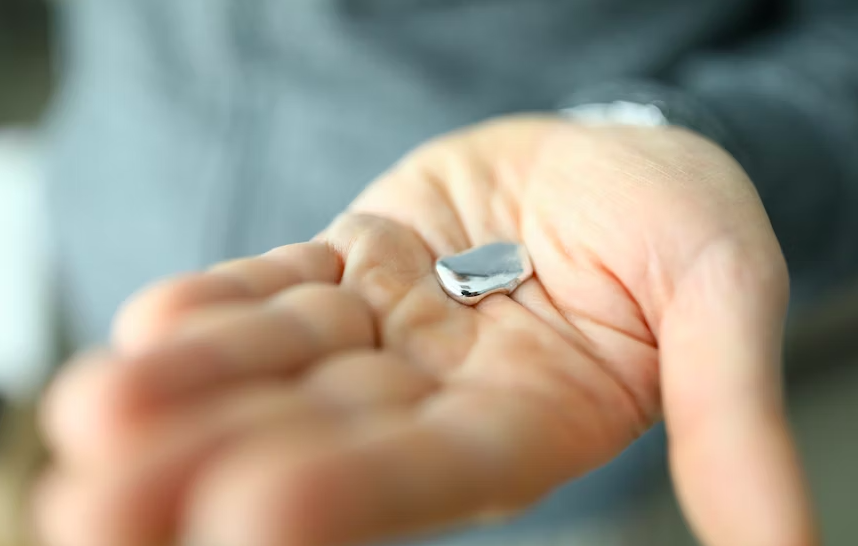
Among the most surprising findings was the presence of large quantities of liquid mercury, a rare and highly toxic substance. Its shimmering, reflective surface immediately drew attention, not only because of its unusual appearance but also due to the effort required to produce and transport it in ancient times, making its presence both intentional and meaningful.
Mercury As A Portal To The Supernatural

In Mesoamerican belief systems, reflective surfaces often symbolized gateways to other realms, including the underworld. The liquid mercury may have been used to create mirror-like pools, reinforcing the idea of a ritual space designed to connect the physical world with the spiritual dimension, possibly serving as a ceremonial path for rulers or priests.
The Role Of Symbolism In Ritual Design
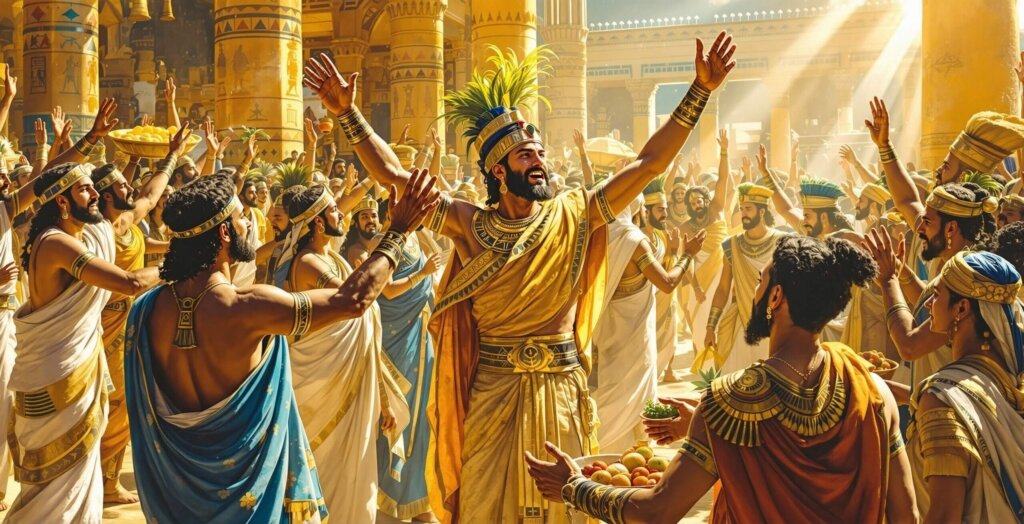
The architecture and materials found in the tunnel suggest a carefully constructed environment rich in symbolism. Water and reflection were commonly associated with divination and communication with unseen forces, indicating that the chamber may have been designed not just for burial or storage, but for transformative rituals tied to belief and power.
The Presence Of Mica And Its Significance
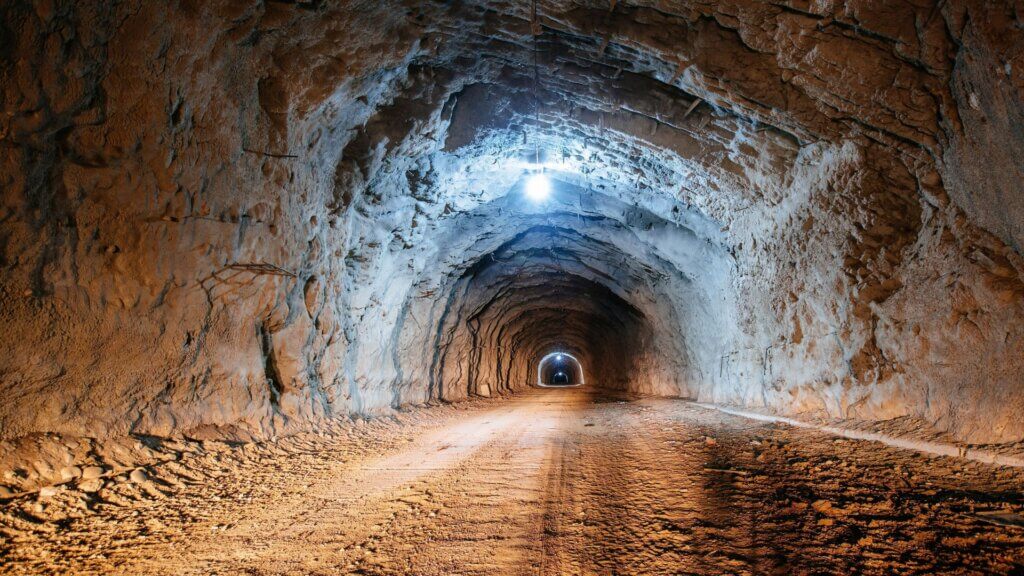
Alongside the mercury, researchers discovered large sheets of mica, a mineral known for its reflective and insulating properties. Its use in lining walls and chambers suggests intentional placement, possibly enhancing visual effects or contributing to the symbolic atmosphere of the space, reinforcing its connection to light, reflection, and perception.
A Puzzle Of Ancient Engineering
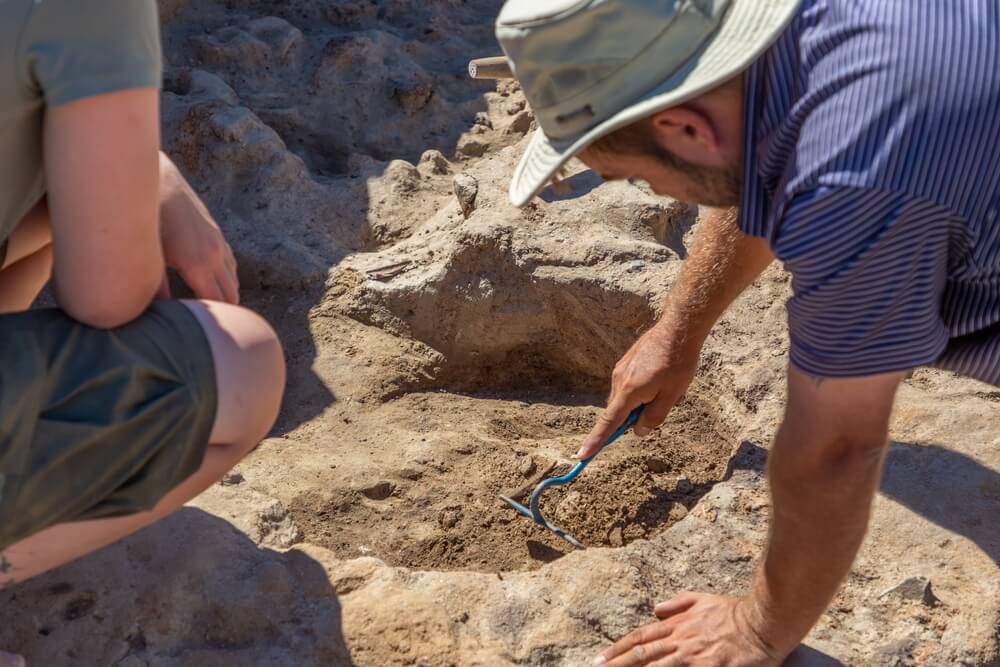
The combination of mercury and mica has led some to speculate about advanced knowledge of materials. While mainstream interpretations focus on ritual use, others have proposed that these elements could have served functional purposes, hinting at a level of experimentation or understanding that remains difficult to fully explain with current evidence.
Comparisons With Other Ancient Structures
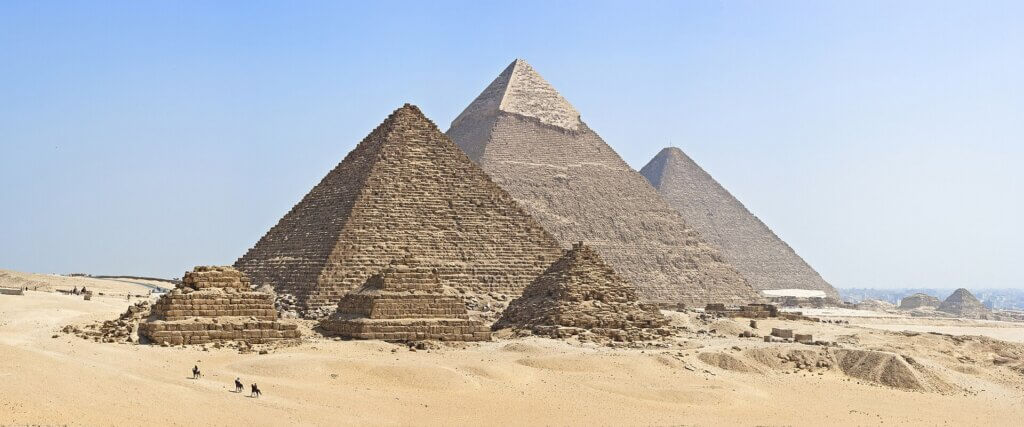
This discovery is particularly intriguing because similar uses of mercury have only been found in a handful of ancient sites worldwide, including a well-known mausoleum in China. Such parallels raise questions about whether these practices emerged independently or reflect a broader, yet still poorly understood, pattern in ancient civilizations.
The Challenge Of Material Sourcing
One of the most puzzling aspects of the find is the origin of the materials. Mica deposits are located thousands of miles away from Teotihuacan, while mercury must be extracted through a complex and hazardous process involving cinnabar. The effort required to obtain and transport these materials suggests they held significant importance.
Ritual Interpretation Versus Technological Theories

Most archaeologists interpret the findings as part of elaborate ceremonial practices, possibly linked to the journey of a ruler into the underworld. However, alternative theories continue to circulate, proposing that the materials could have played a role in energy generation or electromagnetic activity, despite the lack of scientific evidence supporting these claims.
An Ongoing Mystery That Fuels Curiosity
Even years after the discovery, the tunnel beneath Teotihuacan remains a subject of fascination. Whether viewed through the lens of ritual symbolism or speculative innovation, the presence of liquid mercury and mica challenges researchers to rethink assumptions and continue exploring the depth of knowledge held by ancient civilizations.