

Products are selected by our editors, we may earn commission from links on this page.
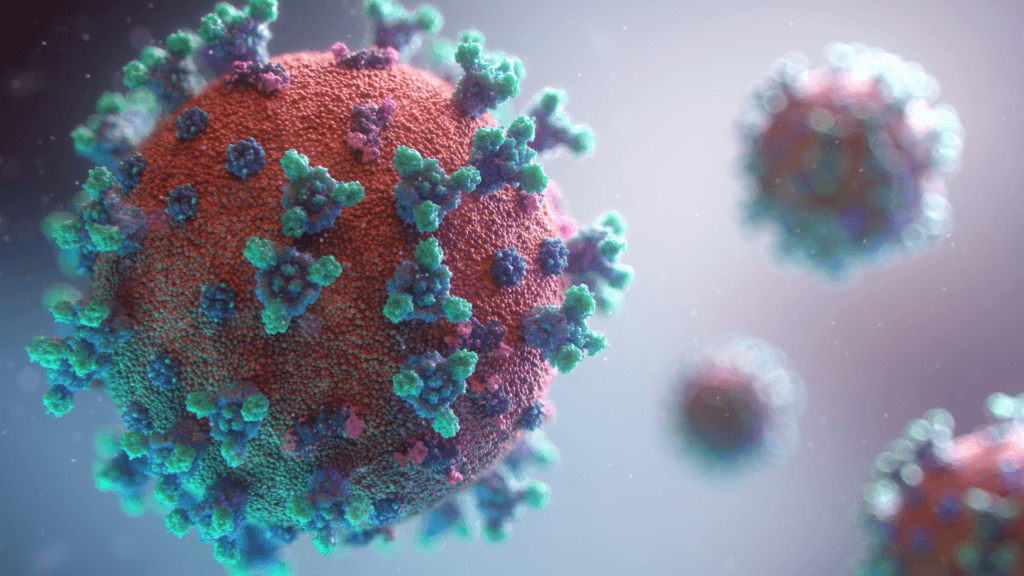
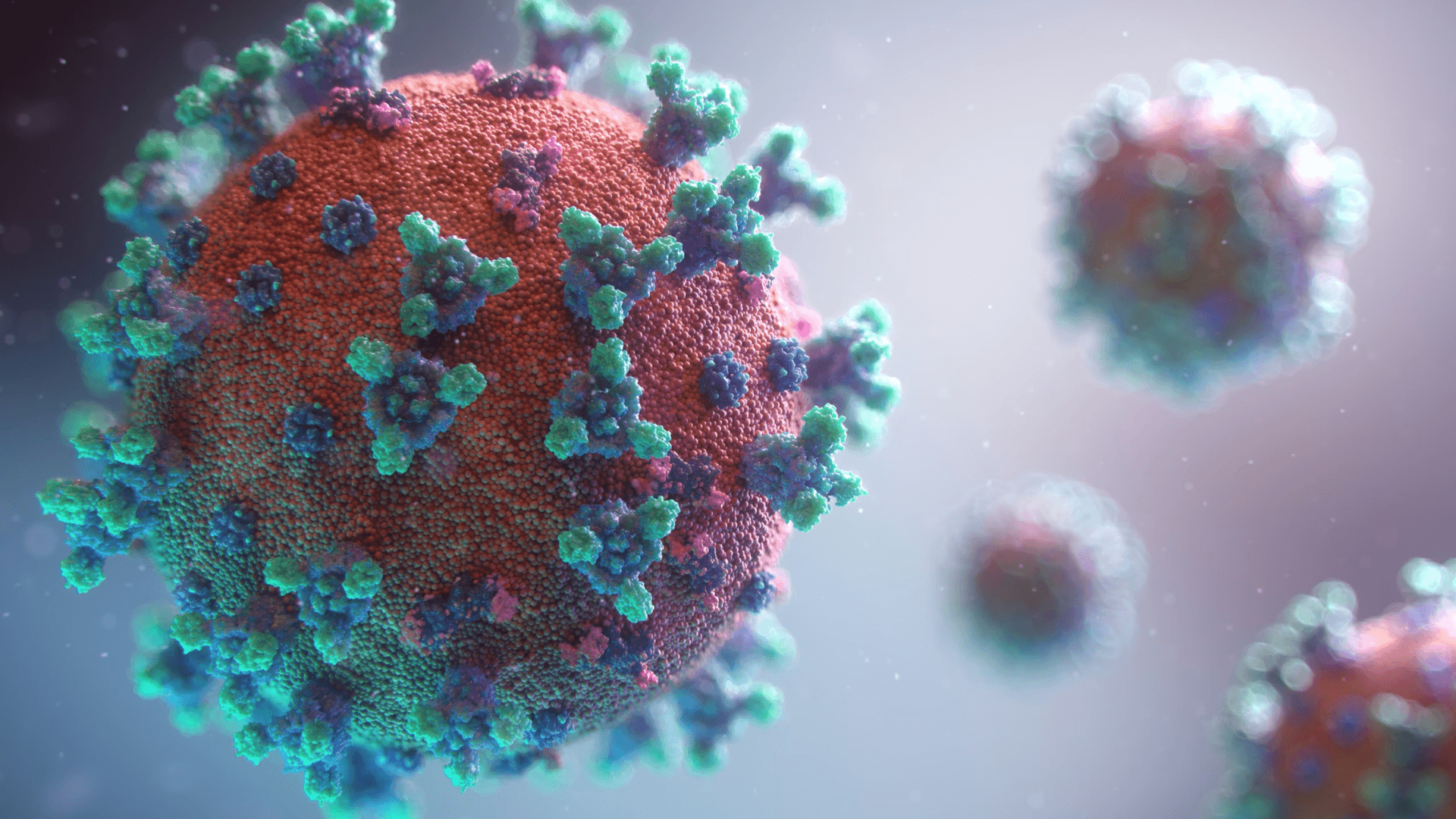
A new highly mutated COVID‑19 variant, officially designated BA.3.2 and nicknamed “Cicada,” is being monitored closely by health officials as it spreads across the United States and other countries. Scientists are paying attention because this version of the virus has accumulated an unusually large number of genetic mutations, particularly in the spike protein, which may partially evade immunity built from prior infections and vaccinations. Despite its spread, experts emphasize that the variant has not yet become the dominant strain in the U.S., but its detection in wastewater and clinical samples indicates low‑level community transmission across multiple states.
The Cicada variant first emerged in South Africa in late 2024 and reappeared in late 2025 after circulating at low levels for some time, earning its nickname because it “resurfaced” much like the insect that emerges periodically. Public health agencies such as the U.S. Centers for Disease Control and Prevention and the World Health Organization have classified BA.3.2 as a Variant Under Monitoring, meaning it is being tracked for potential changes in behavior or impact. While it has been found in soil and wastewater surveillance in at least 25 states, its share of infections remains relatively small compared with the currently dominant strains.
Although early data suggest BA.3.2 does not drive severe disease more than other Omicron‑family variants, its high number of mutations and potential for partial immune evasion has prompted renewed vigilance from health experts. Ongoing genomic surveillance and observational studies are important to detect any shifts in transmissibility, vaccine effectiveness, or symptom patterns. Individuals are encouraged to stay informed about local trends and public health guidance as the situation evolves.
Symptoms and Spread of the Cicada Variant
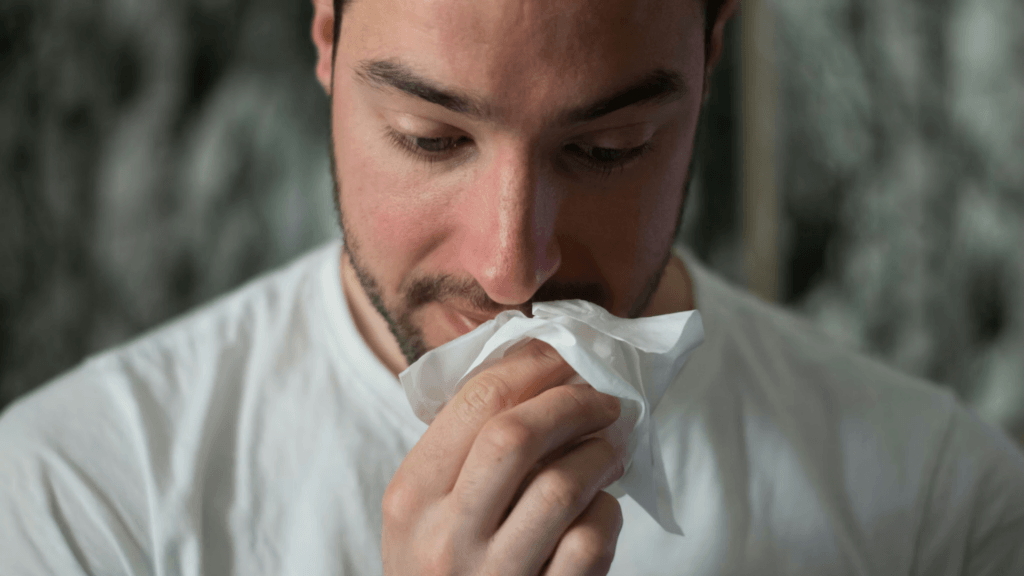
So far, symptoms associated with the Cicada COVID variant appear similar to those seen with other recent SARS‑CoV‑2 strains, rather than presenting any distinct or unique clinical signs. Common symptoms include sore throat, cough, fatigue, congestion, headache, and fever, which can closely resemble seasonal respiratory illnesses or past COVID‑19 infections. These familiar symptoms mean that routine testing remains essential for accurate diagnosis and appropriate care.
Because the variant carries many mutations in the portion of the virus that vaccines target, it may be somewhat better at evading existing immunity from prior infection or vaccination, potentially making reinfections more likely for some people. However, available evidence does not show a significant increase in severe disease, hospitalizations, or deaths compared with other circulating variants. Health experts continue to emphasize that vaccines still provide meaningful protection against serious outcomes even if they are less effective at preventing mild infection with BA.3.2.
Latest monitoring data indicate that the Cicada variant has not yet overtaken other COVID strains in terms of prevalence, so it remains one of several lineages contributing to overall case counts in the U.S. The spread detected through wastewater and testing signals the importance of continuing public health surveillance and testing efforts to track how this variant evolves over time. Maintaining vigilance is especially important for people with higher risk due to age or underlying health conditions.
What You Can Do to Protect Yourself

To protect yourself from any COVID‑19 variant, including the Cicada strain, health officials recommend staying up‑to‑date with COVID vaccinations, particularly if you are older, immunocompromised, or have underlying health conditions that put you at higher risk for severe illness. Even though the variant may reduce some antibody protection, vaccines continue to offer substantial defense against hospitalization and death. Practicing good hygiene, staying home when sick, and using masks in crowded indoor settings can also reduce transmission.
Routine testing remains a key tool, especially if you experience symptoms, because clinical signs alone cannot reliably distinguish COVID‑19 from other respiratory viruses. Testing helps ensure that individuals with COVID‑19 can isolate appropriately and avoid passing the virus to others, including family members and vulnerable community members. Staying informed about local case trends and public health recommendations ensures that you can adjust precautions as conditions change.
Doctors also advise monitoring symptoms and seeking medical evaluation if you develop more severe signs, such as difficulty breathing, persistent chest pain, new confusion, or bluish lips, which could signal complications requiring urgent care. While most cases remain mild, severe infection is still possible, and prompt treatment improves outcomes. Staying proactive about your health and protective measures can help minimize the impact of COVID‑19, even as new variants continue to emerge.
Stay Aware but Not Alarmed

The emergence of the highly mutated Cicada COVID variant underscores that SARS‑CoV‑2 continues to evolve, but current evidence suggests it does not yet pose a dramatic new threat in terms of severity or spread. Being cautious and staying up‑to‑date with vaccinations can help protect individuals and communities, especially vulnerable populations. Continued monitoring by public health agencies will be essential to detect any changes in how the variant behaves.
Understanding symptoms, transmission dynamics, and prevention strategies can save lives and reduce the burden of illness on healthcare systems. Awareness of emerging variants like BA.3.2 helps people make informed decisions about testing, vaccination, and safety measures tailored to current conditions. Remaining vigilant without undue fear encourages responsible health habits as the virus continues to mutate.
For now, the best defense against COVID‑19 whether it’s Cicada or another variant remains a combination of vaccination, hygiene, and prompt medical care when symptoms arise. Public health experts continue to anticipate and prepare for shifts in the virus’s behavior, so staying informed with reliable guidance is key to navigating this phase of the pandemic.