

Products are selected by our editors, we may earn commission from links on this page.
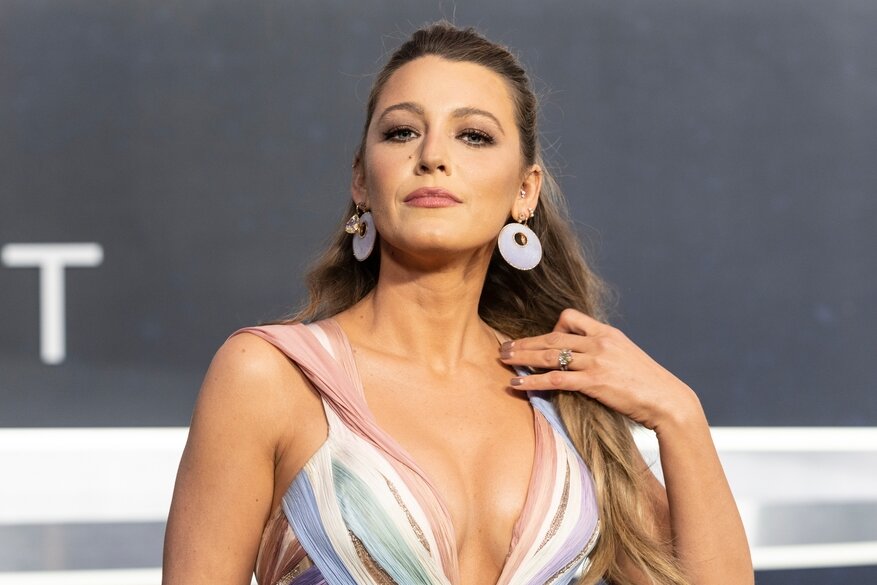
A federal judge in New York dismissed the majority of Blake Lively’s claims against her It Ends With Us co-star and director Justin Baldoni, significantly narrowing the case ahead of trial. Judge Lewis J. Liman threw out 10 of the 13 claims, including those related to sexual harassment, defamation, and conspiracy.
The ruling hinged largely on legal definitions and jurisdictional issues. The court determined that Lively was working as an independent contractor rather than an employee, limiting her ability to pursue certain harassment claims under federal law. It also found that some allegations lacked sufficient legal grounding in the context presented.
Still, the case remains active. Three claims—breach of contract, retaliation, and aiding and abetting retaliation—will proceed to trial, allowing a jury to examine key aspects of Lively’s allegations.
How the Legal Battle Began
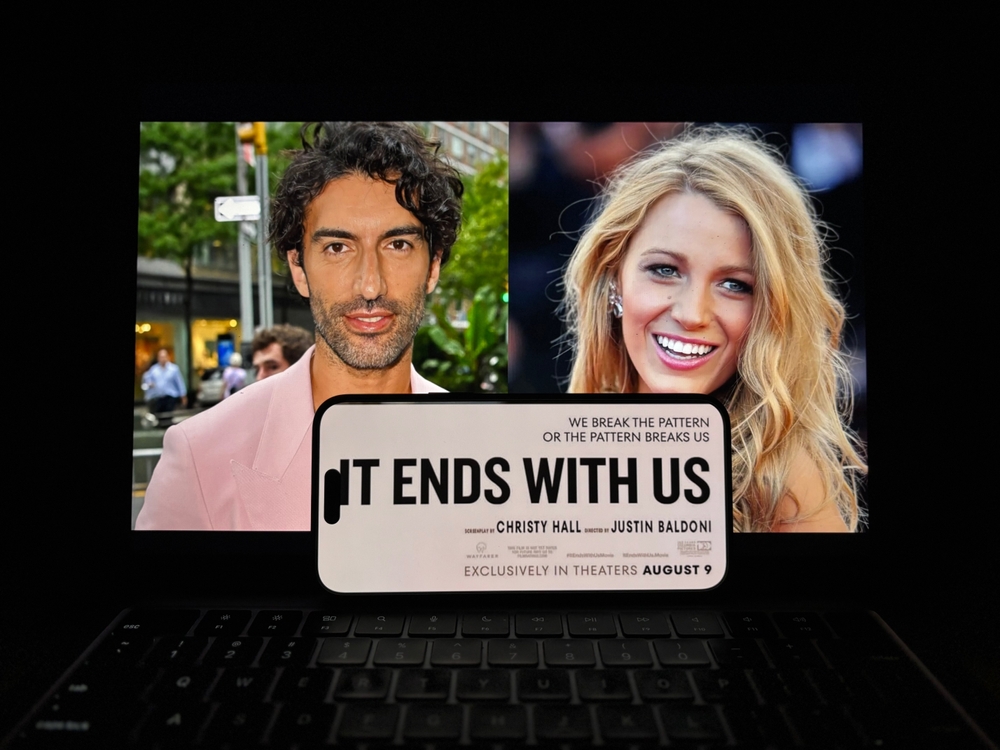
The dispute between Blake Lively and Justin Baldoni stems from their work on the 2024 film It Ends With Us, a high-profile adaptation of Colleen Hoover’s bestselling novel. Lively filed a lawsuit in late 2024, accusing Baldoni and his production company, Wayfarer Studios, of sexual harassment and retaliation during and after filming.
According to her complaint, Lively raised concerns about on-set conduct and alleged that those complaints were followed by a coordinated effort to damage her reputation. She claimed the defendants engaged in a smear campaign, including public relations tactics and media narratives designed to discredit her.
Baldoni denied the allegations and responded with legal action of his own, including a $400 million defamation lawsuit against Lively, her husband Ryan Reynolds, and others. That countersuit was later dismissed by the court, marking an early turning point in the broader legal fight.
Blake Lively Speaks Out Publicly
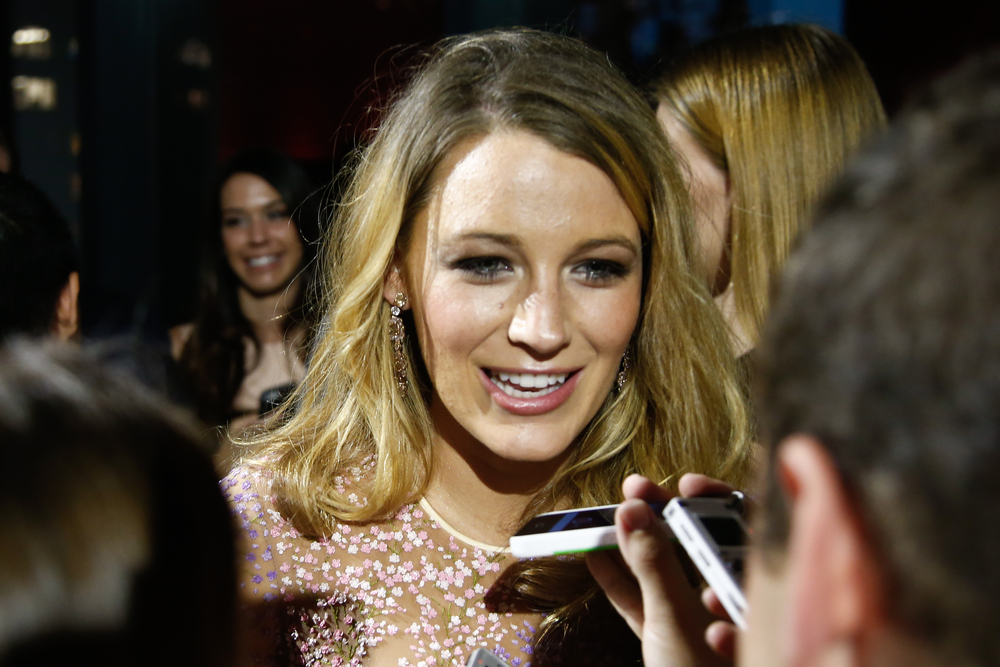
Following the ruling, Lively addressed the outcome in an emotional statement posted on her Instagram, offering insight into her personal experience during the legal battle. She described feeling the effects of what she called a “retaliatory lawsuit” and the “manufactured shame” that accompanied it.
In her message, she emphasized that her situation reflects a broader issue, noting that many individuals lack the resources to defend themselves in similar circumstances. She reiterated her commitment to advocating for women’s rights and workplace safety, framing her case within a wider cultural conversation.
Lively also expressed gratitude to supporters and shared resources for organizations focused on legal aid and advocacy. Her statement suggested a continued determination to pursue the remaining claims and bring her account before a jury.
Conflicting Narratives as Trial Nears
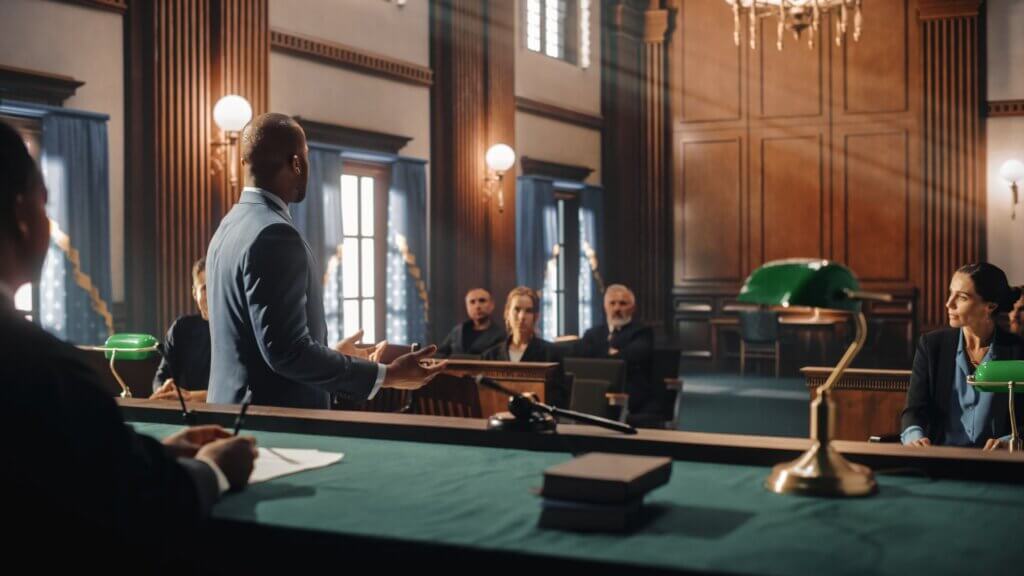
As the case moves toward trial, both sides continue to present sharply different interpretations of events. Lively’s legal team maintains that the core issue is retaliation, arguing that she faced professional consequences for raising concerns about her treatment on set.
Baldoni’s attorneys, meanwhile, have welcomed the dismissal of most claims and maintain that the allegations are unfounded. They argue that the ruling reinforces their position and have stated their intention to defend the remaining claims in court.
With a trial date approaching, the narrowed case is expected to focus on whether retaliation occurred and whether it caused measurable harm. The outcome will likely determine not only the legal resolution but also how the broader dispute is ultimately understood.