

Products are selected by our editors, we may earn commission from links on this page.
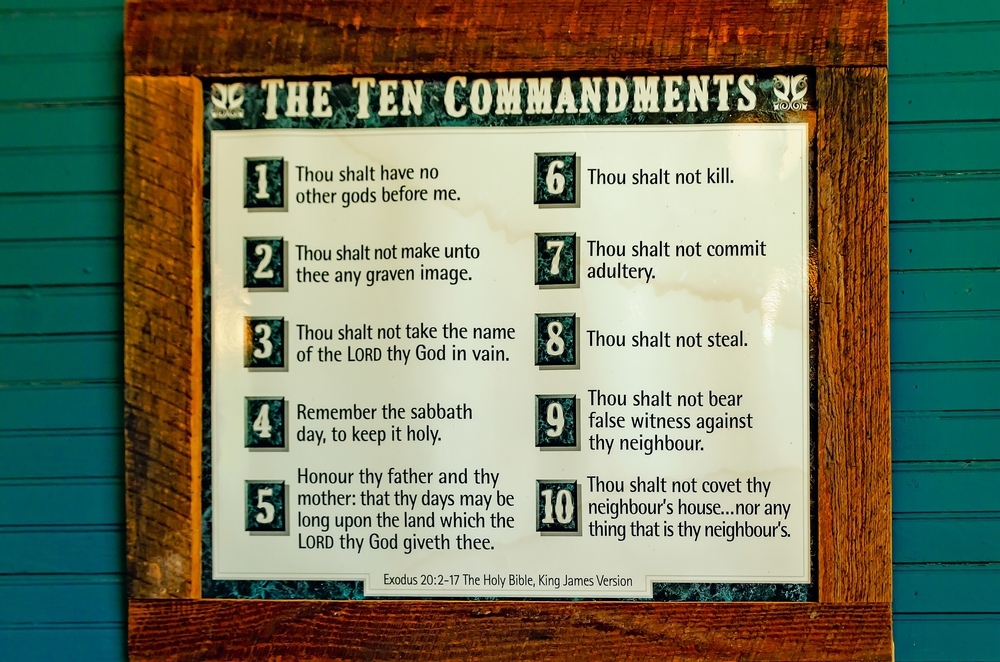
A growing number of U.S. states are moving to require the Ten Commandments in public school classrooms, reigniting a long-running debate over religion in education. What began as scattered proposals has quickly turned into a coordinated push, with laws passed, challenged, and in some cases already taking effect.
Louisiana Is Leading The Way

Louisiana became the first state to mandate the Ten Commandments in every public school classroom, requiring poster-sized displays in “large, easily readable font” from kindergarten through state universities. The law’s supporters argue it reflects foundational values, with Gov. Jeff Landry saying respect for law begins with “the original lawgiver.”
Other States Are Following Closely
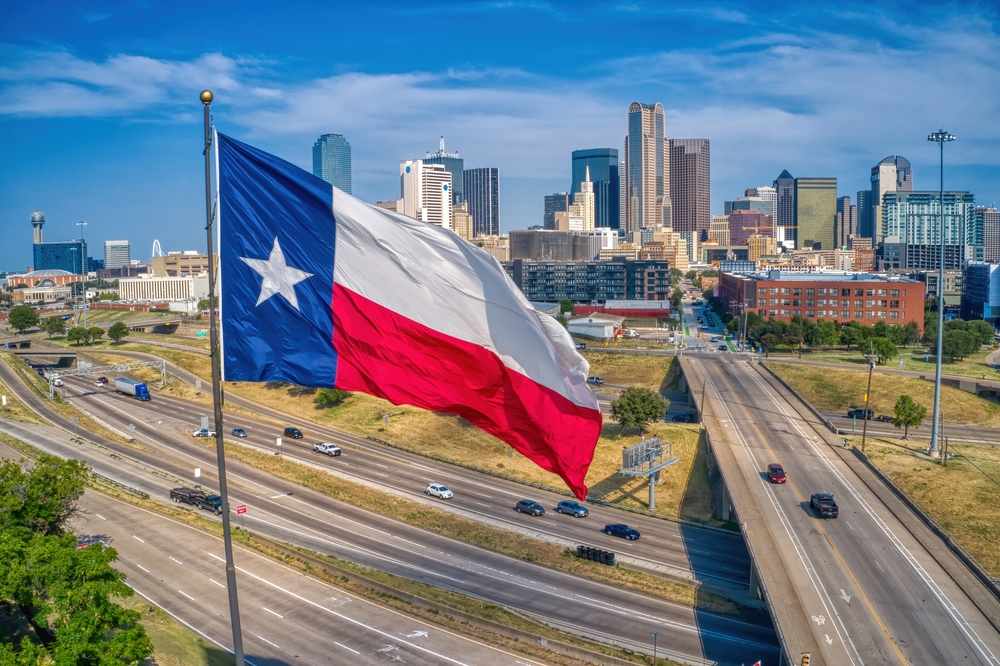
Louisiana is not alone, as states like Texas and Arkansas have passed similar measures, while others continue to introduce new bills. At least a dozen states have considered proposals, and the movement is largely concentrated in Republican-led legislatures pushing to expand religion’s presence in schools.
Many Of These Laws Are Already Facing Challenges

Despite legislative momentum, courts have stepped in quickly, blocking or limiting several of these laws. Federal judges have ruled that mandated classroom displays could violate constitutional protections, setting up a series of legal battles that are still unfolding.
The Supreme Court Is At The Center
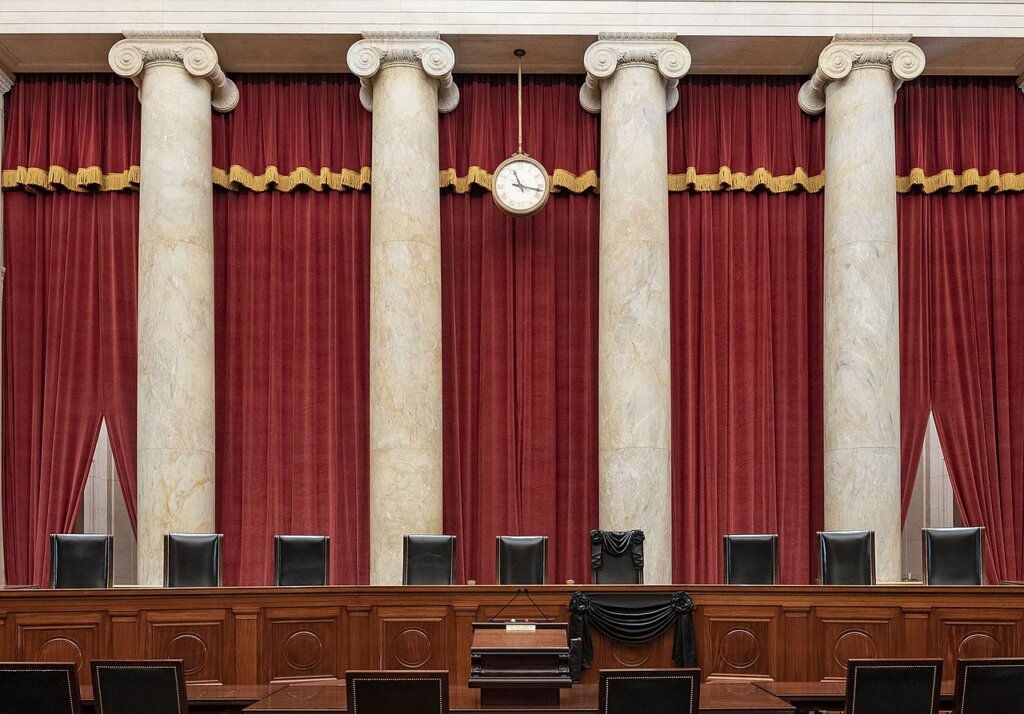
The fight is closely tied to shifting legal standards at the U.S. Supreme Court, which in recent years has taken a more religion-friendly approach. Supporters of the laws argue that newer rulings open the door for these displays, while opponents say long-standing precedent still clearly prohibits them.
A Long Legal History Behind The Debate
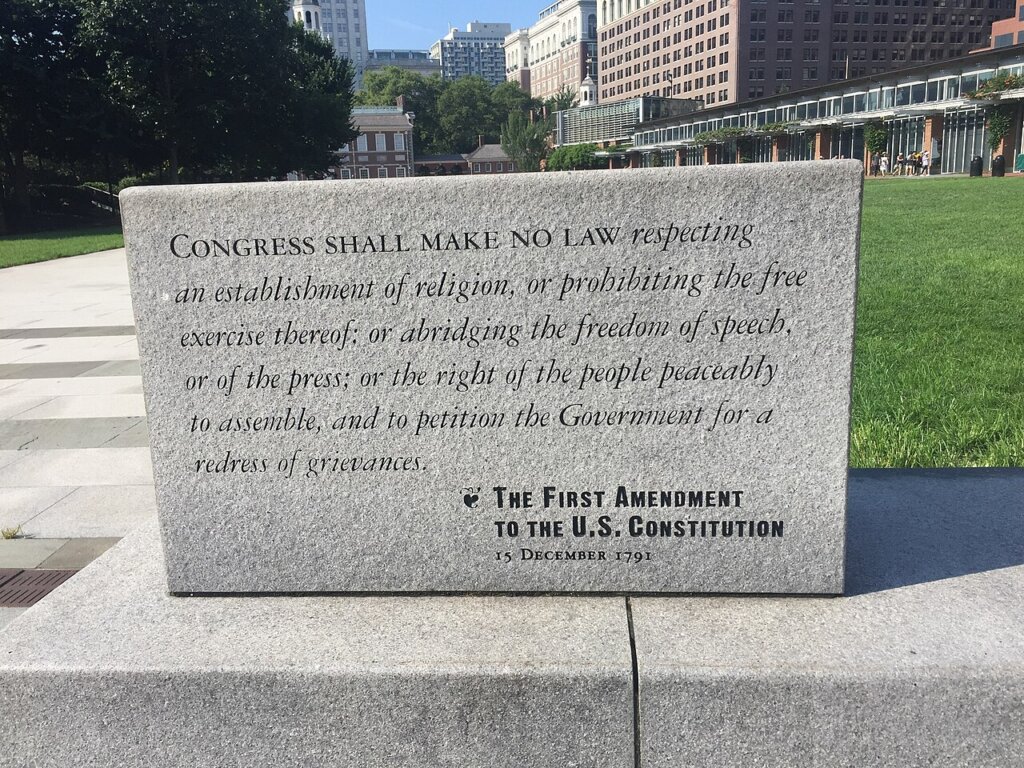
This issue is not new, as the Supreme Court ruled in 1980 that posting the Ten Commandments in classrooms violates the First Amendment. The court found such displays to be inherently religious, a precedent that still shapes today’s legal challenges even as new arguments attempt to revisit it.
Supporters Say It Is About History
Backers of these laws argue the Ten Commandments are not just religious text but part of the historical foundation of American law. During legislative debates, some lawmakers pointed to their influence on legal systems and cultural traditions as justification for classroom displays.
Critics Say It Crosses A Constitutional Line

Opponents argue the mandates blur the line between church and state and risk promoting one religion over others. Legal groups and advocates warn that requiring the displays could make students of different faiths feel excluded and undermine religious freedom protections.
Classrooms Are Already Feeling The Impact

The debate is not just happening in courts and legislatures but inside schools themselves, where teachers and administrators are grappling with how to respond. Some educators have raised concerns, and in certain cases, teachers have even resigned rather than comply with the requirements.
What Happens Next Could Reshape The Issue

With multiple lawsuits moving through the courts and conflicting rulings emerging, the issue appears headed for a larger national decision. How judges ultimately balance religious expression with constitutional limits could redefine the role of religion in public education for years to come.