

Products are selected by our editors, we may earn commission from links on this page.
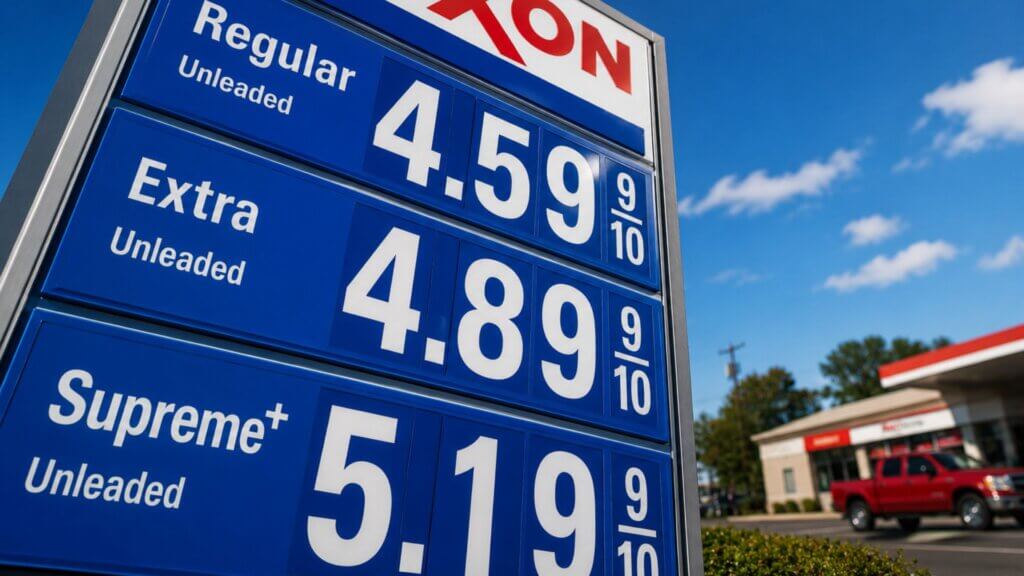
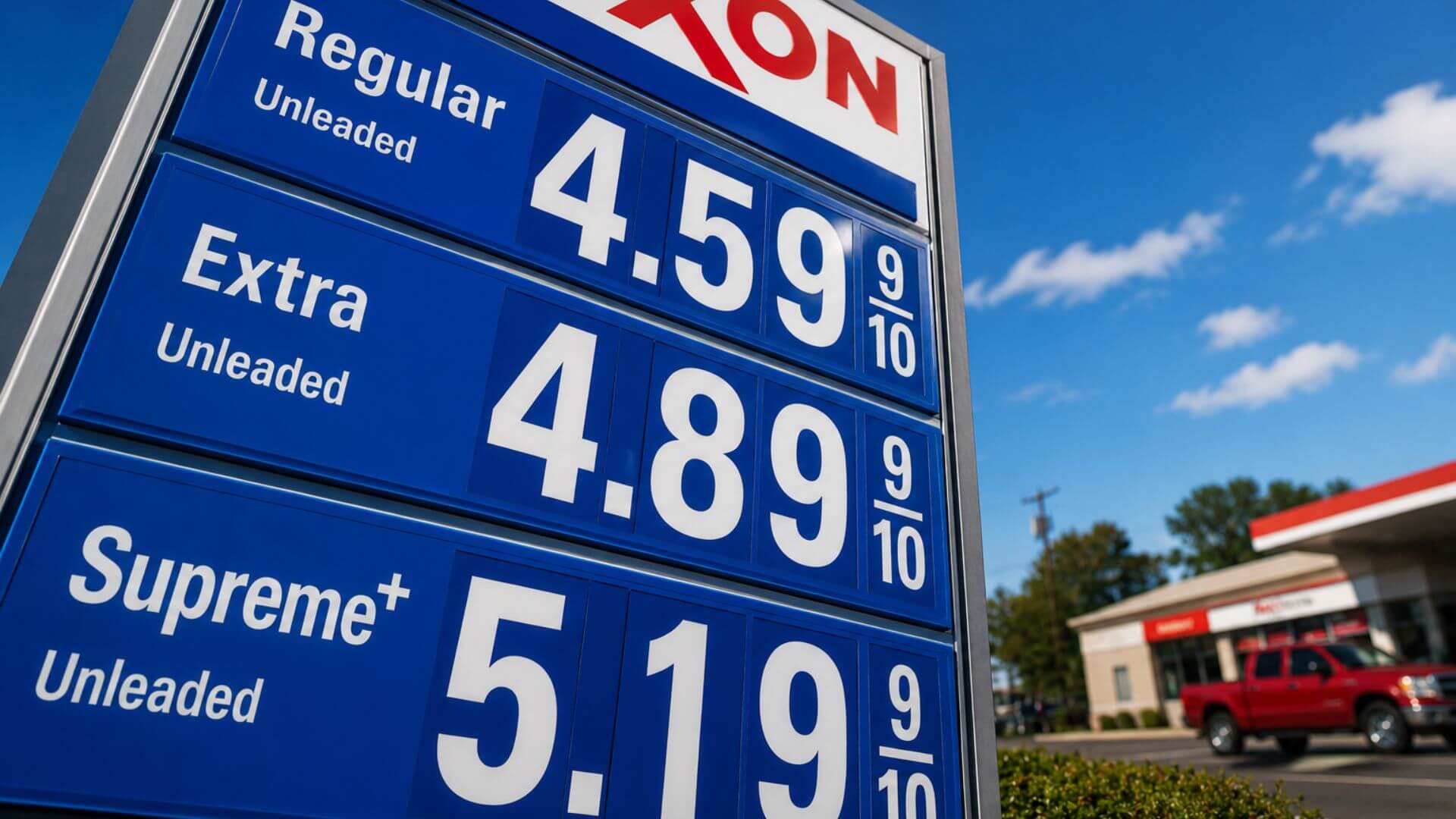
Gas at nearly $4.50 a gallon. Oil futures pushing past $100 a barrel. A critical waterway in the Middle East under fire. Americans filling up their tanks are paying a price for a war most of them are watching from thousands of miles away. Now, Treasury Secretary Scott Bessent is stepping forward with a promise: relief is coming, and it is coming soon.
The average price of a gallon of regular gas in the United States hit $4.46 on Monday, according to AAA, up sharply from $3.17 at the same point last year. The jump traces directly to the conflict in Iran and its grip on one of the world’s most critical oil passages. For millions of American drivers, the number on the pump has become a daily reminder that geopolitics is not abstract. It hits the wallet every time they stop for fuel, and the pain has been building for months.
The man at the center of Washington’s response is Bessent, who went on Fox News Monday to deliver a message of reassurance. “Help is on the way,” he told viewers, pointing to a military operation called “Project Freedom,” designed to escort commercial vessels through the Strait of Hormuz, as the key to unlocking a flood of oil currently bottlenecked in the region. His argument: once those tankers move, supply will surge, and prices will fall. But the forces blocking that outcome are more complicated than a single announcement can fix.
This article was created with the assistance of AI and reviewed by our editorial team for accuracy and clarity.
One Strait, the World’s Oil Supply, and a Chokehold That Is Costing Everyone
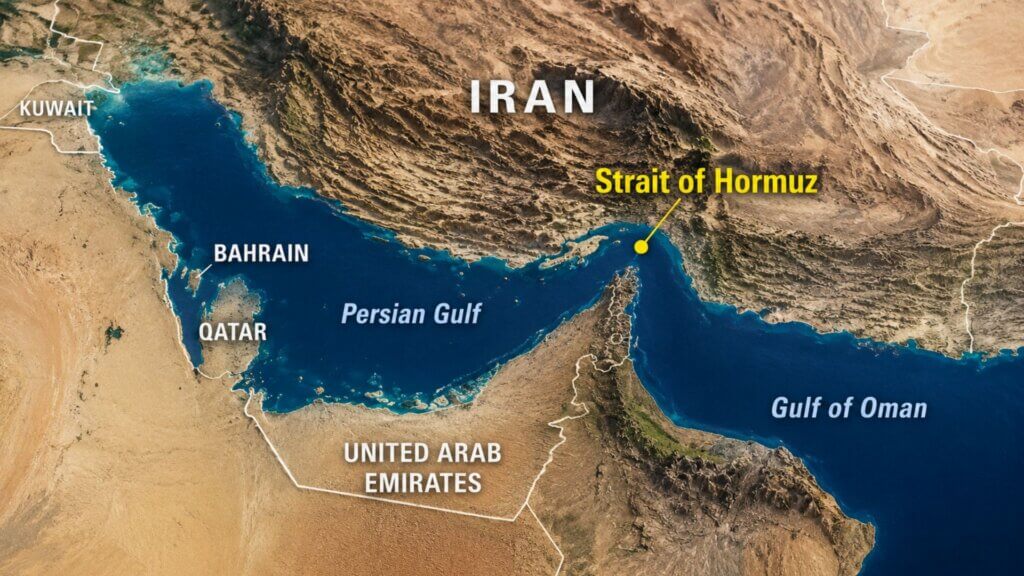
The Strait of Hormuz is a narrow waterway running between Iran and Oman, and under normal conditions, more than 20% of the world’s oil supplies transit through it every single day. Since the U.S.-Israeli conflict with Iran began in late February, that flow has been throttled to almost nothing. The result is a global oil shortage that has sent prices climbing, rattled stock markets, and pushed inflation higher at a moment when central banks were already under pressure.
Iran’s military has effectively closed the strait, causing a spike in fuel prices in the United States and around the world. Bessent described the scale of the shortfall on Fox News, saying the market is currently short between 8 million and 10 million barrels of oil per day because of the blockage. To put that in context: a single large tanker carries roughly 2 million barrels. Hundreds of fully loaded ships are now sitting idle, unable to move, while prices on land climb higher with each passing day.
Before the war, roughly 150 ships would cross the strait on a regular day. On Monday, just four ships in total made the crossing. The gap between those two numbers tells the story of the crisis better than any price chart. And while Washington is promising a fix, the shipping companies that actually move this oil are waiting for something more concrete before they send their vessels back into waters where Iranian forces have already opened fire.
“Project Freedom” Is Launched, but the Market Is Not Convinced
Trump’s administration announced it had successfully guided two U.S. vessels out of the strait on Monday, framing the operation as a breakthrough. But energy prices did not fall. Instead, oil futures climbed higher above $100 a barrel, and gasoline futures jumped too, signaling that pain at the pump could worsen before it improves. The market’s response was a clear signal that Wall Street and the shipping industry are not yet reading the situation the way Washington is.
Eurasia Group, a leading consulting firm, warned that unless there is meaningful participation from Iran or a major naval deployment, Project Freedom will fail. The firm stated flatly that the plan will not substantially raise shipping volume through the strait in the near term. The CEO of ship manager Anglo-Eastern echoed that view, noting it takes both sides to unblock a waterway. Iran has so far shown no sign of standing down, and has continued to fire on vessels in the region.
Major shipping companies, including Hapag-Lloyd, told reporters that their risk assessment had not changed and the strait remained closed to their vessels. Berkshire Hathaway, one of the world’s largest insurers, confirmed it had yet to write a single policy under a U.S. government program designed to cover ships operating near the strait, because it was still considered too dangerous. Without insurance, no commercial operator will risk sending a vessel through. The math of Project Freedom, however optimistic, runs into that wall.
Promises, Deadlines, and the Long Road Back to $3 Gas
Bessent has been here before. He and other administration officials have promised economic relief from the war since it began, but have regularly pushed back their deadlines. On Monday, he described the current price spike as “a short-term blip” and said the crisis would resolve itself within weeks or a month. He pointed to strong corporate earnings and low unemployment as proof the broader economy remains healthy, even as drivers in parts of California were paying more than $7 a gallon.
At a White House briefing weeks earlier, Bessent had told reporters he was optimistic that $3 gas could return sometime between June 20 and September 20, depending on how negotiations to reopen the strait unfold. He cited meetings with Middle Eastern finance ministers who said production could resume within one week of the waterway reopening. The UAE’s decision to leave OPEC and increase output independently adds another potential piece to the supply puzzle. But all of it depends on a diplomatic or military breakthrough that has so far proven elusive.
ING Head of Commodities Strategy Warren Patterson captured where the market actually stands: “The lack of progress means the market is tightening every day, requiring oil prices to reprice at higher levels.” Oil analysts estimate it could take up to three months after the strait fully reopens before prices meaningfully recover. Bessent’s promise of relief is real in intention. Whether it arrives on the timeline Washington is selling is a question that no press conference can answer, and one that every American driver will feel long before any official declaration of victory.