

Products are selected by our editors, we may earn commission from links on this page.
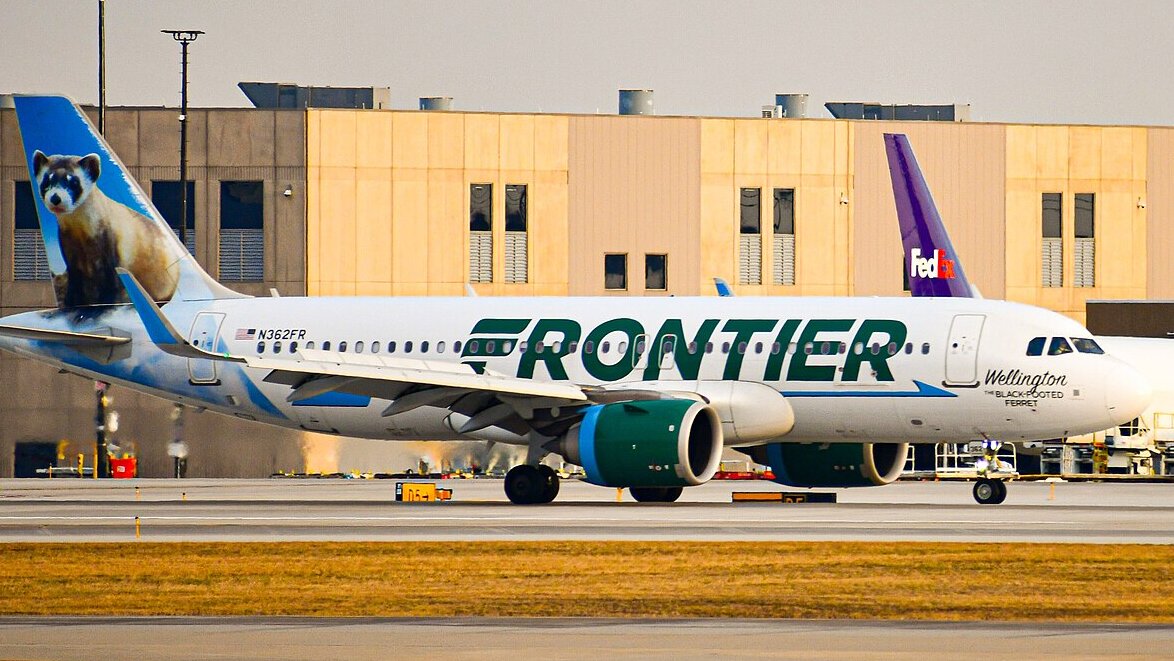
Budget airlines across the U.S. are warning that soaring fuel costs are pushing them to the brink, prompting a request for $2.5 billion in federal aid. The proposal comes as smaller carriers struggle to absorb rapidly rising expenses that threaten both their survival and the affordability of air travel.
A $2.5 Billion Lifeline Proposal
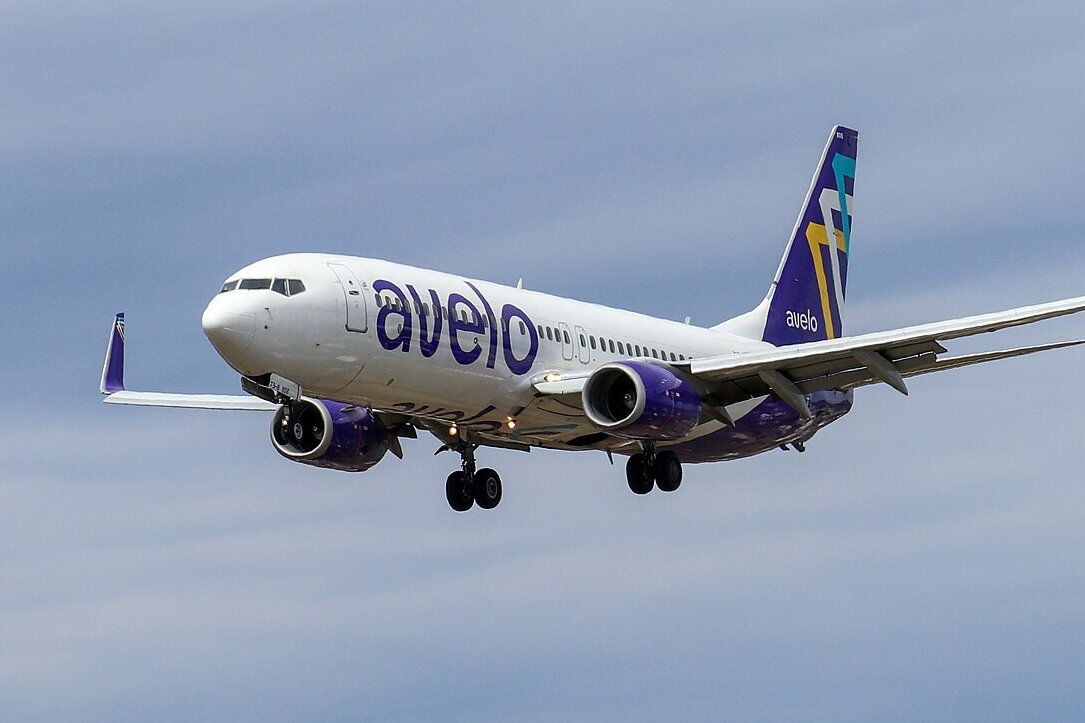
A group of low-cost carriers, including Frontier and Avelo, has proposed a relief package that would provide $2.5 billion in government support in exchange for warrants that could later convert into equity stakes. The plan was discussed with federal officials as airlines look for immediate financial relief.
Why Fuel Costs Are Surging
The pressure stems from a sharp spike in jet fuel prices linked to the ongoing conflict in the Middle East. Prices have nearly doubled in recent months, creating what energy experts describe as an “unprecedented” crisis in global fuel supply.
The Real Threat: Supply, Not Just Price
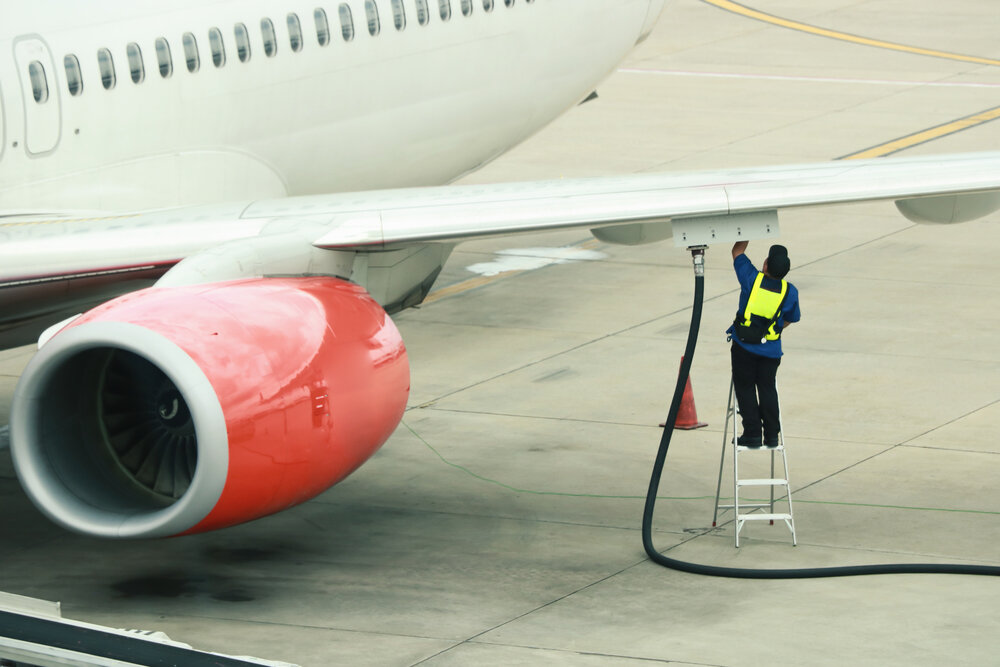
For airlines, the issue is not only how expensive fuel has become but whether it will be available at all. Experts warn that supply disruptions could lead to flight cuts and operational chaos, with some regions already facing shortages that could force airlines to ground planes.
Why Budget Airlines Are Hit Hardest
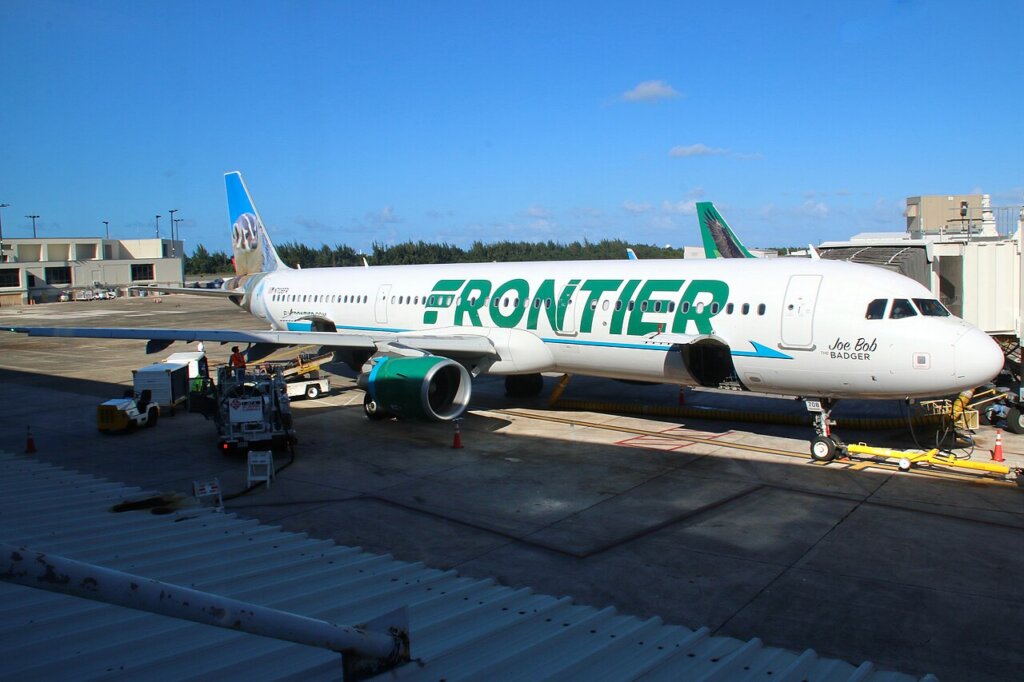
Low-cost carriers say they are especially vulnerable because they operate on thinner margins and rely heavily on keeping fares low. The Association of Value Airlines warned that smaller carriers are “disproportionately impacted” by rising fuel costs compared to larger competitors.
What Airlines Want From Washington
In addition to direct financial aid, airlines are pushing for temporary tax relief, including suspending federal ticket taxes to offset rising costs. Industry leaders say these measures are meant to stabilize operations during what they describe as extraordinary conditions.
A Familiar Playbook From the Pandemic
Airlines point to COVID-19-era relief as a precedent, when the federal government provided $54 billion in support to prevent layoffs and industry collapse. The current proposal follows a similar structure, offering government stakes in exchange for financial backing.
What It Means for Travelers
Without relief, airlines warn that higher fuel costs will continue to show up in ticket prices. That could mean more expensive flights, added fees, and fewer low-cost options, especially on routes typically served by budget carriers.
Signs of Strain Are Already Showing

The impact is already visible across the industry. Airlines are raising fares, adding fuel surcharges, and in some cases cutting flights or reducing capacity. Experts warn that if fuel shortages worsen, cancellations and staffing cuts could follow.
What Happens Next
The proposal is still under discussion, with no guarantee of approval. But as fuel costs remain volatile and pressure builds, the outcome could shape not only the future of budget airlines but also how affordable air travel remains for millions of passengers.