

Products are selected by our editors, we may earn commission from links on this page.
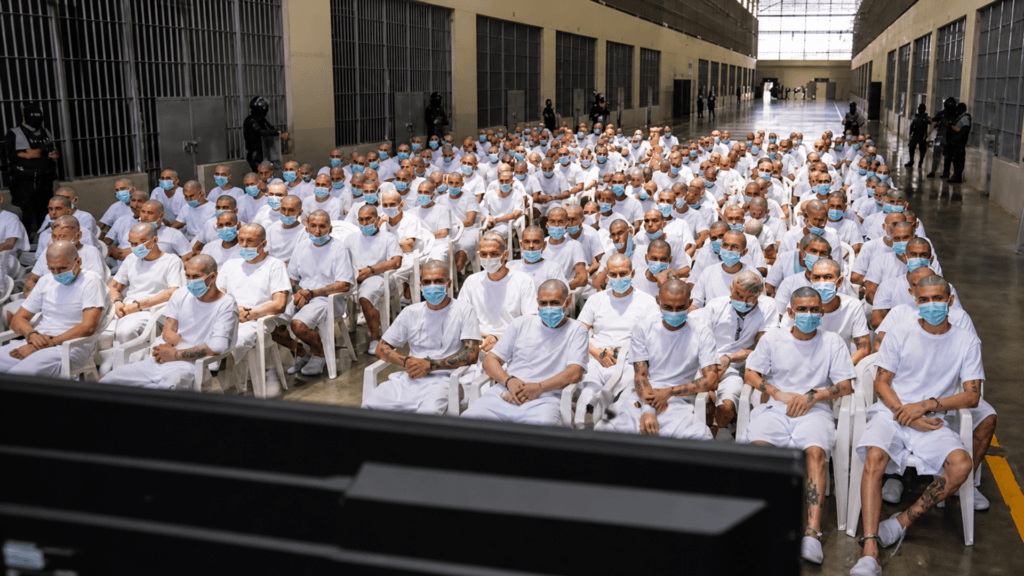
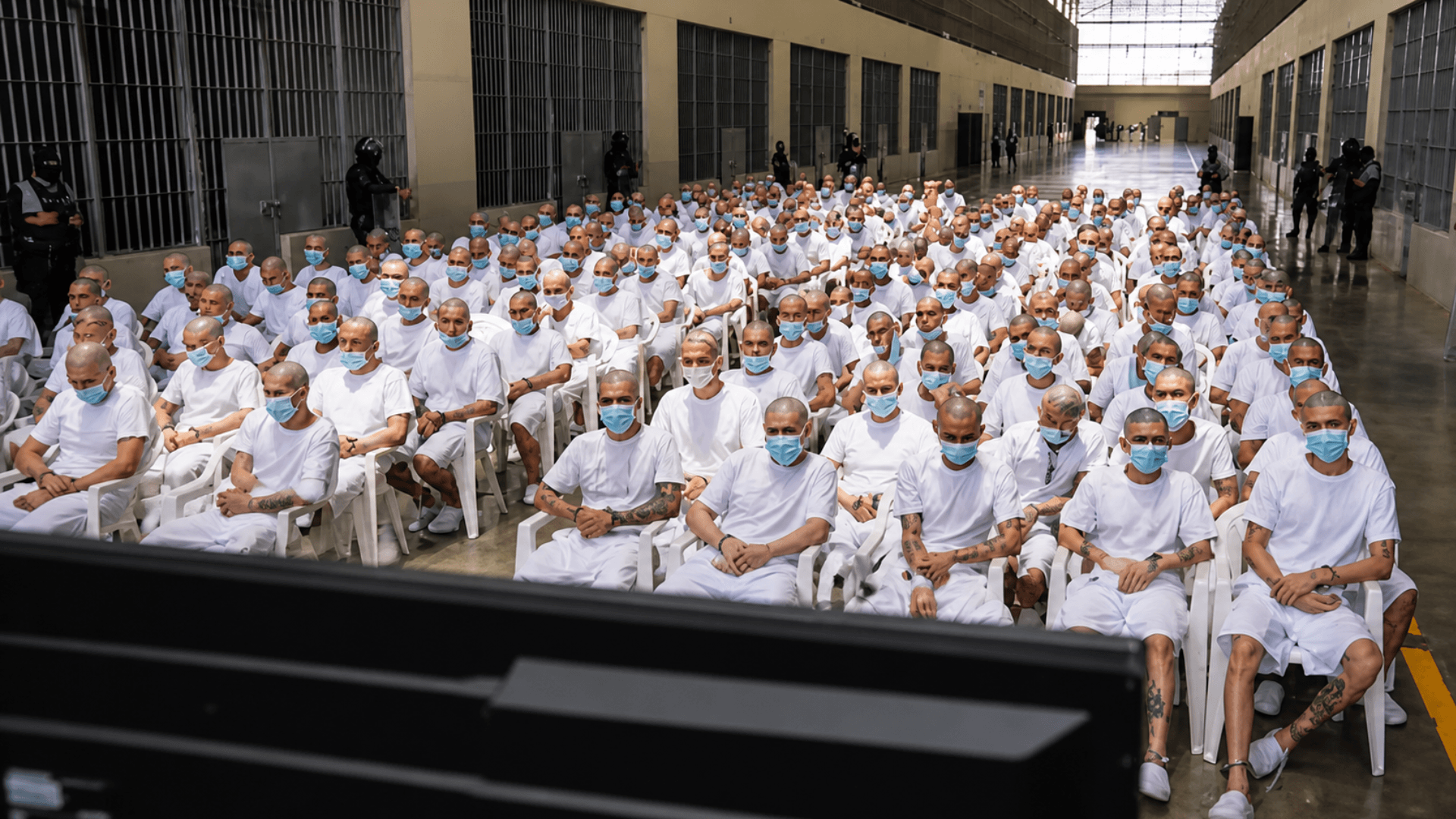
A courtroom in El Salvador now holds nearly 500 alleged gang leaders, each tied to a staggering web of violence. Authorities say the 486 defendants, linked to MS-13, face accusations tied to more than 47,000 crimes over a decade. The scale alone signals a turning point in the country’s aggressive anti-gang campaign, raising urgent questions about justice, power, and what comes next in this high-stakes legal battle.
The charges stretch from 2012 to 2022 and include murder, extortion, arms trafficking, and disappearances, according to the BBC. Prosecutors argue the group operated as a coordinated criminal network that controlled territories and spread fear across communities. Officials say the goal is to impose maximum penalties, but the complexity of trying hundreds at once hints at a process that could reshape how justice is delivered in the country.
This mass trial did not emerge in isolation. It follows a surge of violence in March 2022, when 87 people were killed in a single weekend, prompting President Nayib Bukele to declare a nationwide “war on gangs.” That decision triggered sweeping arrests and emergency powers, setting the stage for a legal strategy that now places hundreds of alleged leaders on trial at once.
Inside the Charges and the Scale of Alleged Crimes

Prosecutors describe MS-13 as more than a street gang, portraying it as a structured organization that sought to maintain territorial control and influence daily life. According to the attorney general’s office, the group even attempted to create a parallel system of authority in some areas. These claims form the backbone of the case, suggesting that the trial is not just about individual crimes but about dismantling an entire network.
Among the accused are individuals allegedly involved in orchestrating killings, coordinating extortion schemes, and managing drug operations. Authorities also cite crimes such as femicide and enforced disappearances, which they say deeply affected families and communities. By grouping these cases together, prosecutors aim to show patterns of organized behavior, though critics question whether such a broad approach risks overlooking individual accountability.
Out of the 486 defendants, more than 400 are already in custody, while others are being tried in absentia, according to Reuters. Law enforcement agencies say years of surveillance and intelligence gathering allowed them to document the group’s activities. Still, the decision to prosecute so many people simultaneously highlights both the ambition and the risks of this unprecedented legal move.
A Legal Strategy That Divides Opinion

El Salvador’s ability to hold a mass trial stems from legal reforms introduced during the ongoing state of emergency. These changes allow courts to process large groups of defendants together, a shift designed to handle the surge of arrests since 2022. Supporters argue it speeds up justice, but legal experts warn it may strain due process protections and complicate fair evaluations of each case.
Human rights organizations have raised concerns about arbitrary detentions and limited access to legal defense under emergency measures, as noted by Human Rights Watch. They argue that the scale of arrests, combined with mass trials, could lead to wrongful convictions. Government officials reject these claims, insisting that the evidence is strong and that the measures are necessary to restore public safety.
For many Salvadorans, the crackdown has brought a noticeable drop in violence, which has strengthened public support for the government’s approach. Streets once dominated by gangs are now more accessible, and businesses report improved conditions. Yet this sense of security comes with a trade-off, as the country navigates the tension between rapid enforcement and the long-term integrity of its justice system.
What This Trial Means for El Salvador’s Future

This trial represents one of the most ambitious attempts to dismantle gang leadership in modern history. If successful, it could weaken MS-13’s command structure and disrupt its operations across Central America. Officials hope it will send a clear message that large-scale organized crime will face equally large-scale consequences, reshaping how the state confronts entrenched criminal networks.
However, the outcome could also set a powerful precedent. Legal analysts say the use of mass trials may influence how future cases are handled, both in El Salvador and beyond. Whether this approach becomes a model or a cautionary tale will depend on how the courts balance efficiency with fairness, especially as international attention continues to grow around the proceedings.
As the hearings unfold, one question lingers: can a single trial truly deliver justice for tens of thousands of alleged crimes? The answer may define not only the fate of the accused but also the direction of El Salvador’s legal system. What happens next will shape how the country measures justice, security, and accountability in the years ahead.