

Products are selected by our editors, we may earn commission from links on this page.
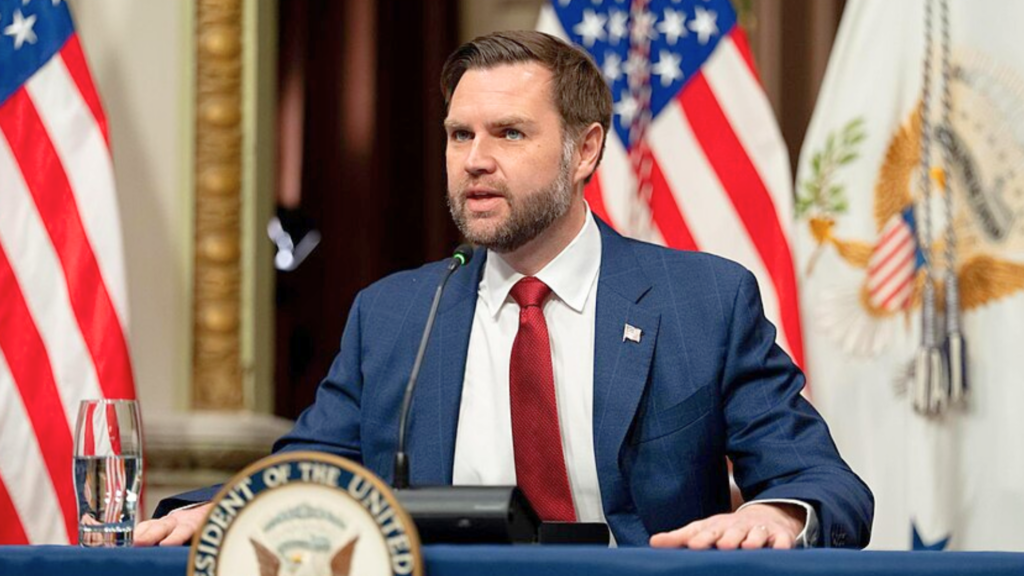
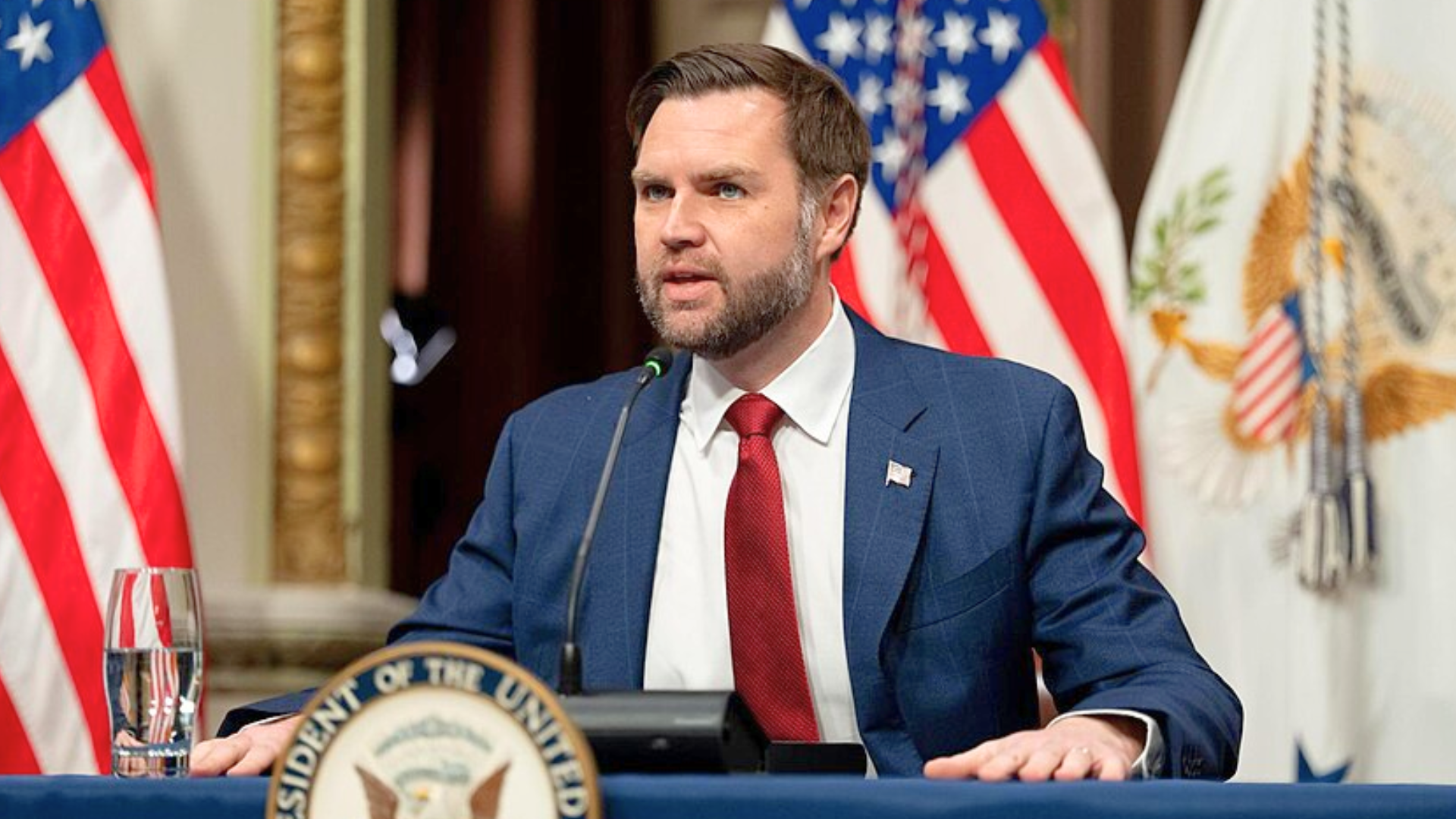
Vice President JD Vance announced that the federal government will defer $1.3 billion in Medicaid payments to California over concerns of potential fraud in the state’s healthcare system. The decision is part of a broader Trump administration initiative aimed at cracking down on alleged misuse of public healthcare funds. Officials say the move is intended to pressure states to strengthen fraud prevention and oversight systems.
The announcement was made alongside new federal actions targeting Medicaid and Medicare programs nationwide, including increased audits and stricter provider enrollment rules. Administration officials argue that suspicious billing patterns and high-cost provider clusters justify stronger intervention. California has disputed the allegations, saying the spending reflects efforts to improve access to care for vulnerable populations.
Healthcare policy experts note that Medicaid fraud enforcement has become a central focus of federal oversight efforts in recent years. They also warn that broad funding restrictions can have ripple effects on legitimate healthcare providers and patients who rely on consistent coverage.
Federal Crackdown Targets Fraud in Medicaid System

The $1.3 billion deferral is part of a wider anti-fraud campaign led by the administration’s Medicaid oversight task force. Officials have also implemented a six-month moratorium on new Medicare enrollments for certain providers, including hospice and home health agencies. These actions are intended to identify and prevent fraudulent billing before payments are fully disbursed.
Federal authorities claim that some regions have shown unusually high concentrations of providers and billing activity, raising red flags for investigators. In response, the Centers for Medicare and Medicaid Services (CMS) has increased audits and expanded data analysis tools to detect irregular claims. Supporters of the policy argue these measures are necessary to protect taxpayer dollars and ensure program integrity.
Critics, however, say that aggressive enforcement risks sweeping up legitimate providers and disrupting access to care. Some state officials argue that rapid policy shifts and payment freezes could strain hospitals and healthcare networks already under financial pressure.
Political and State-Level Tensions Grow
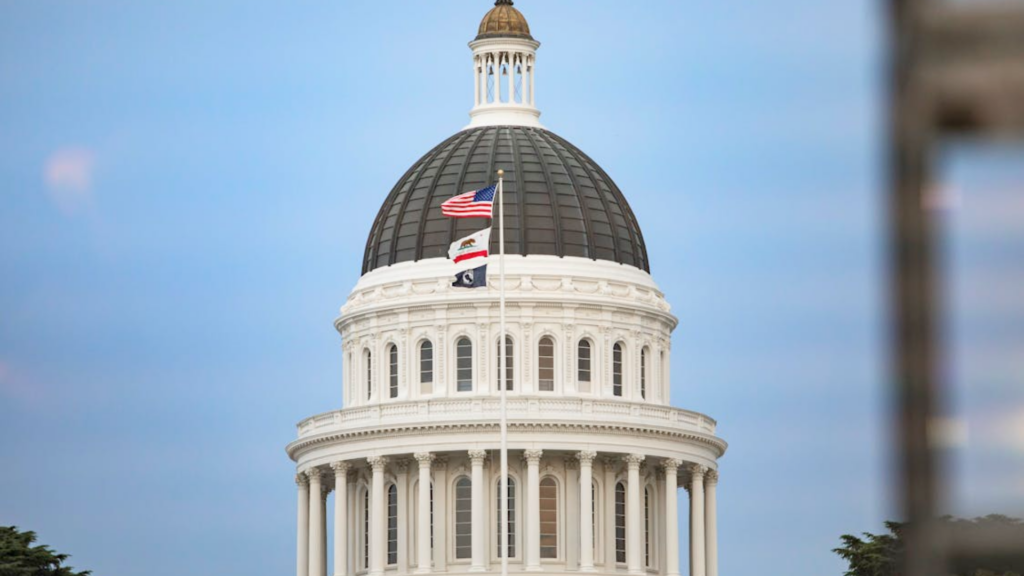
The decision has intensified tensions between federal officials and California leaders, who reject claims of widespread fraud. State representatives argue that Medicaid spending increases are tied to expanded services and efforts to reduce more expensive hospital care. They maintain that the federal deferral unfairly targets their healthcare system without sufficient evidence.
Federal officials, meanwhile, have warned that other states could face similar scrutiny if they fail to demonstrate stronger fraud prevention efforts. The administration has also sent notices to all states requiring updated compliance strategies for Medicaid fraud control units. This signals a broader nationwide enforcement push beyond California alone.
Analysts say the dispute reflects a larger political debate over how aggressively the federal government should intervene in state-run healthcare programs. The outcome could shape future funding relationships between Washington and state Medicaid systems.
Medicaid Funding Decision Highlights Expanding Federal Oversight

The decision to defer $1.3 billion in Medicaid payments to California highlights the federal government’s growing focus on fraud prevention in public healthcare programs. Officials argue that stronger oversight is necessary to protect taxpayer funds and maintain system integrity. However, the move has sparked significant disagreement over whether enforcement actions are being applied fairly and effectively.
California officials maintain that their Medicaid spending reflects expanded healthcare access rather than fraudulent activity. Federal authorities insist that irregular billing patterns justify closer scrutiny and corrective measures. The disagreement underscores the ongoing tension between state healthcare management and federal oversight.
Ultimately, the action raises broader questions about how to balance fraud prevention with ensuring uninterrupted healthcare access for millions of beneficiaries.