

Products are selected by our editors, we may earn commission from links on this page.
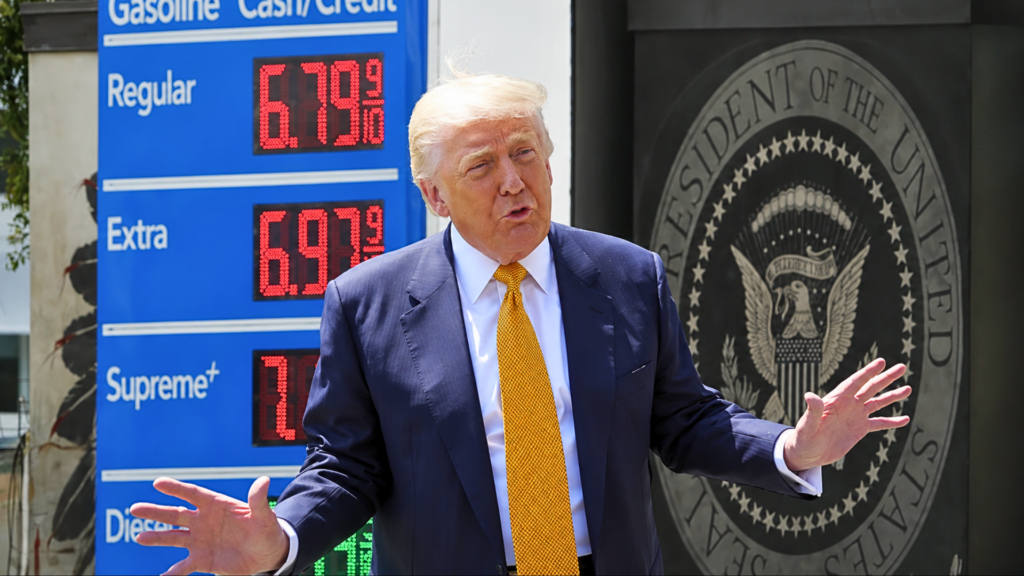
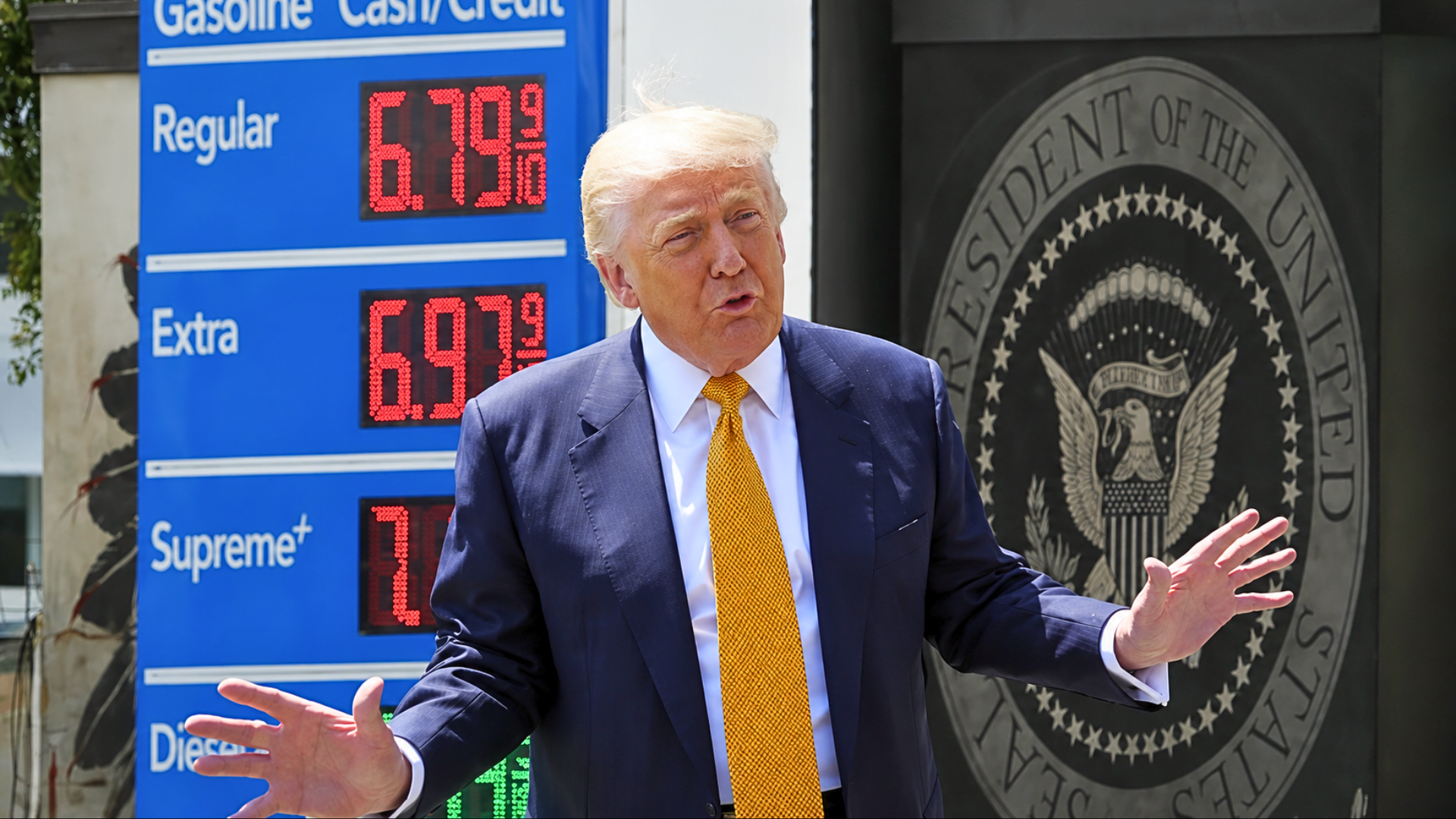
Can a president focus so intensely on global security that the economic survival of everyday citizens becomes secondary? President Donald Trump ignited a swift wave of domestic backlash after bluntly stating that he does not consider the financial struggles of individual Americans when managing foreign policy. The highly controversial remark was delivered just as official government figures revealed that domestic consumer inflation has aggressively surged to a three-year high, intensifying the financial strain on households nationwide.
The political firestorm unfolded as Trump was in Beijing for high-stakes talks with Chinese President Xi Jinping. When a reporter directly asked him about the mounting economic pressures on U.S. households and how they are tied to his administration’s conflict with Iran, Trump answered, “The only thing that matters when I’m talking about Iran [is that] they can’t have a nuclear weapon.” He followed up by saying, “I don’t think about Americans’ financial situation, I don’t think about anybody, I think about one thing: we cannot let Iran have a nuclear weapon. That’s all. That’s the only thing that motivates me.”
The administration’s explicit messaging has drawn sharp condemnation from congressional opponents, who argue that the comments show a disconnect from the immediate economic realities facing working-class families. White House officials quickly moved to contextualize the president’s remarks, stating that his primary constitutional responsibility is ensuring national security and preventing nuclear proliferation. However, the optics of dismissing household balance sheets at a time of escalating cost-of-living increases have provided his political critics with potent ammunition.
Energy Spikes Drive Consumer Prices to a Three-Year Peak

The timing of the president’s blunt remarks could not have been more challenging for his economic team. Hours earlier, the Bureau of Labor Statistics released its Consumer Price Index report, which showed that annual inflation accelerated from 3.3 percent to 3.8 percent in April 2026. The sharp uptick outpaced the median forecasts of Wall Street analysts, marking the highest annual inflation rate recorded in the United States since May 2023 and indicating that price pressures are becoming increasingly embedded in the economy.
The primary catalyst behind the sudden spike is a massive surge in energy costs linked directly to the war in Iran. Since the outbreak of hostilities in early spring, which resulted in the closure of the strategic Strait of Hormuz and cut off a fifth of global oil and gas exports, domestic energy commodities have skyrocketed. In April alone, overall energy prices climbed by 3.8 percent, bringing the annual increase to a staggering 28.4 percent for gasoline prices at the pump.
For everyday American motorists, this global disruption has translated into a severe shock, with national average gasoline prices surging to $4.50 a gallon, according to AAA data. The inflationary ripple effect has also breached core consumer metrics, which strip out volatile food and energy costs. Core inflation unexpectedly ticked up from 2.6 percent to 2.8 percent, signaling that supply chain disruptions and transportation costs are broadening across various sectors of the domestic market.
Rising Costs Outpace Domestic Wage Growth

The sudden inflationary spike has officially broken a critical economic threshold for American workers. For the first time in three years, consumer price increases are officially outpacing domestic wage growth. While average hourly earnings rose by a steady 3.6 percent in the year through April, the 3.8 percent headline inflation rate means that real purchasing power for the average household is actively contracting, forcing families to spend more just to sustain basic standards of living.
The detailed government data showed that everyday expenses are accelerating across the board, leaving consumers with few options to adjust their budgets. Over the past twelve months, the cost of fresh fruits and vegetables has jumped by 6.1 percent, while non-alcoholic beverages have climbed by 5.1 percent. Beyond the grocery aisle, American families are facing sharp increases in airfares (up 20.7 percent), household furnishings, education, and personal care services, compounding the daily financial pressure.
This widening gap between income and expenses has severely impacted the administration’s public standing. According to recent polling, public approval for the administration’s handling of inflation and the cost of living has dropped significantly, with 58 percent of voters expressing disapproval. The data suggests that public patience with foreign military campaigns is thinning as the localized economic fallout becomes more severe.
Market Slump and Federal Reserve Pressures
The hotter-than-expected inflation data immediately sent shockwaves through the financial sector, disrupting Wall Street’s momentum. Major stock indexes slumped heavily following the release, with the benchmark S&P 500 dropping 0.75 percent in early trading after hitting an all-time record high the previous day, while the tech-heavy Nasdaq Composite plunged by 1.33 percent. Investors interpreted the sticky consumer data as a clear sign that corporate borrowing costs will remain high for the foreseeable future.
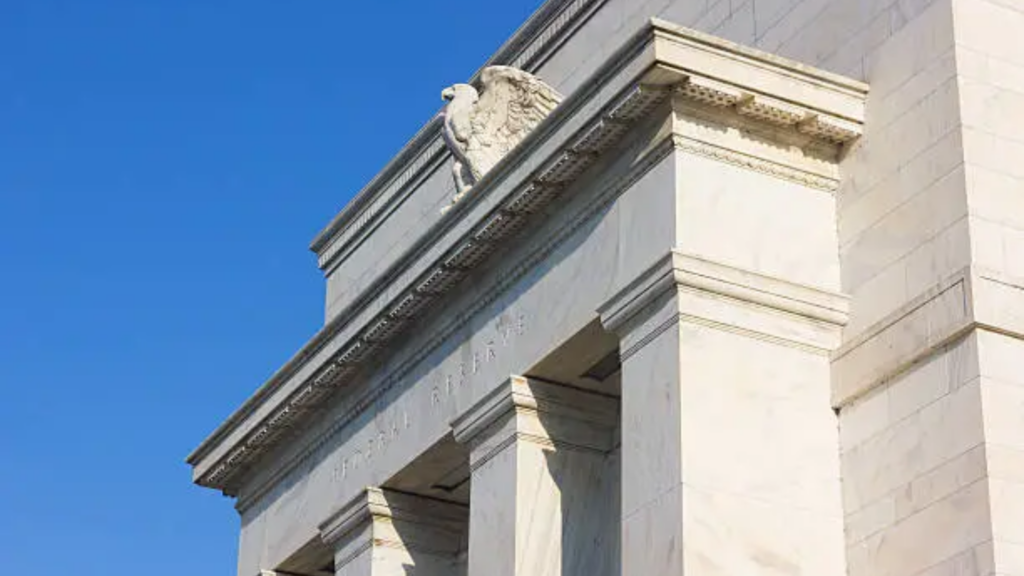
Financial analysts warn that the stubborn core inflation readings will likely force the Federal Reserve to delay any planned cuts to the benchmark interest rate. Market expectations have shifted rapidly, with economists suggesting that the central bank will maintain a policy of caution rather than implementing immediate monetary easing to cool the sticky price pressures spreading throughout the broader economy.
The developing crisis lands during a critical administrative transition at the nation’s central bank. The Senate is currently finalizing the confirmation process for Kevin Warsh, who is widely expected to succeed Jerome Powell as Federal Reserve Chairman. Trump has repeatedly clashed with Powell, publicly calling him a “moron” and a “numbskull” for refusing to aggressively lower interest rates, but the latest macro data suggests that the incoming leadership will have very little room to pivot toward monetary easing without risking a runaway wage-price spiral.