

Products are selected by our editors, we may earn commission from links on this page.
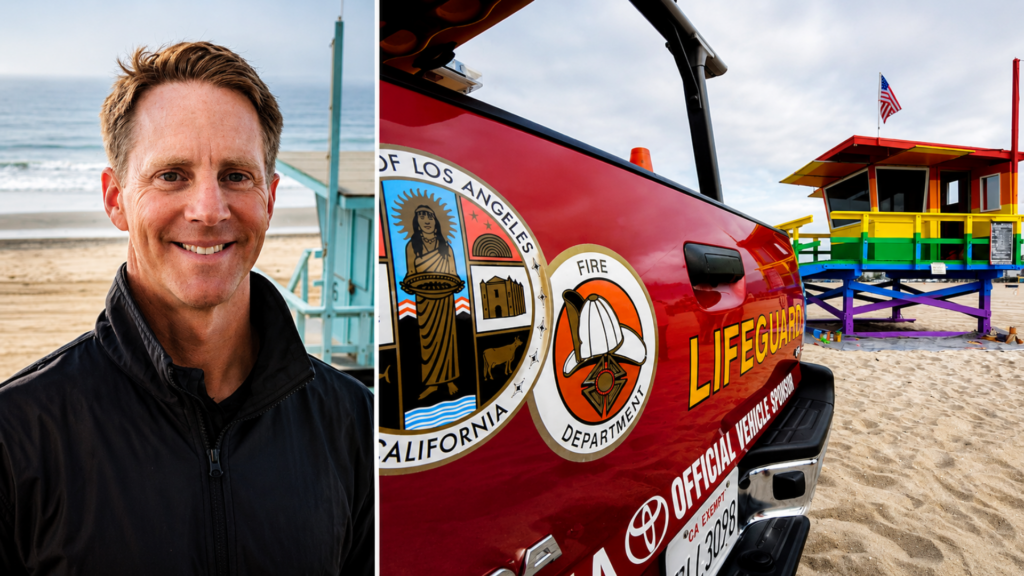
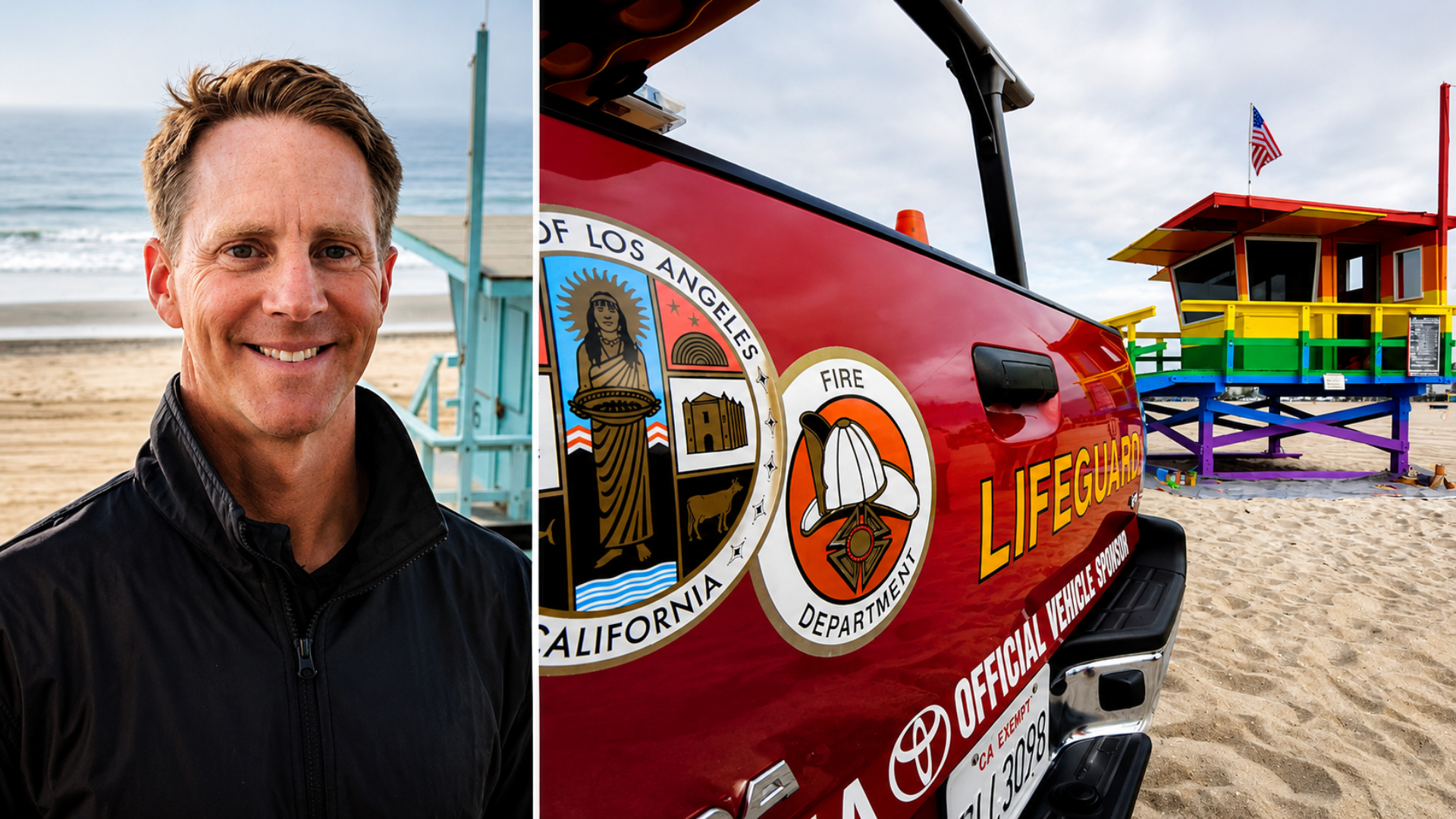
When Los Angeles County mandated that the Progress Pride flag be flown at all county facilities throughout June, veteran lifeguard Captain Jeffrey Little found himself at a profound crossroads. For more than 20 years, Little served honorably in the L.A. County Fire Department’s Lifeguard Division, but his devout Christian beliefs regarding marriage and sexuality directly conflicted with the new directive. This high-profile legal battle establishes a significant national precedent for American workers, testing the limits of government-mandated cultural speech versus individual religious liberties in the public sector.
This article was created with the assistance of AI and reviewed by our editorial team for accuracy and clarity.
The Abrupt Revocation of a Short-Lived Accommodation

Seeking to balance his job duties with his faith, Captain Little formally requested a religious accommodation that would exempt him from personally raising the flag or ordering his subordinates to do so. While Los Angeles County initially granted his request, officials abruptly revoked the accommodation just two days later. The sudden policy reversal set off a rapid escalation, transforming a standard administrative request into a contentious constitutional standoff over workplace rights.
Technical Variables and the Removal of the Flags
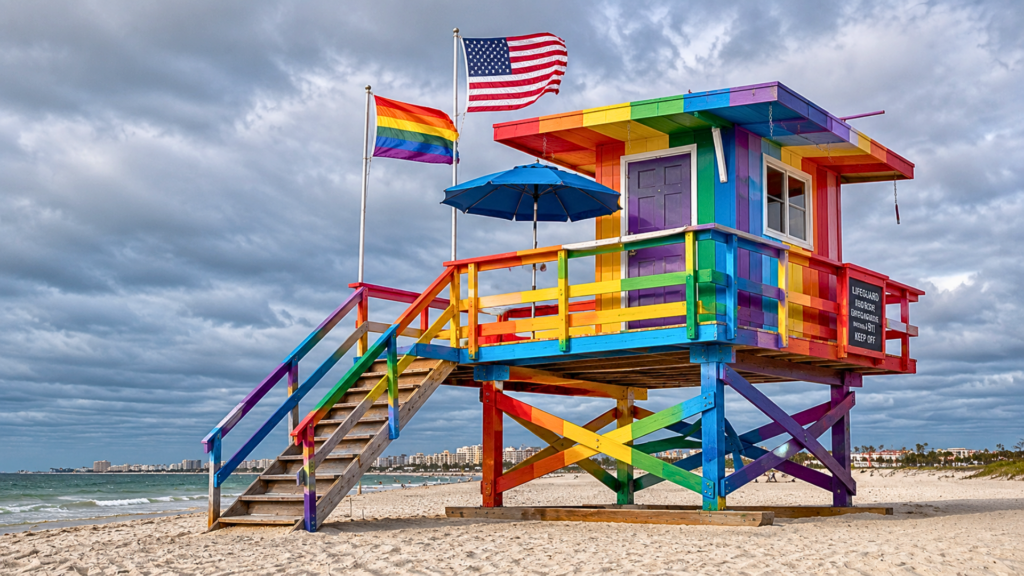
The dispute intensified when Captain Little removed several Pride flags from lifeguard stations, an action his legal team argues was rooted in a complex understanding of existing protocols. According to his attorneys, Little believed he was operating under his initial accommodation and noted that certain stations lacked the specific, authorized hardware required by the county’s own flag policies. Documentation reveals that other flags had previously been taken down across the division for these exact same technical deficiencies.
Administrative Retaliation and Severe Disciplinary Action
Los Angeles County’s institutional response was swift and punitive, placing the veteran captain under internal investigation and ultimately slapping him with a 15-day suspension without pay. The county firmly maintains that the disciplinary actions were not a attack on Little’s religious beliefs, but rather a direct consequence of unauthorized flag removal and explicit policy violations. In response, Little filed a federal lawsuit alleging systemic retaliation, harassment, and religious discrimination.
Localized Friction and Double Standards at the Beach
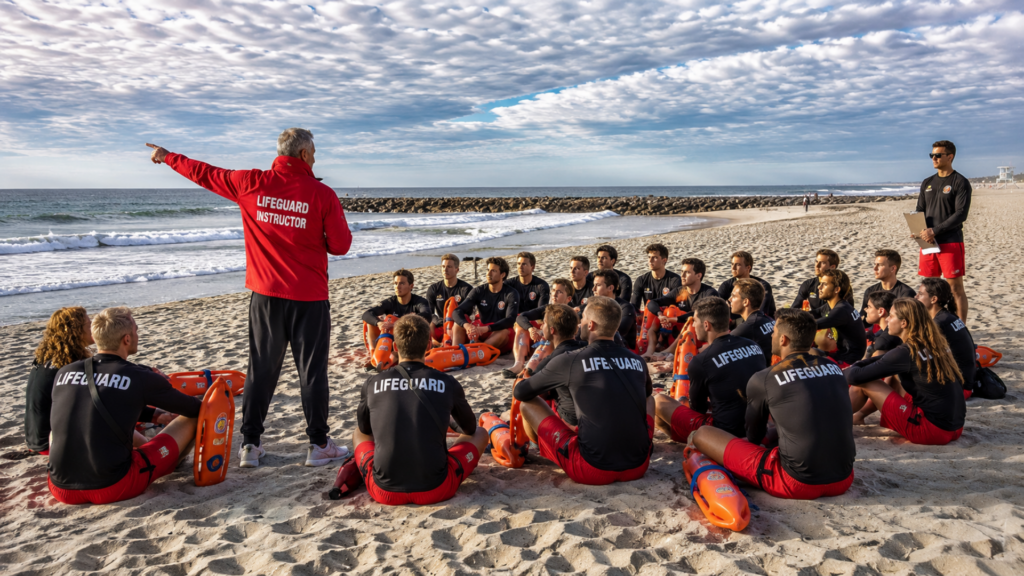
The ongoing fallout has exposed deep cultural friction within the Lifeguard Division, highlighting a stark discrepancy in how disciplinary measures were applied among the staff. Little’s legal counsel pointed out that while other lifeguards actively vandalized or desecrated the Progress Pride flags, they either escaped punishment entirely or received much shorter suspensions. Conversely, Little faced the brunt of administrative discipline despite proactively using proper official channels to seek a compromise.
Hostile Workplace Claims and Executive Friction

Adding to the structural complications of the lawsuit are allegations of direct hostility from top-tier department leadership. The legal filing claims that Lifeguard Division Chief Fernando Boiteux explicitly told Captain Little that his “religious beliefs don’t matter” during the dispute. While county representatives vehemently dispute that this exchange ever occurred, the allegation underscores the intense emotional and professional friction brewing beneath the surface of the regulatory crisis.
Seeking Permanent Safeguards and Personnel Adjustments

Captain Little’s legal objectives do not include overturning the county’s overarching Pride flag policy for all employees, but rather securing narrow, permanent structural adjustments for himself. The lawsuit demands a lasting religious accommodation that permanently shields him from participating in the flag-raising duties, alongside a financial request for damages. Crucially, the suit demands the complete expungement of the disciplinary findings from his official personnel record to restore his professional standing.
A Broader Trend of First Amendment Standoffs
This Southern California clash mirrors a broader, highly volatile nationwide pattern where public workers and government mandates collide over cultural symbols. Across the country, legal battles are erupting—such as Utah banning unapproved flags in public spaces or a Wisconsin ski park facing litigation for firing an employee over religious social media posts. These cases highlight a growing systemic struggle to balance institutional inclusivity initiatives with individual First Amendment protections.
The Legal Ultimate Stakes Defined by Council
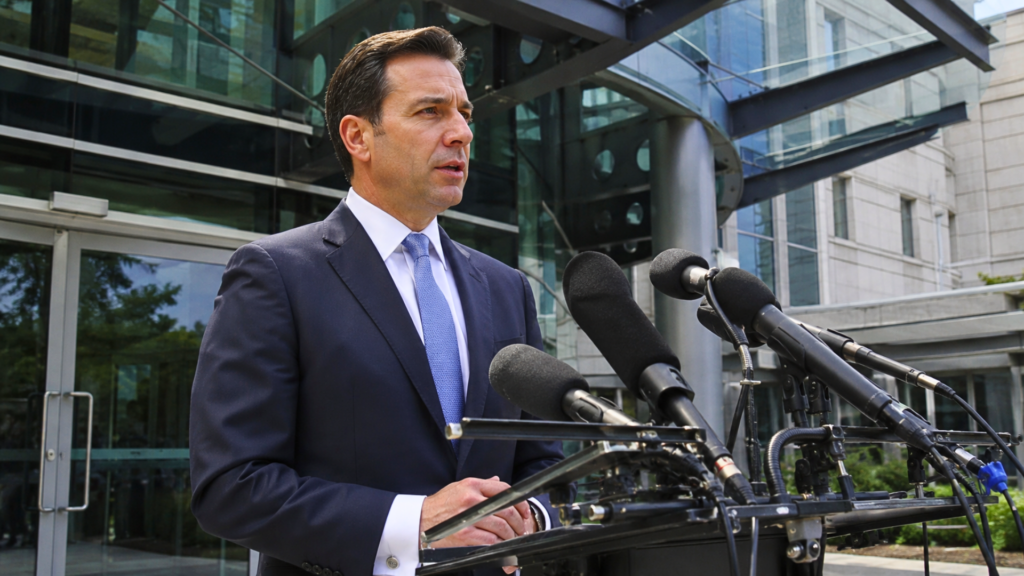
“At the end of the day, the law requires favored treatment for religious beliefs and the county’s message to him and to others like him that their religious beliefs don’t matter clearly is unconstitutional and discriminatory,” stated Paul Jonna, the Thomas More Society attorney representing Captain Jeffrey Little, summing up the high stakes of the upcoming trial.
A Federal Judge Clears the Way for Trial

The high-stakes legal showdown is officially heading to a courtroom trial following a pivotal federal hearing. The presiding federal judge issued a sealed ruling that partially granted and partially denied motions for summary judgment from both sides, determining that the core facts warrant a full trial. The final verdict will heavily influence the future of public governance, determining how far municipalities can go in enforcing cultural conformity before violating civil rights.