


Products are selected by our editors, we may earn commission from links on this page.

The terrifying sensation of standing at an airport international departure gate only to watch a customs officer permanently confiscate your primary identification document is a vulnerability that traveling citizens could feel and realize as localized financial obligations directly dictate freedom of movement. This immediate administrative friction became reality for an unnamed California business traveler who was recently barred from boarding a transatlantic commercial flight over legacy household obligations. Federal authorities have expanded their collection intervention, converting a domestic domestic dispute into an immediate international travel restriction.
The underlying institutional conflict intensified immediately after federal health administrators began sharing personal identity records directly with diplomatic screening systems. According to official administrative records published by the Congressional Research Service alongside investigative reporting logs from the Associated Press, Assistant Secretary of State for Consular Affairs Mora Namdar authorized an immediate data transmission agreement. Public representatives defend this synchronized bureaucratic intervention as an essential measure to enforce statutory financial accountability across state borders.
The immediate systemic reach of this fiscal enforcement initiative demands the immediate cancellation of exactly 2,700 active federal travel documents. This targeted population represents a group larger than the entire operational staff of the United States Supreme Court, representing an immediate real estate value of millions of dollars in disrupted international commerce. For an average family, this means that their routine summer vacations or necessary overseas employment contracts are permanently subjected to localized administrative penalties that remain completely unyielding.
When Automated Bureaucratic Reporting Intercepts National Travel Privileges Without Warning
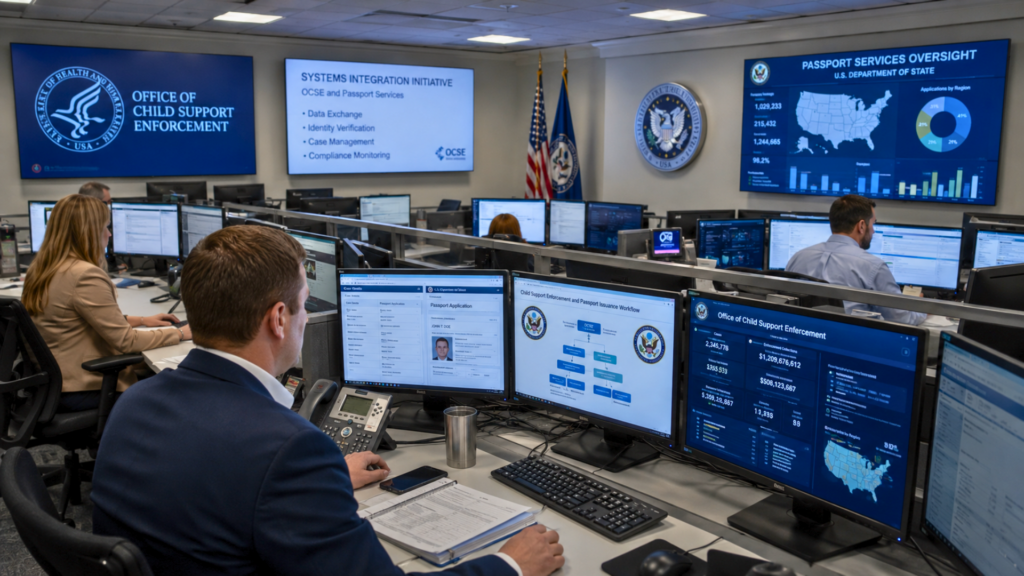
Corporate and government administrative data networks regularly prioritize rigid collection metrics over the explicit personal mobility rights of individual citizens. Under current statutory frameworks, when the federal government identifies a past due household balance exceeding 100,000 dollars, the targeted individual faces immediate passport cancellation. This financial trigger value represents an amount larger than the median annual pre tax income of an entire average American household, highlighting a massive expansion of automated domestic surveillance.
Diplomatic executives have publicly defended the aggressive structural enforcement, issuing formal declarations stating that the collection mechanism relies on historical statutory parameters enacted decades ago. Representatives from the Department of Health and Human Services confirm that their database updates now feed directly into the State Department’s tracking systems every single week. However, independent civil liberties advocates counter that the enterprise utilizes these integrated computer files to enforce severe domestic penalties without traditional judicial hearings.
The technological fallout of this rapid database integration forces individuals currently residing outside the United States into immediate legal exile. If an ordinary citizen has their travel privileges revoked while operating a business overseas, they must secure an emergency consular paper simply to return to their family. This enforcement mechanism means that a traveler’s international movement is no longer determined by their physical passport validation, but rather by automated ledger audits that convert personal debts into permanent travel bans.
How Fractured Regional Accounts Convert Personal Surcharges Into Financial Exile

The secondary complications of this unprecedented federal dragnet extend deep into the domestic financial strategies of average households, transforming simple childcare adjustments into an intricate landscape of international legal compliance. Regional child support enforcement bureaus create extreme operational inconsistencies, as contiguous municipal zones frequently enforce entirely contradictory payment schedules and penalty thresholds. This systemic fragmentation ensures that an ordinary worker moving across state lines inadvertently encounters fluctuating point of sale liabilities that directly deplete their discretionary family budgets.
Coordinated community pushback has intensified across multiple jurisdictions as independent consumer protection groups document a broader pattern of rapid, unverified administrative asset seizures. For instance, recent federal disclosure logs show that the parent enforcement agency intends to drop the enforcement trigger down to just 2,500 dollars.
This rapid escalation ensures that an ordinary contractor facing temporary wage stagnation faces a localized billing penalty that directly diminishes their ability to finance local residential rent payments. “We are expanding a commonsense practice that has been proven effective at getting those who owe child support to pay their debt. Once these parents resolve their debts, they can once again enjoy the privilege of a U.S. passport.”
Why Infinite Debt Tracking Leaves Family Discretionary Budgets Permanently Fragmented
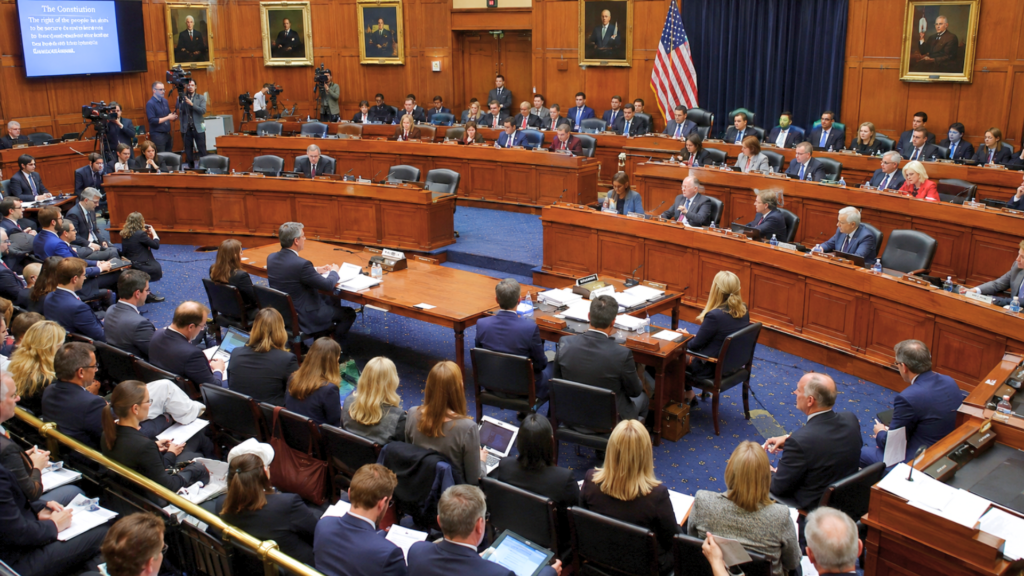
The long term structural fallout of expanding consumer travel restrictions threatens to permanently alter the baseline of American civil liberty and weaken traditional constitutional protections. Environmental and financial enforcement bureaus are actively investigating how these micro transaction penalties alter consumer behavior while simultaneously driving up commercial operating overhead. If regional legislative bodies continue to authorize escalating fees on basic consumer utility items, the cumulative economic strain will continuously erode the weekly purchasing power of low income suburban populations.
This current pricing crisis mirrors previous historical cycles where state authorities externalized municipal collections directly onto the physical documentation of individual citizens. From the early implementation of mandatory tax compliance liens to the modern expansion of localized digital toll collections, working class neighborhoods have consistently absorbed the immediate fiscal damage. Federal commerce oversight agencies remain entirely detached from these regional developments, leaving municipal councils to unilaterally dictate the transactional terms of basic consumer life.
The silent friction between aggressive collection goals and defensive consumer budgeting continues to reshape the American domestic landscape without any overarching public resolution. Travelers across the country will continue to stand before automated airport check-in terminals, watching their travel documentation systematically flagged by a centralized federal ledger. No centralized regulatory authority has established uniform price limits on these expanding collection mechanisms, forcing millions of ordinary families to carry the permanent burden of an endless administrative audit.