

Products are selected by our editors, we may earn commission from links on this page.
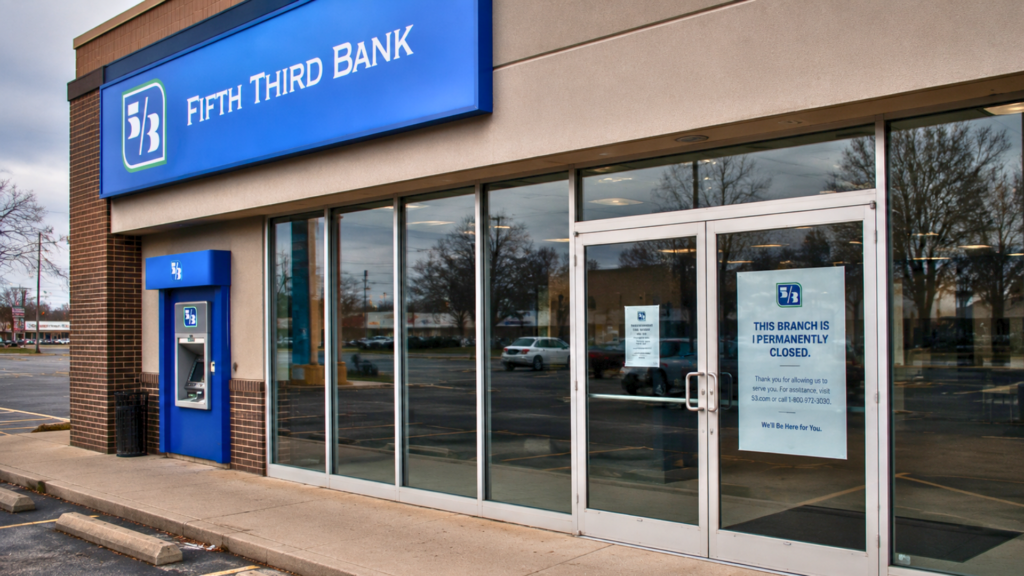
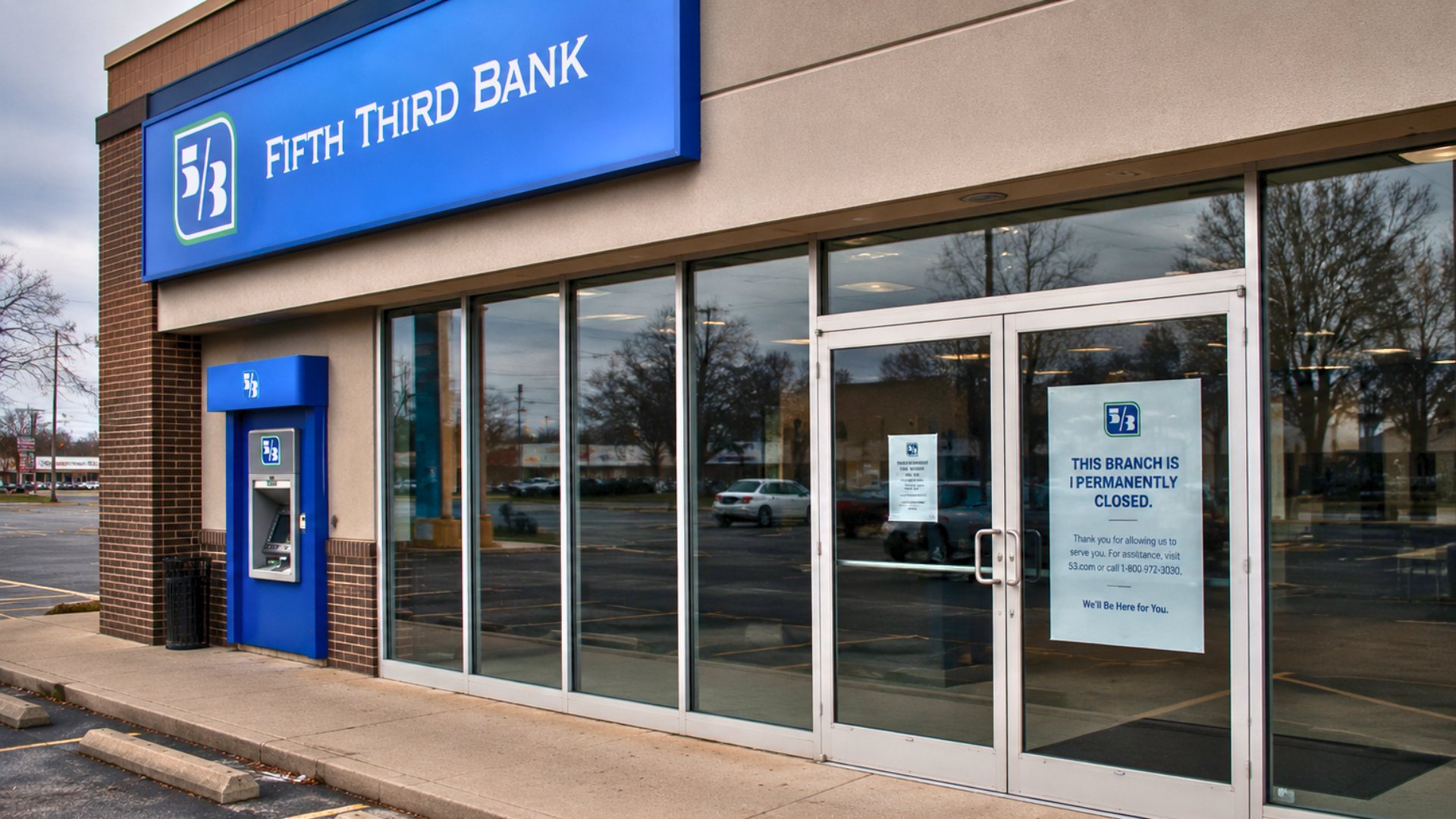
The unsettling sensation of walking up to your neighborhood financial center only to find a locked security gate and a permanent closure notice can leave a family completely detached from their monthly savings. This immediate disruption became reality for thousands of midwestern account holders when corporate consolidation plans officially triggered an aggressive dismantling of regional banking networks. Corporate executives have moved forward with a sweeping consolidation strategy, locking down dozens of traditional teller windows just months after finalizing a multi billion dollar financial combination.
The underlying corporate conflict intensified immediately after institutional integration deadlines came into full statutory view. According to official Worker Adjustment and Retraining Notification logs filed with the State of Michigan’s Department of Labor and Economic Opportunity, Fifth Third Bank is aggressively downsizing its regional footprint following its massive acquisition of Comerica Incorporated. While public relations teams originally framed the transaction as a growth oriented expansion, state regulatory disclosures reveal that backend workforce reductions were quietly initiated behind closed doors.
The immediate systemic reach of this operational restructuring demands the elimination of exactly seventy five brick and mortar locations across a single state. To execute this downscaling, corporate leaders authorized an all stock transaction valued at 10.9 billion dollars, a financial sum that exceeds the combined annual municipal operating budgets of nearly every major metropolitan city in the American Midwest. For an ordinary household, this means that their long term relationship with a stable depository institution is abruptly terminated by an automated tracking ledger.
When Automated Corporate Redundancy Outlasts Initial Promises of Employee Protection

Corporate consolidation mandates that prioritize immediate cost cutting metrics over public consumer access invariably distort the operational baseline of the domestic financial sector. Under current statutory integration frameworks, regional retail networks are evaluated strictly by geometric proximity metrics rather than the specialized credit needs of low income neighborhoods. Comparative data compiled by Bank Branch Locator demonstrates that fifty five Comerica locations and twenty Fifth Third offices are slated for permanent elimination over a single holiday weekend.
Financial executives have publicly defended the aggressive structural consolidation, issuing formal declarations that the targeted facilities are located within a strict one mile radius of another active company office. Representatives from the parent firm assert that converting select legacy facilities into unified corporate branches will eventually create a denser, highly efficient regional banking network. However, independent labor advocacy groups counter that these optimizations serve primarily to mask an ongoing reduction in physical consumer services.
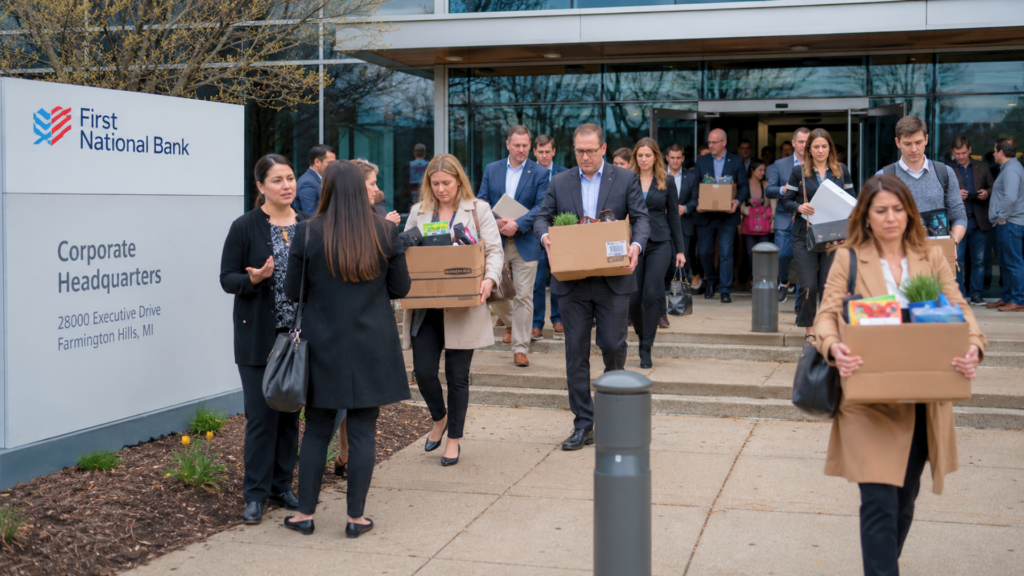
The physical fallout of this rapid structural integration forces regional operations centers to permanently terminate hundreds of experienced corporate back office employees. Official state regulatory filings confirm that the consolidated enterprise will permanently dismiss exactly 502 workers at a primary operations facility in Farmington Hills. This sudden workforce reduction demonstrates that despite public corporate claims of market growth, the true consequence of high level financial integration remains a permanent contraction of local employment opportunities.
How Rapid Retail Branch Elimination Fractures Local Small Business Credit Access
The secondary complications of this unprecedented retail banking retreat extend deep into vulnerable suburban communities, transforming simple cash management into an intricate logistical hurdle for local business owners. Regional economic development boards have encountered significant friction as neighborhood storefronts lose access to traditional commercial depository services and onsite merchant support. This systemic fragmentation ensures that independent entrepreneurs must travel significant distances simply to secure routine operating capital or execute daily physical currency deposits.
Coordinated community pushback has intensified across multiple state jurisdictions as consumer protection groups document a broader historical pattern of rapid urban branch abandonment. For instance, recent federal disclosure logs show that the parent financial institution executed additional unexpected facility closures across multiple states throughout the previous fiscal calendar. This ongoing reduction in physical banking access has drawn sharp public criticism from municipal leaders, who argue that automated corporate restructuring systematically drains essential financial resources from local business districts.
“We consistently review our operations to optimize our organizational structure and ensure we are best positioned for long-term growth and sustainable profitability. While these decisions are never easy, we believe these actions position us to deliver greater future value to our customers, communities, and shareholders.”
Why Abstract Industrial Integration Leaves Regional Consumer Markets Permanently Fractured
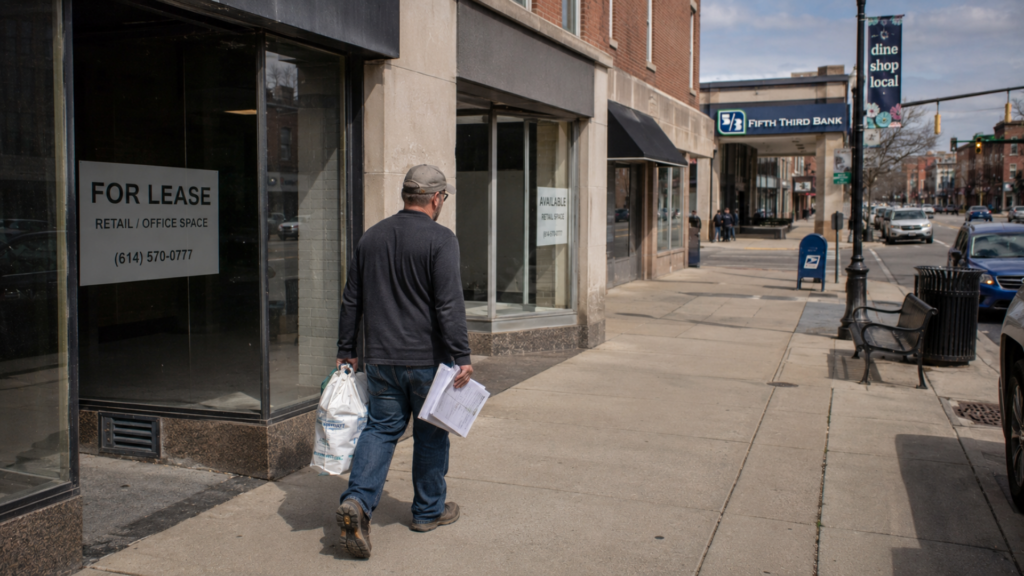
The long term structural fallout of expanding retail financial consolidation threatens to permanently alter the baseline of American consumer commerce and weaken traditional community reinvestment standards. Federal regulatory watchdogs are increasingly concerned that the rapid expansion of massive regional monopolies will leave suburban populations with fewer competitive borrowing options. If massive banking conglomerates continue to eliminate local branch choices to inflate corporate efficiency metrics, the cumulative economic strain will permanently suppress regional real estate markets.
This current infrastructure crisis mirrors previous historical cycles where massive commercial networks externalized their operational integration costs directly onto the physical routines of ordinary citizens. From the widespread automated closure of rural savings associations to the modern contraction of national commercial banking brands, working class neighborhoods have consistently absorbed the damage. Federal financial oversight agencies remain entirely slow to intervene, leaving local municipal economies to unilaterally absorb the immediate consequences of private corporate mergers.
The silent friction between aggressive corporate growth metrics and defensive community financial organizing continues to reshape the American domestic landscape without any overarching public resolution. Depositors across the country will continue to stand before empty commercial buildings, watching their local community wealth systematically consolidated into centralized corporate accounts. No federal regulatory body has established mandatory geographical preservation limits on these expanding banking monopolies, forcing millions of ordinary families to carry the permanent burden of an endless corporate optimization experiment.