

Products are selected by our editors, we may earn commission from links on this page.
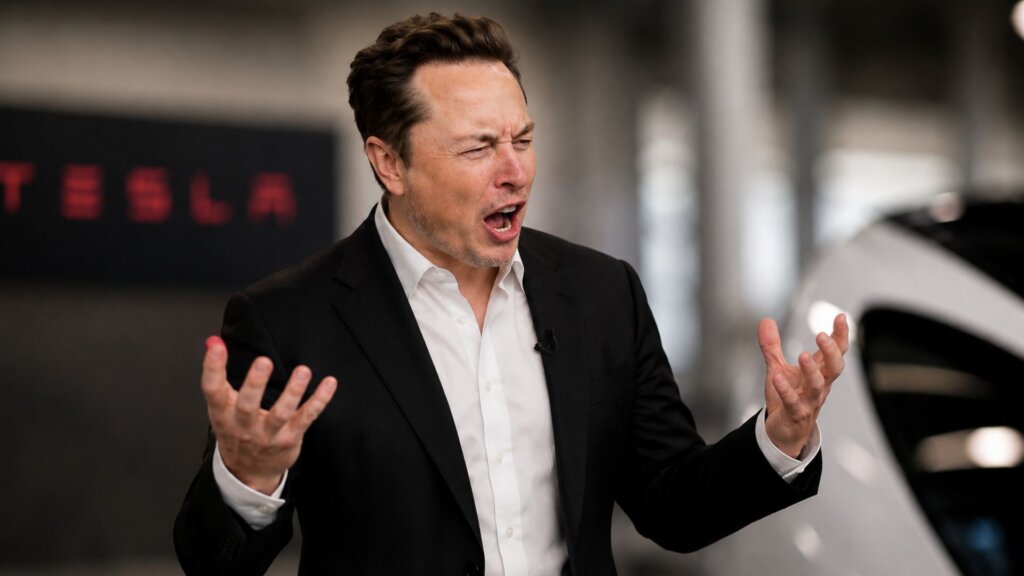
Elon Musk crossed into territory no human being had ever reached before: a net worth exceeding $1 trillion. When SpaceX debuted on the Nasdaq on June 13, opening at $135 a share and closing at $160.95, it vaulted Musk’s combined fortune, anchored by his stake in the rocket company and his holdings in Tesla, to an estimated $1.1 trillion. For advocates who have spent years warning about runaway inequality, the moment was not a milestone to celebrate.
The backlash was immediate. Igor Volsky, director of the Tax the Greedy Billionaires Campaign, said Musk’s ascent happened “because our tax system shields the wealth of the ultra-wealthy from taxation while requiring working people to pay taxes on every paycheck.” Erica Payne, founder of the advocacy group Patriotic Millionaires, put it more bluntly: 86% of Americans worry about the price of food, and Elon Musk is a trillionaire. In her words, “these two things are deeply, inherently connected.”
Writer Elizabeth Spiers declared in a column for The Nation that “trillionaires shouldn’t exist,” describing Musk as someone who has “enriched himself via a rigged investment economy ensuring that those with the most contribute the least.” Oxfam went further, calculating that a 10% tax on Musk’s fortune alone could lift 800 million people out of extreme poverty. The SpaceX IPO did not create a problem. It made a pre-existing one impossible to ignore.
This article was created with the assistance of AI and reviewed by our editorial team for accuracy and clarity.
SpaceX and Tesla Have Paid Minimal Federal Taxes While Benefiting Massively from Government Money
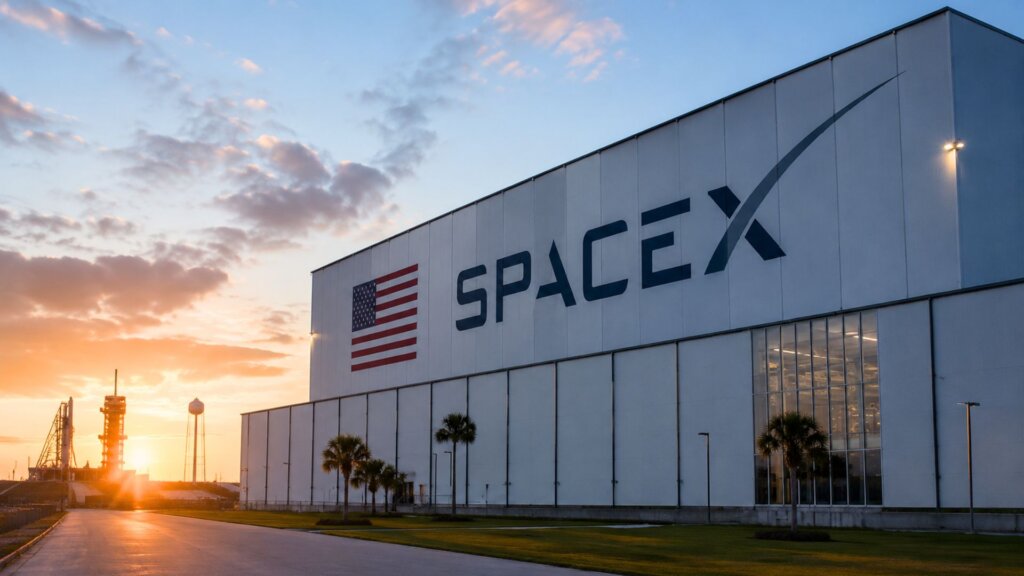
SpaceX built its empire on government contracts and public subsidy, yet has likely paid little to no federal income tax since its founding in 2002, according to reporting by The New York Times. The company has privately told investors it may never have to. In 2025 alone, SpaceX claimed $2.9 billion in accelerated depreciation tax breaks and another $600 million in research and development credits, according to the Institute on Taxation and Economic Policy.
Tesla’s record is equally striking. A recent Oxfam analysis drawing on ITEP data found that Tesla reported $4.8 billion in U.S. income in 2025 yet paid zero federal income tax. Over the prior three years, the company avoided nearly all federal income taxes on more than $12 billion in American earnings. A separate Reuters investigation found that Tesla has also concealed billions in foreign tax havens, compounding the picture of a company whose public valuation has soared while its tax obligations have remained effectively negligible.
Musk himself has benefited from the same architecture. Because his wealth is tied almost entirely to stock appreciation, it remains untaxed under U.S. law until shares are sold. A ProPublica investigation using confidential IRS records found he paid no federal income tax in 2018. Between 2014 and 2018, his true tax rate was 3.27%, even as his wealth exploded. A trillion-dollar fortune, built in part on public money, taxed at a fraction of what a working American pays on a monthly paycheck.
Volsky, Warren, and Sanders Are Now Pushing Tax Plans Ambitious Enough to Reverse, Not Just Slow, Extreme Wealth
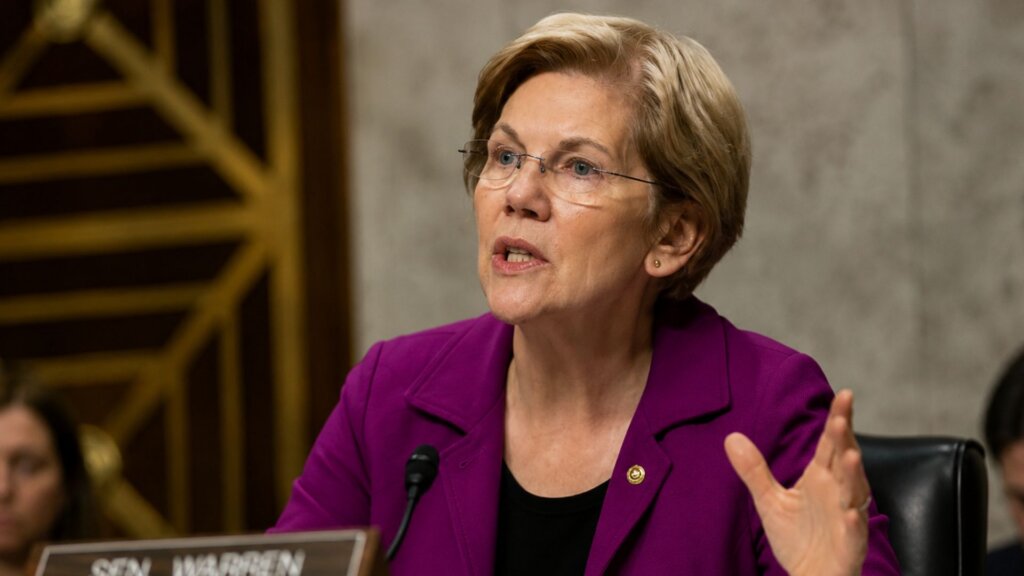
The backlash to Musk’s milestone translated quickly into legislative pressure. Senator Elizabeth Warren reintroduced the Ultra-Millionaire Tax Act of 2026, which would impose an annual 2% levy on fortunes above $50 million and an additional 1% on billionaires. The bill also includes a 40% “exit tax” on anyone worth over $50 million who renounces U.S. citizenship, closing the escape hatch critics say makes most wealth taxes toothless. Economists Emmanuel Saez and Gabriel Zucman estimate the Sanders companion proposal would raise $4.4 trillion over a decade.
Volsky’s campaign has pushed beyond slowing extreme wealth accumulation. In a statement following the SpaceX IPO, he argued that lawmakers must pursue tax policy “ambitious enough to make the ultra-wealthy less wealthy, reduce the stranglehold they have over our economy and democracy, and restore the ideal that no one in America gets to buy their way to unchecked power.” The framing marks a shift in tone. The debate is no longer being pitched as a revenue question. It is being pitched as a democracy question.
Payne, of the Patriotic Millionaires, identified what she called the root system underneath Musk’s $1.1 trillion fortune: “human exploitation, wage theft, wage suppression, anti-competitive markets, monopolistic control, price collusion, inadequate tax systems, and corruption.” She named inadequate tax systems and corruption as the primary drivers. State-level momentum has also built alongside the federal push. California voters may weigh a one-time 5% billionaire tax on the November 2026 ballot, with organizers collecting 1.6 million signatures, nearly double what was required to qualify.
A Rigged Tax Code Built Musk’s Trillion-Dollar Fortune. Now That Code Is Being Scrutinized Like Never Before

The structural problem at the center of the wealth tax debate is not complicated. The U.S. tax system taxes income, not wealth. Musk’s net worth has risen by hundreds of billions of dollars while his effective tax rate on that growth has remained close to zero. The “buy, borrow, die” strategy, in which the ultra-wealthy borrow against appreciating stock rather than sell and trigger a tax event, is legal, widely used, and entirely responsible for fortunes of this scale. Congress has known about it for years and has not closed it.
The post-DOGE IRS makes the problem worse. Newly released IRS data show that audit-related collections from corporations fell by more than $3 billion in fiscal year 2025. SpaceX has already signaled to tax administrators that a careful review of its filings would reveal $1.9 billion in credits it should not be able to claim. That is not an accident. It is an open declaration that the company expects the enforcement apparatus to be too weakened to catch it. The same man who helped gut that apparatus now holds a trillion-dollar fortune backed by government contracts.
Spiers wrote that Musk “continues to prosper on the public dime” while the damage he has done resists easy accounting. That framing gets at something the tax debate often misses. The question of whether trillionaires should exist is not just about redistribution. Payne said that $1.1 trillion requires systemic conditions: suppressed wages, rigged markets, captured regulation, and a tax code that functions as a wealth preservation engine for those at the very top. The SpaceX IPO did not make Musk the first trillionaire. A society engineered to allow it did.