

Products are selected by our editors, we may earn commission from links on this page.
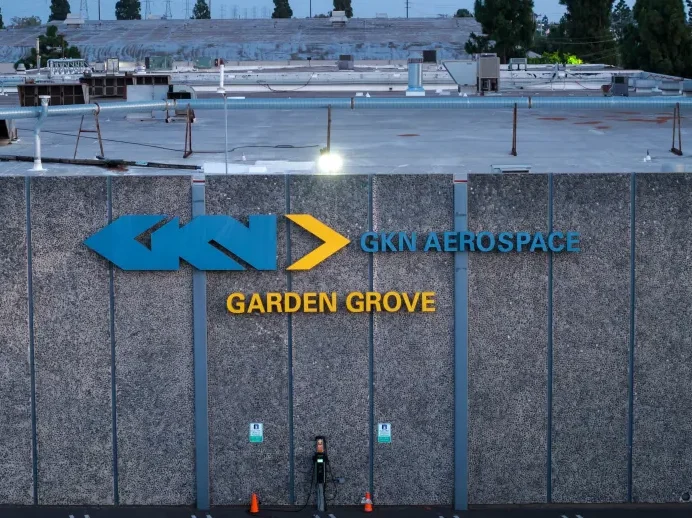
What began as a hazardous materials call at an aerospace facility in Garden Grove quickly escalated into one of Southern California’s most disruptive industrial emergencies in years. Over Memorial Day weekend, nearly 50,000 residents across Garden Grove, Stanton, Cypress, Anaheim, Westminster, Buena Park, and surrounding communities were forced from their homes after an unstable chemical tank at GKN Aerospace threatened to explode.
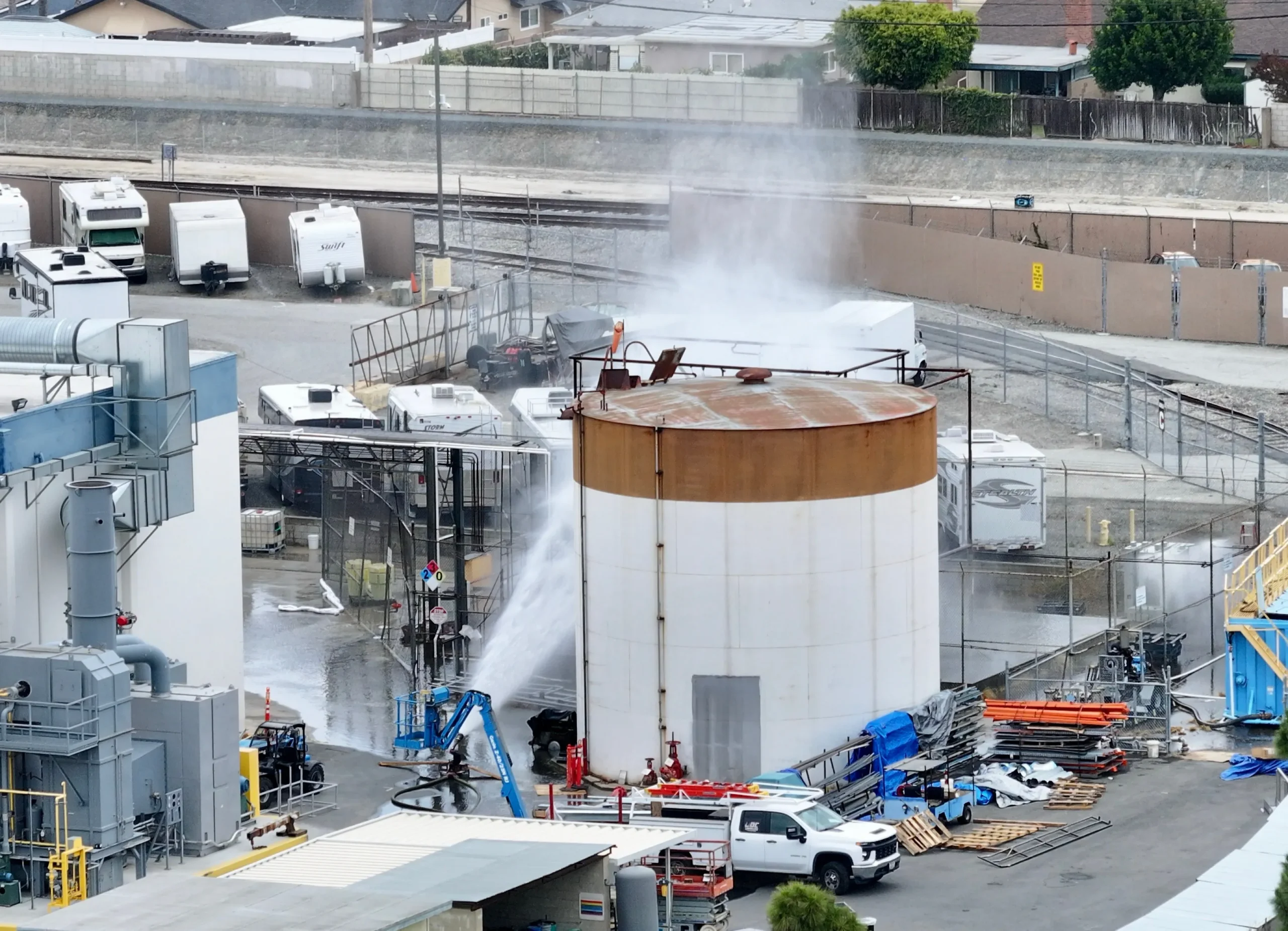
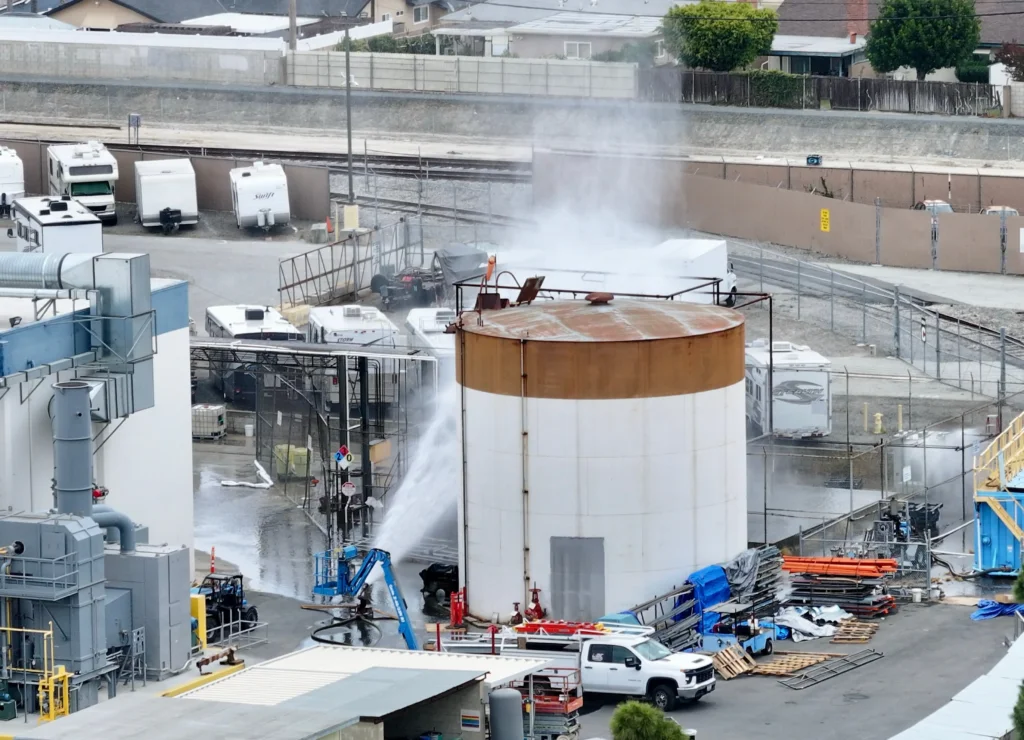
The tank contained thousands of gallons of methyl methacrylate, or MMA, a highly flammable industrial chemical used in plastics manufacturing. Officials warned that the overheated container could trigger a BLEVE, a boiling liquid expanding vapor explosion, capable of sending toxic chemicals and debris across densely populated neighborhoods. Fire officials described the situation in stark terms, saying the tank could either rupture and spill dangerous chemicals or explode with catastrophic force.
For days, firefighters continuously sprayed water onto the tank while hazardous materials experts monitored rising internal temperatures. Officials feared that once the chemical reached a critical threshold, the reaction could become uncontrollable. Maps showing possible blast zones circulated online, heightening anxiety among residents already sheltering in schools, recreation centers, RV lots, and temporary hotel rooms.
The crisis exposed how closely residential communities in Orange County sit alongside industrial facilities handling volatile materials. Many evacuees told local media they had little idea what chemicals were being stored near their homes until evacuation alerts suddenly appeared on their phones late Thursday night.
A Crack in the Tank Changed the Course of the Crisis
The turning point came unexpectedly when crews discovered a crack near the top of the tank during overnight operations. Instead of accelerating disaster, the fracture relieved pressure inside the overheated container and helped prevent the feared explosion.
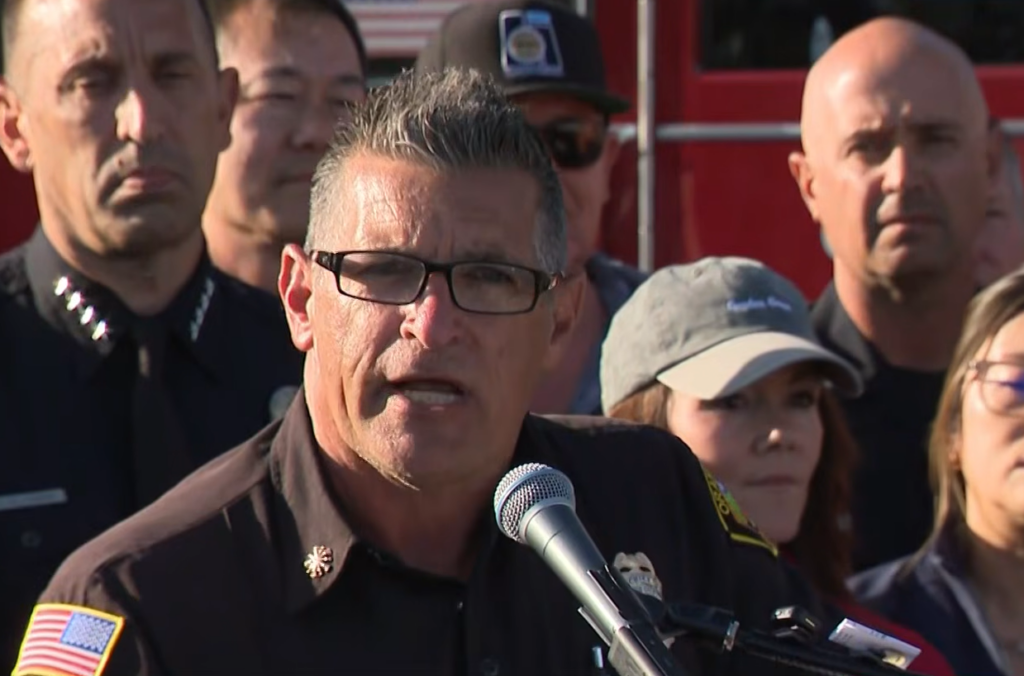
Orange County Fire Authority officials later confirmed that the crack allowed internal temperatures to begin dropping after days of relentless cooling efforts. The tank’s temperature reportedly fell from above 100 degrees to the low 90s, dramatically reducing the likelihood of a catastrophic blast. Interim Fire Chief TJ McGovern announced that the threat of a BLEVE was effectively “off the table.”
Even with the worst-case scenario avoided, officials repeatedly cautioned that danger remained. A smaller fire, explosion, or toxic leak was still possible while crews worked to stabilize the site. Methyl methacrylate vapors can cause respiratory distress, dizziness, nausea, and eye irritation, while larger releases could contaminate storm drains and surrounding areas.
The emergency response became a massive coordinated effort involving local firefighters, hazardous materials teams, the Environmental Protection Agency, FEMA personnel, and technical specialists from across California. Crews removed insulation from the tank to improve cooling efficiency while air monitoring systems were deployed throughout nearby communities.
Federal and state officials also moved quickly to formalize the response. Governor Gavin Newsom declared a state of emergency, while the White House approved a federal emergency declaration to assist with costs and logistical support. Air monitoring stations were activated across the region as authorities attempted to reassure residents that no measurable toxic exposure had occurred outside evacuation zones.
Evacuees Returned Home Carrying New Questions

By Tuesday evening, officials announced that all remaining evacuation orders had been lifted and roughly 16,000 final evacuees could return home. Authorities said there was no longer any threat of explosion, fire, or chemical release from the damaged tank.
The return brought visible relief across Orange County neighborhoods. Families unpacked cars after spending days sleeping in shelters, hotels, RVs, or with relatives. Schools prepared to reopen, and traffic slowly returned to normal around the industrial corridor that had effectively frozen large sections of the county for nearly a week.
Yet relief quickly mixed with anger and frustration. During public meetings following the evacuation orders, many residents questioned why a facility handling highly volatile chemicals operated so close to homes and schools. Some described the evacuation process as chaotic and insufficient for a crisis affecting tens of thousands of people.
Several evacuees spoke publicly about the emotional toll of the ordeal. Residents described sleeping in cars, struggling to find available shelter space, and worrying constantly about pets, medication, and whether they would still have homes to return to if the tank exploded. Others criticized the limited shelter capacity, arguing the county was unprepared for an industrial emergency on that scale.
The event also reignited broader concerns about industrial safety and environmental oversight in heavily populated parts of California. Experts noted that methyl methacrylate incidents are relatively rare but can escalate rapidly because the chemical generates heat during polymerization, creating the possibility of runaway reactions under unstable conditions.
Investigators Turn Their Attention Toward Accountability
As emergency crews stabilized the site, attention shifted toward how the crisis began and whether it could have been prevented.
Orange County District Attorney Todd Spitzer announced a criminal investigation into the tank failure and warned GKN Aerospace not to destroy any records connected to the incident. Prosecutors opened a public tip line and encouraged whistleblowers, current employees, and nearby residents to provide information about operations at the facility.
Spitzer described the situation as potentially catastrophic and signaled that investigators would examine whether negligence, regulatory violations, or maintenance failures contributed to the emergency. Multiple law firms have already announced plans for class-action lawsuits on behalf of evacuees and local businesses affected by the disruption.
Questions surrounding the facility’s safety history have intensified scrutiny. Reports noted that GKN Aerospace had previously paid significant fines tied to environmental violations, adding pressure on both the company and regulators to explain how the tank became unstable. The company has apologized publicly for the disruption while emphasizing that teams worked continuously with emergency responders to stabilize the situation.
Officials say environmental monitoring will continue for months as agencies inspect air systems, storm drains, and surrounding infrastructure for possible contamination. Meanwhile, residents and local leaders are demanding broader reviews of industrial zoning, emergency preparedness, and hazardous material oversight across Orange County.
For many people who spent days uncertain whether their neighborhoods might be engulfed by fire or toxic fumes, the return home marked the end of the immediate emergency, but not the end of the story. The crisis has already become a flashpoint in a larger debate about industrial risk, public transparency, and how communities coexist with facilities handling dangerous chemicals in densely populated urban areas.