

Products are selected by our editors, we may earn commission from links on this page.
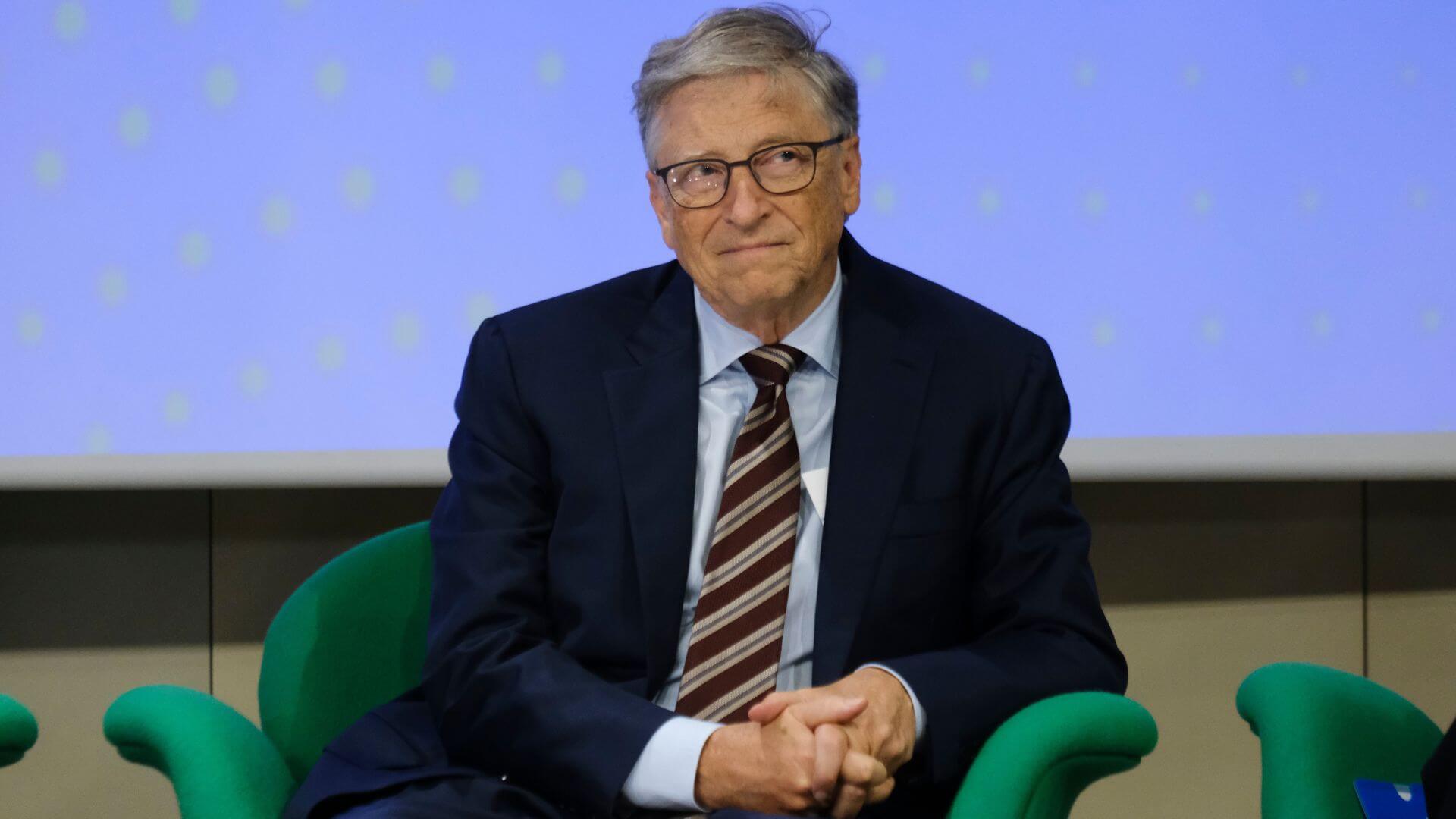
A recent warning from Bill Gates has brought renewed attention to global pandemic preparedness. His message is not meant to create panic, but rather to highlight the vulnerabilities that still exist within public health systems around the world.
Gates’ Recent Warning

During a recent interview, Gates estimated a 10 to 15 percent chance of a natural pandemic emerging within the next four years. He pointed out that even after the global experience with COVID-19, the world remains far from fully prepared for another crisis of similar magnitude.
Where Preparedness Is Falling Short

Gates explained that many nations remain focused on revisiting past errors instead of pushing forward with updated solutions. He observed that despite major financial investments, practical improvements in health systems and coordinated strategies are still limited.
Political Obstacles to Action

According to Gates, readiness is not only about scientific tools or funding, it also requires political cohesion. Yet ongoing polarization and conflicting priorities continue to disrupt the collaboration needed to strengthen global response efforts.
A Long History of Sounding the Alarm
Gates has raised concerns about pandemic risks for many years. His widely known 2015 TED Talk warned of the world’s lack of preparation, and he later expanded these ideas in a book outlining actionable ways to reinforce global health infrastructure.
How Philanthropy Has Tried to Help

The Gates Foundation has supported numerous initiatives aimed at vaccine innovation, disease monitoring, and improvements in public health policy. These efforts contributed to the global COVID-19 response and continue to focus on preventing future outbreaks.
Science That Raises Concern

Researchers increasingly point out that climate change, environmental degradation, and population growth create conditions where new diseases are more likely to emerge. These shifts increase the chances of viruses jumping from animals to humans.
Uncertainty in U.S. Public Health Messaging

Recent developments within U.S. health agencies have raised questions about the country’s ability to respond quickly and clearly during a new outbreak. Leadership transitions and inconsistent communication strategies have added to these concerns.
Broader Geopolitical Risks

Gates has also warned that geopolitical tensions and global instability could complicate international cooperation in a time of crisis. Conflicts, strained diplomatic relationships, and disrupted supply chains may weaken the effectiveness of a coordinated response.
Practical Steps Experts Continue Recommending

Public health specialists repeatedly highlight the need for stronger surveillance systems, rapid vaccine development platforms, and more reliable medical supply chains. They also advocate for regular simulation exercises to ensure readiness in real-world scenarios.
Final Takeaway for Readers
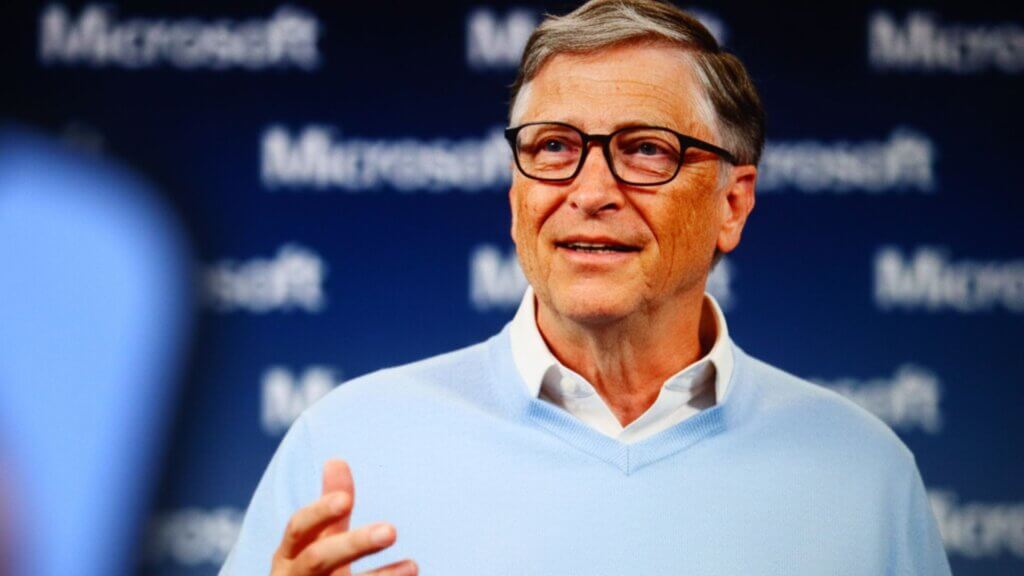
Gates’ message underscores the importance of preparing well before a crisis unfolds. Although the probabilities do not predict an immediate outbreak, they emphasize the need for sustained investment, collective action, and forward-looking policies to face the next pandemic with greater resilience.