


Products are selected by our editors, we may earn commission from links on this page.

In the quiet intensity of intensive care units, nurses witness profound moments at life’s end. Kirstie Roberts, a 29-year-old ICU nurse with four years of experience, describes a mysterious “spiritual shift” that occurs in patients’ final hours. She notes that individuals often utter the same three phrases, signaling their awareness of impending death.
This phenomenon persists regardless of stable vital signs or consistent medical conditions. Roberts observes that no alarming changes appear on monitors, yet patients sense the transition.
Every patient she has accompanied through these moments expresses this knowing, leaving medical professionals searching for explanations.
Unveiling the Common Phrases
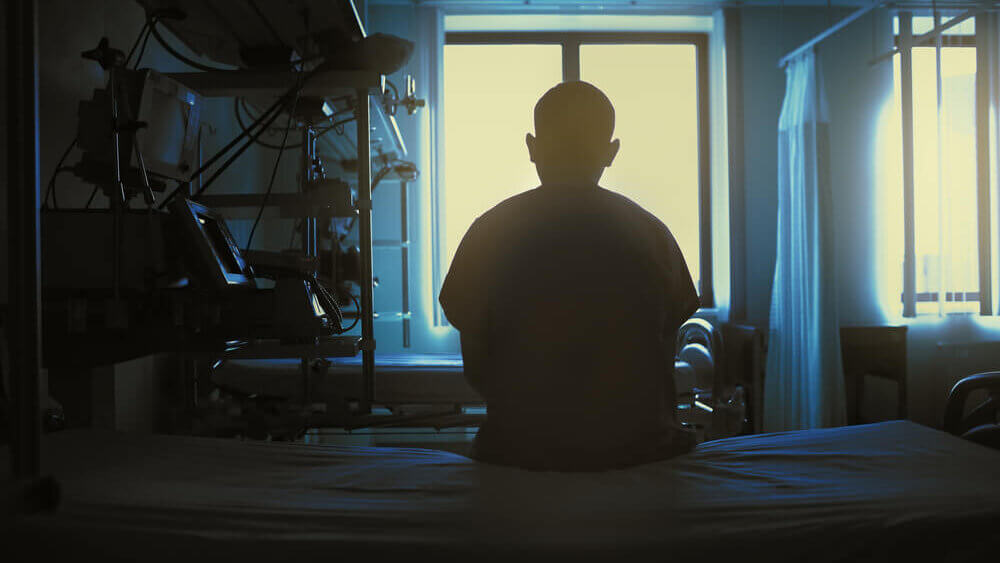
Roberts identifies three recurring statements from patients in their last minutes. First, they frequently ask nurses to relay messages of love to family members, underscoring deep emotional bonds.
Second, expressions of discomfort emerge, such as “I don’t feel good,” reflecting an inner awareness beyond physical metrics.
Third, a stark acknowledgment arises: “I know I’m going to die.” These words, Roberts explains, always precede passing, even after extensive treatments and tests.
The Spiritual Shift Explained

Patients detect this shift intuitively, despite unchanged health indicators. Roberts emphasizes that no scientific rationale fully accounts for it, pointing to a spiritual dimension medicine cannot measure.
Over her career, she has seen this pattern without exception, building her conviction in its reliability.
This awareness highlights life’s deeper layers, where the body yields to something transcendent.
Lessons from the Bedside

Roberts reflects that witnessing these passings never becomes routine, given the close ties formed with patients and families. Nurses cope by affirming their dedicated care as meaningful.
She views life as inherently spiritual, urging appreciation for relationships over material pursuits.
Roberts encourages loving deeply, embracing gratitude, and recognizing mortality’s role in enriching existence. Do final moments reveal universal truths? What do you think?