

Products are selected by our editors, we may earn commission from links on this page.
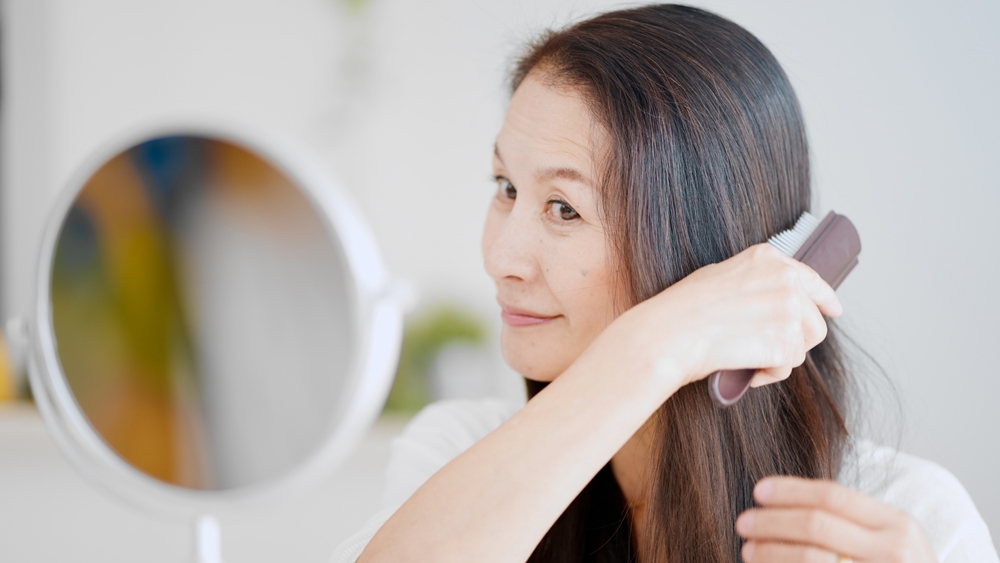
Hair may feel noticeably different after 50, but reaching a certain birthday does not mean a shorter cut suddenly becomes necessary. Stylists say long hair can remain healthy well into a person’s 50s, 60s and beyond, although maintaining it may require more attention to condition, density and breakage than it once did. Hormonal changes around perimenopause and menopause can contribute to dryness, fragility, texture changes and reduced density, making the way hair is treated increasingly important.
Expect Your Hair To Change
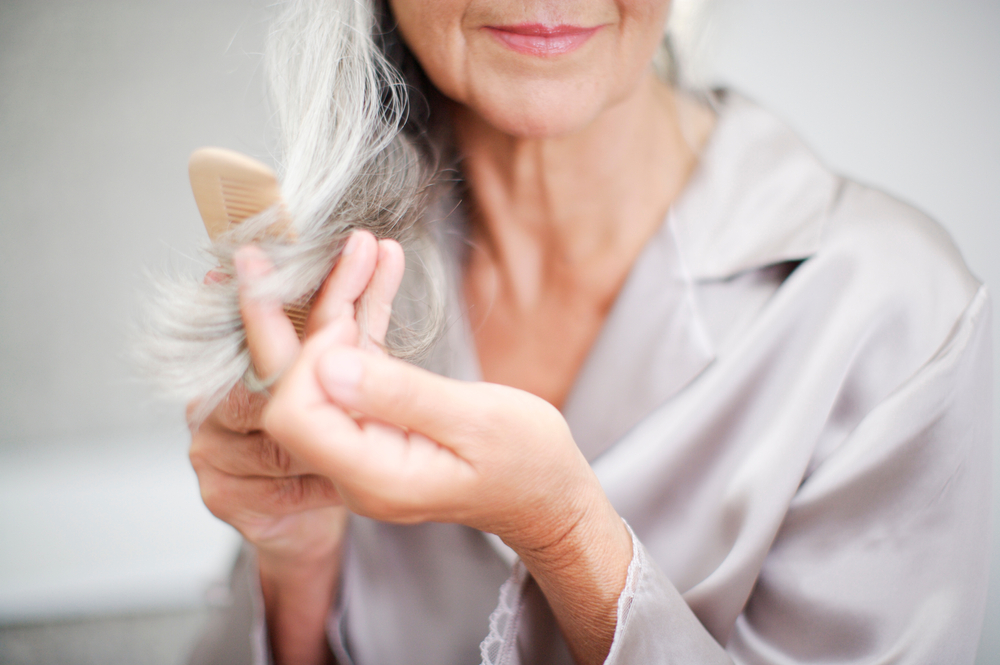
Thinning is common enough that up to 40% of women have noticeable hair loss by age 50, according to UCLA Health. Female pattern hair loss becomes more common after menopause, when falling estrogen levels may contribute to shrinking hair follicles, while other causes of shedding can include thyroid disease, iron or vitamin D deficiency, stress and inadequate nutrition. Thinning in women may appear as a widening part or a ponytail that suddenly feels smaller rather than a distinct bald spot.
Keep Getting Regular Trims

Skipping the salon may sound like the easiest way to gain length, but stylists warn that damaged ends can work against that goal. Anari LaBoard, a lead trainer at Blushington, says regular trims keep split ends from traveling farther up the hair shaft and contributing to breakage. Stylist and curly-hair expert Brendnetta Ashley recommends trims about every eight to 12 weeks on average, though individual needs can vary with hair type and condition.
Give The Scalp More Attention
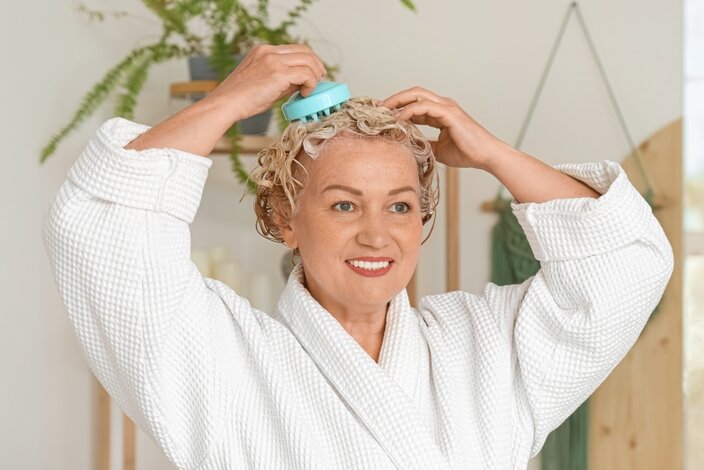
Long-term hair care starts at the scalp, an area LaBoard describes as frequently overlooked. New York stylist Gabby Fishman recommends gentle scalp massages to encourage circulation, while other stylists suggest scalp treatments or exfoliation as part of a broader care routine. Scalp products should not be treated as a cure for unexplained hair loss, however, because significant shedding can have medical causes that require diagnosis.
Turn Down The Heat
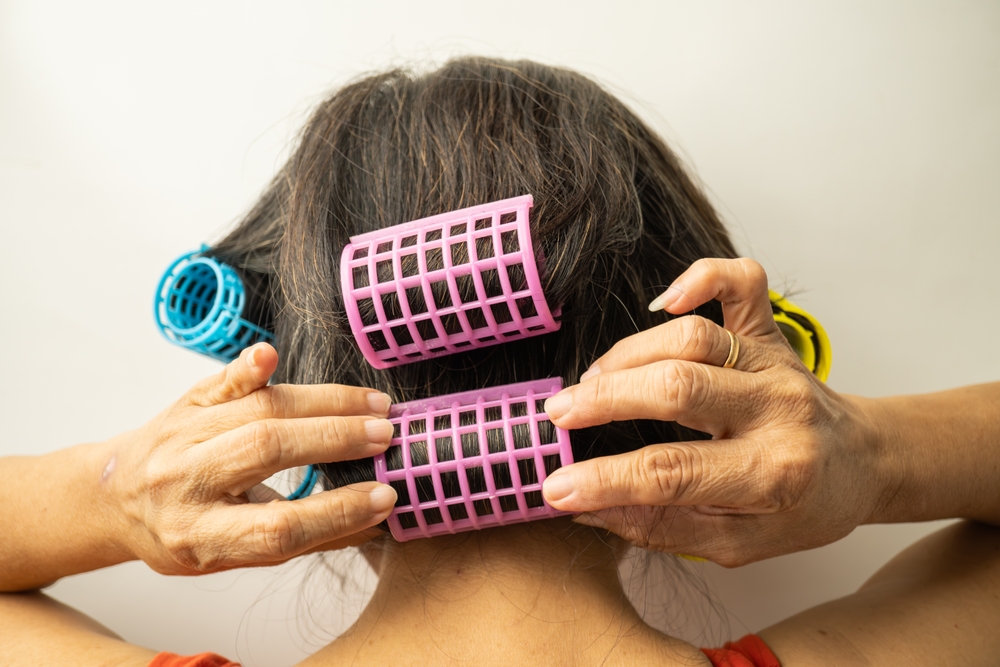
Hair that has become drier or more fragile can be less forgiving of repeated high-temperature styling. Miranda Furtado, owner of Toronto’s Love’s In The Hair, recommends monitoring styling temperatures and using heat protectant, while Boston salon owner Noelle Spinosa advises limiting flat-ironing when possible. Alternatives such as rollers can provide shape without the same repeated heat exposure, particularly for people who find themselves using hot tools every day to control frizz.
Brush Without Pulling Or Tearing
Fragile hair needs gentler handling, but avoiding brushing altogether is not necessarily the answer. Spinosa recommends a boar-bristle brush, saying it can distribute natural oils while providing scalp stimulation without the aggressive pulling people may fear. Detangling should avoid ripping through knots, particularly when preserving length depends on minimizing unnecessary breakage.
Loosen Up Tight Hairstyles
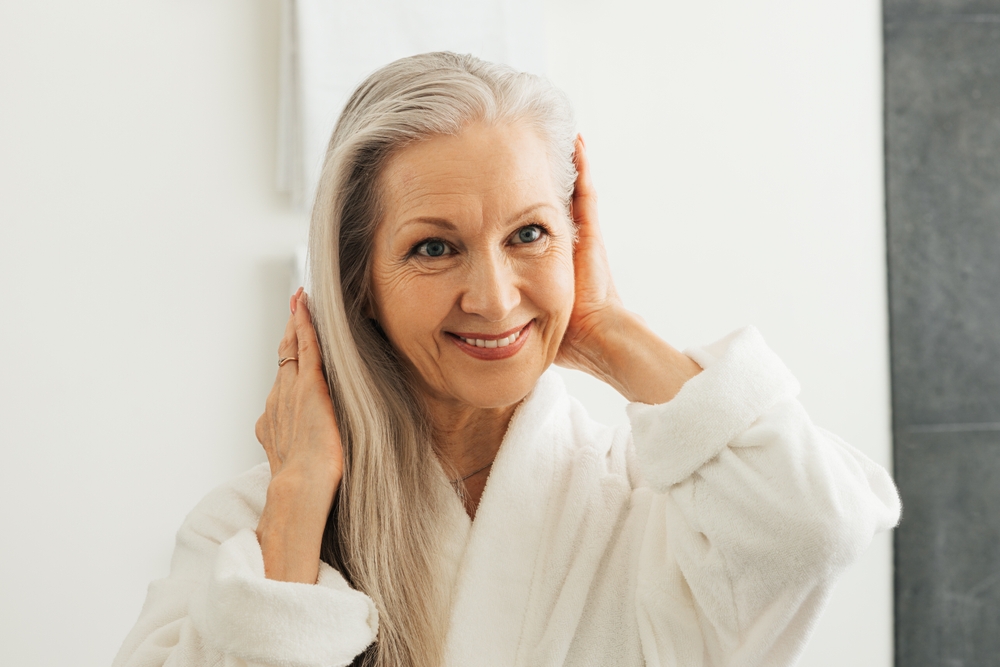
A sleek ponytail may look harmless, but repeatedly pulling vulnerable hair tightly can create another source of damage. LaBoard warns that tight hairstyles can place excessive traction on strands and contribute to breakage, making looser styling a useful adjustment for anyone trying to retain length. Chemical processing deserves similar caution, with Spinosa identifying excessive bleaching as particularly hard on the hair shaft.
Feed Hair From The Inside

Fishman recommends a nutrient- and protein-rich diet that includes healthy fats such as avocado, olive oil and omega-3-rich fish as part of supporting overall hair health. Nutrition matters for another reason: UCLA Health identifies iron deficiency, vitamin D deficiency and very low-calorie or low-protein crash diets among potential triggers for telogen effluvium, a form of excessive shedding. During telogen effluvium, more hairs shift into the resting phase, and shedding can reach as many as 300 strands per day.
A Bigger Product Collection Is Not Always Better
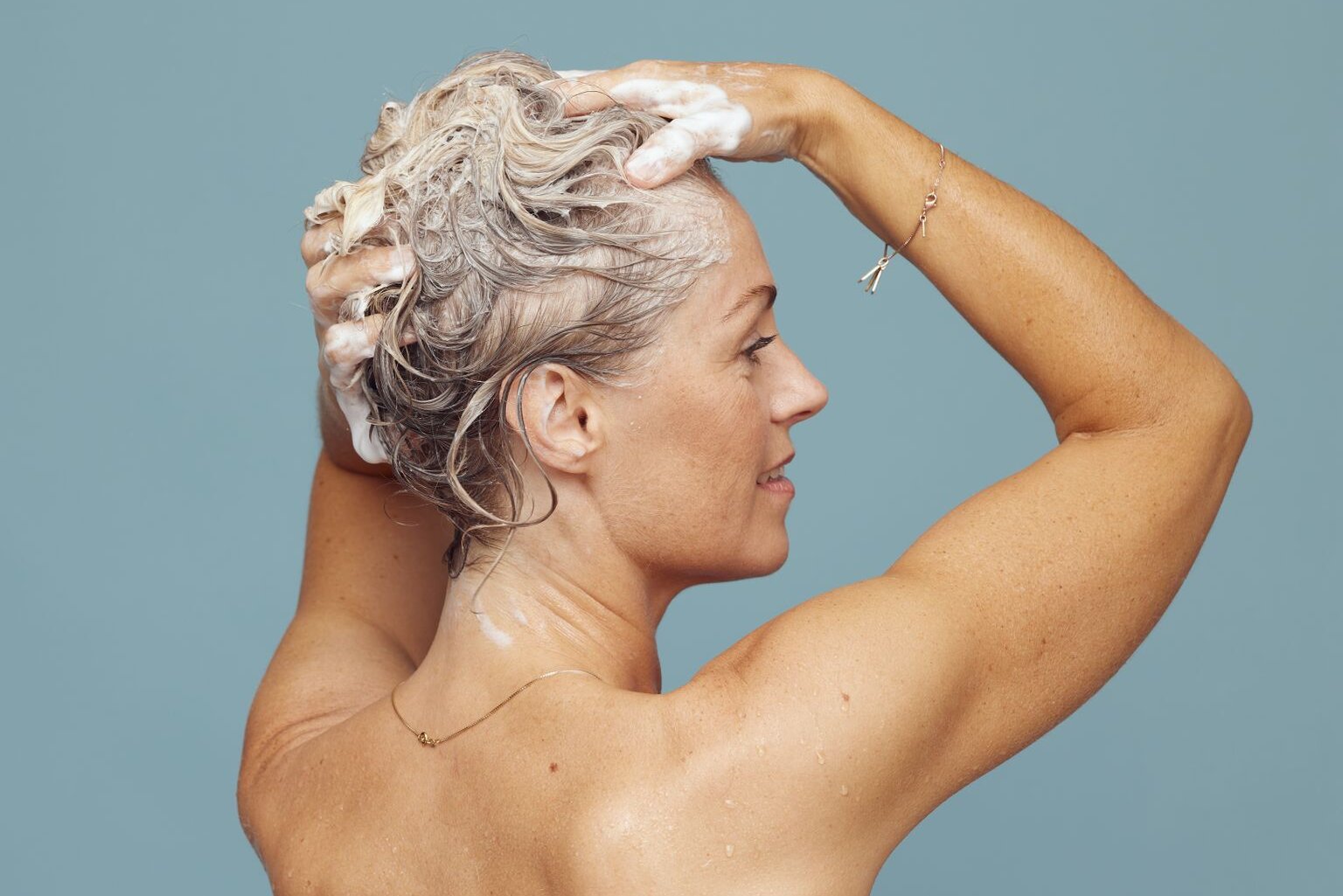
A cabinet crowded with treatments is not necessarily more useful than a small routine suited to the hair’s actual needs. Kimberly Michelle, founder of Mint Well Salon & Head Spa, favors a few well-chosen products over numerous expensive proteins and treatments that may not be necessary. Fishman suggests focusing on basics such as a gentle shampoo and conditioner appropriate for the individual hair type and a quality deep-conditioning mask, while Furtado recommends looking for products that provide moisture, reinforce the hair fiber and offer heat protection.
Know When Thinning Needs A Doctor
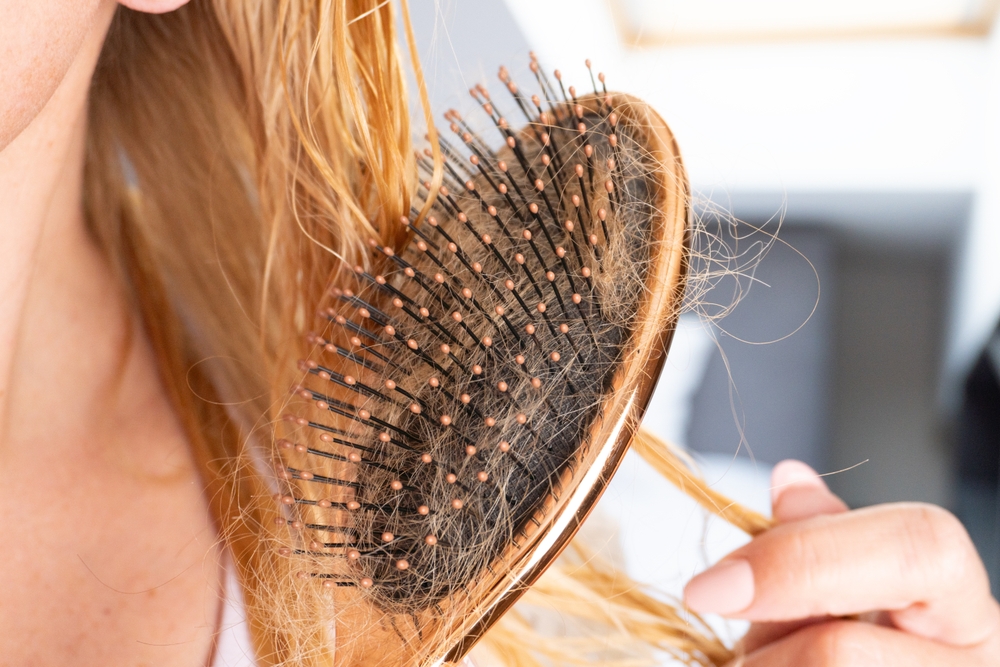
Sudden shedding, dramatic texture changes or rapidly decreasing density should not automatically be written off as normal aging. UCLA Health says losing roughly 50 to 100 hairs per day is normal, but noticeably heavier shedding or visible thinning warrants a conversation with a doctor, who can investigate possible causes. Female pattern hair loss alone affects up to 30 million U.S. women, while thyroid problems, nutritional deficiencies, medications and physical or psychological stress can also alter the normal hair-growth cycle.
Healthy Length Is About Maintenance, Not Age

Keeping long hair after 50 is less about fighting every sign of aging than adjusting a routine to the hair that is there now. Regular trims can limit breakage, gentler styling can reduce avoidable damage, and changes in density may warrant medical attention rather than another cosmetic product. For anyone who wants to keep the length, stylist Kimberly Michelle’s advice leaves plenty of room to do so: long hair can work at “40, 50, 60 and beyond,” with condition and maintenance becoming the priorities.