

Products are selected by our editors, we may earn commission from links on this page.
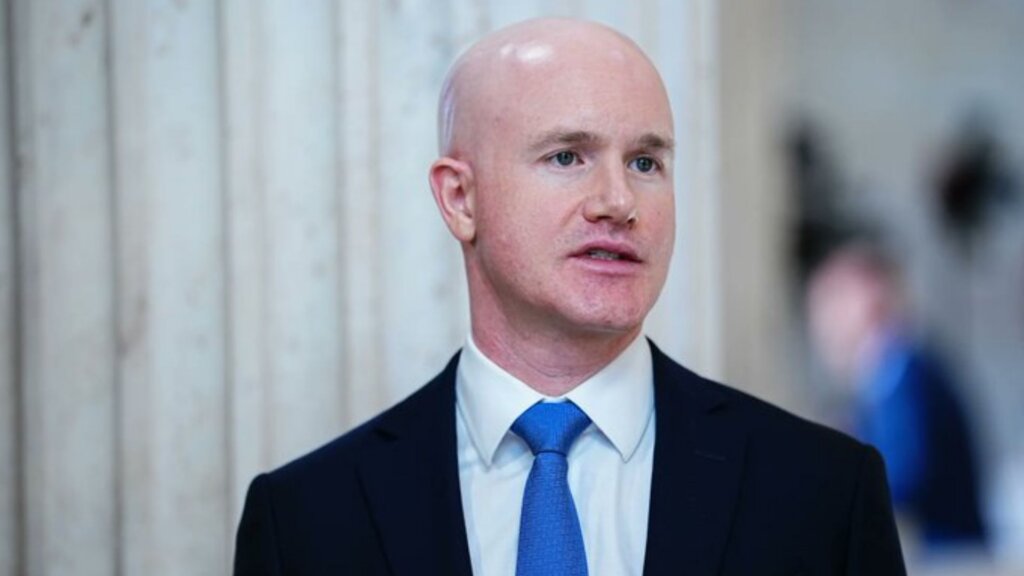
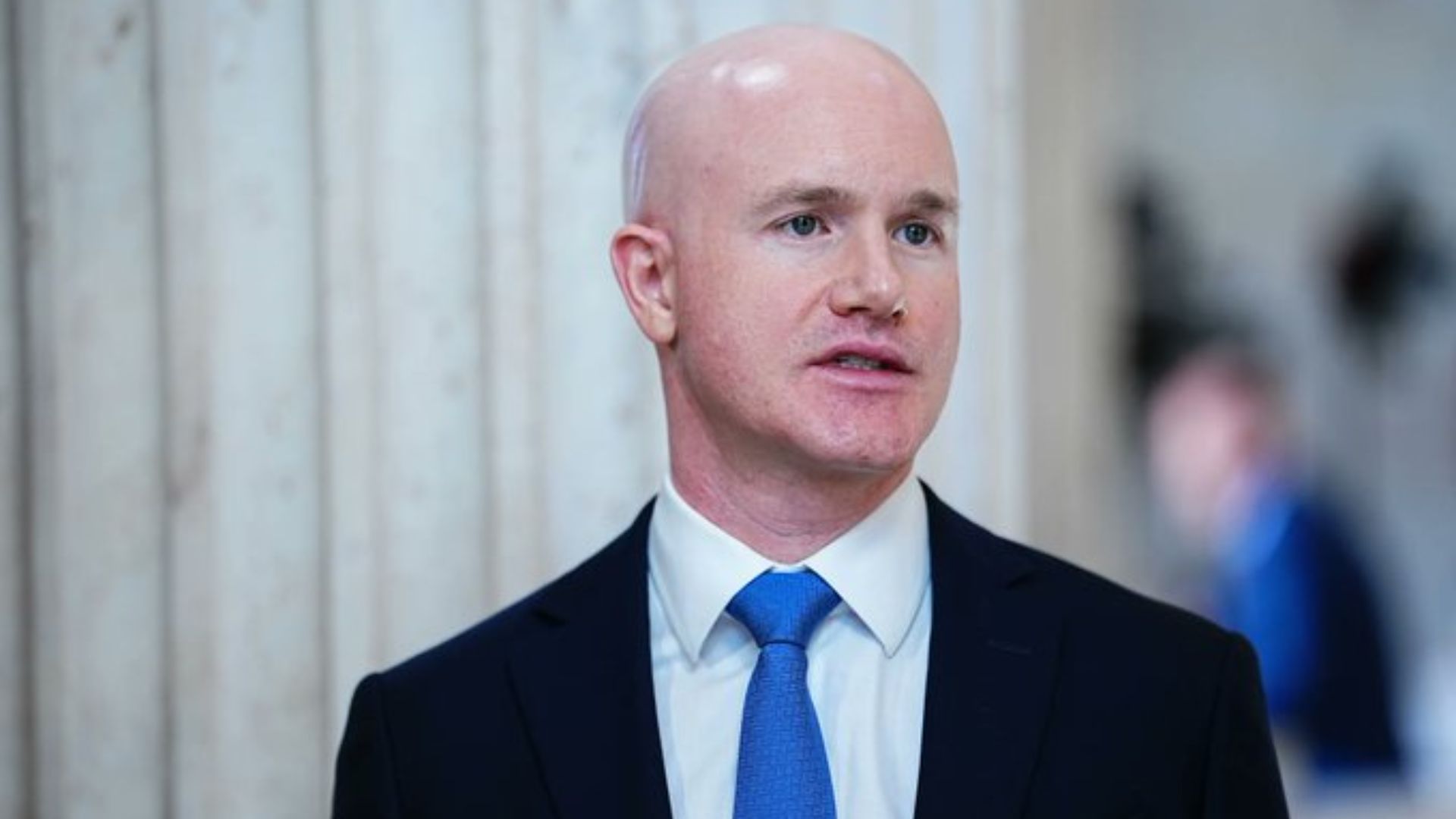
The tech industry has shed 92,000 jobs in the first months of 2026, with more than 100 companies contributing to that number, according to Layoffs.fyi. Now, Coinbase CEO Brian Armstrong is putting the broader economy on notice, warning that the workforce restructuring happening inside Silicon Valley is not a tech story. It is a preview of decisions every industry will soon have to make.
Coinbase Is Cutting 700 Jobs, About 14 Percent of Its Workforce

Armstrong announced Tuesday that Coinbase would eliminate roughly 700 positions, or about 14 percent of its total staff. He pointed to AI and rapidly shifting workforce demands as the driving forces behind the decision. The news came ahead of an earnings call, and Coinbase shares rose from a Monday close of $202.99 to $207.87 when markets opened Tuesday, following the restructuring announcement.
Armstrong Says an Inflection Point Has Arrived for Every Company

In an email to employees reported by Newsweek, Armstrong framed the layoffs as part of a much larger shift. “The pace of what’s possible with a small, focused team has changed dramatically, and it’s accelerating every day,” he wrote. “All of this has led us to an inflection point, not just for Coinbase, but for every company.” Armstrong has been clear that those forces are not unique to Coinbase or the tech sector.
Managers Are Expected to Work Alongside Their Teams, Not Above Them

Beyond the headcount reduction, Armstrong is also reshaping how the company is managed internally. Every leader is now expected to be a hands-on contributor, not just an overseer, with managers working directly alongside their teams rather than above them. The company is also capping its hierarchy at five layers below the CEO and COO to move faster and reduce what Armstrong called “coordination tax.”
The Cuts at Major Tech Companies Go Well Beyond Coinbase

Meta is facing potential cuts of around 8,000 employees, with chief people officer Janelle Gale saying in an internal memo that the cuts were meant to offset other investments the company is making. Oracle has announced roughly 30,000 job cuts tied to automation and cloud efficiency, and Amazon has reduced its workforce by more than 16,000, affecting its Alexa division and corporate teams, according to 247WallSt.
Many of the Companies Cutting Jobs Are Actually Turning Strong Profits

A notable thread running through the 2026 layoff wave is that most of the companies making cuts are not struggling financially. Meta generated $48.2 billion in free cash flow over the last 12 months. Alphabet holds more than $126 billion in cash and marketable securities. Coinbase itself returned to profitability during the crypto rebound. The cuts are about leaner operations, not financial distress, and markets have responded positively, according to 247WallSt.
Zuckerberg Says One Person Can Now Do What Teams Once Did

Meta CEO Mark Zuckerberg made a similar point. “We’re starting to see projects that used to require big teams now be accomplished by a single very talented person,” he said. The company has separately announced plans to spend up to $135 billion on technology, with Zuckerberg having previously said AI is what is enabling fewer people to accomplish what once required entire teams.
Sam Altman Cautions Against Blaming AI for Every Job Cut

The AI explanation has its skeptics, including one of the technology’s most prominent figures. OpenAI founder Sam Altman told CNBC at the India AI Summit in February that while AI is reducing demand for certain roles, some companies are using it as a convenient cover for layoffs unrelated to technological change. Altman also noted that past technology revolutions gave rise to entirely new job categories, and the current disruption may follow the same path.
An Executive Coach Says This Shift Is Permanent, Not Cyclical

Anthony Tuggle, an executive coach and leadership expert, told CNBC the current moment should not be mistaken for a temporary market correction. “This represents a fundamental structural shift,” he said, adding that what is unfolding amounts to a permanent change in how work gets organized across industries. Tuggle’s view aligns with what several CEOs have signaled, that this reorganization goes well beyond cost-cutting.
The Broader Economic Picture Is Where the Real Uncertainty Lies

Labor costs make up roughly 70 percent of operating expenses in many service industries, according to S&P Global data, which means even modest workforce reductions can significantly lift corporate profits. But consumer spending drives nearly 70 percent of U.S. GDP, and 247WallSt notes that rising corporate earnings alongside shrinking payrolls could create a paradox: more productive companies selling to consumers with less money to spend.