

Products are selected by our editors, we may earn commission from links on this page.
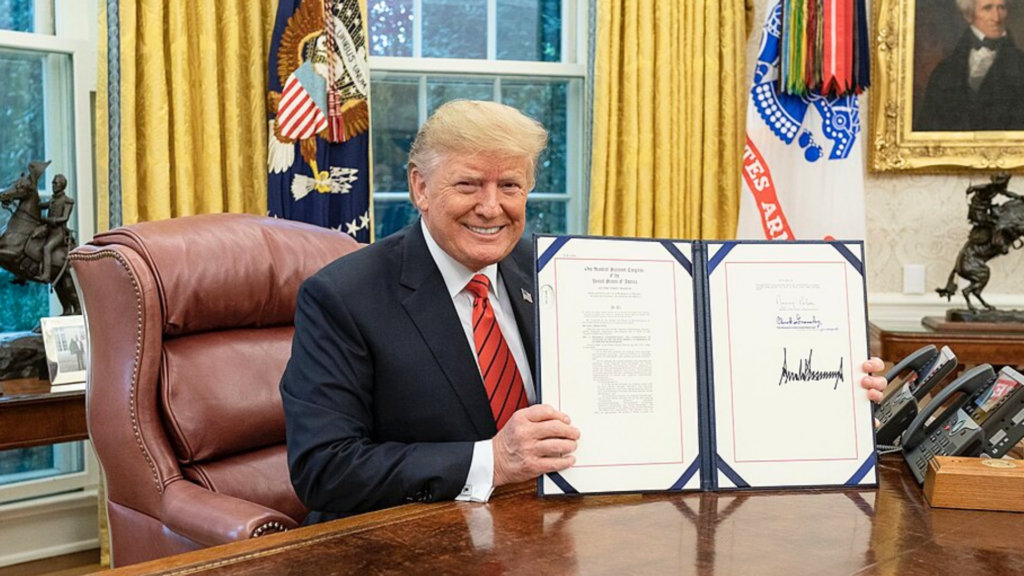
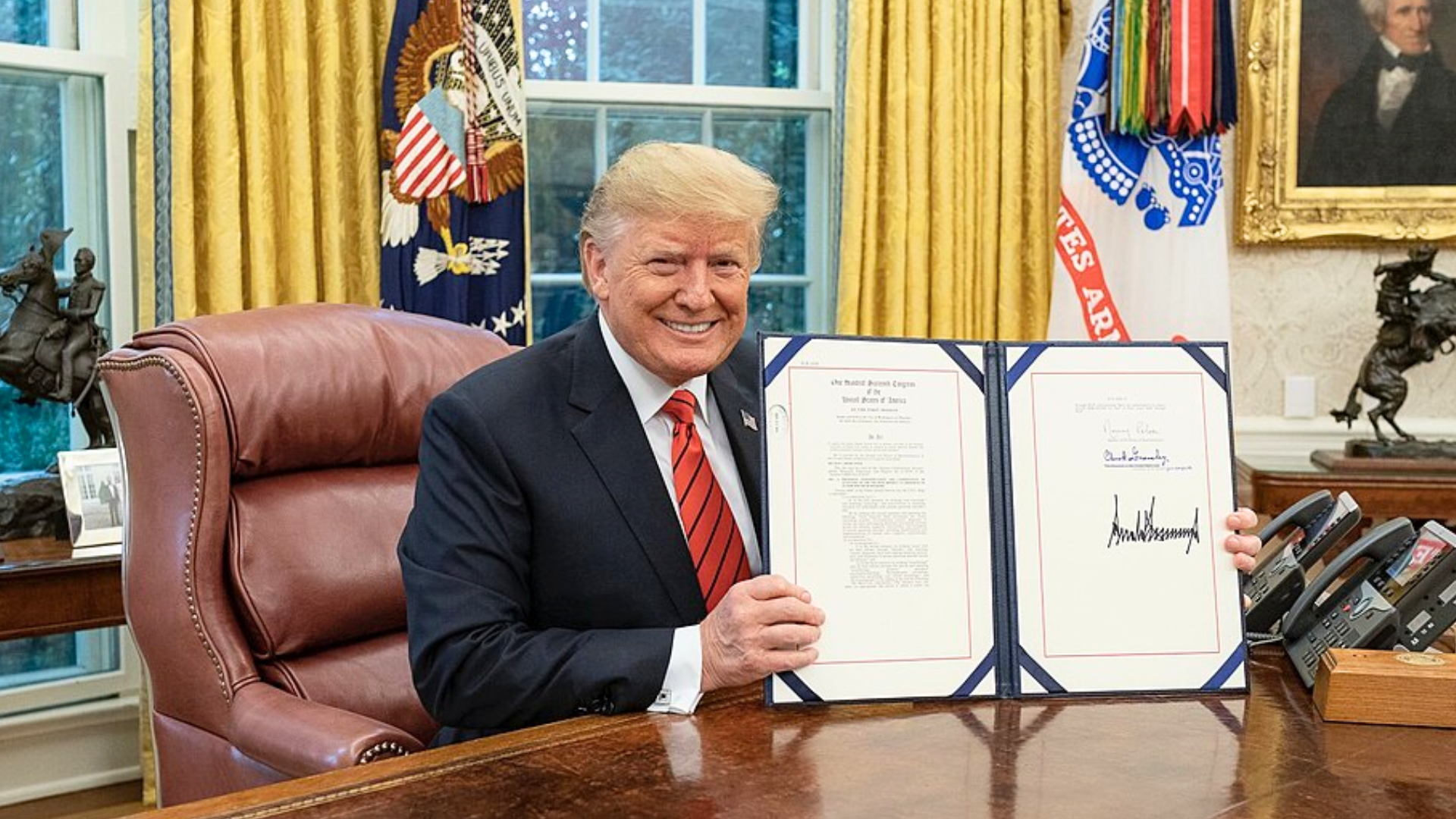
President Donald Trump has signed a new executive order aimed at expanding retirement savings access for an estimated 56 million Americans who currently lack employer-sponsored plans. The order directs the creation of a federal platform designed to help workers enroll in low-cost individual retirement accounts and receive matching contributions. Officials say the goal is to close the retirement coverage gap affecting gig workers, part-time employees, and low-income earners.
The initiative includes a system called TrumpIRA.gov, which will allow users to compare and select retirement accounts offered by private financial institutions. Eligible workers could receive up to $1,000 per year in federal matching contributions depending on income and savings levels.
Supporters say the policy could represent one of the largest expansions of retirement access in decades, especially for workers without 401(k) benefits. However, questions remain about participation rates, implementation, and whether the system will reach those most in need.
How the Retirement Expansion Plan Works
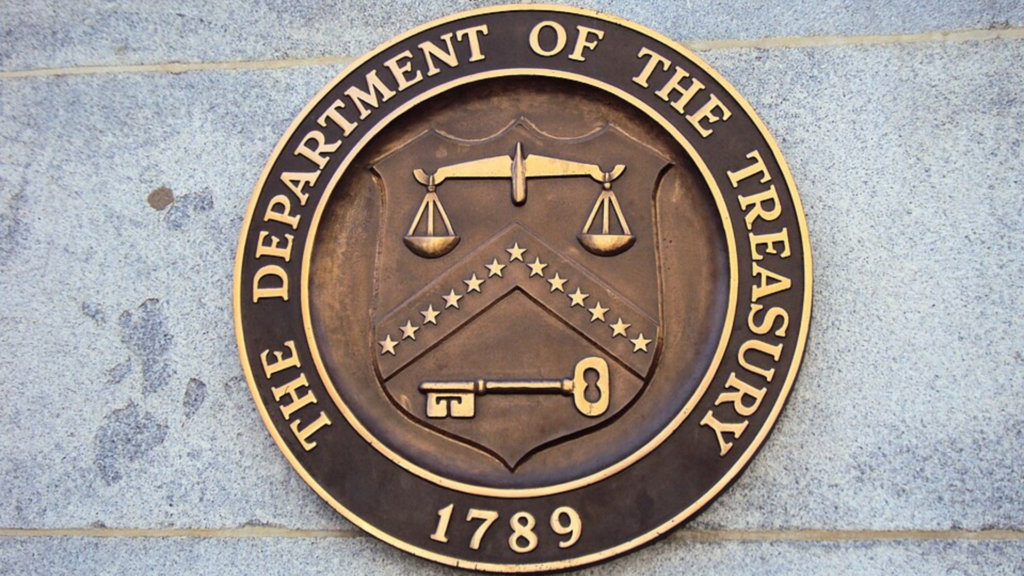
Under the executive order, the Treasury Department will oversee the creation of TrumpIRA.gov, a centralized website where Americans can enroll in qualifying retirement accounts. The platform is intended to help users compare low-fee investment options and simplify access to private-sector IRA providers.
A key feature of the plan is the federal Saver’s Match program, which provides government contributions of up to $1,000 annually for eligible workers. This benefit targets lower- and middle-income Americans who contribute regularly to retirement savings accounts.
The initiative builds on existing retirement savings gaps, as roughly 56 million Americans do not have access to workplace retirement plans. Experts say even modest participation could significantly increase long-term savings for many households.
Political Debate and Economic Questions

The executive order has sparked political debate over whether it meaningfully addresses retirement insecurity or simply expands existing IRA access with federal incentives. Supporters argue it provides a much-needed solution for workers without employer-sponsored plans. Critics say Americans can already open IRAs independently, raising questions about necessity.
Some economists believe the program’s success will depend heavily on participation rates and whether workers can consistently contribute enough to benefit from matching funds. Others caution that requiring voluntary enrollment may limit its effectiveness, especially among lower-income workers who struggle to save.
There is also debate over whether additional reforms, such as automatic enrollment or stronger federal matching, would be needed to achieve meaningful retirement security improvements.
Major Retirement Policy Shift Faces Questions Over Impact

The executive order represents a major attempt to expand retirement savings access for millions of Americans without workplace plans. By introducing a federal matching system and centralized enrollment platform, the policy aims to encourage long-term financial security. However, its effectiveness will depend on participation and execution.
While supporters view the plan as a historic step toward closing the retirement gap, critics question whether it goes far enough to solve deeper structural issues. Concerns about accessibility, awareness, and voluntary enrollment remain central to the debate. The rollout of the program will be closely watched as it approaches implementation.
Ultimately, the initiative highlights both the potential and the challenges of expanding retirement savings through federal incentives.