


Products are selected by our editors, we may earn commission from links on this page.

A groundbreaking development in solar energy is capturing global attention after scientists achieved what was once considered impossible, pushing solar efficiency beyond traditional limits. For decades, researchers believed there was a hard ceiling on how much energy solar panels could convert from sunlight, but a new discovery is challenging that assumption in a big way. By using an innovative molecular approach, scientists have unlocked a method that could dramatically increase how much power solar technology can generate. This breakthrough not only has the potential to reshape renewable energy but could also accelerate the transition away from fossil fuels on a global scale.
Why Solar Efficiency Has Always Been Limited
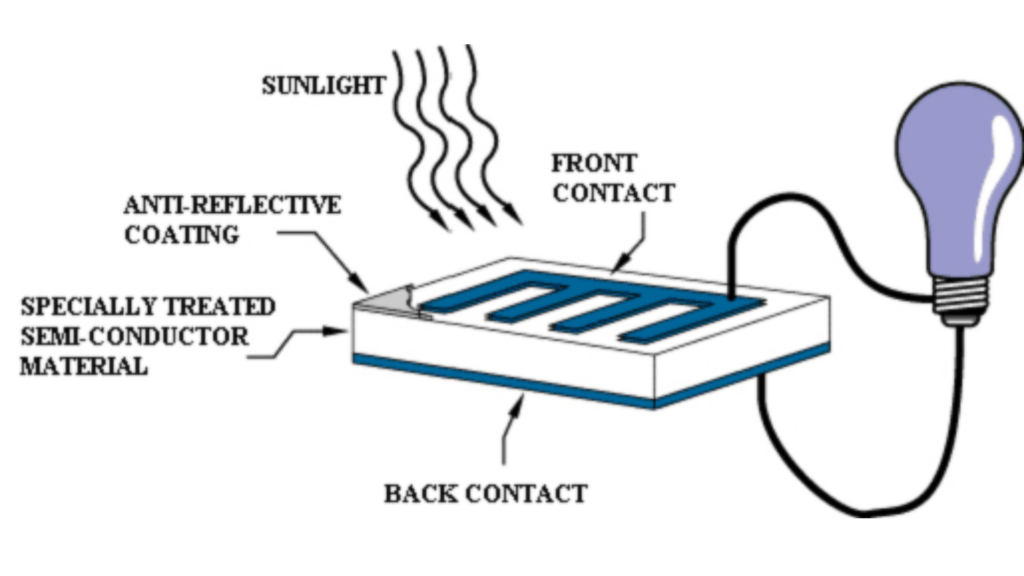
Traditional solar panels have long been constrained by what scientists call a “physical efficiency ceiling,” meaning only a portion of sunlight can be converted into usable electricity. Much of the energy from sunlight is either lost as heat or passes through the material without being captured, which significantly limits overall performance. In fact, modern solar panels typically capture only a fraction of the total energy available, making efficiency improvements one of the most important challenges in renewable energy research.
The ‘Impossible’ Efficiency Breakthrough Explained

In a major leap forward, researchers developed a new system capable of achieving approximately 130% efficiency, an astonishing figure that surpasses what was once thought possible for solar cells. While this does not violate the laws of physics, it reflects a new way of measuring how energy is captured and converted at the microscopic level. Instead of being limited to one unit of energy per photon, the new method allows multiple energy carriers to be generated from a single particle of light, dramatically increasing output.
How ‘Spin-Flip’ Technology Makes It Possible

At the heart of this breakthrough is a process known as “singlet fission,” enabled by a special “spin-flip” metal complex. This advanced material allows high-energy light particles to split into multiple lower-energy excitations, effectively multiplying the amount of usable energy produced. By capturing energy that would normally be lost as heat, this technique represents a completely new approach to solar design and opens the door to far more efficient systems.
Why This Changes the Game for Renewable Energy

If successfully scaled, this breakthrough could significantly boost the performance of solar panels without requiring additional sunlight or space. Higher efficiency means more electricity generated from the same surface area, which could reduce costs and make solar energy more accessible worldwide. This is especially important as countries look for faster and more effective ways to reduce carbon emissions and transition to cleaner energy sources.
How It Compares to Current Solar Technology

Today’s commercial solar panels typically achieve efficiency levels of around 20–25%, which highlights just how significant this new development could be if applied in real-world systems. Even cutting-edge experimental technologies have struggled to push far beyond these limits due to fundamental physical constraints. By breaking through this barrier, the new approach suggests that future solar panels could deliver far greater output than anything currently available on the market.
Challenges Scientists Still Need to Solve

Despite its promise, the technology is still in the early stages and faces several hurdles before it can be widely adopted. Researchers must find ways to integrate the new materials into durable, scalable solar panels that can withstand real-world conditions. Additionally, manufacturing costs and long-term stability will need to be addressed before the technology can move from the lab to commercial use.
What This Means for the Future of Energy

The implications of this breakthrough extend far beyond solar panels themselves, potentially influencing the entire global energy landscape. More efficient solar technology could reduce reliance on fossil fuels, lower energy costs, and make renewable power viable in regions where it was previously less practical. As energy demand continues to rise, innovations like this could play a critical role in meeting future needs sustainably.
Why the World Is Paying Attention

Experts and industry leaders are closely watching this development because it challenges long-standing assumptions about solar power’s limitations. The idea that efficiency can exceed previously accepted boundaries is generating excitement across the scientific community and the energy sector alike. If the technology proves viable at scale, it could trigger a new wave of investment and innovation in renewable energy worldwide.
A Glimpse at What Comes Next

While it may take years before this breakthrough becomes commercially available, its potential impact is already clear. Scientists are continuing to refine the technology and explore ways to integrate it into next-generation solar systems. As research progresses, this discovery could mark a turning point in how we harness the sun’s energy, bringing us closer to a future where clean, abundant power is not just a goal, but a reality.