

Products are selected by our editors, we may earn commission from links on this page.

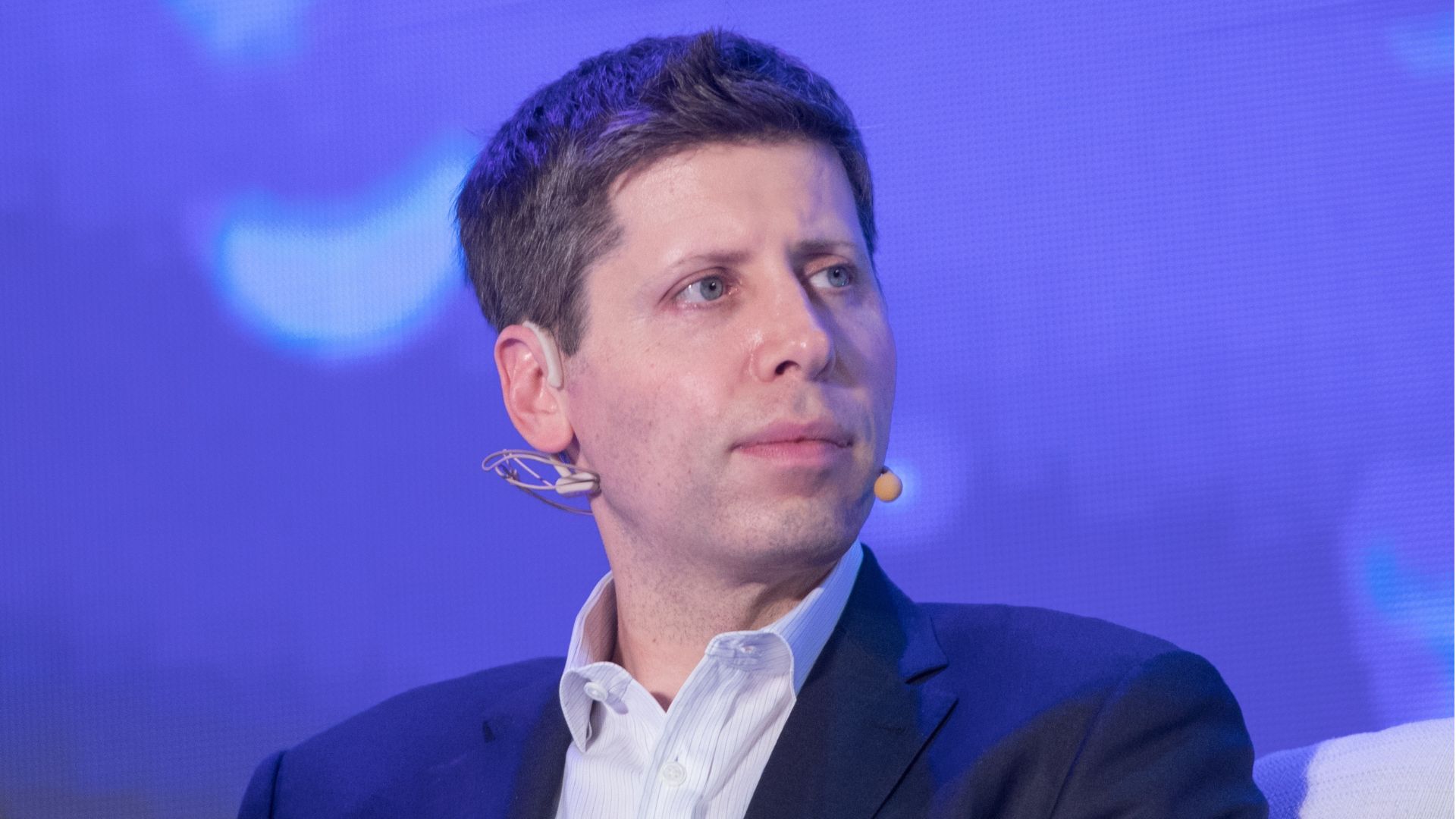
Leading an AI company now comes with a security detail. Executives are facing a surge of threats and security incidents as public opposition to the technology grows. In April, an intruder walked into Anthropic’s San Francisco lobby to warn that an executive was “going to be killed,” days after an attempted firebombing at OpenAI CEO Sam Altman’s home, the Wall Street Journal reported. The unease is pushing companies to rethink how they protect their leaders.
A Texas Man Is Charged in the Attack on Altman’s Home

The man accused of firebombing Altman’s house now faces attempted murder and arson charges, the Journal reported. Investigators found a manifesto in which he pushed for AI executives and investors to be killed, and he has pleaded not guilty. Altman responded by posting a photo of his husband and child, saying he hoped it might give the next attacker pause, no matter what they thought about him.
An Intruder Slipped Into Anthropic’s Lobby Undetected

He slipped into the building by trailing an employee through a badge-swipe entry, then handed a security guard an envelope marked with a top executive’s name, the Journal reported. He said the executive was going to be killed and that he needed to warn someone. The April 15 encounter ended without an arrest. In June, another man threatened to arrive at Anthropic’s office with a pistol during a dispute over a refund, according to police records.
Digital Threats Against AI Leaders Jumped Sevenfold

Digital threats aimed at AI executives and data centers grew sevenfold in just three months, according to Liferaft, a firm that monitors social media and the dark web for Fortune 100 companies, per the Journal. Liferaft CEO Jonathan Graff said he was struck by how quickly the situation deteriorated. The number of threats declined somewhat in June, according to Liferaft.
Smaller AI Firms Are Feeling the Backlash Too

AI’s biggest players aren’t the only ones catching heat these days. Corgi, an AI insurance company with about 200 employees, runs a cafe in San Francisco’s Financial District where passersby regularly shout or curse at staff, CEO Nico Laqua told the Journal. Someone vandalized the company’s shuttle bus earlier this year, prompting Laqua to bring in additional security for the cafe.
Executive Protection Budgets Are Climbing Industry-Wide
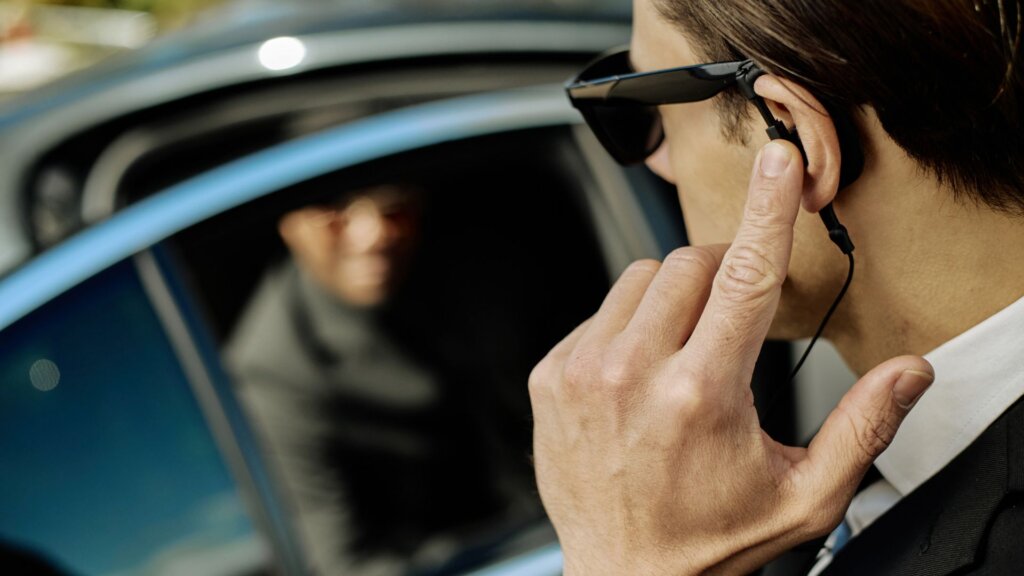
Company budgets are catching up to the moment. An Equilar analysis cited by the Journal found 38.1% of S&P 500 tech companies disclosed spending on executive protection in 2025, up from 26.8% in 2021. Palantir’s spending rose 150% to nearly $3 million, Oracle’s climbed 85.5% to $5.6 million, largely to protect CEO Larry Ellison, and Salesforce’s grew to about $4 million.
Job Losses Are Fueling Much of the Anger

Palantir CEO Alex Karp has called political unrest tied to AI the industry’s biggest challenge. Speaking at a conference on AI and labor, Karp said fear of unemployment is driving the hostility. When people are told their job is going to disappear, “people go for the pitchfork,” he said, according to the Journal and Entrepreneur. He’s not alone in worrying about the fallout.
Security Firms Say Demand From Tech Clients Is New

Tech CEOs largely went without personal security a few years ago, said Dakota Dominguez, vice president of client relations at JPT Security, a Silicon Valley firm, per the Journal. Unlike musicians or politicians who often prefer visible bodyguards, tech executives typically request a low profile. Some AI companies are also discouraging employees from wearing corporate logos in public to reduce the risk of being targeted, said Nabih Numair, a longtime Silicon Valley security professional.
Public Opinion on AI Has Turned Sharply Negative

Anthropic isn’t waiting for the next incident. The company has run round-the-clock security since 2024 and tracks concerning behavior over time to catch escalation patterns early, a spokesman told the Journal. The shift comes as sentiment sours nationally: a March survey of about 1,400 U.S. adults by Quinnipiac University found Americans concerned about AI outnumber those who aren’t by more than four to one, and 55% said AI is doing more harm than good.
A Consultant Compares the Moment to the Luddite Uprising

Daniel Green, a Kansas City consultant who works on AI training and corporate-tech adoption, told the Journal that the people he encounters have absorbed executives’ own rhetoric, that the technology is a job killer and using it means training your replacement. He compared it to the Industrial Revolution, noting that opposition to new technology, like the Luddite movement, has turned violent before. As AI’s reach keeps expanding, that friction between innovation and public trust isn’t likely to fade soon.