

Products are selected by our editors, we may earn commission from links on this page.
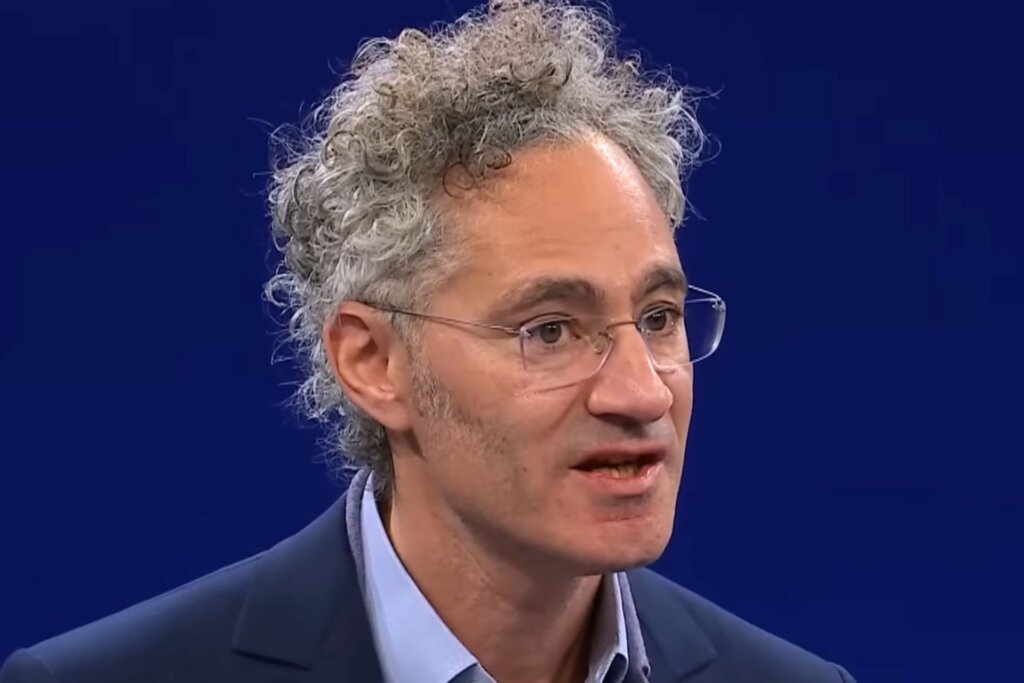
As artificial intelligence continues to reshape industries, one CEO’s blunt prediction is sparking debate about who will succeed in the years ahead. Palantir CEO Alex Karp recently suggested that only two types of people are well positioned to thrive in an AI-driven economy. His comments come at a time when workers across generations are already questioning how automation will affect their careers.
The Two Groups He Says Will Thrive

Karp’s argument is striking in its simplicity. According to his remarks, the future job market will favor two groups: people with vocational or trade skills, and those who are neurodivergent. These categories, he argues, are more resistant to automation and better suited to adapt as AI becomes more advanced. While the statement may sound narrow, it reflects broader concerns about how technology is changing the nature of work.
Why Trade Skills Are Gaining Value
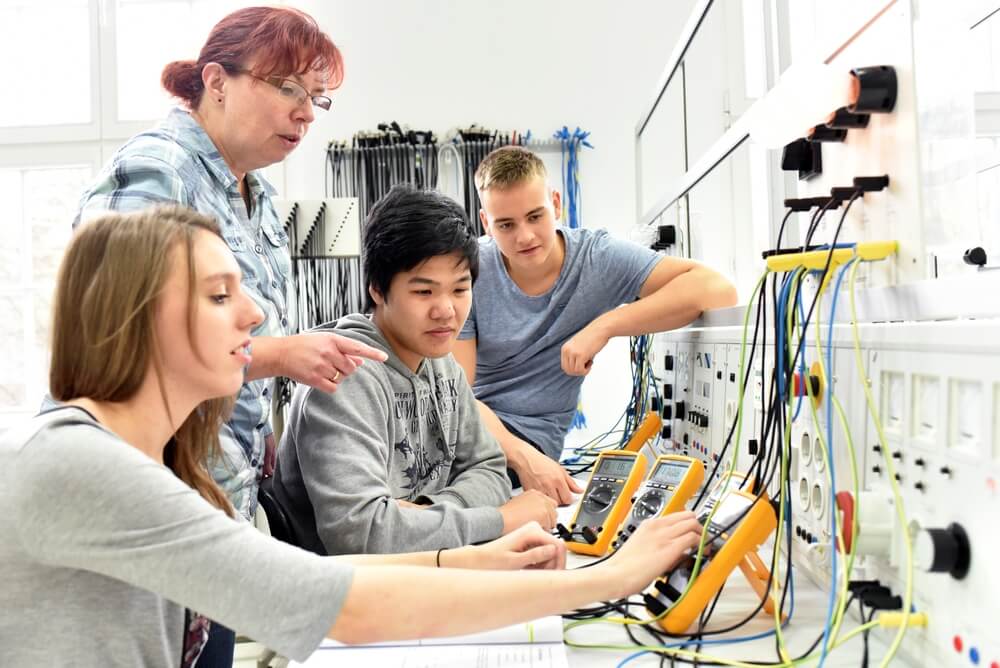
The first group Karp highlights includes workers with hands-on skills, such as electricians, plumbers, and construction specialists. These jobs are difficult to automate because they require physical presence, problem solving, and adaptability in real-world environments. As tech companies expand infrastructure like data centers, demand for skilled trades is rising, even as many white-collar roles face uncertainty.
The Role of Neurodivergent Thinking

The second group Karp points to is more unconventional. He suggests that neurodivergent individuals, including those with conditions such as dyslexia, ADHD, or autism, may have an advantage in an AI-driven world. However, his focus is less on diagnosis and more on mindset. According to Karp, people who think differently, challenge norms, and approach problems creatively may be better equipped to build and innovate alongside AI systems.
A Shift Away From Traditional Career Paths

Karp’s comments also reflect a broader skepticism toward traditional career routes, especially higher education. Despite holding multiple advanced degrees himself, he has openly questioned whether academic paths alone can prepare workers for the future. He warned that some fields, particularly in the humanities, may become harder to market as AI takes on more analytical and content-based tasks.
Growing Concerns About Job Displacement

His remarks come amid rising concern about how many jobs could be affected by automation. A U.S. Senate report has estimated that emerging technologies could disrupt or even eliminate up to 100 million jobs over the next decade. While not all of these losses will happen at once, the scale of potential change is significant enough to reshape the labor market in lasting ways.
Younger Workers Feel the Pressure Most

The uncertainty is especially strong among younger workers entering the job market. Many are facing a landscape where entry-level roles are shrinking, and expectations are shifting quickly. At the same time, AI tools are being integrated into workplaces faster than many anticipated. This creates a situation where workers must adapt not only to new technologies but also to new definitions of what skills are valuable.
Not Everyone Agrees With the Prediction

Karp’s comments have sparked mixed reactions. Some critics argue that his view oversimplifies a complex issue and ignores the broader range of skills needed in a functioning economy. Online discussions have questioned whether a system built around such narrow success categories could sustain itself. Others have pushed back on the idea that neurodivergence alone determines success, pointing out that opportunity depends on many factors beyond cognitive style.
Other Experts Offer a Different Perspective

In contrast, other leaders in the tech industry emphasize a more balanced view of the future. Some argue that skills such as communication, emotional intelligence, and critical thinking may become even more important as AI handles routine tasks. These abilities, often associated with humanities education, could play a key role in helping people work effectively alongside machines and each other.
What This Means for the Future Workforce
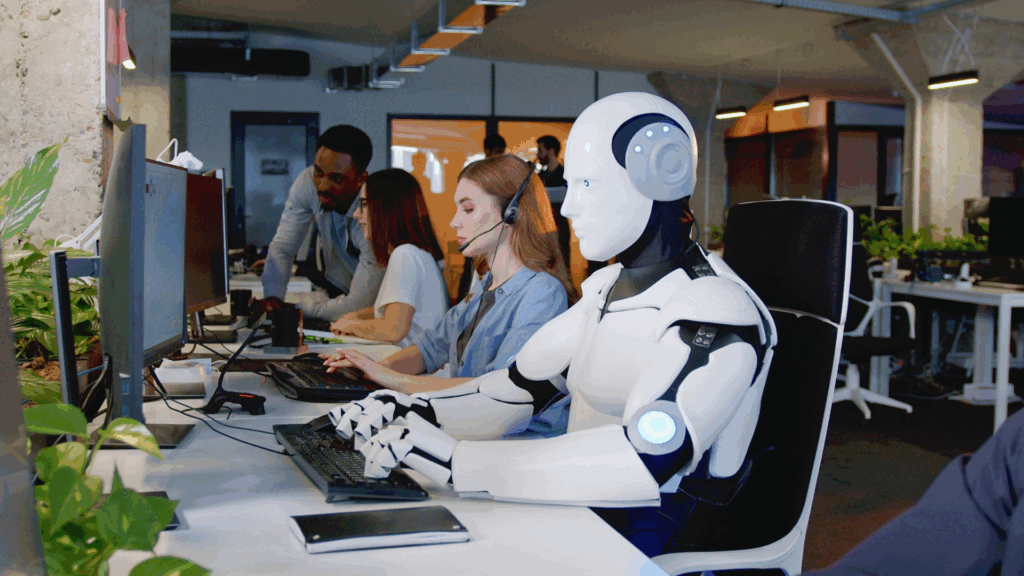
Karp’s prediction highlights a larger shift in how work is evolving. While his categories may be debated, the underlying message is clear: the job market is changing, and not all roles will adapt in the same way. For workers, this means focusing on skills that are harder to automate, whether that involves hands-on expertise, creative thinking, or adaptability.