

Products are selected by our editors, we may earn commission from links on this page.
Walk into a Walmart and the signals are everywhere: rollback signs, bright yellow tags, a store brand literally called Great Value. The whole experience is engineered to feel like saving. So when a Consumer Reports study claimed Costco was 21.4 percent cheaper than Walmart on average, one shopper refused to take anyone’s word for it. She built a 32-item grocery list, visited both stores, and ran the price-per-ounce math herself. Walmart did not just lose. It lost by 25 percent.
The Rules of the Test
To make the comparison as fair as possible, shopper Savannah Born priced 32 common grocery items at both stores, seeking either brand-name or private-label equivalents at each location. Rather than comparing package totals which vary wildly between a warehouse store and a traditional retailer. She calculated price per ounce across every category. That method strips away the illusion that a bigger package automatically means a better deal and puts both stores on genuinely equal footing. The results, she said, shocked her.
Produce: Costco Won on Quality, Walmart on a Few Prices
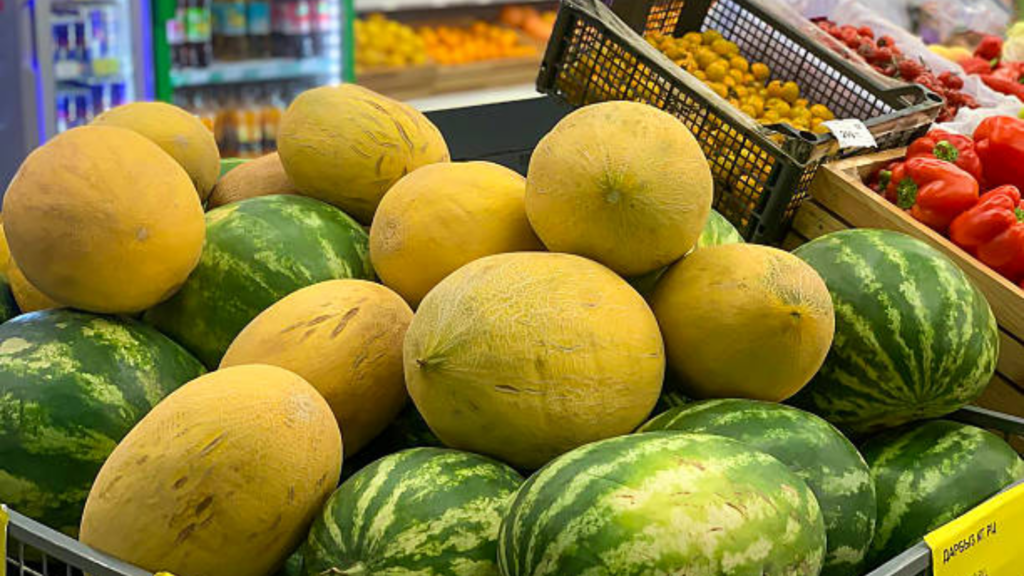
The produce comparison was close but telling. Walmart’s honeycrisp apples came in 42 cents cheaper per pound, and its watermelons were less expensive by unit. But Born noted that Walmart’s potatoes looked soft, the romaine appeared wilted, and the watermelons were noticeably smaller than Costco’s. Strawberries were actually cheaper at Costco at $2.25 per pound versus $2.87 at Walmart. For shoppers who prioritize consistent produce quality and are willing to pay a few dollars more, Costco delivered a more reliable haul across the full basket.
Dairy and Snacks: The Gap Started Getting Serious
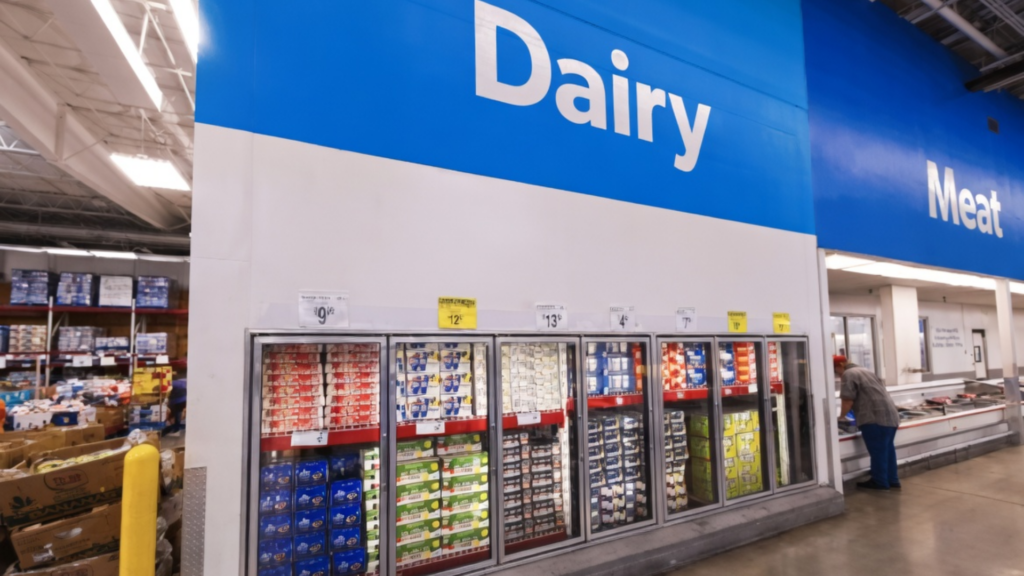
Milk prices were nearly identical, but cheese and butter told a different story. Shredded Mexican-style cheese ran $2.60 per pound at Costco against $3.46 at Walmart. Private-label butter was $2.12 per pound at Costco versus $3.23 at Walmart. In the snack aisle, the gap widened further. Simple Mills crackers cost $0.50 per ounce at Costco and $1.08 at Walmart. More than double. Graham crackers, popcorn, and Cheerios all followed the same pattern. Category by category, Costco’s per-ounce prices were pulling further and further ahead.
Pantry Staples and Beverages: Costco Pulled Away
Olive oil was $0.19 per ounce at Costco and $0.30 at Walmart, a difference that adds up to nearly $11 on a single three-liter jug. Zevia soda cost $0.60 per can at Costco versus $0.94 at Walmart. Decaf coffee, Kodiak pancake mix, jasmine rice, and pasta sauce all followed the same direction. With the exception of canned tuna; about a penny cheaper per ounce at Walmart. Costco dominated the pantry staples category across nearly every item on the list, compounding the overall price gap with each additional comparison.
Walmart Did Win a Few Rounds

The test was not a clean sweep. Eggs were $1.65 per dozen at Walmart versus $1.80 at Costco and importantly, Walmart’s lowest-priced eggs came in an 18-count carton while Costco’s required buying 60 at once, a meaningful difference for smaller households. Chicken breast was $0.42 cheaper per pound at Walmart and available in packages as small as one pound. For baking staples like flour and sugar, Walmart offered a wider range of sizes, making it the more practical choice for anyone who does not cook in large quantities.
The Final Tally: 25.6 Percent More Expensive at Walmart

When Born applied price-per-ounce math across all 32 items, the result exceeded even Consumer Reports’ findings. Shopping the same list at Walmart would cost approximately 25.6 percent more than at Costco. She acknowledged the comparison is conceptual since the two stores sell items in different weights and quantities — but the per-ounce methodology was designed specifically to neutralize that variable. An extra 25 cents on every dollar spent may sound modest on a small run, but on a full weekly grocery haul for a family, that figure compounds into real money very quickly.
The Membership Fee Question
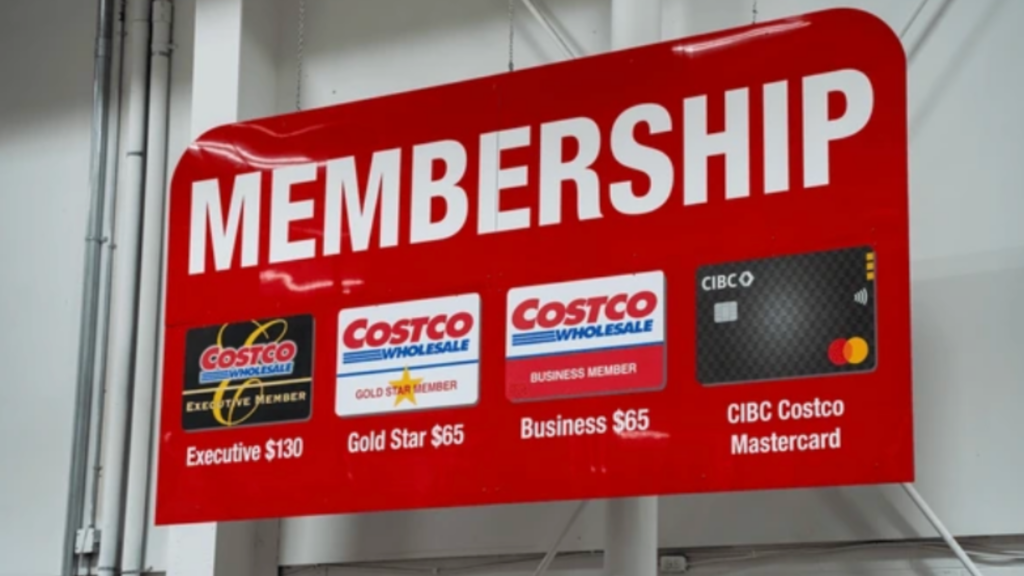
Costco’s lower prices come with a condition: a $65 annual membership fee. For a single person doing light shopping, that cost may not be easy to recover. But for families or households with consistent grocery needs, breaking even on the membership is considered achievable, especially since Costco extends its savings beyond groceries. Members also access discounted gas, travel deals, rental car rates, and tire services. The math changes significantly depending on household size, shopping frequency, and whether the membership benefits extend into those additional categories.
Bulk Buying Is Not for Every Household

Even with lower per-ounce prices, Costco’s format has real limitations. Buying six heads of romaine or ten pounds of potatoes only saves money if the household can actually consume them before they spoil. The same logic applies to oversized spice jars, 60-count egg cartons, and bulk snack packages. Wasted food cancels out any price advantage. Walmart’s ability to sell smaller quantities — a single pound of chicken, a four-pound bag of sugar, a five-pound bag of flour — makes it the more practical option for individuals, couples, and anyone cooking for one or two people regularly.
The Store That Feels Cheaper Is Not the Store That Is Cheaper
Walmart has spent decades building an identity around low prices, and that identity is embedded in everything from its signage to its store brand names. The perception is powerful and not entirely inaccurate — Walmart does win on eggs, chicken, smaller-format baking staples, and product variety. But perception and reality are not the same thing. Across 32 grocery items and rigorous per-ounce math, Costco came out 25.6 percent cheaper. The lesson is not that everyone should switch stores. It is that the store engineered to feel like savings is not always the one delivering them.