

Products are selected by our editors, we may earn commission from links on this page.
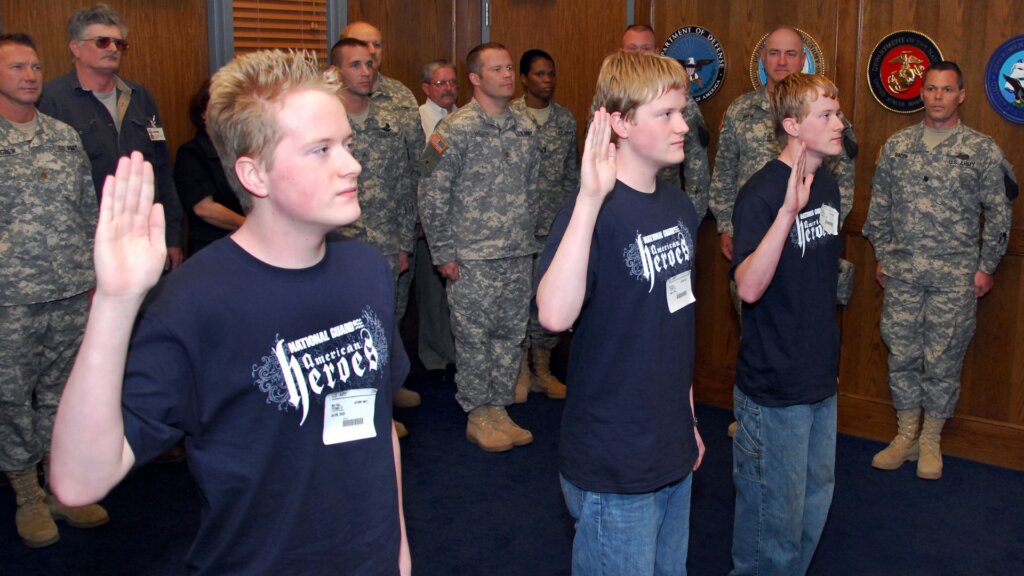
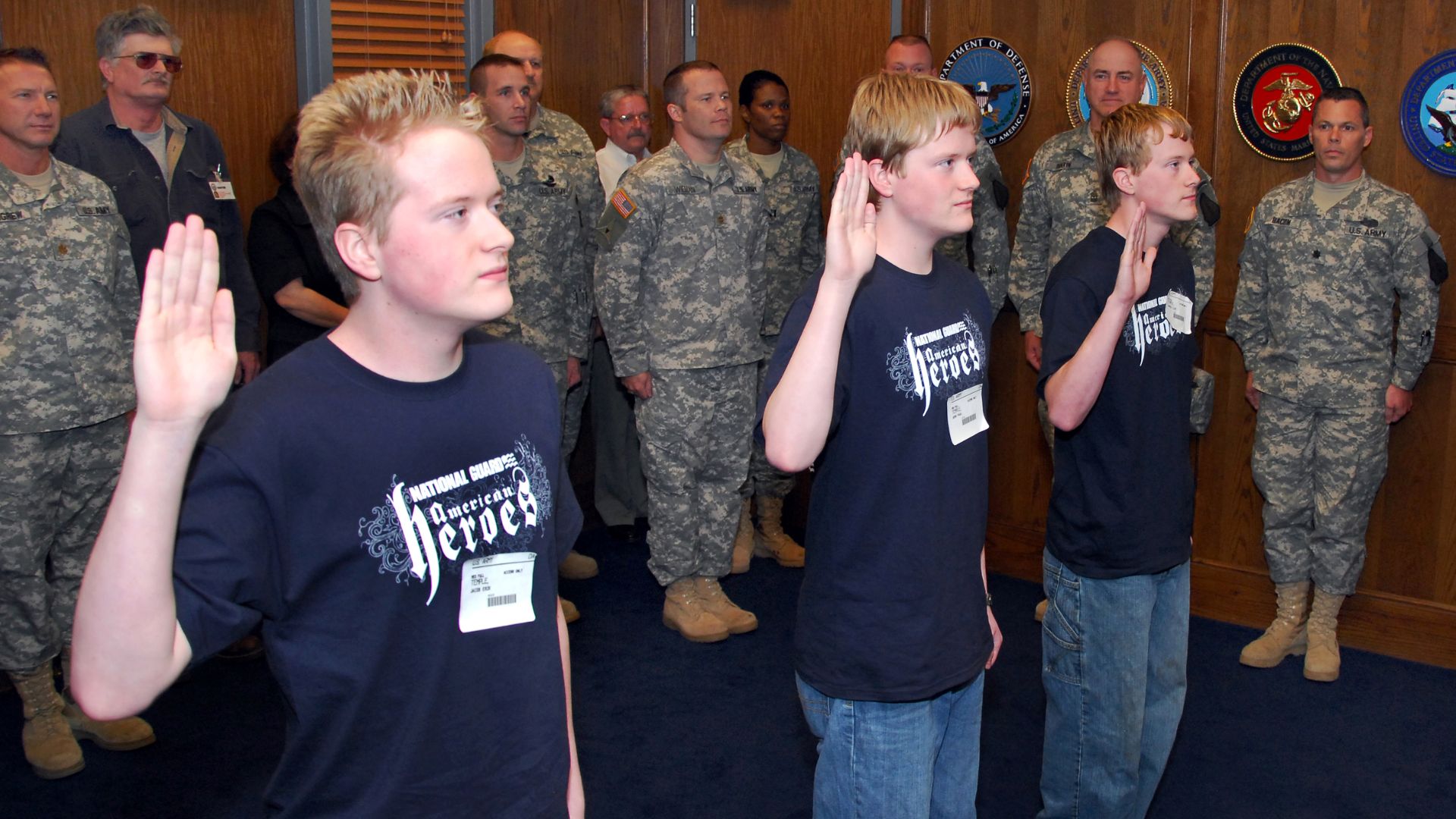
Starting this December, the U.S. government will begin enrolling eligible men into the military draft pool without requiring them to sign up themselves. No form to fill out, no deadline to remember. For the first time in the history of the Selective Service System, the federal government will handle registration on its own. It sounds like a quiet administrative update, but the implications stretch far beyond paperwork.
What the Selective Service System Actually Does
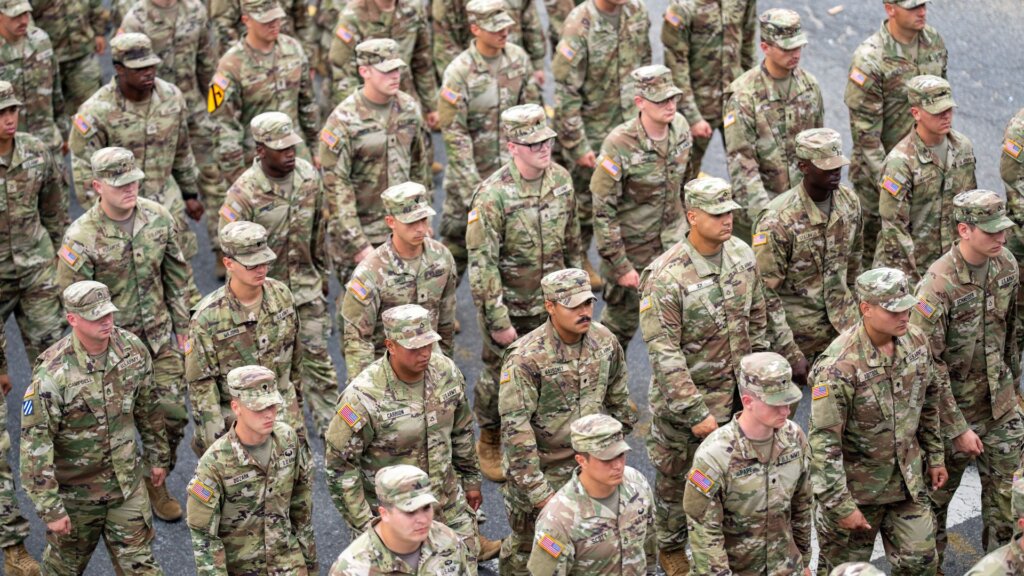
The Selective Service System is a federal agency that keeps a running list of men who could be called to serve in the military during a national emergency. It does not mean anyone is being drafted today. The U.S. has not activated a draft since 1973. But the registry exists as a backup plan, and federal law has long required nearly all male citizens and immigrants between 18 and 25 to be on it.
How Registration Used to Work

Until now, men were expected to register themselves within 30 days of turning 18. Late registration was allowed up to age 26, but missing the window carried serious consequences. The system depended on individuals knowing the rule and acting on it. That assumption proved increasingly flawed. Registration numbers dropped, and the agency had to spend significant money on advertising campaigns just to remind people that the requirement existed.
The Law That Started It All
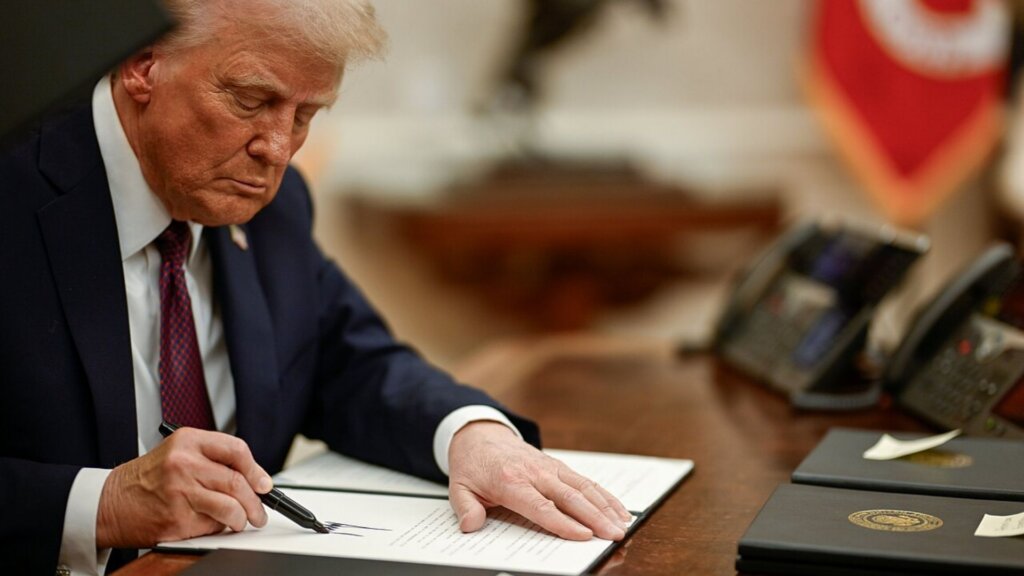
The shift to automatic registration did not happen by executive order. It was written into law. In December 2025, President Donald Trump signed the fiscal year 2026 National Defense Authorization Act, which mandated that the Selective Service System take over the registration process entirely. Instead of waiting for men to come to them, the agency will now pull information directly from existing federal data sources to build its list.
Where Things Stand Right Now
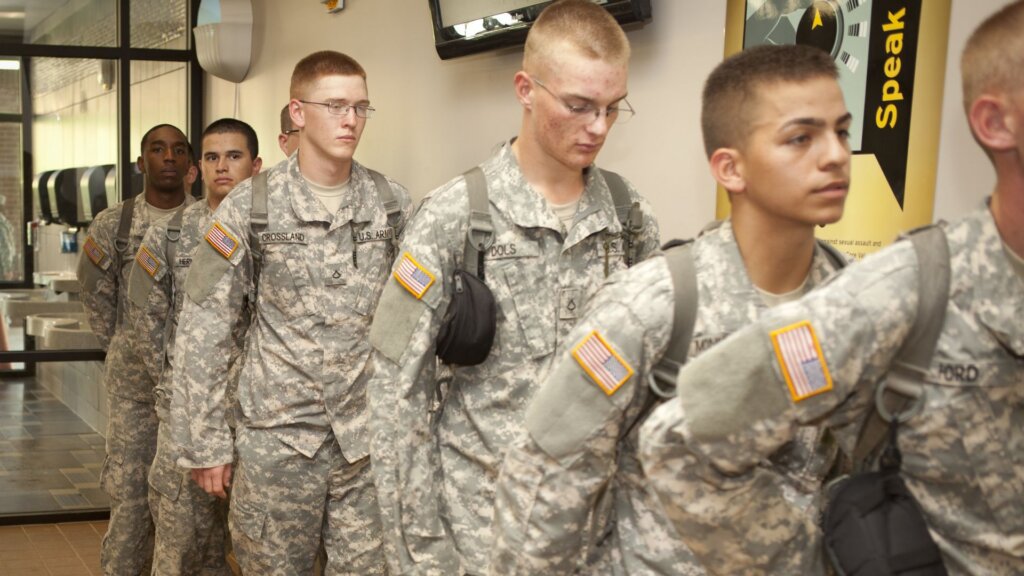
The Selective Service System submitted a proposed rule to the Office of Information and Regulatory Affairs on March 30, 2026. The rule is currently under review and awaiting finalization before it can take effect. If the timeline holds, automatic enrollment is expected to begin in December 2026. The agency describes the move as a way to simplify operations and redirect resources toward readiness and mobilization rather than public awareness campaigns.
The Lawmaker Who Pushed for the Change
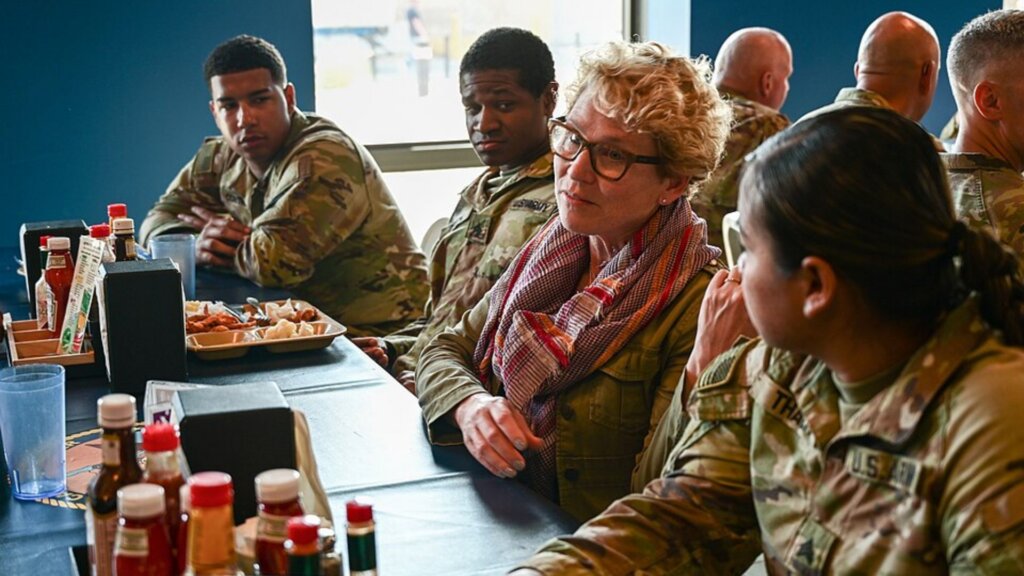
Representative Chrissy Houlahan, a Democrat from Pennsylvania, sponsored the language that introduced automatic registration into the defense bill. Her argument was straightforward: the old system wasted money. According to Houlahan, the change would allow the agency to redirect funds toward readiness and mobilization, rather than spending on education and advertising campaigns to get people to register. She made those remarks back in May 2024, when lawmakers first began working on the proposal.
What Happens to Men Who Never Registered

Under the current system, failing to register carries real penalties. Men who skipped registration could be barred from federal student aid, job training programs, and government employment. They could also face a fine of up to $250,000 or up to five years in prison. One significant drop in registrations came in 2022, when the option to register through federal student loan forms was removed. That single channel had previously accounted for nearly a quarter of all sign-ups.
Women Are Still Exempt, Despite Past Debates
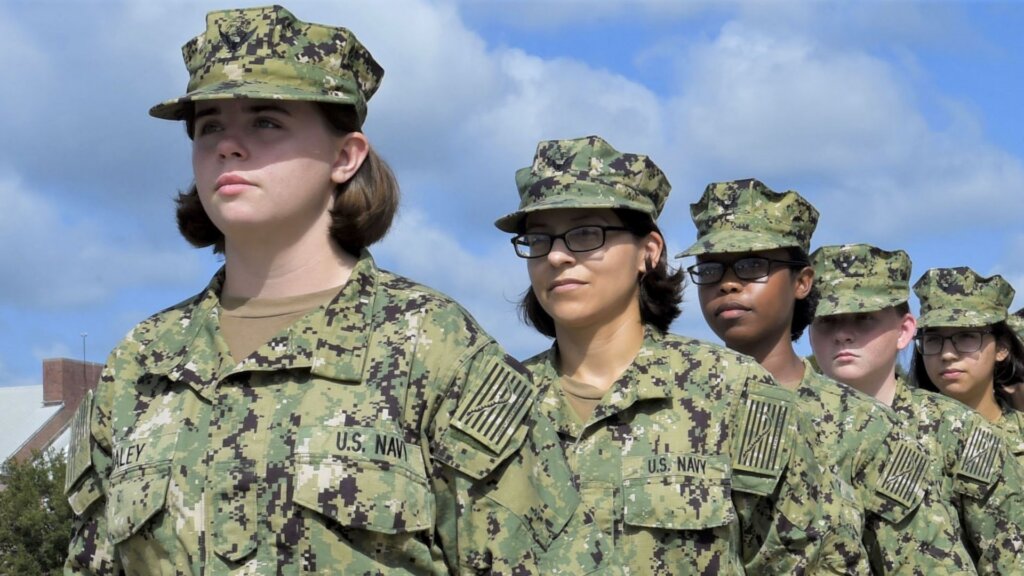
Automatic registration applies only to men. Women remain exempt from Selective Service requirements, even as some lawmakers have pushed to change that over the years. Those efforts have not succeeded. The debate touches on questions about gender equality, military roles, and the meaning of civic obligation. For now, the law draws a clear line. Only male citizens and immigrants between 18 and 25 fall within the scope of the new automatic enrollment system.
A System With Deep Historical Roots
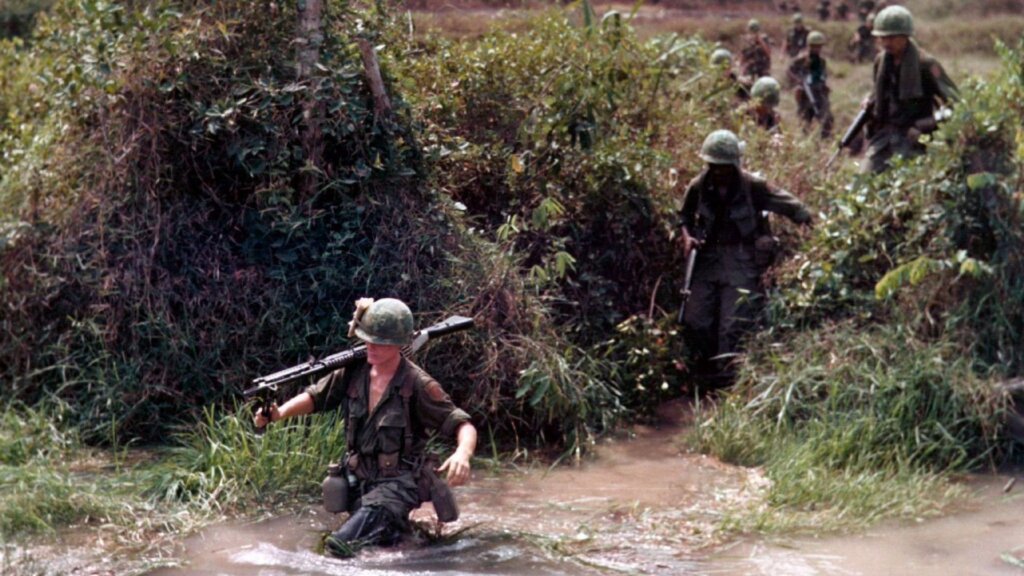
The Selective Service System dates back to 1917, when President Woodrow Wilson established it after the U.S. entered World War I. The draft was suspended by President Gerald Ford in 1975, then reinstated five years later by President Jimmy Carter in response to the Soviet invasion of Afghanistan. The last time the U.S. actually called men to serve through the draft was during the Vietnam War in 1973. Since then, the military has run entirely on volunteers.
A Quiet Policy Shift With Lasting Consequences
On the surface, this looks like a bureaucratic upgrade, swapping a self-registration form for an automated system. But it reflects something larger: the government expanding its reach into civic life by removing the individual step entirely. Most men affected will never know it happened. Whether that feels like convenience or overreach may depend on what comes next. The draft has not been used in over 50 years, but the infrastructure to activate it will now be more complete than ever.