

Products are selected by our editors, we may earn commission from links on this page.
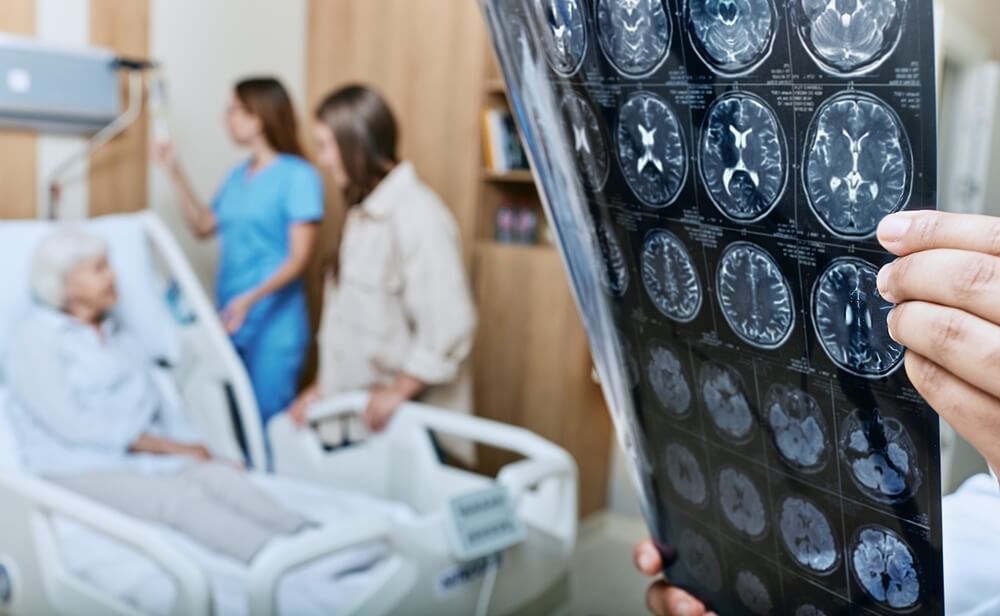
For millions of stroke survivors, recovery doesn’t end when they leave the hospital. While emergency treatments can save lives, the long road afterward often involves months or years of physical therapy, with no guarantee of regaining lost movement or coordination. Stroke remains the leading cause of long-term disability in adults, and many patients never fully recover.
In the United States alone, nearly 800,000 people suffer a stroke each year, and an estimated 7.8 million adults are living as stroke survivors, many coping with lasting mobility or speech impairments. Despite the scale of the problem, treatment options focused specifically on repairing brain function after stroke remain limited.
That may be starting to change. New research suggests scientists are closer than ever to developing a medication that could help the brain rewire itself after stroke, potentially reducing reliance on grueling rehabilitation alone.
What the New Research Has Found
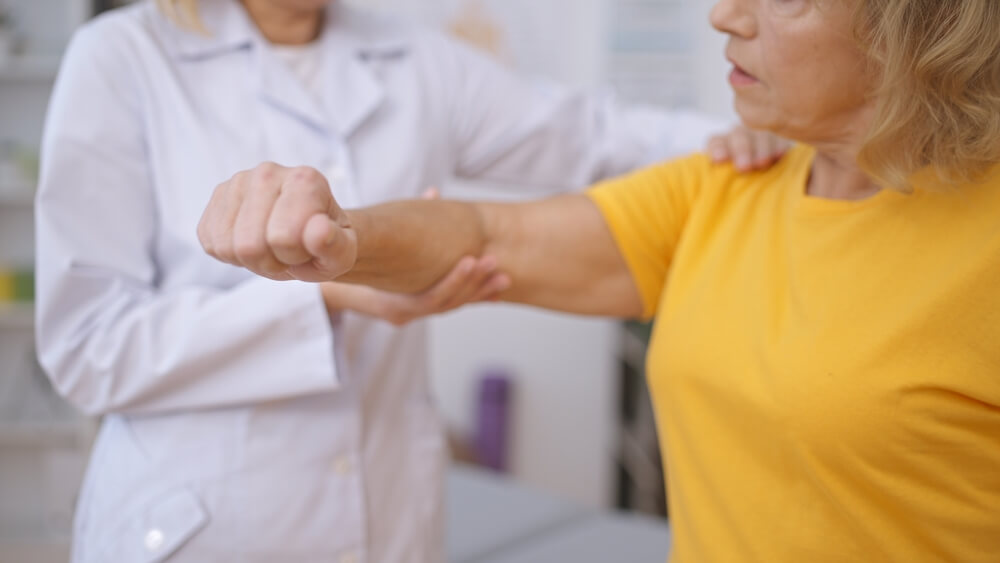
In a study published in Nature Communications, researchers at UCLA identified a drug candidate that restored movement in mice after stroke by mimicking the effects of physical rehabilitation. The compound, known as DDL-920, was able to repair disrupted neural connections that typically limit recovery.
The research builds on years of work examining how the brain heals after stroke. Scientists found that damage isn’t limited to the area where the stroke occurs. Instead, stroke disrupts communication among brain cells located far from the injury site, particularly a type called parvalbumin neurons.
These neurons play a critical role in generating gamma oscillations, which are rhythmic brain signals that help coordinate movement. Physical therapy was shown to restore these rhythms in both humans and mice. The breakthrough came when researchers discovered that DDL-920 could activate the same recovery pathway without physical rehabilitation in mouse models.
Why This Approach is Different
Most past stroke treatments have focused on preventing additional damage rather than repairing what’s already been lost. The UCLA findings mark a shift toward treating recovery itself as a biological process that can be targeted with medicine, a single pill.
According to the researchers, DDL-920 works by re-exciting parvalbumin neurons and restoring synchronized brain activity necessary for movement control. In mice, the drug produced improvements nearly equivalent to those seen with intensive physical therapy.
This matters because many stroke patients are unable to participate fully in rehabilitation due to mobility limitations or lack of access. A medication that enhances or replicates the effects of rehab could dramatically expand recovery options, especially for older adults and those in underserved communities.
Still, researchers emphasize that the work is in early stages. The drug has only been tested in animals, and extensive safety and efficacy studies are required before human trials can begin. No clinical trials in people are currently underway.
What Comes Next for Stroke Recovery
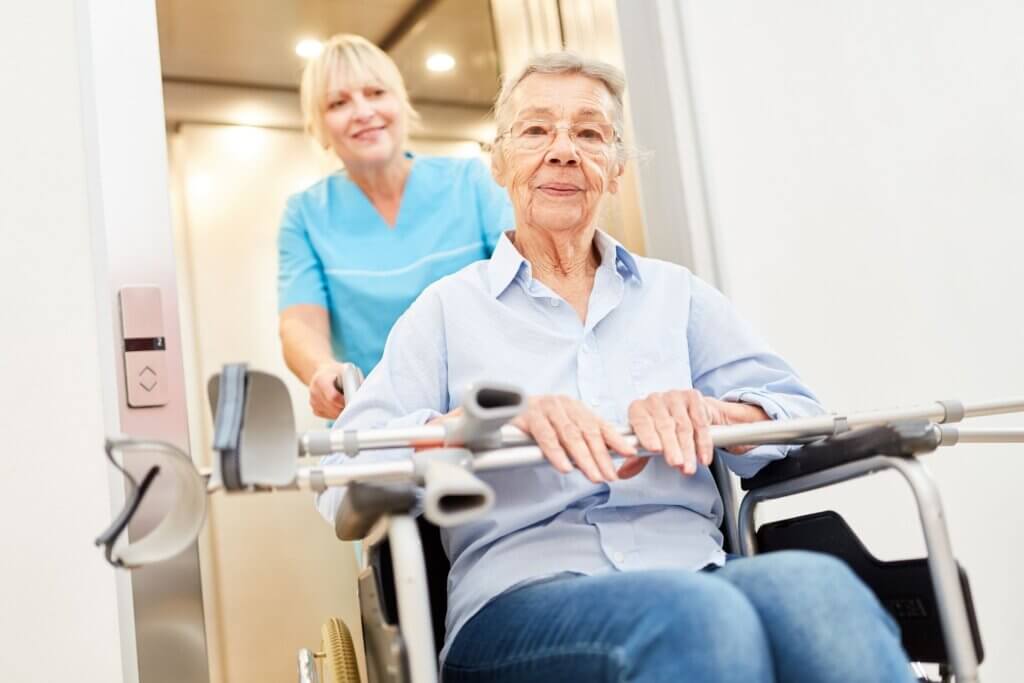
If future research confirms the drug’s safety and effectiveness in humans, it could fundamentally reshape how stroke recovery is treated. Instead of relying solely on physical therapy, doctors may one day prescribe medications that help the brain rebuild its own neural networks.
Researchers caution that the drug is not intended to replace rehabilitation entirely, but to complement it — potentially making therapy more effective or accessible. The ultimate goal is to move stroke recovery into what scientists call an era of molecular medicine, where biology and rehabilitation work together.
For now, the findings represent a significant step forward rather than a finished solution. But for a field that has gone decades without a single recovery-focused drug, the possibility of a pill that helps the brain heal offers something long missing from stroke care: cautious optimism.