

Products are selected by our editors, we may earn commission from links on this page.
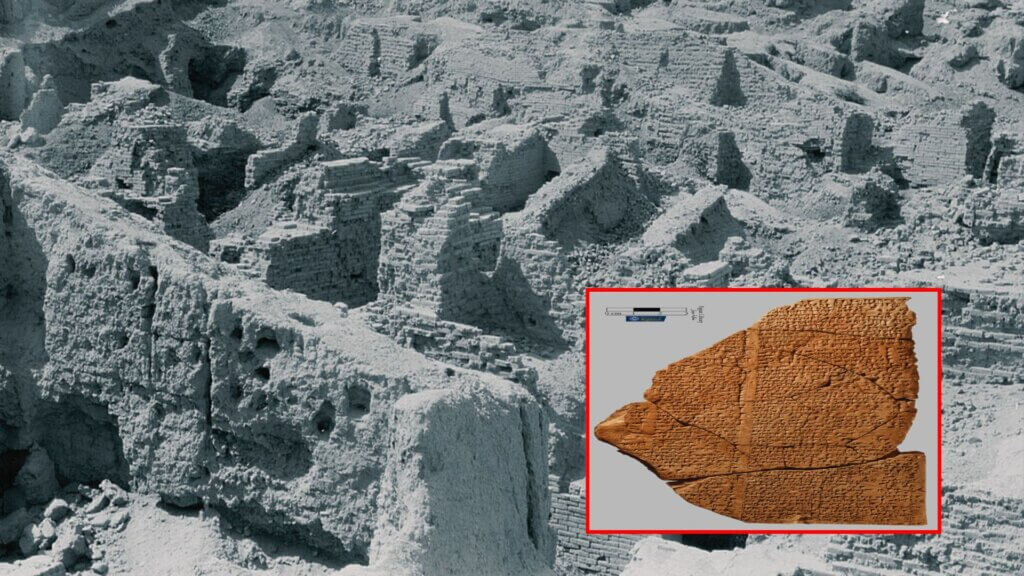
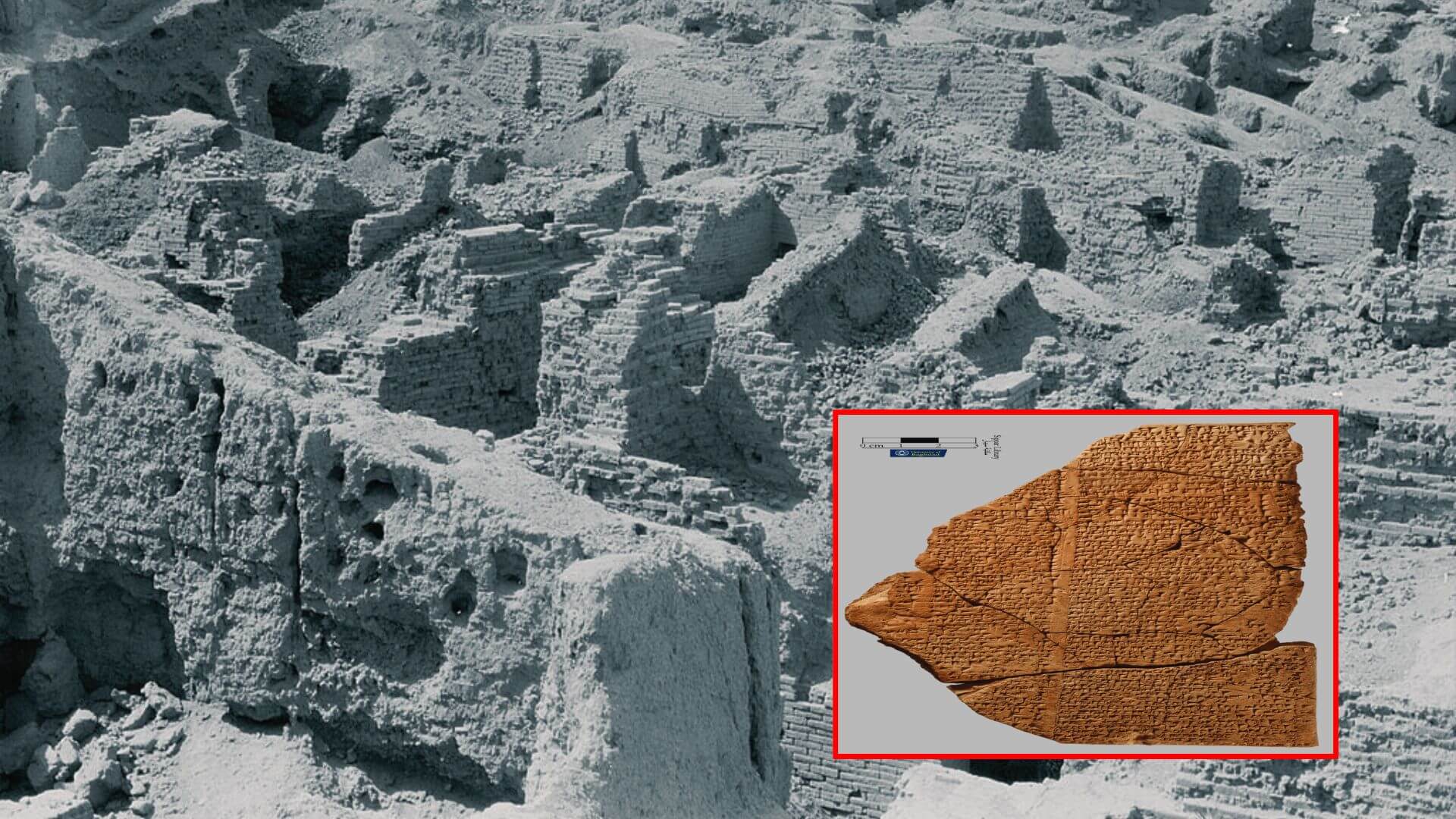
For decades, scholars believed the written record of ancient Babylon had already revealed most of its secrets. Thousands of clay fragments had been cataloged, studied, and translated. Yet countless lines remained broken, scattered, or seemingly beyond recovery. That assumption changed this year when artificial intelligence cracked open a text no researcher had seen for millennia, reshaping what we know about one of history’s great civilizations.
A Breakthrough Hidden in Clay

The rediscovered text was tucked among hundreds of cuneiform fragments housed in the Sippar Library, a legendary archive said in myth to have been safeguarded from floodwaters. Composed around 1000 BCE, the hymn survived only in splintered copies that made its identity impossible to confirm. Though tablets were plentiful, the lack of complete lines kept the story of Babylon’s ancient praise song locked away.
How AI Entered the Archive

Researchers at Ludwig Maximilian University of Munich and the University of Baghdad have spent years developing the Electronic Babylonian Library (eBL), a platform designed to digitize every known cuneiform fragment. The tool blends images, transliterations, and AI-driven pattern matching to connect pieces that previously seemed unrelated. The platform’s goal is simple yet ambitious: accelerate the reconstruction of Mesopotamian literature.
The Scholars Behind the Discovery

LMU professor Enrique Jiménez leads the team, working alongside collaborators in Baghdad and cuneiform specialists around the world. Their combined expertise allows the AI system to sift through thousands of fragments, flag recurring patterns, and propose textual matches. The collaboration reflects a growing model in archaeology where digital tools and human interpretation work in tandem.
What the Algorithm Found
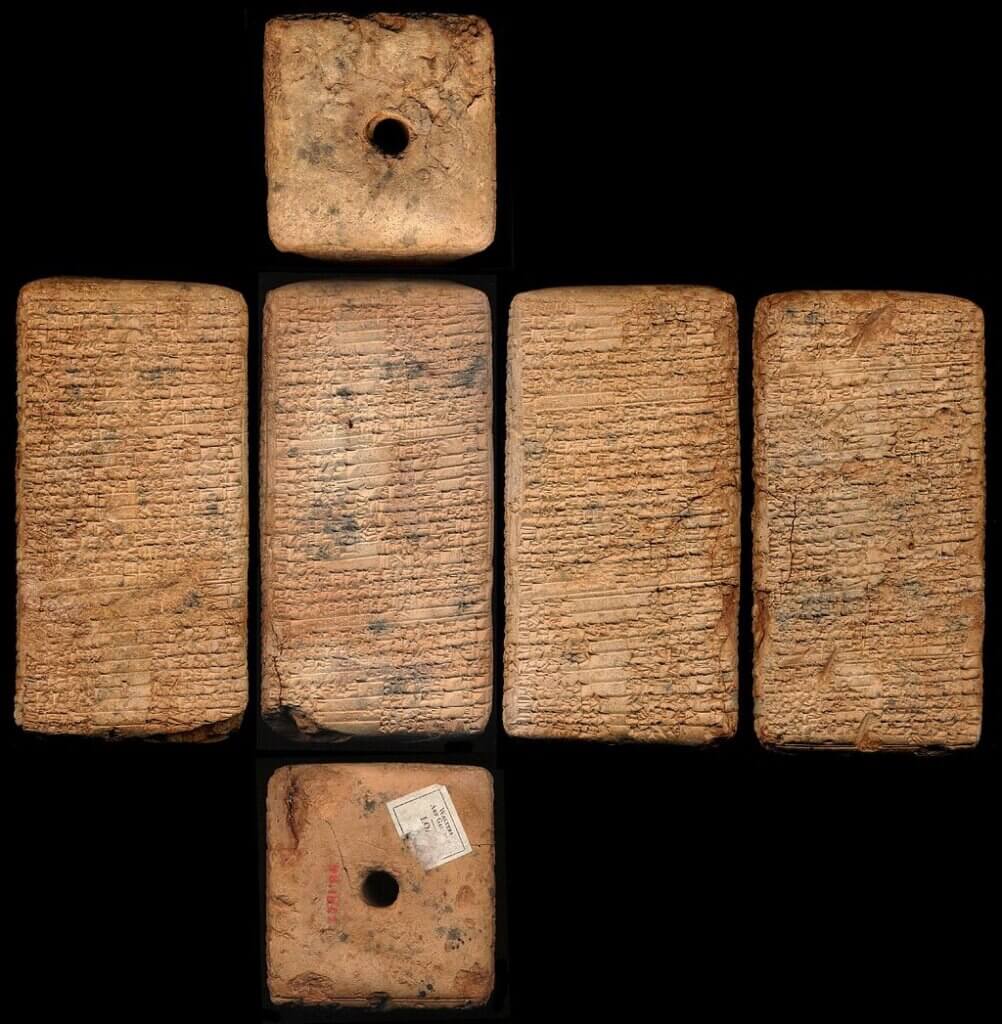
In this case, the AI identified 30 manuscripts spanning the 7th to 1st centuries BCE that contained overlapping lines of a single hymn. Linking these fragments would have taken decades by hand, but the platform surfaced them in a fraction of the time. Together, the pieces reconstructed roughly two-thirds of a 250-line hymn once memorized by generations of Babylonian students.
A Lost Hymn Emerges Fully Formed

The reconstruction unveiled a text overflowing with poetic praise for Babylon and its deity Marduk, a work so central to Babylonian education that it was copied for 500 years. Scholars were stunned that a hymn so widely taught in antiquity had remained completely unknown in modern Assyriology until now.
A Window Into Babylon’s World
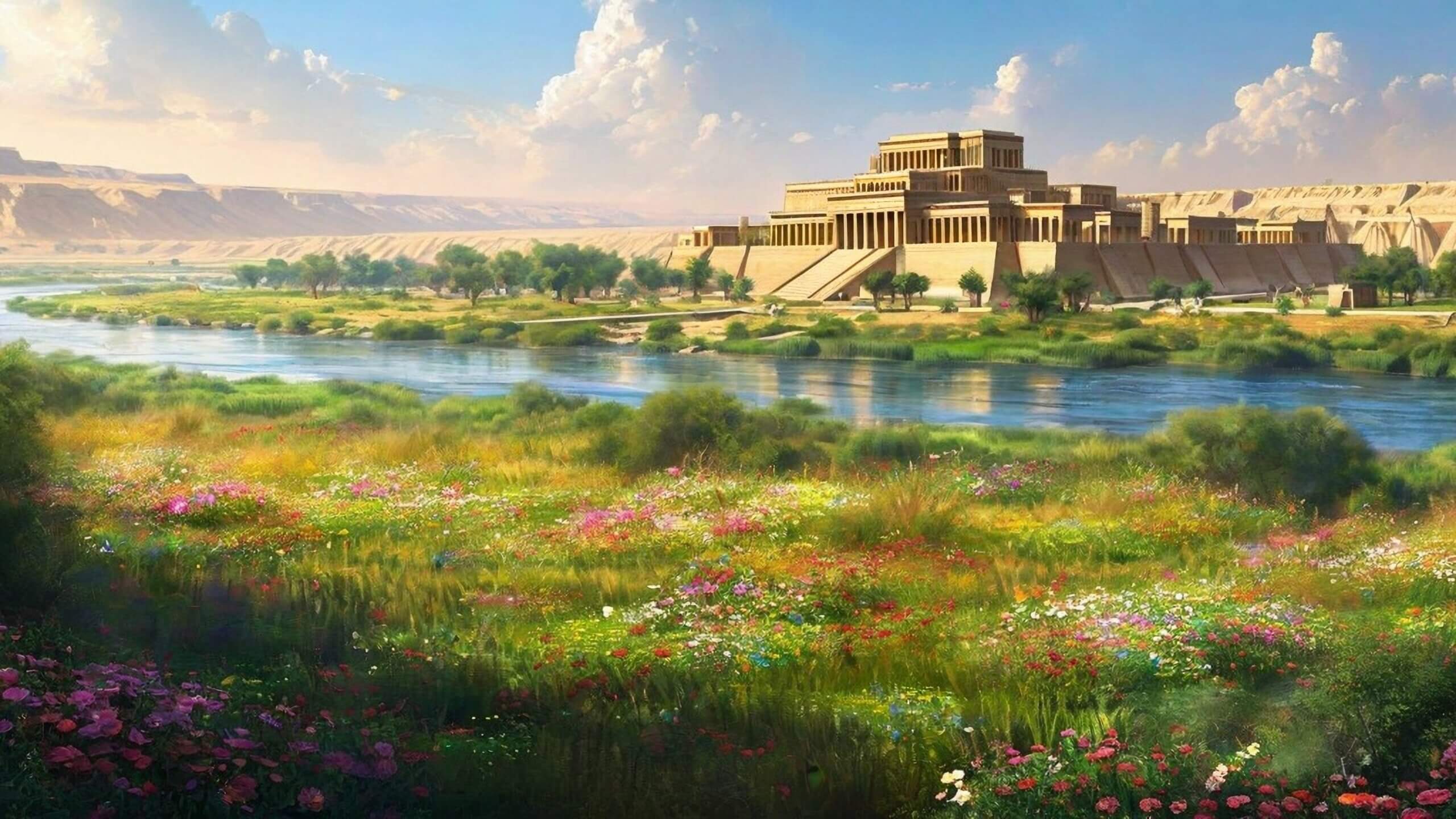
The hymn describes the city’s grandeur: abundant fields, blooming meadows, and the life-giving waters of the Euphrates that turned Babylon into a thriving center of culture. It frames the city as a place of order and prosperity, where citizens lived under “perfect ordinances” and welcomed the arrival of spring with vivid natural imagery. Such detailed descriptions are rare in surviving Mesopotamian literature.
How Scholars Verify the AI’s Work

Despite AI’s role in linking fragments, human specialists remain the final authority on every line. Assyriologists review each proposed match, consult parallel manuscripts, and cross-check linguistic patterns to confirm that reconstructed passages align with established Babylonian grammar and poetics. Because this hymn appears in over 30 manuscripts, researchers can compare versions directly, making the final translation unusually reliable.
New Insights Into Society

Beyond its poetry, the hymn provides information historians had not seen elsewhere. It references the roles of Babylonian women, including priestesses and caretakers of ritual spaces, filling gaps in our understanding of urban life. It also portrays Babylonians as respectful toward captives and foreigners, an unexpected characterization that complicates previous assumptions.
The Hymn’s Spiritual Heart
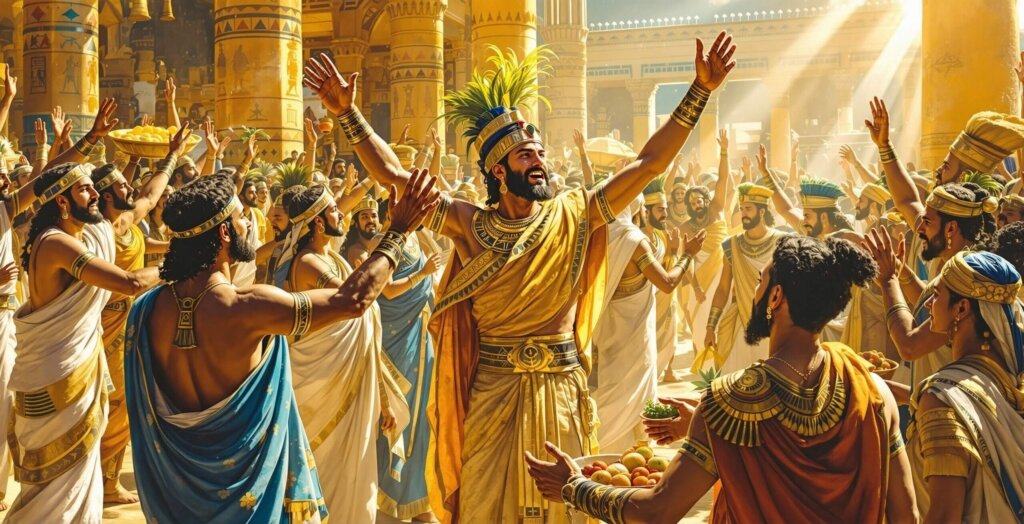
Six sections structure the work, beginning with epithets praising Marduk as protector and provider. Later lines describe Esagil, his temple, as an elaborately crafted gateway to the netherworld. The final sections turn to Babylon’s people, celebrating their laws, generosity, and devotion—elements that reveal the theological and civic ideals of a world long vanished.
Why This Text Matters Now
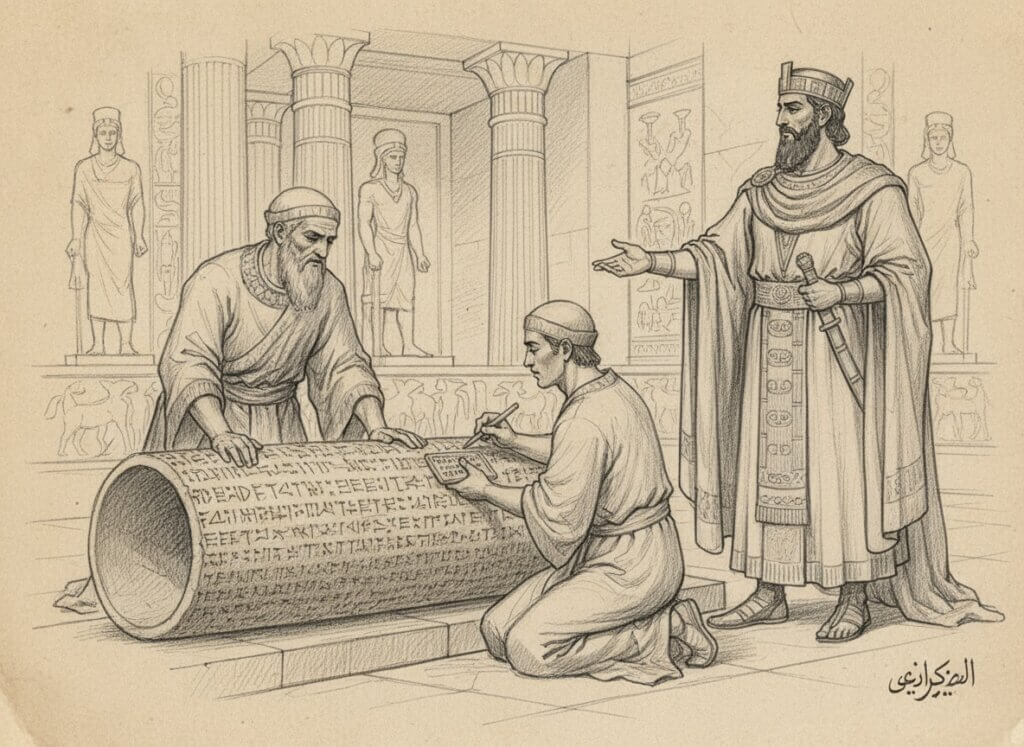
For scholars, this discovery demonstrates the magnitude of material still hidden in global collections. Tens of thousands of cuneiform pieces—many incomplete—are scattered across museums, awaiting reassembly. The success of the hymn reconstruction strengthens the case for AI-assisted philology, opening pathways to recover literature once assumed permanently lost.
Looking Ahead
The Babylonian hymn is more than an academic triumph; it also marks a turning point in how we uncover human history. As AI tools grow more sophisticated, they promise to illuminate voices that disappeared thousands of years ago, allowing forgotten stories to speak again. What began as fractured clay has become a fully realized window into one of civilization’s earliest cities.