

Products are selected by our editors, we may earn commission from links on this page.
Amazon has decided to end its long running delivery relationship with the United States Postal Service, marking a major shift in how the retail giant moves packages across the country. The partnership, which dates back roughly three decades, played a key role in helping Amazon scale its fast delivery model while providing USPS with billions of dollars in annual shipping revenue. According to recent reports, the decision comes as USPS continues to face mounting financial strain, including a reported $9.5 billion loss in its most recent fiscal year.
For years, USPS served as a critical delivery backbone for Amazon, especially in rural and remote areas where private carriers often struggle to operate profitably. The Postal Service’s unmatched national reach allowed Amazon to deliver packages to nearly every address in the country. As Amazon’s shipping volume exploded, the relationship became one of the most significant public private logistics partnerships in the United States.
However, changes in contract negotiations and USPS efforts to restructure its package delivery pricing appear to have pushed Amazon toward a different strategy. Instead of renewing the existing agreement, Amazon is shifting more deliveries to its rapidly expanding in house logistics network, signaling a decisive break from a partnership that helped define modern ecommerce delivery.
Why Jobs and Logistics Are Now at Risk
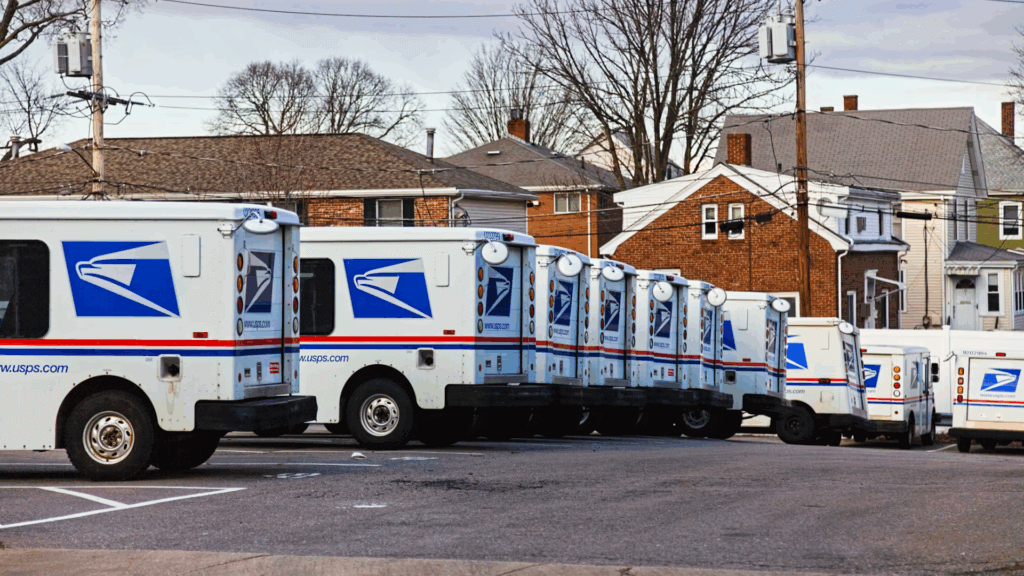
One of the biggest concerns surrounding the end of the Amazon USPS partnership is the potential impact on workers. Analysts estimate that as many as 100,000 jobs could be affected across postal operations, transportation services, and contract delivery roles that were tied directly or indirectly to Amazon package volume. While not all of these positions would disappear immediately, a reduction in shipping demand could force staffing changes across multiple regions.
The loss of Amazon business would be particularly challenging for USPS, which has relied heavily on package delivery growth to offset declining traditional mail volume. Amazon shipments accounted for a meaningful share of postal revenue, helping fund daily operations and maintain employment levels. Without that income stream, USPS may be forced to accelerate cost cutting measures, rethink delivery routes, or reduce staffing through attrition and restructuring.
At the same time, Amazon’s decision reflects a broader industry trend toward vertical integration. By handling more deliveries internally, Amazon gains tighter control over speed, costs, and customer experience. However, critics warn that this shift could strain delivery coverage in rural communities where USPS historically provided the most reliable service, potentially reshaping how millions of Americans receive online purchases.
What the Shift Means for Consumers and the Postal Service
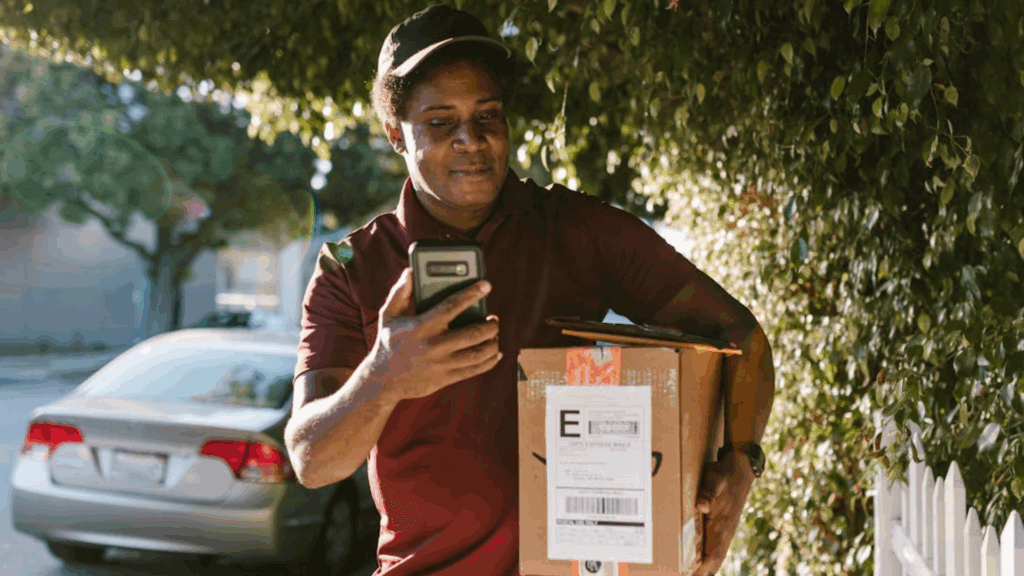
For consumers, the end of the partnership could lead to noticeable changes in delivery patterns. In urban areas, Amazon drivers and third party contractors are likely to take on a larger share of deliveries. In less populated regions, where USPS previously filled critical gaps, customers may experience differences in delivery timing or service availability as Amazon adjusts its logistics footprint.
From the Postal Service’s perspective, losing Amazon as a major customer compounds existing financial challenges. USPS has struggled for years with declining letter mail revenue and rising operational costs. The agency has already begun exploring new strategies, including opening its delivery network to competitive bidding from other retailers and logistics companies in an effort to stabilize revenue and remain viable.
Industry experts say this moment underscores how vulnerable traditional institutions can be when faced with large scale private logistics networks. While USPS remains essential to national communication and delivery infrastructure, the loss of Amazon highlights the growing divide between public service mandates and the fast moving demands of modern ecommerce.
A Turning Point for American Delivery Networks
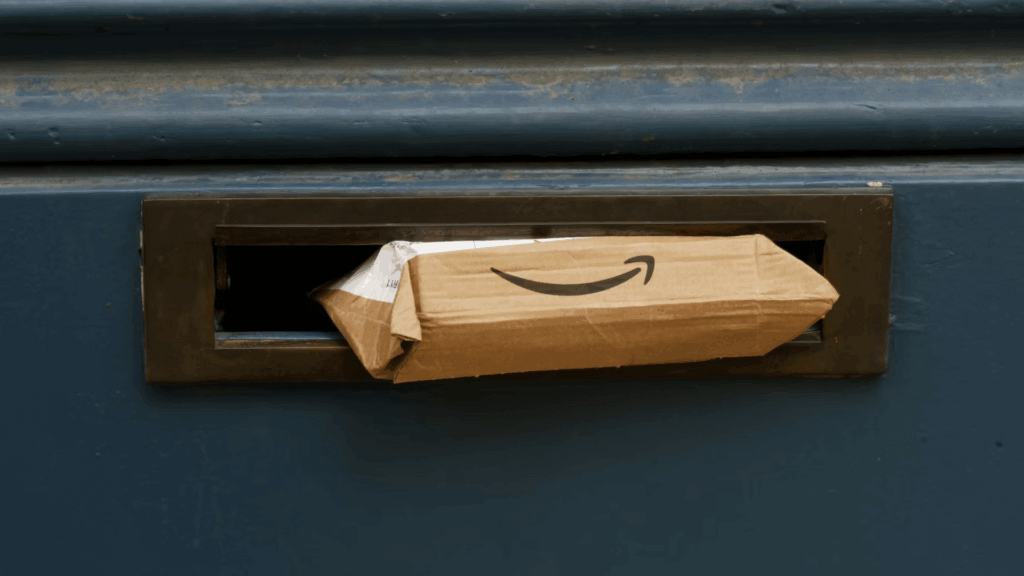
The decision by Amazon to move away from its long standing partnership with USPS represents a significant turning point for both organizations. What was once a mutually beneficial relationship is now giving way to a new logistics landscape shaped by rising costs, technological investment, and shifting priorities.
While the full impact on workers and consumers may take time to unfold, the potential risk to tens of thousands of jobs and the future stability of postal operations cannot be ignored. Both Amazon and USPS now face pressure to adapt quickly in an environment where efficiency, speed, and financial sustainability increasingly dictate success.
Ultimately, this development signals a broader transformation in how goods move across the United States. As private companies build ever larger delivery networks and public institutions fight to remain competitive, the end of this partnership may be remembered as a defining moment in the evolution of modern commerce and logistics.