

Products are selected by our editors, we may earn commission from links on this page.
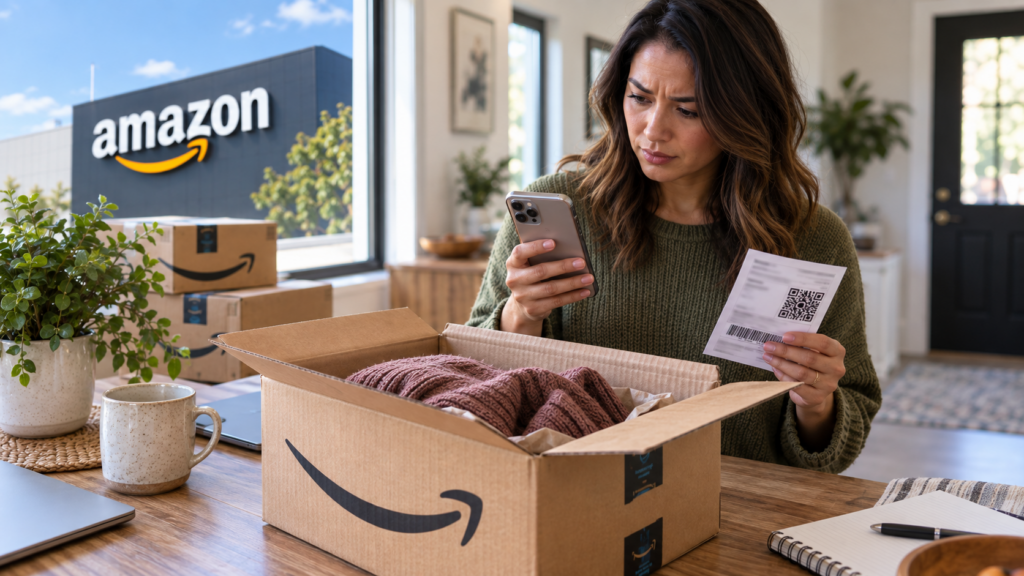
That “buy now, decide later” habit is getting more expensive. Retailers that once made online returns almost effortless are adding fees, shortening deadlines, and paying closer attention to customers who repeatedly send purchases back. Roughly 68% of retailers now charge some type of return fee, up from 43% five years ago. For shoppers accustomed to ordering three sizes and keeping one, the message is becoming hard to miss: the return is now part of the buying decision.
This article was created with the assistance of AI and reviewed by our editorial team for accuracy and clarity.
Returning Something Can Cost More Than You Think
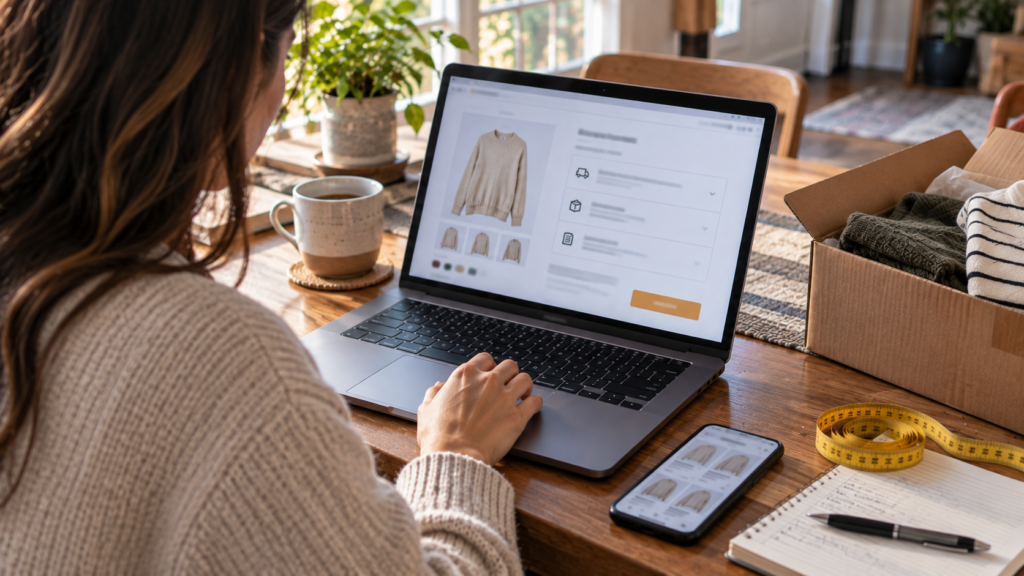
The frustration is not simply that policies are stricter. Shoppers can discover the catch only after something goes wrong. A return that looked free at checkout may involve a shipping charge, a narrower refund window or another condition buried in the policy. Trustpilot senior director Taylor Cunningham said the sharpest customer anger often comes from that lack of transparency rather than tougher rules themselves. Mentions of return policies have also been associated with lower merchant ratings.
Retailers Have an Expensive Problem on Their Hands
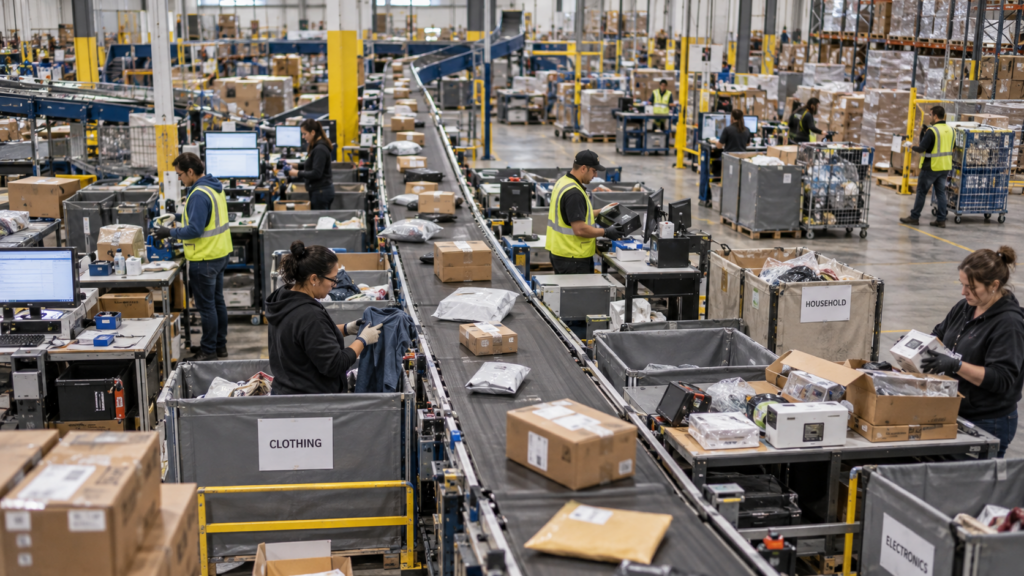
For stores, an unwanted sweater does not simply travel backward and magically reappear on a shelf. Returned merchandise has to be shipped, received, inspected, and processed, and sometimes discounted or otherwise handled before it can be sold again. Optoro estimates that processing a return costs merchants an average of 27% of the product’s original purchase price. Multiply that across millions of packages, and the perk that helped online shopping grow becomes a costly logistics operation.
You May Have Less Time to Make Up Your Mind
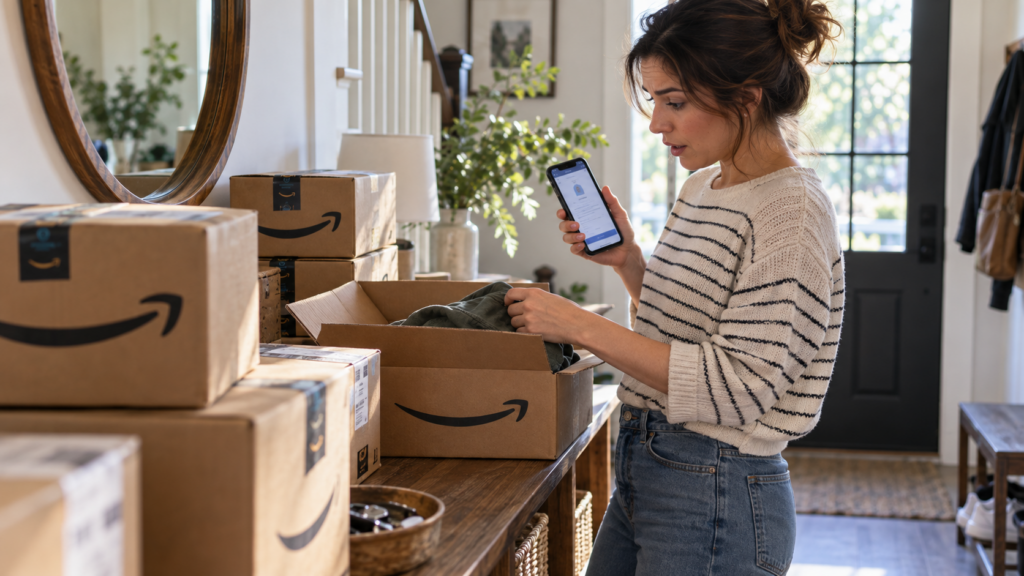
Fees are only one way retailers are tightening the screws. Loop data cited by The Independent shows average return windows among larger brands fell from 43 days to 38 days over two years, a 12% drop. Macy’s, Talbots and Home Depot are among retailers that have shortened certain return periods. Home Depot, for example, limits seasonal Halloween and holiday décor to 30 days, while some heating and cooling appliances have a seven-day window.
Amazon Is Watching the Frequent Returners
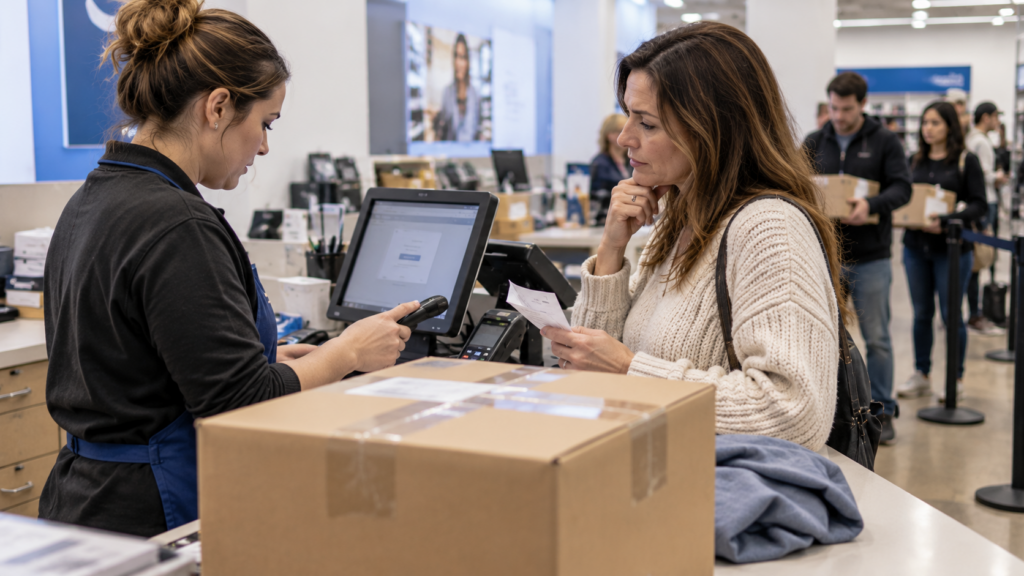
Even Amazon, a company that helped normalize easy online returns, is nudging some shoppers to reconsider how much they send back. The company says a “tiny fraction” of customers who return 10 times more than the typical shopper receive informational notices offering advice on choosing products they are more likely to keep. Amazon says the notices are educational, not punishment, and that accounts are not closed simply because someone has a high return rate.
But Too Many Returns Can Still Cost You
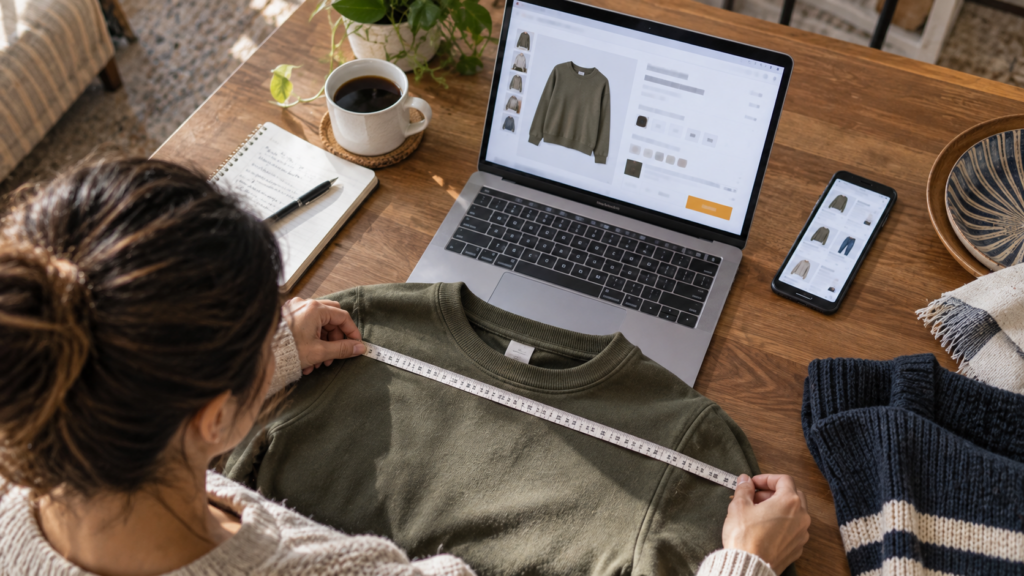
Those notices may be friendly, but Amazon’s policies leave room for consequences. The company says customers with unusually high return rates may be charged return shipping fees. When Amazon believes its system is being abused, it can also take stronger measures, including denying returns, refunds or exchanges or imposing fees. Other retailers use third-party verification services too. The Retail Equation says roughly 1% to 2% of consumers it tracks receive warnings that future returns could be denied.
Retailers Are Trying to Stop the Return Before It Happens
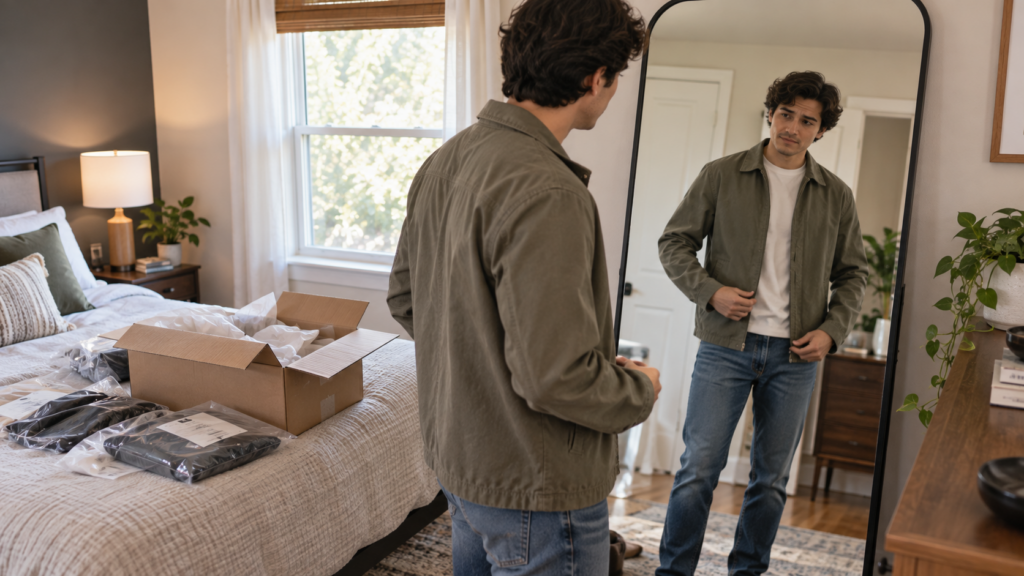
Instead of simply processing endless packages, retailers increasingly want shoppers to make a better choice the first time. Amazon labels some listings “Frequently returned item” and highlights products customers tend to keep. That shifts part of the return process to before checkout. The hope is simple: if shoppers know an item regularly disappoints buyers, they may look twice at its sizing, reviews, or description before putting it in the cart.
Shoppers Say Online Buying Still Requires an Escape Hatch
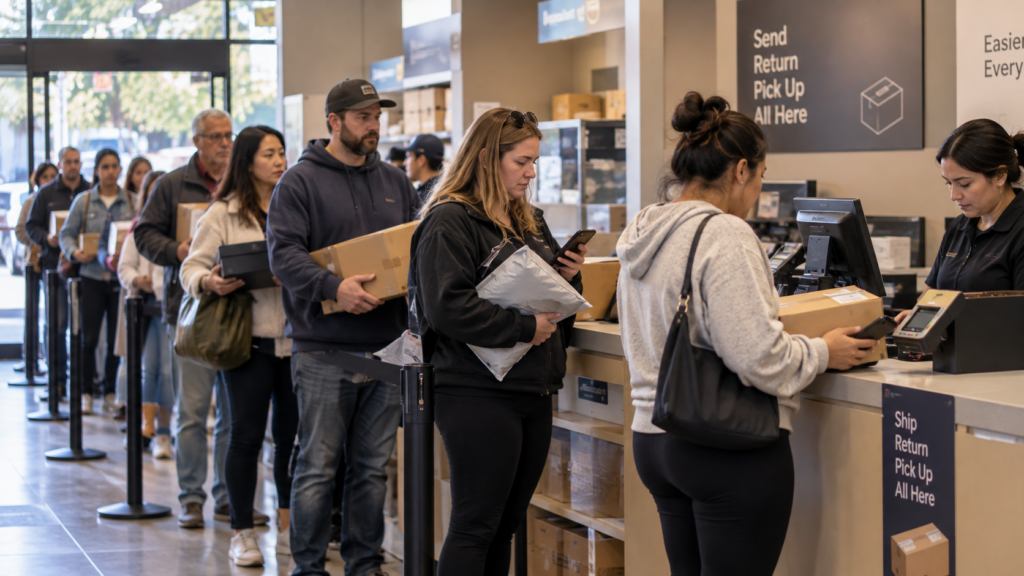
There is an obvious problem with making returns harder: you cannot touch a shirt, test its fit or inspect its quality through a screen. Georgia Tech student Liangyu Wang, who told The Independent that he returns an estimated 60% to 80% of his online purchases, said descriptions and a few pictures often cannot tell shoppers what a product is really like. That is why generous returns became so important to e-commerce in the first place. They removed much of the risk of buying something sight unseen.
Customers Are Starting to Notice the Deal Has Changed
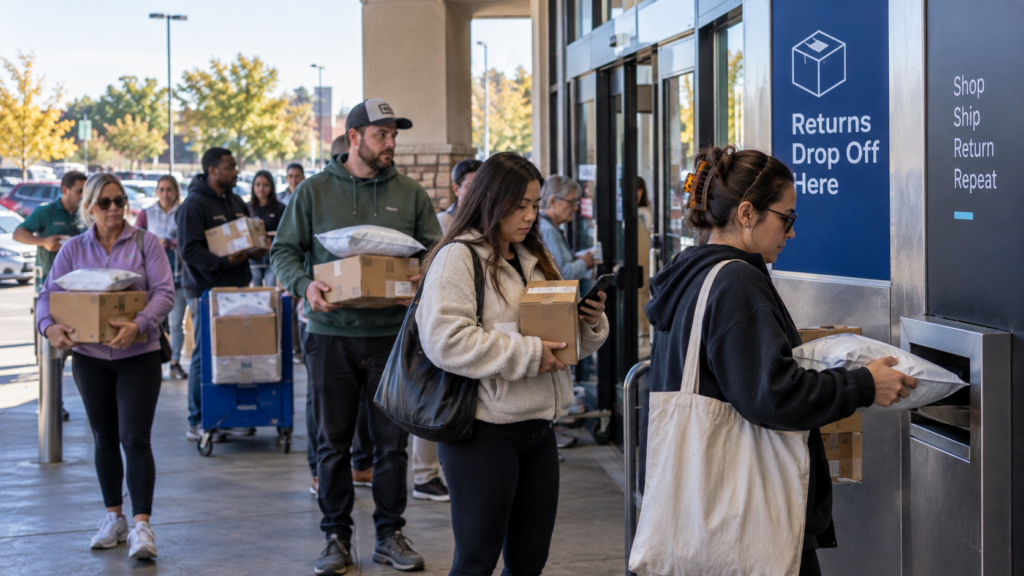
For years, shoppers were trained to treat free returns as part of online shopping rather than a special perk. Now that expectation is colliding with retailers’ costs. In a Reddit discussion about the shift, shoppers argued that free returns originally helped convince people to buy clothes, shoes, and other products online without seeing them first. Others blamed abuse, from wearing clothing before returning it to repeatedly buying products with little intention of keeping them. The disagreement is revealing: shoppers see convenience disappearing, while retailers see a bill they no longer want to absorb.
Check the Return Policy Before You Check Out

The next phase of online shopping may require a small habit change: reading the return terms before hitting “buy.” Fees, shorter windows, and tighter scrutiny are becoming common enough that yesterday’s assumptions may cost you tomorrow. Retailers still have reason to keep returns convenient because shoppers can simply take their business elsewhere when the process becomes miserable. But the days when “free returns” could be treated as an automatic promise are fading, and the retailers that communicate their rules most clearly may have an advantage with increasingly skeptical customers.