

Products are selected by our editors, we may earn commission from links on this page.
Seven out of 10 Americans say they do not want an artificial intelligence data center built near their home. That number, from a Gallup survey conducted in March 2026, is so high it has crossed a threshold that once seemed unthinkable: Americans are now more opposed to data centers than to nuclear power plants. The poll, the first of its kind from Gallup, reveals a deepening tension between the tech industry’s explosive ambitions and the communities it needs to build in.
This article was created with the assistance of AI and reviewed by our editorial team for accuracy and clarity.
The Numbers That Surprised Everyone
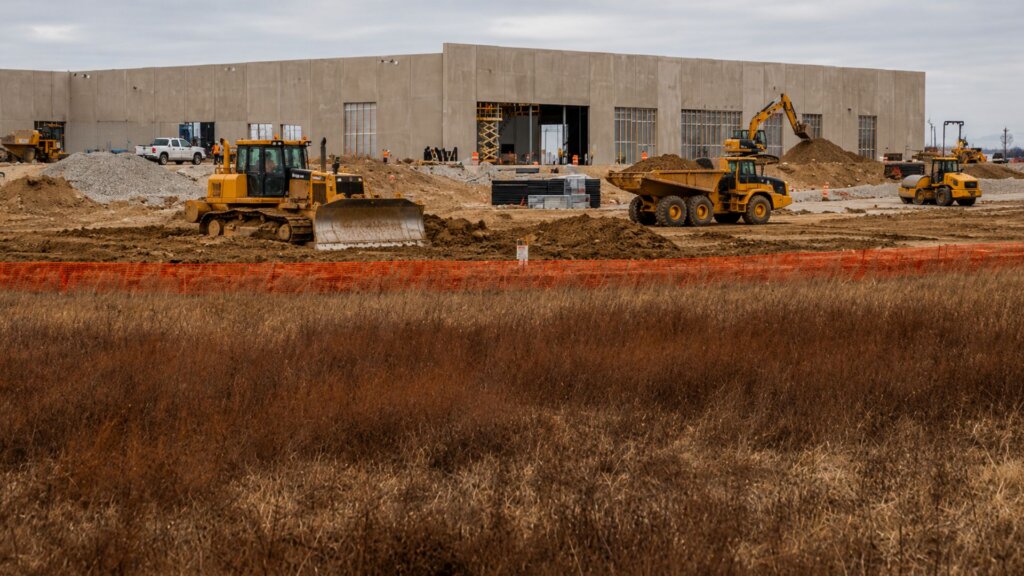
The Gallup poll found that 71% of Americans oppose having an AI data center built near them, including 48% who strongly oppose it. Only 27% said they were in favor, with just 7% expressing strong support. To put that in perspective, these are levels of opposition that even the most controversial infrastructure projects rarely reach. And the figure did not arrive quietly: it marks a significant jump from the 47% who objected to these projects in late 2025. Public resistance is accelerating fast.
More Feared Than Nuclear
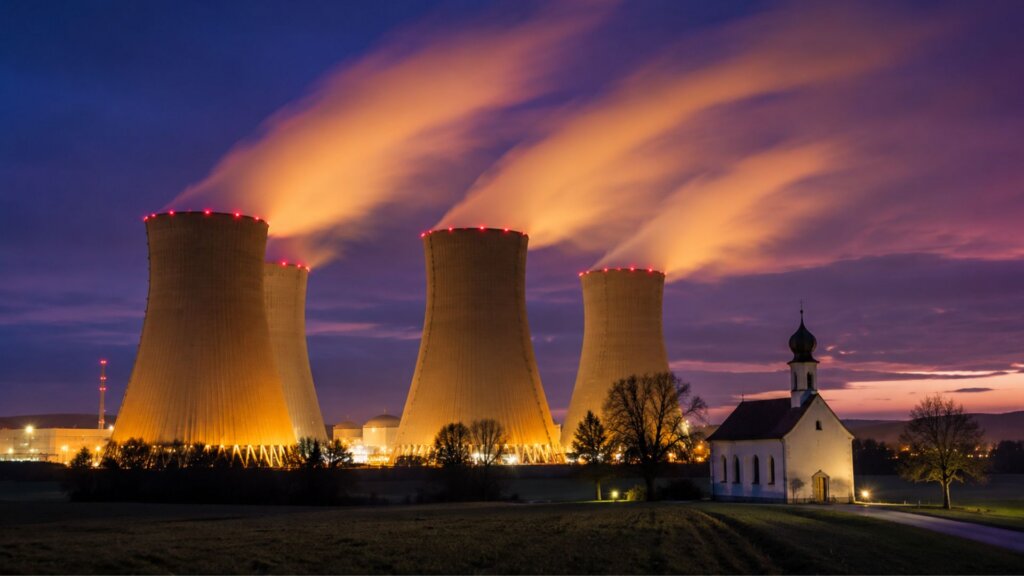
In the same March survey, 53% of Americans said they oppose building a nuclear energy plant in their area, far less than the 71% opposed to data center construction. Since Gallup first asked the nuclear power plant question in 2001, opposition has never exceeded 63%. That data centers now rank as more unwelcome than nuclear plants is a striking reversal. For decades, nuclear energy was the symbol of feared infrastructure. Something has changed, and it has everything to do with what these new facilities actually demand from their surroundings.
What a Data Center Actually Is
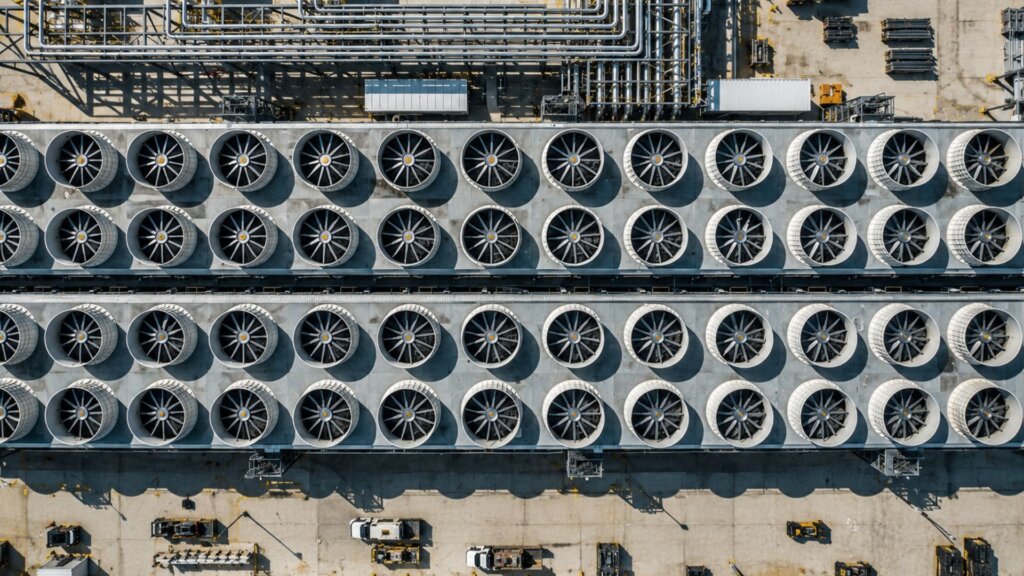
Before AI, a typical data center covered around 100,000 square feet and handled tasks like cloud storage and running websites. The AI boom changed that entirely. Today’s facilities can sprawl across hundreds of acres, housing hundreds of thousands of specialized computer chips needed to train AI models. The energy required to power, cool, and maintain those systems is enormous, comparable to the electricity used by hundreds of thousands of homes. These are not office buildings; they are industrial campuses that reshape the communities around them.
Thirsty Machines

Large data centers can consume up to 5 million gallons of water per day, equivalent to a small town’s water use. That water goes primarily toward cooling the equipment, which runs hot around the clock. About half of those opposed to local data centers in the Gallup survey cited the heavy use of resources as their top concern, with 18% specifically mentioning water consumption and another 18% pointing to energy use. For communities already managing drought or strained utilities, these numbers are not abstract; they represent real losses to the people already there.
Not Just the Environment

Opposition to data centers goes well beyond environmental concerns. About 22% of opponents flagged quality-of-life issues, 20% cited the effect on their living costs, 16% raised concerns about various forms of pollution, including noise, and 14% expressed general worries about AI itself, including ethics and a lack of regulation. Neighbors of proposed sites have complained of constant low-frequency noise, brighter night skies from facility lighting, and increased truck traffic. The disruption is physical, not just theoretical, and it touches daily life in tangible ways.
Who Opposes, and How Much

Politically, 56% of self-identified Democrats expressed strong “not in my backyard” opposition to AI data centers, compared with 48% of independents and 39% of Republicans. Women are also more likely than men to register strong opposition. There are no meaningful differences in total opposition by age, race, education, income or urbanicity. Resistance, in other words, is not limited to one community or political base. It cuts across nearly every demographic, which makes it unusually difficult for policymakers to ignore or dismiss.
The Case for Data Centers

Not everyone is opposed. Among those who voiced support, 66% pointed to local economic benefits, such as job opportunities, tax revenue, and infrastructure development. These are real arguments. Data centers employ skilled technicians, generate property tax revenue, and can anchor regional economies, especially in rural areas with limited options. Supporters argue that the long-term gains outweigh the short-term disruption. But with only 7% of Americans strongly in favor, the economic case has not yet managed to overcome the concerns of neighbors who feel the costs land directly at their door.
A Town Left in the Dark
NV Energy, the Nevada utility that has supplied the bulk of Lake Tahoe’s electricity for decades, told Liberty Utilities, the small California company that services the region, that it will stop providing power after May 2027. The reason: NV Energy needs that capacity for data centers. This affects roughly 49,000 customers. As one resident told Fortune: “It’s like we don’t exist.” The Lake Tahoe situation is no longer a hypothetical fear. It is a real community, facing a real deadline, being asked to compete for electricity against some of the most powerful corporations in the world.
A Reckoning on the Horizon
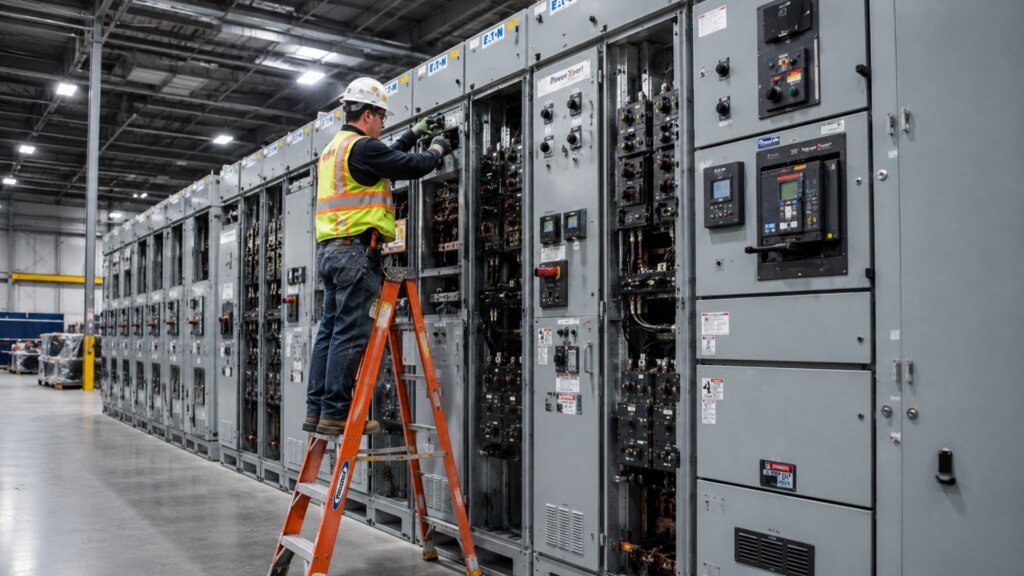
As Gallup noted in its write-up, for AI usage to expand in the U.S., data centers will have to be built. Overcoming public opposition stands as a major hurdle, and the strength of that opposition suggests data center development could become a significant issue in local and state elections. The question is not whether AI infrastructure gets built; it almost certainly will. The question is who bears the cost, and whether communities get a meaningful say before the first shovel hits the ground.