

Products are selected by our editors, we may earn commission from links on this page.
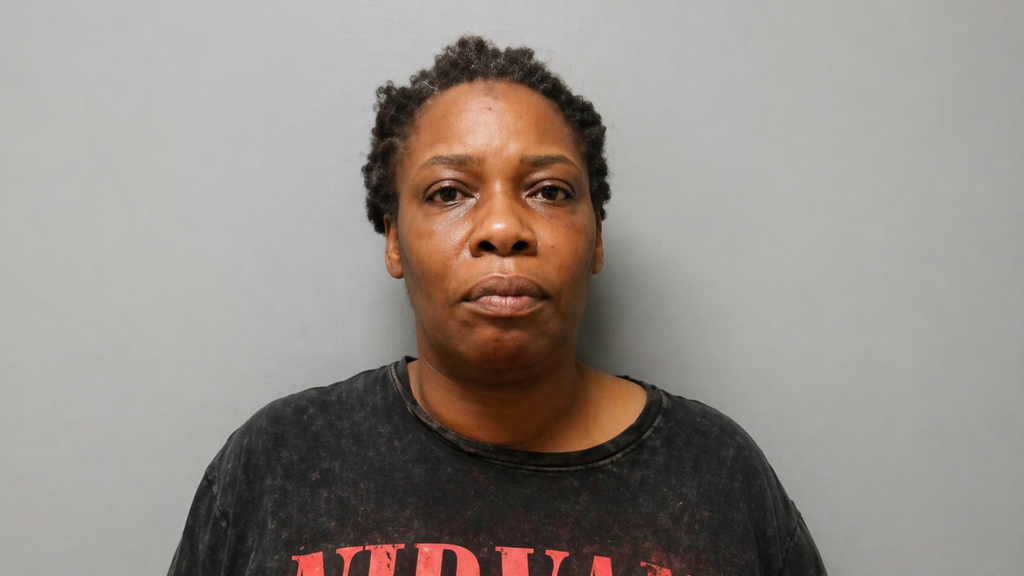
A payroll glitch turned a routine workday into a life-altering legal crisis. On May 10, 2025, Rene Nichole Coleman, a 50-year-old home care worker in Jonesboro, Arkansas, clocked in for a 12-hour shift at Superior Senior Care. Her normal wage was $16.50 an hour. But a software error in the company’s payroll system processed her rate at $1,650 an hour instead, and by the end of that single shift, $19,388 had landed in her bank account. She never said a word to her employer.
Rather than flagging the error, Coleman kept the funds and did not report the overpayment to management. According to police records, the company only discovered the discrepancy during a routine review of payroll records, months after the payment had already been deposited. By then, Coleman had reportedly spent the money on repairs for her husband’s semi-truck, according to Scallywag and Vagabond. The window for a quiet resolution had closed, and a far more serious process was about to begin.
The CEO of Superior Senior Care filed a formal theft report with the Jonesboro Police Department on August 12, 2025, months after the erroneous payment. Authorities said the company submitted financial documents and email records to support their account of what happened. What began as an embarrassing clerical error had now entered the criminal justice system, and the woman at the center of it would soon find herself facing a charge that carries the weight of a felony. The question investigators still had to answer: where was Coleman?
Paycheck Glitch to a Felony Warrant

Craighead County District Judge David Boling found probable cause to charge Coleman with theft of more than $5,000 but less than $25,000, classified as a Class C felony under Arkansas law. A detective reached out to Coleman after the report was filed, and she initially agreed to sit down for an interview. She never showed up. Authorities issued a warrant for her arrest, and the case sat unresolved for months while investigators waited for her to surface.
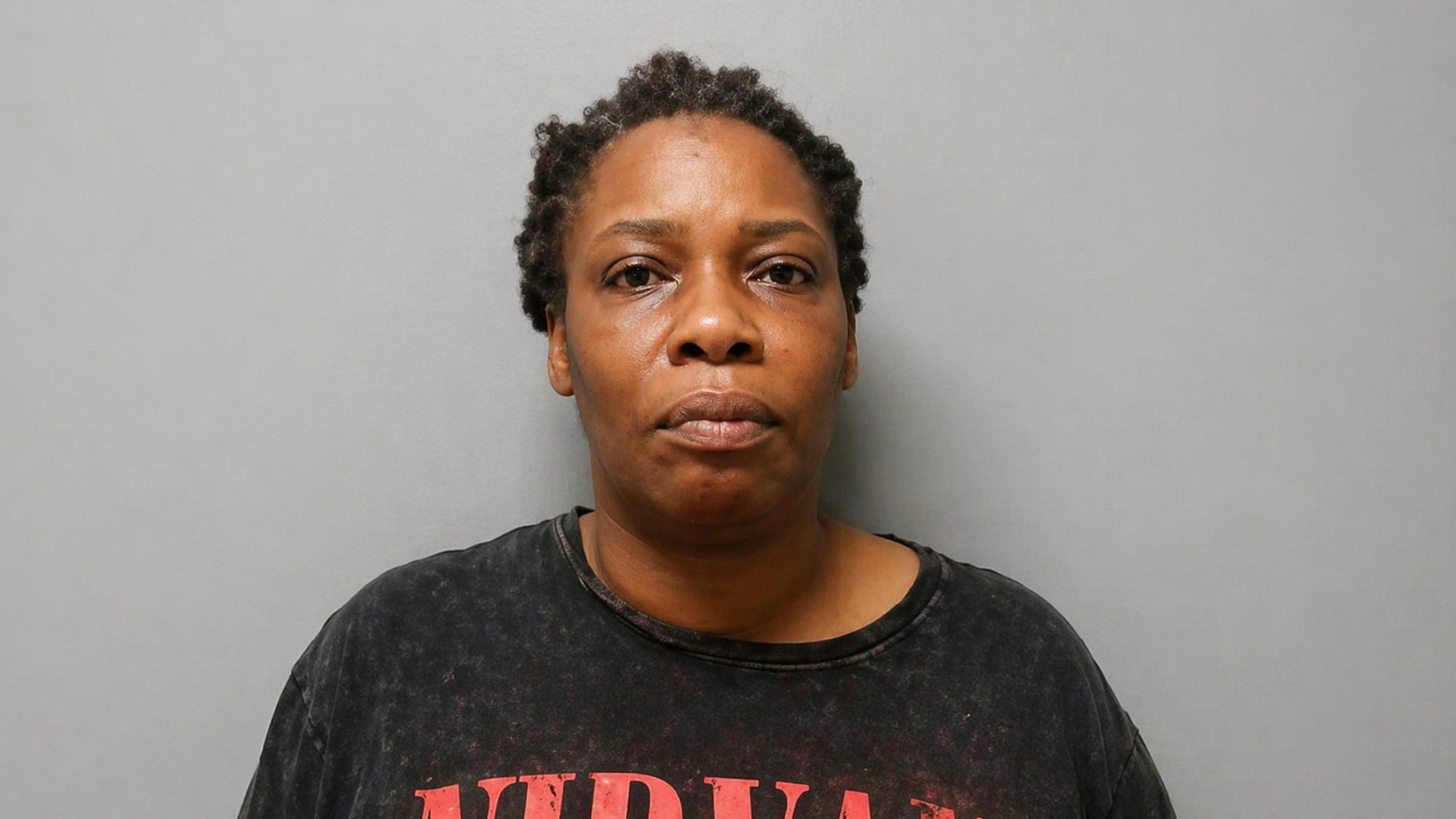
Authorities eventually arrested Coleman and booked her into the Craighead County Detention Center. A judge set her bond at $15,000 cash or surety, and her arraignment was scheduled for May 18, 2026. The case had taken nearly a full year to reach this point, from the original payroll error in May 2025 to a formal arrest in April 2026. For Coleman, the cost of keeping that money was now compounding by the day, in legal fees, court appearances, and a felony record that could follow her for life.
Details about Coleman’s exact job title and the full scope of her role at Superior Senior Care have not been publicly released. What is clear is that she worked in the in-home care industry, providing services to elderly clients in Jonesboro. The nature of that work, low-wage, physically demanding, and often undervalued, adds a complicated layer of context to a story that has drawn sharp reactions from both sides of the debate about worker rights and legal accountability.
What the Law Actually Says About Overpayments

Many people who hear this story ask the same question: is keeping an overpayment really a crime? Legally, the answer is almost always yes. Employees are obligated to report instances when they receive more than their contracted wages. Payroll overpayments are not considered gifts or windfalls under the law, regardless of who caused the error. The money remains the property of the employer, and retaining it without disclosure can cross into theft territory, especially when repayment is demanded and refused.
Employers also have specific legal pathways to recover overpaid wages, but these vary by state. Requirements can include obtaining written authorization from an employee before making paycheck deductions, ensuring those deductions do not push earnings below minimum wage, filing formal notices, or arranging installment repayment plans. These protections exist to prevent employers from abusing the process, but they also assume the employee is cooperating. When a worker refuses outright, as Coleman allegedly did, the employer’s only remaining option is law enforcement.
The fact that Coleman reportedly spent the money before any demand was made complicates her position considerably. Had she come forward on her own, or agreed to a repayment arrangement when the employer first reached out, the outcome may have looked very different. Instead, the refusal to engage, combined with missing her police interview, created a paper trail that prosecutors could use to argue intent. In criminal theft cases, what matters is not just the act but the pattern of behavior surrounding it, and Coleman’s pattern was not in her favor.
A $19,000 Mistake That Could Cost Far More

A Class C felony in Arkansas carries a potential sentence of 3 to 10 years in prison and fines up to $10,000. Even in cases where prison time is avoided through plea agreements or first-time offender provisions, a felony conviction brings lasting consequences: difficulty securing future employment, restrictions on certain professional licenses, and a permanent mark on a criminal record. For someone working in the care industry, where background checks are standard, the professional fallout could be just as significant as the legal one.
What makes this case resonate beyond the specifics is what it reveals about financial desperation and the split-second decisions people make when unexpected money appears in their account. Coleman earned $16.50 an hour. The overpayment represented more than a year’s worth of additional income for someone at that wage level. Whether her decision to keep it was calculated or impulsive, the result is the same: a criminal charge, a $15,000 bond, and a court date that will determine the next chapter of her life.
Cases like Coleman’s are not as rare as they may seem. Payroll errors happen regularly across industries, and not every employee who receives an overpayment reports it immediately. What differs is how the situation is handled once the employer notices. Legal experts consistently advise workers to contact their HR or payroll department the moment they suspect an error, document all communications, and never assume the money is theirs to spend.