


Products are selected by our editors, we may earn commission from links on this page.

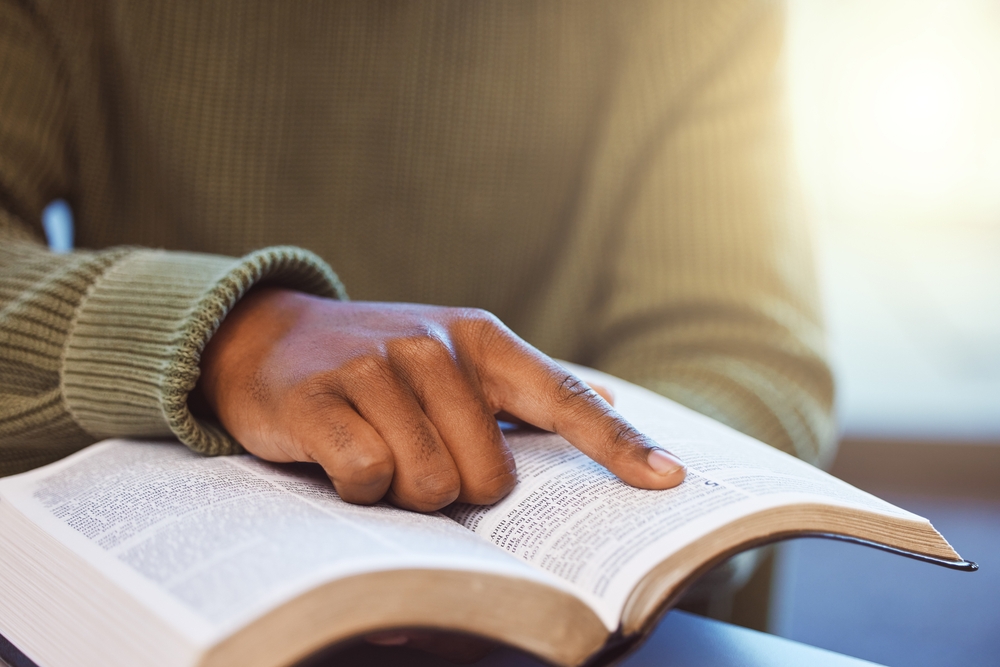
The debate over religion’s place in America’s public schools has entered a new phase as Texas becomes the first state to approve a mandatory public school reading list that includes Bible stories and New Testament passages. The decision represents one of the country’s most significant efforts to formally integrate biblical material into required classroom instruction rather than leaving those choices to local educators.
The Republican-controlled Texas State Board of Education approved the reading list in a 9-5 vote after weeks of contentious public debate. The curriculum, which will take effect beginning with the 2030-31 school year, applies to the state’s roughly 5 million public school students and includes biblical passages alongside classic literature such as Charles Dickens’ Great Expectations, Jane Austen’s Pride and Prejudice, and E.B. White’s Charlotte’s Web.
The move builds on a broader series of education policies adopted in Texas in recent years. The state previously required the Ten Commandments to be displayed in every public school classroom, authorized schools to hire chaplains to counsel students, and approved an optional Bible-infused curriculum, reflecting a sustained effort to expand the role of religion in public education.
A Curriculum That Has Drawn Both Praise and Concern

Supporters argue the required readings acknowledge the historical influence of Judeo-Christian traditions on American society and literature. Conservative advocates say students cannot fully understand many foundational texts, historical documents, and cultural references without some familiarity with biblical stories and teachings.
The reading list reflects that philosophy across grade levels. Younger students will encounter stories including David and Goliath and Daniel in the Lions’ Den, while older students will study New Testament passages connected to literary works. High school students will also read specific biblical excerpts as supporting material for classic novels and plays included in the curriculum.
Critics, however, argue the policy blurs the line between education and religious instruction. Some teachers have expressed concern that a state-mandated reading list limits classroom discretion, while others say requiring biblical passages could make students from different faith backgrounds, or no religious tradition at all, feel excluded. Education advocates have also questioned whether the overall reading list adequately reflects the diversity of modern classrooms.
Florida Signals It Could Follow a Similar Path

Attention has quickly shifted to Florida, where education officials have indicated they are not opposed to broader use of the Bible in public school classrooms. Although Florida has no comparable statewide reading mandate, officials have suggested biblical literacy can play a role in helping students understand the historical ideas that influenced America’s founding.
The possibility is not emerging in isolation. Florida has recently expanded policies supporting religious expression in schools, including strengthening protections for prayer, making it easier for students to receive religious instruction during the school day, and establishing a complaint process for individuals who believe rights related to religious expression have not been respected. The state’s attorney general has also issued guidance affirming that school districts must accommodate parents seeking religious instruction opportunities for their children.
Lawmakers have also explored additional measures that some observers viewed as laying the groundwork for future curriculum changes. A Senate proposal considered this year would have allowed school districts to purchase instructional materials developed under the direction of Florida’s Department of Education. Although the bill ultimately failed before the legislative session ended, some education experts worried it could have opened the door to curriculum models resembling Texas’ Bible-based instructional materials.
A National Debate That Is Far From Settled
Texas’ decision is already being viewed as a potential model for other Republican-led states seeking to expand religious content in public education. Because Texas educates roughly one in ten U.S. public school students, its curriculum decisions often attract national attention and can influence textbook publishers, educational materials, and policy discussions well beyond the state’s borders.
The controversy also reflects competing interpretations of public education’s purpose. Supporters maintain that studying biblical passages provides important historical and literary context without necessarily promoting religious belief, while opponents argue mandatory inclusion of Christian texts risks undermining the constitutional separation of church and state and reducing local educators’ ability to tailor instruction for diverse student populations.
Whether Florida ultimately adopts a similar policy remains uncertain. State education officials have stopped short of announcing plans for a mandatory reading list, but recent statements and legislative actions suggest the conversation is likely to continue. As more states weigh how religion should be represented in public classrooms, Texas’ decision is poised to remain a central reference point in one of the nation’s most enduring education debates.