

Products are selected by our editors, we may earn commission from links on this page.
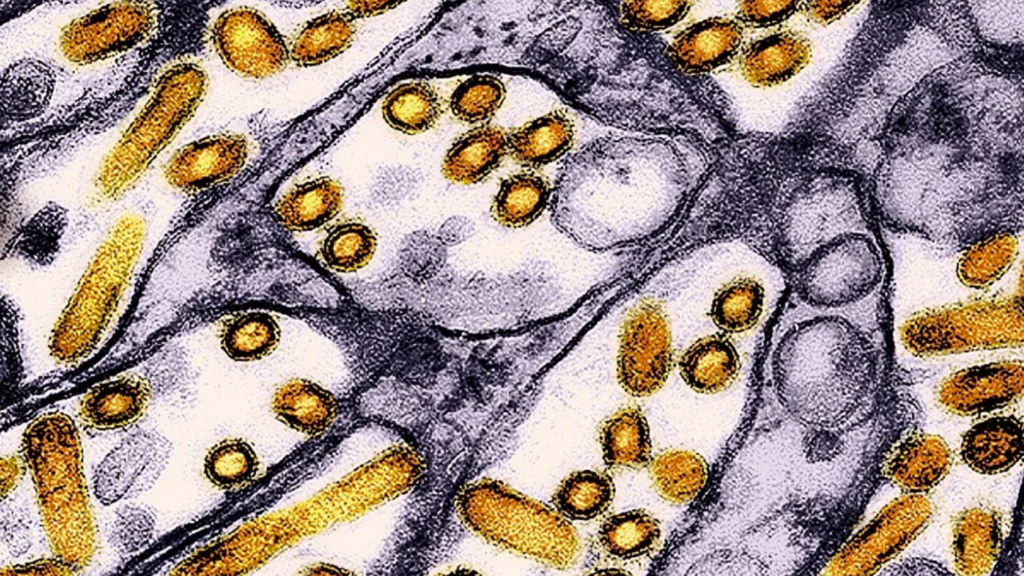
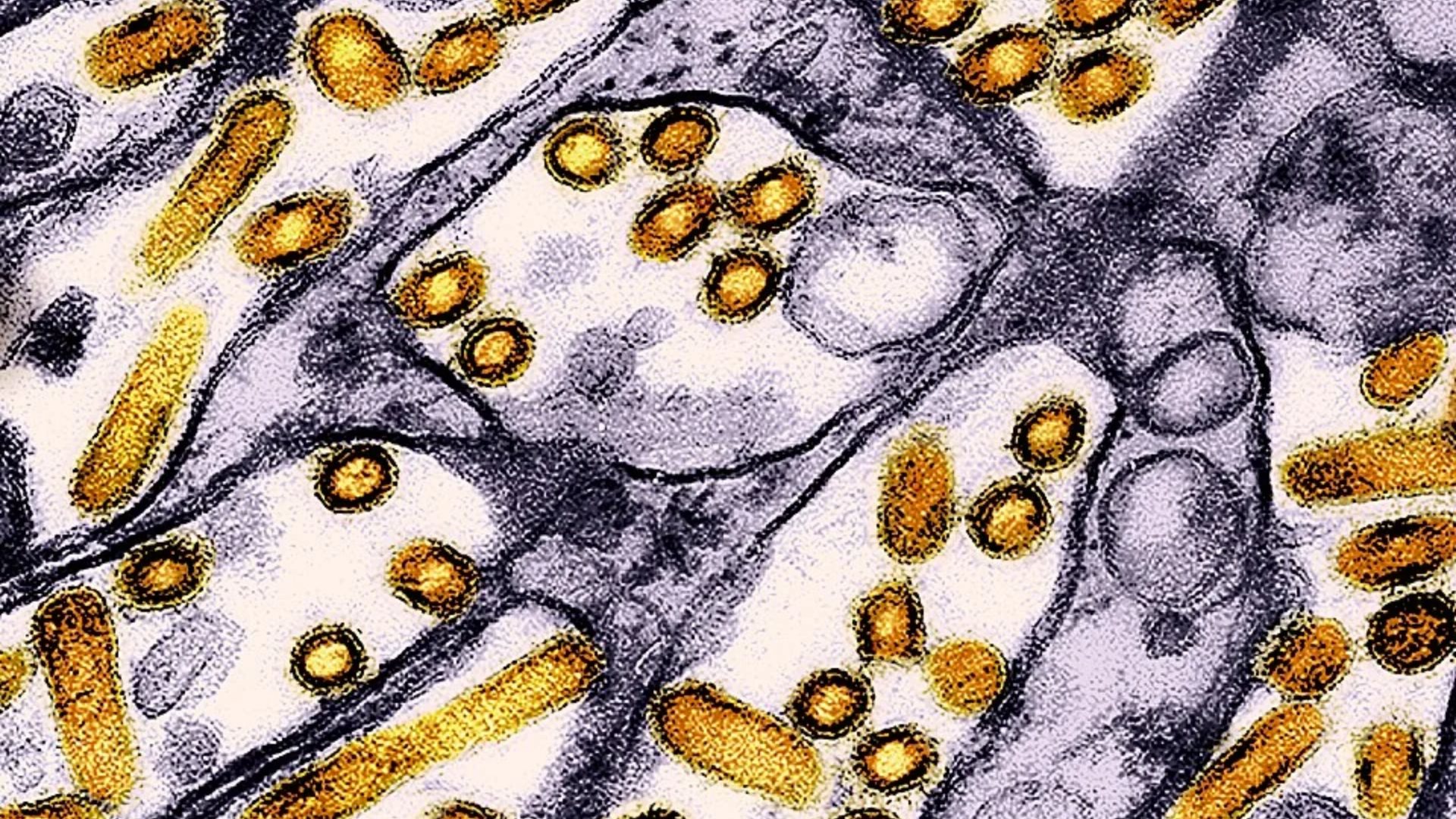
Bird flu is back in the national spotlight after a Washington state resident died from complications of an H5N1 infection, marking the first reported bird flu death in the United States in approximately a year. The patient, who had underlying health conditions, became infected after exposure to dairy cattle at a farm in Yakima County and was hospitalized with severe illness before dying on November 1, 2026. Although health officials emphasize that the risk to the general public remains low, the case has renewed concerns about the virus continuing to circulate among American livestock and occasionally infecting people who work closely with animals.
Washington Reports Its First Bird Flu Death of 2026

Health officials in Yakima County confirmed that a resident hospitalized with severe H5N1 bird flu died on November 1 after being exposed to infected dairy cattle. The patient had preexisting health conditions, although authorities did not release additional personal details or identify the specific medical complications that contributed to the death. The case represents the third reported bird flu-related death in the United States since 2024, following a fatal H5N1 infection in Louisiana in January 2025 and an H5N5 infection in Washington in November 2025.
Infected Dairy Cattle Were Linked to the Case
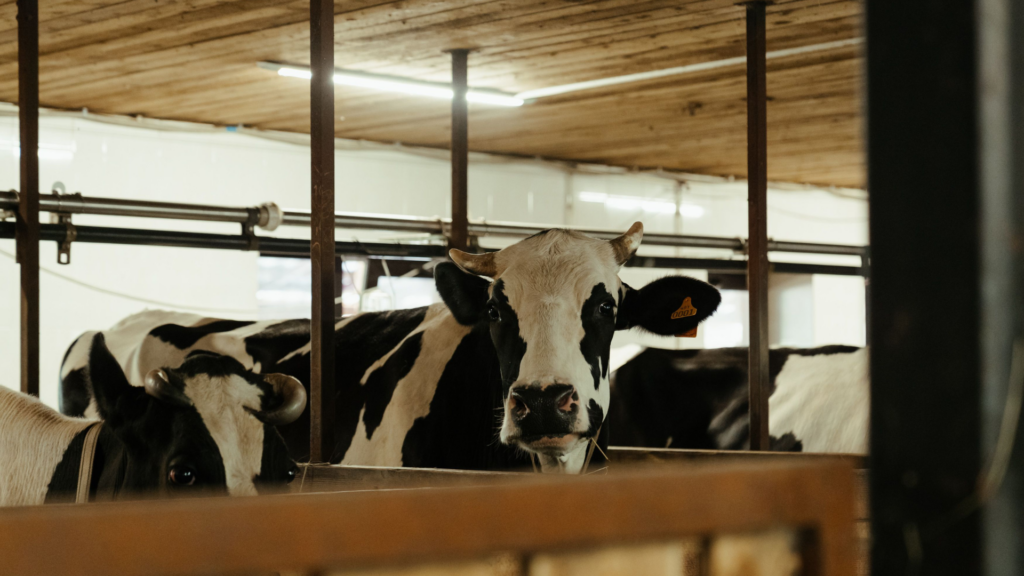
The latest human infection was connected to exposure at a commercial dairy farm where cattle had tested positive for H5N1, highlighting the continuing spread of the virus among livestock. Yakima County health officials reported that 33 dairy herds had recently tested positive for the virus, creating opportunities for people working with infected animals to encounter contaminated milk, surfaces, or other materials. Although bird flu is most commonly associated with poultry and wild birds, its spread among dairy cattle since 2024 has introduced additional challenges for farmers, veterinarians, and public health agencies monitoring possible human infections.
Three Human Cases Have Been Identified in Yakima County

Washington health officials reported three human bird flu infections associated with dairy cattle exposure in Yakima County during 2026, including the patient who died. The first identified patient experienced relatively mild illness, while another person developed conjunctivitis, commonly known as pink eye, and did not require hospitalization. The differences in illness severity demonstrate that H5N1 infections can produce a range of symptoms, making it important for people exposed to infected animals to seek medical advice even when their initial symptoms appear manageable.
Most Human Bird Flu Cases Have Been Mild

Despite the seriousness of the Washington death, most confirmed human H5 bird flu cases in the United States since 2024 have involved relatively mild illness, particularly among people exposed through dairy or poultry work. Common symptoms include red or irritated eyes, fever, cough, sore throat, fatigue, headaches, and muscle aches, although some infected individuals may experience only a few of these problems. More severe infections can lead to breathing difficulties, pneumonia, and other potentially life-threatening complications, particularly among people with underlying health conditions or those who do not receive timely medical care.
Scientists Are Watching for Changes in the Virus

One of the biggest concerns surrounding H5N1 is its ability to change genetically as it continues spreading among different animal species, potentially affecting how easily the virus infects humans. Following the fatal Washington case, the Centers for Disease Control and Prevention analyzed the virus’s genetic sequence and reported finding no changes suggesting that it had become more easily transmissible or more likely to cause severe illness. Although this finding was reassuring, scientists continue monitoring the virus because additional infections among animals and humans create opportunities for genetic changes that could alter its behavior.
Health Officials Say the Public Risk Remains Low

The CDC continues to classify the risk of H5 bird flu to the general American public as low because infections remain uncommon and are primarily associated with direct exposure to infected animals. As of its November 13 surveillance update, the agency reported no unusual patterns of influenza activity in humans that would suggest widespread bird flu transmission. Public health officials have also found no evidence of sustained person-to-person transmission in the United States, meaning the latest Washington cases do not indicate that the virus is spreading through ordinary community contact.
Farmworkers Face Greater Risks Than Most Americans

People who work directly with dairy cattle, poultry, and other potentially infected animals face a greater risk of H5N1 exposure because their jobs may involve contact with contaminated bodily fluids or surrounding materials. The CDC recommends that workers in higher-risk settings use appropriate protective equipment, including gloves, eye protection, respirators, and protective clothing when handling potentially infected animals. Employers and public health agencies are also encouraged to provide safety training and monitor exposed workers for symptoms, since early recognition of infection can support prompt testing and treatment.
Food Safety Precautions Remain Important

Although the outbreak involves dairy cattle and poultry, health officials emphasize that properly handled and prepared food remains an important part of reducing potential exposure to harmful pathogens. The CDC advises consumers to choose pasteurized milk rather than raw milk because pasteurization effectively inactivates influenza viruses, including H5N1, while cooking poultry, eggs, and beef to appropriate internal temperatures also destroys the virus. Avoiding unpasteurized dairy products and following established food safety practices can help reduce preventable risks without requiring households to eliminate properly prepared milk, eggs, or meat from their diets.
The Washington Case Is a Reminder That Bird Flu Has Not Disappeared

The fatal infection in Washington demonstrates that bird flu remains an important public health concern even during periods when the disease receives relatively little national attention. Although the CDC continues to report a low risk for the general public, ongoing infections among dairy cattle, poultry, and wild birds mean that people working with these animals must remain particularly cautious. Continued surveillance, workplace protections, early medical treatment, and responsible food safety practices will be essential as health officials monitor the virus and work to prevent additional serious infections.