

Products are selected by our editors, we may earn commission from links on this page.
One of the country’s few Black-owned banks just bet that a debit card can help break the cycle of poverty for single mothers. Redemption Bank unveiled its “Bank King Card” on Juneteenth, pledging to donate money from every new account opened to nonprofits serving families in government-subsidized housing. Ashley Bell, chair and chief executive of parent company Redemption Holding Co., calls it a new regenerative banking model, one built for mothers who are just a few dollars away from turning their finances around.
The donations won’t fluctuate with card swipes or account volume. Redemption Bank, headquartered in Holladay, Utah, confirmed the contribution will instead be a fixed amount set annually by its board of directors. Nonprofits offering direct-cash assistance can then apply for grants through a foundation created specifically to route the money to the families who need it most.
Bell points to a wave of guaranteed income programs already reshaping outcomes for women nationwide, particularly women of color, who’ve used unconditional cash to stabilize their households. The initiative also responds to a 2026 report from the Urban Institute and the Jeremiah Program documenting the financial strain single mothers carry. What the data doesn’t fully capture, according to advocates, is what that money actually buys a family beyond just covering the bills.
This article was created with the assistance of AI and reviewed by our editorial team for accuracy and clarity.
Jeremiah Program’s Chastity Lord Says Direct Cash “Provides Dignity”
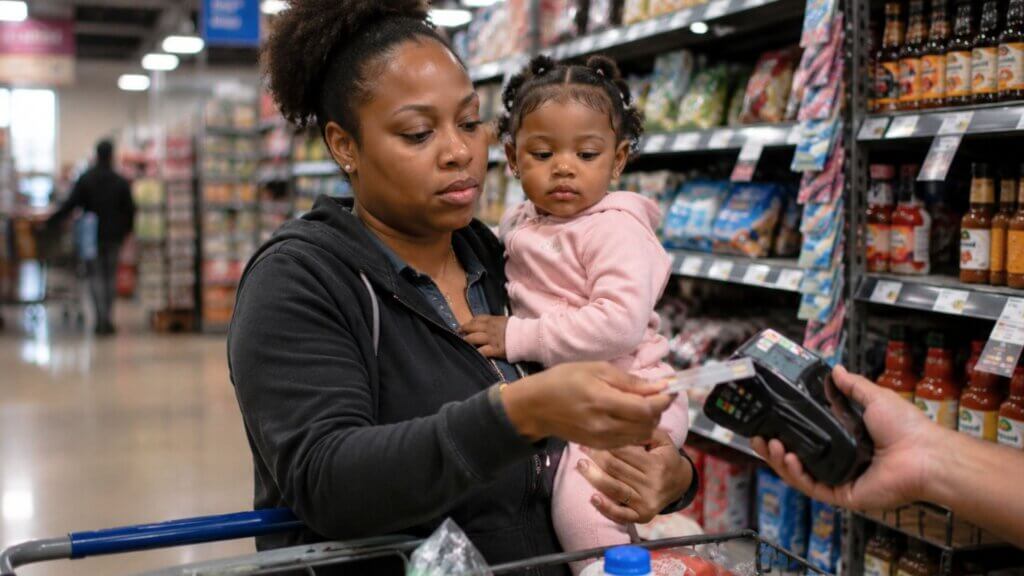
Chastity Lord, president and chief executive of the Jeremiah Program, has watched what happens when money goes straight into a mother’s hands. The organization, which works to expand economic mobility for single mothers, has found that direct cash is overwhelmingly spent on essentials: food, rent, transportation, childcare. But Lord says the impact runs deeper than a balanced budget. “It provides dignity,” she said, describing a shift in what families are able to prioritize once survival isn’t the only goal.
That dignity shows up in specific ways, Lord explained. Kids stay enrolled in summer learning instead of sitting home alone while their mothers work. Nutrition improves. Mothers gain room to make decisions that serve their children’s long-term interests rather than decisions made purely to get through the week. It’s the difference between reacting to a crisis and actually planning for one.
Those effects aren’t hypothetical. A pilot program run through the Ohio Mother’s Trust delivered $500 a month for a full year to 32 single mothers in the Columbus area, testing whether a modest, predictable cash infusion could change daily life for families living on the edge.
Columbus and Flint Mothers Describe Impact of Monthly Payments

Juanita Amakor was one of the 32 mothers in the Columbus pilot. The $500 a month let her catch up on overdue bills and stay current on rent, but she says the real value was psychological. “It’s the breathing room it gives you, knowing there is something extra coming in,” said Amakor, 36, who is raising a 7-year-old daughter. “It relieves a lot of anxiety.” Even small purchases, like a trip to the grocery store or clothing store with her daughter, felt different with that cushion in place.
In Michigan, a program called Rx Kids takes a similar approach but front-loads the support: a $1,500 lump sum during pregnancy, followed by $500 monthly payments in the child’s first months of life. The upfront money covers prenatal care, rent, or a crib. The monthly payments go toward formula, diapers, and childcare, the exact costs that blindside new parents living paycheck to paycheck.
Kinea Wright and her family, in Flint, received Rx Kids funding that covered bills and diapers for her newborn daughter. The support became critical after her husband was injured in a forklift accident. “Initially, [the money] was put up for a rainy day,” said Wright, 46. “I didn’t know the rainy day would come sooner than we thought.”
Bernice King Co-Founds Bank Behind Juneteenth Debit Card Launch
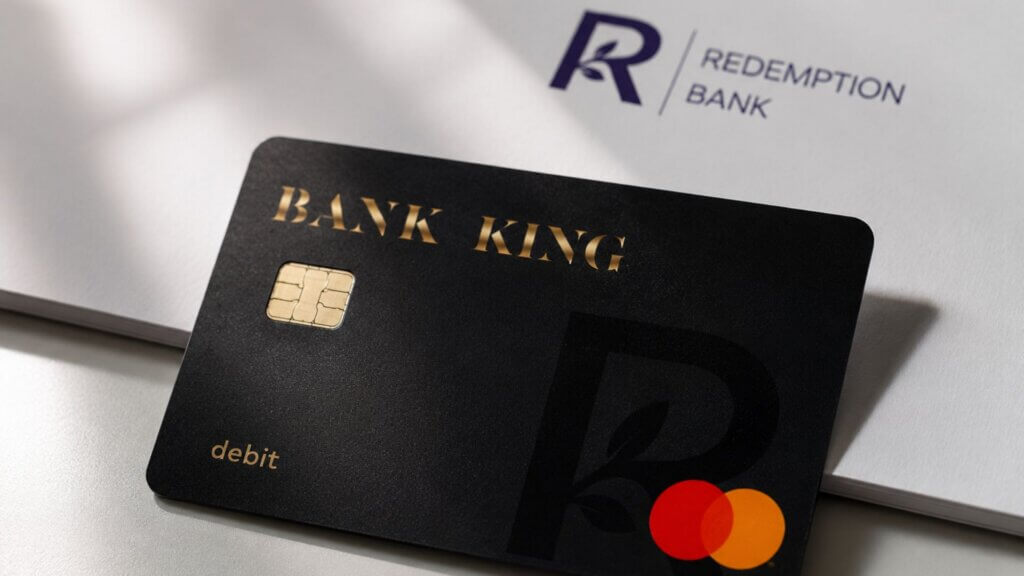
The Bank King Card launch marks the one-year anniversary of Redemption Holding Co.’s acquisition of Holladay Bank & Trust, a deal that made it the first Black-led investment group to own a bank in the western United States. At the time of the acquisition, Redemption Bank held roughly $65 million in assets and focused primarily on commercial lending and small business loans. Bernice A. King, the youngest child of the Rev. Martin Luther King Jr., co-founded the bank and serves as senior vice president.
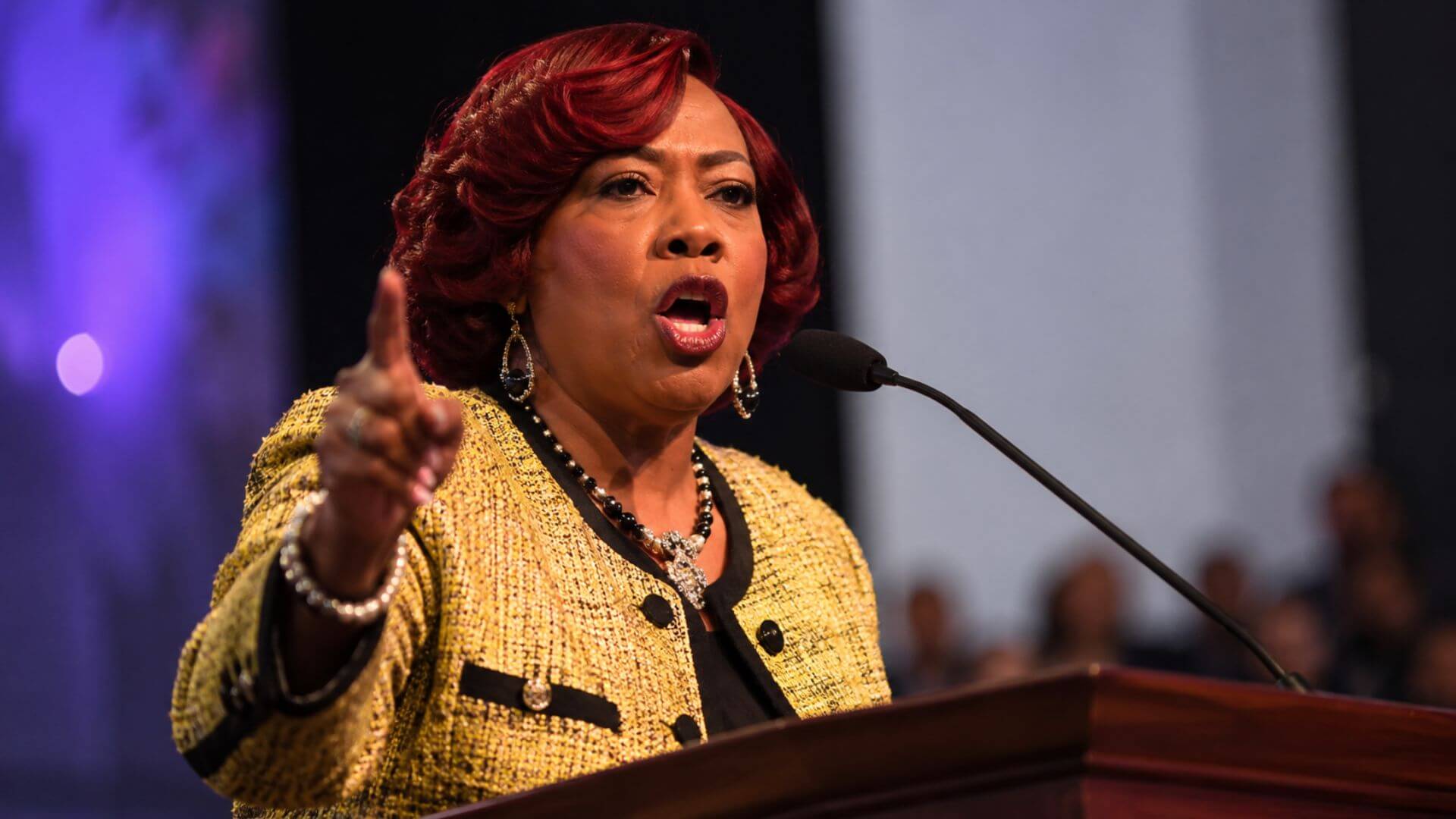
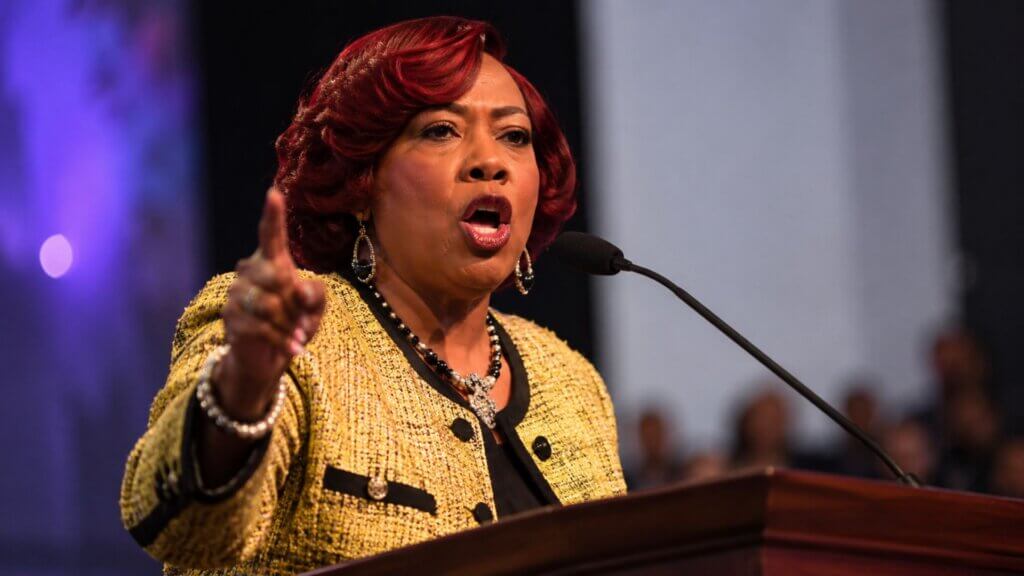
“Economic opportunity must be practical, accessible and rooted in the needs of families,” King said of the card’s mission, framing it as a tool that lets people align everyday financial choices with their values while supporting mothers working toward stability. A Bank King credit card is expected to follow, with interest rates capped at 12%, a notable ceiling in an industry where credit card rates routinely climb far higher.
Juneteenth commemorates June 19, 1865, the day enslaved people in Galveston, Texas, learned they had been freed, two years after the Emancipation Proclamation and a date President Biden designated a federal holiday in 2021. Redemption Bank’s decision to anchor its poverty-focused banking model to that date isn’t incidental. It’s a direct line drawn between historic economic exclusion and a modern effort to close it.