


Products are selected by our editors, we may earn commission from links on this page.

Born between 1997 and 2012, Gen Z now outnumbers Baby Boomers in the workforce. Yet a troubling pattern has emerged: six in 10 companies fired recent graduates they hired in 2024, according to an Intelligent.com survey. Three-quarters found their Gen Z hires unsatisfactory. What’s driving this alarming trend?
1. Chronic Lateness

Whether arriving late to the office, Zoom meetings, or email replies, tardiness sends a clear message: your time doesn’t matter. Employers report that 66% note frequent tardiness among Gen Z workers. Punctuality demonstrates basic courtesy and professionalism. When consistently absent, it chips away at your reputation and signals disengagement.
2. Using Inappropriate Language in the Workplace

Professional communication builds careers, but 56% of hiring managers criticize Gen Z’s language choices at work. Using slang, profanity, or overly casual speech with clients and supervisors creates lasting negative impressions. Workplace language requires situational awareness. Your words reflect your professionalism and respect for organizational culture, whether written or spoken.
3. Wearing Inappropriate Clothing to Work

Personal presentation still matters, even as workplaces become more relaxed. 58% of hiring managers disapprove of Gen Z’s dress sense, noting that looking like you just rolled out of bed signals low investment in your role. Dressing appropriately shows self-respect and situational awareness. A polished appearance communicates that you take your position seriously.
4. Lacking Motivation and Initiative

Half of the surveyed leaders cite a lack of motivation as why Gen Z hires failed. Gen Z sees work as a way to pay expenses, not something to live for. They won’t work extra hours without fair compensation. This practical approach clashes with traditional expectations of going above and beyond, creating tension with managers expecting unpaid dedication.
5. Quiet Quitting Mentality Undermines Teams

Doing just enough to get by feels like self-care to Gen Z but betrayal to managers. When young employees withdraw without communicating their disengagement, morale and productivity suffer organization-wide. Employers seek engaged effort, not perfection. Silent disengagement prevents problem-solving conversations that could improve both job satisfaction and performance outcomes for everyone involved.
6. Poor Communication Skills Create Friction

Bosses cite poor communication as a top reason for firing Gen Z workers. Growing up digital, they’re fast with technology but may avoid face-to-face conversations. Managers find this frustrating when situations require personal interaction. Sometimes a text is more efficient, but knowing when face-time matters separates effective communicators from struggling ones in professional settings.
7. Being Unprofessional and Unorganized

Managers point to Gen Z being unprofessional and unorganized as key termination reasons. Missing deadlines, producing poor quality work, and excessive phone use—cited by 78% of employers—create serious performance concerns. These behaviors suggest a disconnect between academic environments and workplace expectations. Structure and accountability operate differently in professional settings than in college classrooms.
8. Making Unrealistic Salary and Benefit Demands

Fresh graduates expecting remote jobs with six-figure salaries and extensive vacation time face harsh reality checks. Confidence is valuable, but entitlement kills careers before they start. Managers appreciate ambition when paired with humility and proven results. Understanding industry standards and earning advancement through demonstrated value creates sustainable career growth rather than disappointment and termination.
9. Questioning Traditional Workplace Hierarchies

Gen Z prefers flat, collaborative environments and questions top-down leadership. This challenges older managers who view it as disrespectful. However, questioning inefficient systems can push organizations toward innovation. The friction occurs when young workers lack the political awareness to navigate change diplomatically, making their valid concerns seem like personal attacks on leadership.
10. Prioritizing Balance Over Meeting Deadlines

When Gen Z workers skip work for mental health or refuse to work late, older managers feel frustrated. Setting firm boundaries seems like shirking responsibility to those accustomed to constant availability. However, prioritizing wellbeing reduces mistakes and prevents burnout. The generational clash centers on whether boundaries represent self-care or unprofessionalism in critical moments.
11. Resisting Feedback and Performance Reviews

Employers note Gen Z struggles to accept constructive criticism. Some are labeled as too defensive or dismissive when receiving feedback. This resistance prevents growth and frustrates managers trying to develop talent. While Gen Z wants frequent, meaningful feedback tied to company purpose, they paradoxically struggle when that feedback highlights areas needing improvement and specific behavioral changes.
12. Demanding Excessive Mentorship and Guidance

This generation frequently asks for more guidance, which feels like neediness to managers expecting independent workers. Gen Z’s request for structured mentorship reflects educational backgrounds emphasizing support systems. While valuable at any career stage, the constant need for direction can overwhelm busy supervisors. Finding balance between necessary guidance and self-sufficient problem-solving remains challenging.
13. Being Tech-Dependent to a Fault

Growing up digital makes Gen Z tech-savvy but sometimes overly reliant on technology. They excel with digital tools but may struggle with interpersonal workplace dynamics requiring human connection. Their preference for text communication over face-to-face interaction can hinder relationship-building and collaborative problem-solving. Technology proficiency doesn’t automatically translate to well-rounded professional competence in human-centered work environments.
14. Pushing Social Values in Professional Settings

Many Gen Z workers care deeply about climate change, racial equity, and ethical business practices. Some managers call that “too political” and inappropriate for workplace discussions. However, aligning company actions with stated values increasingly matters to consumers and employees. The tension arises when advocacy disrupts workflow or when young workers expect immediate organizational transformation on complex issues.
15. Lacking “Common Sense” and Professional Experience

This complaint echoes what older workers say about every younger generation entering the workforce. Gen Z may lack professional experience, but that doesn’t mean they’re incapable. Career advisor Huy Nguyen notes they’re often unprepared for less structured environments and autonomous work expectations. Time, training, and patience allow skills to develop naturally.
16. Being Openly Vocal About Mental Health
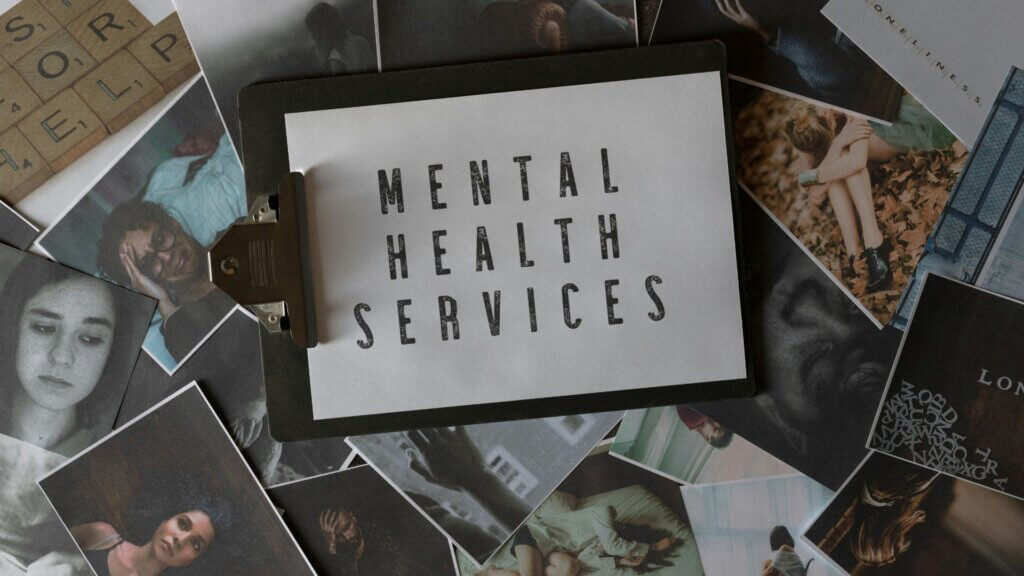
Gen Z discusses mental health struggles and requests accommodations more freely than previous generations. While some view this as weakness, it normalizes crucial conversations. According to Deloitte research, nearly half of Gen Z workers have left jobs for mental health reasons. Their openness challenges workplace stigma but can make managers uncomfortable when boundaries and accommodations require significant adjustments.
17. Wanting Personalized Career Paths and Rapid Advancement

Rather than waiting for annual reviews, Gen Z wants tailored development paths and regular feedback. Many seek meaningful work, pay transparency, and quick advancement. Older generations view this as entitlement, but after watching millennials struggle with debt and stagnant wages, Gen Z simply wants to avoid that fate. Their urgency threatens traditional hierarchies and advancement timelines.
18. Challenging Workplace Norms and Pushing for Change

Gen Z’s demand for inclusion, flexibility, and mental health support gets labeled “toxic” or rebellious. Every new generation questions the status quo, making things uncomfortable. But workplace cultures evolve through this discomfort. Pushing for progress creates friction, yet these challenges often lead to healthier, more equitable environments that benefit all workers long-term.
Understanding the Disconnect

The tension between Gen Z and employers reveals a fundamental disconnect between generational expectations. Business experts like Joy Taylor warn that firing Gen Z is a “huge mistake” since they’ll comprise 30% of workers by 2030. Rather than dismissing young workers, companies must invest in onboarding, mentorship, and bridge-building. Both generations share responsibility for this workplace evolution.