

Products are selected by our editors, we may earn commission from links on this page.
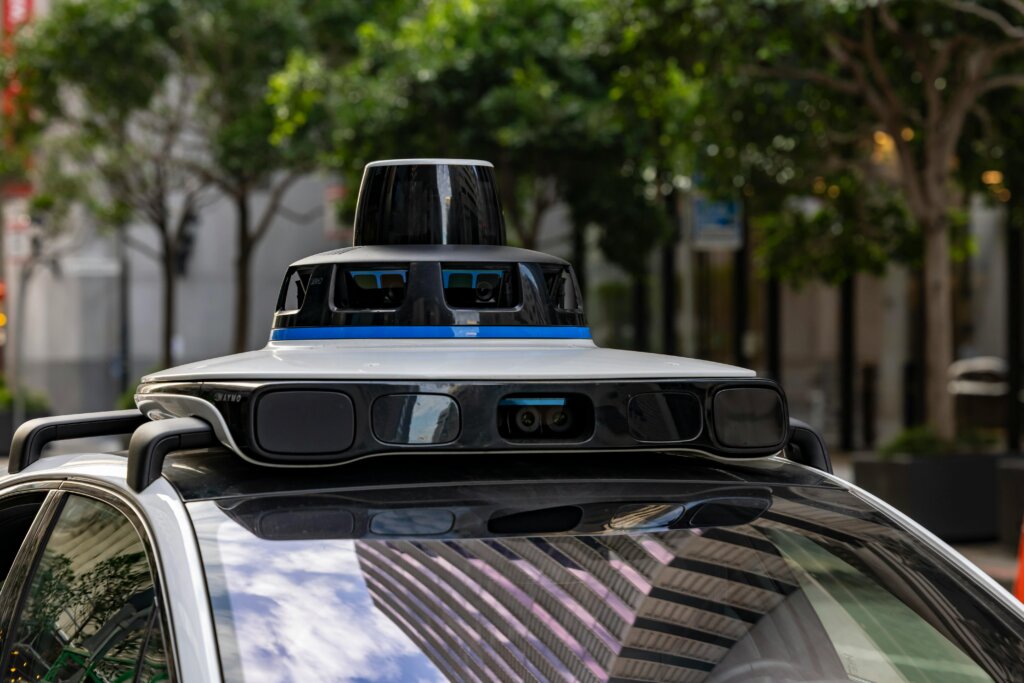
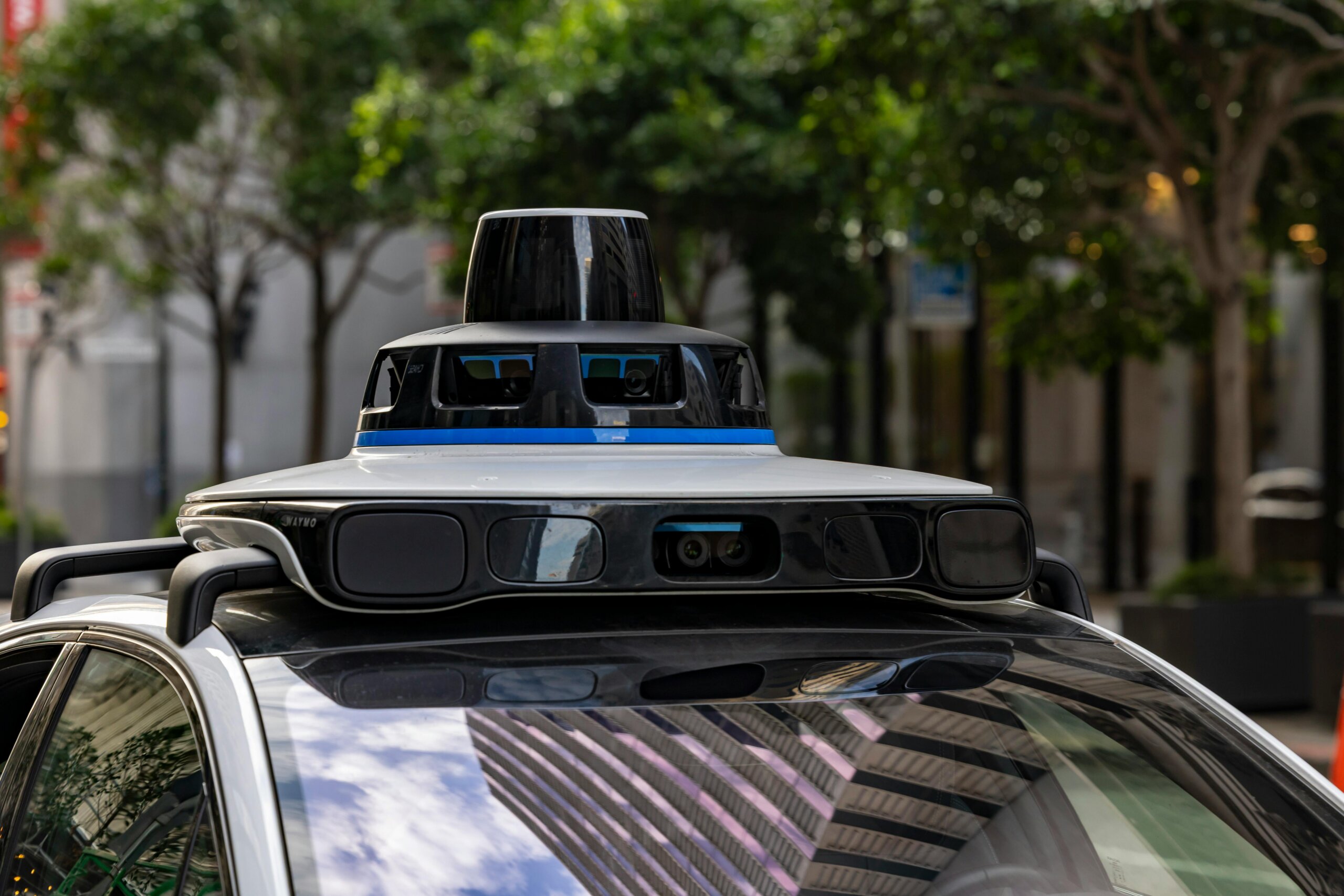
The days of driverless cars gliding away from traffic violations without consequences are coming to an end in California. Beginning July 1, law enforcement agencies across the state will be able to formally cite autonomous vehicle companies when their cars break traffic laws, closing a loophole that existed because there was no human driver behind the wheel.
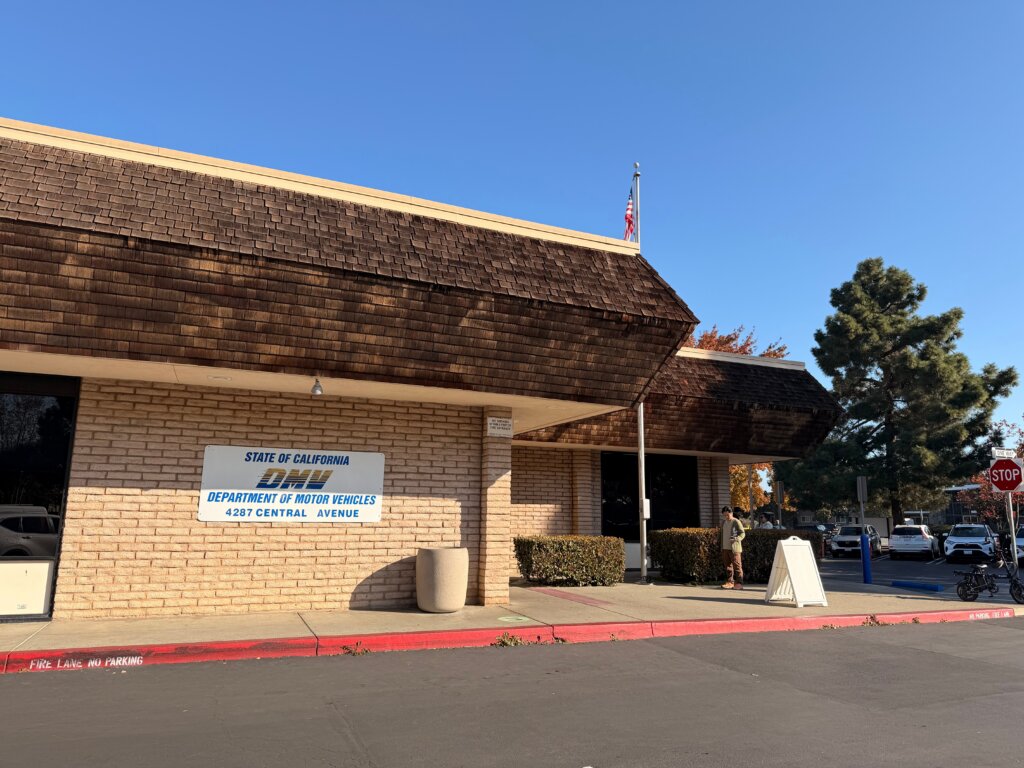
The new regulations, announced by the California Department of Motor Vehicles, create a process called a “notice of AV noncompliance,” allowing police to direct violations to the companies operating autonomous vehicles instead of individual drivers. State officials say the updated rules are designed to improve accountability as self-driving cars become increasingly common on California streets.
California has emerged as one of the country’s biggest testing grounds for autonomous transportation, with companies like Waymo operating fully driverless robotaxis in San Francisco, Los Angeles, and other major urban areas. As the technology expands, regulators are attempting to balance innovation with public safety in ways that could shape national policy for years to come.
A Growing Number of Incidents Pushed Regulators to Act
The rule changes follow several high-profile incidents involving autonomous vehicles in California and beyond. In one widely discussed case, a Waymo vehicle performed an illegal U-turn directly in front of police officers in San Bruno, but officers were unable to issue a traditional citation because no driver was inside the vehicle.
Other situations proved more serious. Emergency responders in San Francisco have repeatedly reported robotaxis entering active emergency zones or interfering with response operations. During a major San Francisco blackout in late 2025, multiple Waymo vehicles stalled in intersections across the city, contributing to congestion while traffic signals were offline. Videos from the outage spread quickly online and intensified public debate over how autonomous systems should respond during unpredictable emergencies.
State officials say the new regulations are intended to address those kinds of gaps before autonomous vehicles become even more widespread. Under the updated rules, companies must respond to emergency officials within 30 seconds and may face penalties if vehicles fail to comply with emergency directives or traffic laws. Manufacturers must also provide incident reports to the DMV within strict timeframes following serious events.
New Rules Expand Oversight Beyond Traffic Tickets

The updated regulations do more than simply allow citations. California’s DMV described the package as the “most comprehensive AV regulations in the nation,” introducing broader operational standards for autonomous vehicle manufacturers.
Companies operating driverless vehicles will now be required to submit detailed “First Responder Interaction Plans” explaining how police, firefighters, and emergency workers can safely interact with autonomous vehicles. The rules also establish new standards for remote operators, mandate updated training requirements, and authorize regulators to impose operational limits involving fleet size, location, weather conditions, or speed if public safety concerns arise.
At the same time, California is also opening the door for expanded autonomous transportation beyond passenger robotaxis. The updated rules remove previous restrictions on testing autonomous vehicles weighing more than 10,000 pounds, allowing companies to begin pursuing permits for heavy-duty autonomous freight vehicles and commercial trucking operations. That move signals regulators expect autonomous technology to continue expanding into logistics, delivery, and public transportation in the years ahead.
California’s Approach Could Shape the Future of Autonomous Transportation
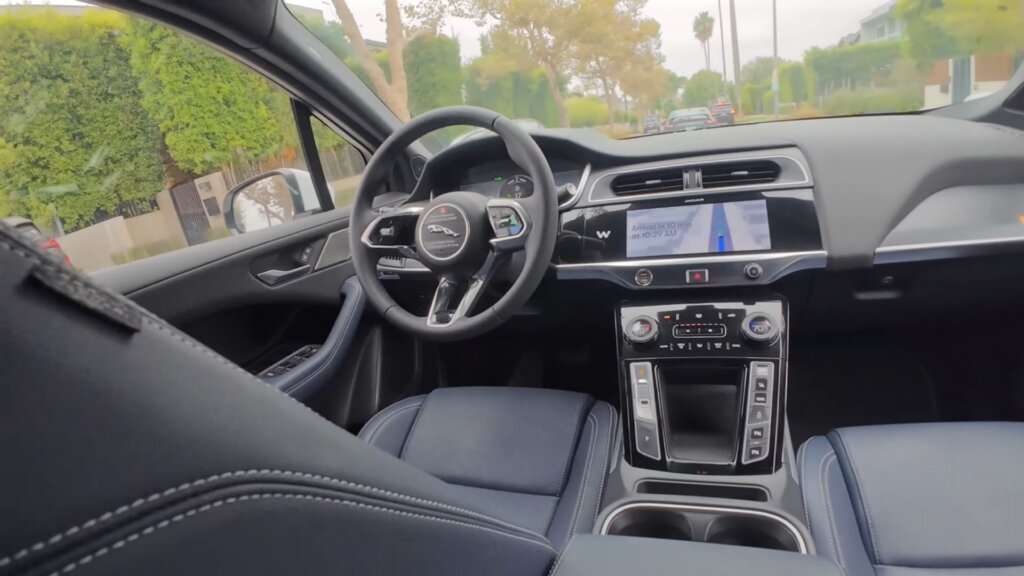
Supporters of autonomous vehicle technology argue that robotaxis can eventually reduce crashes caused by human error, improve accessibility, and create more efficient transportation networks. Industry groups say California’s updated rules provide companies with a clearer framework for safely testing and deploying self-driving systems while maintaining public trust.
Critics, however, continue pushing for tighter oversight. Some lawmakers have described autonomous vehicles as “unfinished technology” and proposed additional legislation focused on remote operator staffing levels, safety transparency, and emergency response coordination. Regulators are also closely watching how autonomous systems handle unusual situations that humans navigate instinctively, including power outages, road closures, construction zones, and emergency scenes.
For now, California’s new rules mark a significant turning point in how governments treat autonomous transportation. Instead of viewing driverless vehicles as experimental exceptions, regulators are increasingly treating them like permanent participants in everyday traffic — subject to many of the same expectations, responsibilities, and consequences as everyone else on the road.