

Products are selected by our editors, we may earn commission from links on this page.
California is bracing for another fuel crisis as two of its major oil refineries prepare to shut down, raising alarms over gasoline prices that could surge to as high as $8 a gallon. Industry experts and state lawmakers warn that the closures, driven by high costs and stricter regulations, could deepen energy instability in the nation’s largest state economy.
Phillips 66 Exit Near Los Angeles
Phillips 66 has formally announced plans to wind down operations at its Los Angeles-area refinery, with production expected to cease by 2026. The company cited California’s increasingly challenging regulatory environment and mounting compliance costs as key factors. This facility has been a cornerstone of regional fuel supply, and its loss is expected to place further strain on gasoline availability.
Valero’s Uncertain Future in Benicia

At the same time, Valero has issued a notice of intent to close its Benicia refinery by April 2026. The refinery supplies a significant share of California’s gasoline, jet fuel, and diesel. While the state is negotiating with Valero to potentially provide financial assistance to keep the plant running, the company has stressed that high operating costs make continued production unsustainable.
Gas Prices Could Spike to $8

A USC analysis projects that if both closures move forward, California’s fuel supply could be cut by as much as 20%, potentially sending prices soaring by 75% to an average of $8.43 per gallon (California Senate Report). With the state already home to the highest gasoline prices in the nation, analysts warn that drivers and businesses alike will face a punishing squeeze.
Gipson’s Warning on Local Impact

At a Sacramento hearing, Assemblymember Mike A. Gipson of the Gardena district called the Phillips 66 shutdown “a tremendous loss,” warning that hundreds of jobs and local economic activity are at stake.
“The jobs that it holds, the individuals … working each and every day, those individuals live in my district, they shop in my district, they add to the economy in my district,” Gipson told NBC LA.
His remarks captured growing anxiety about how refinery closures ripple beyond energy markets into community livelihoods.
Ripple Effects Across Communities

Local officials warn that refinery shutdowns do not just impact fuel supplies but also devastate communities dependent on energy-sector jobs. Thousands of families could be affected, particularly in areas near Los Angeles and Benicia. Beyond direct employment, small businesses and local tax revenues could see steep declines, compounding the challenge for districts already struggling with affordability.
State Pushes Climate Goals
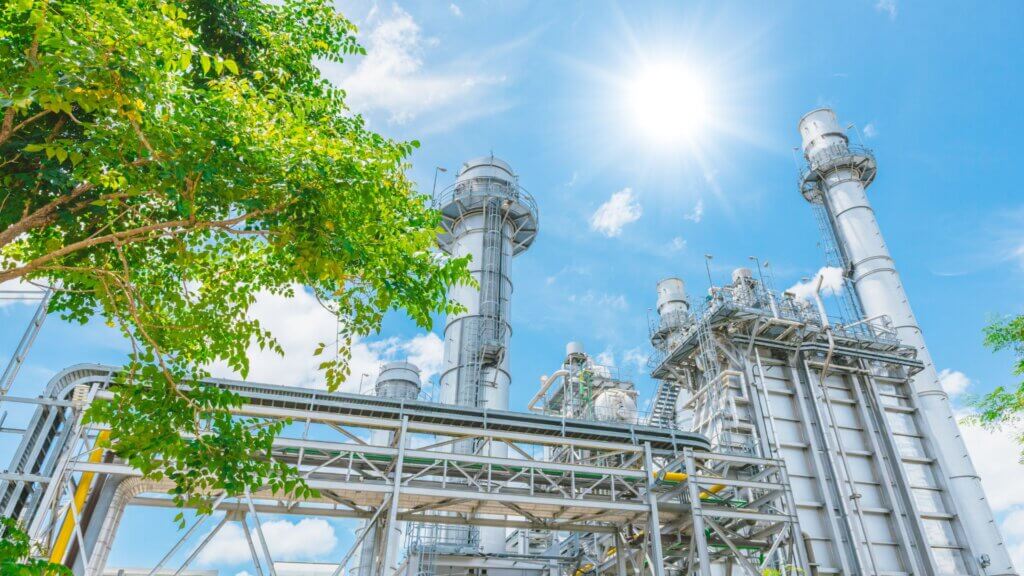
California regulators defend the closures as part of the state’s transition to a cleaner energy future. The state has pledged to drastically cut greenhouse gas emissions and accelerate the adoption of electric vehicles. Yet critics argue that shutting down refineries without a robust replacement plan risks economic and energy instability.
Lawmakers and Industry at Odds

This tension has sharpened divisions in Sacramento, where lawmakers and regulators have clashed over how to balance climate commitments with energy realities. Industry groups argue that businesses simply “cannot do business in the state of California” under current rules, while environmental advocates say short-term pain is necessary to secure long-term sustainability.
Fewer Refineries, Less Supply

California has lost more than a third of its refining capacity in the past two decades. Major facilities, including Marathon’s Martinez refinery, which ceased refining operations in 2020, and Shell’s Martinez refinery, sold off in 2021, have already reduced the state’s output. Smaller facilities have also shuttered or shifted to producing renewable fuels.
Each closure reduces in-state fuel production, leaving the state increasingly reliant on imports from the Gulf Coast and abroad. Because California requires a specialized cleaner-burning gasoline blend, imports are limited and often more expensive, further amplifying volatility at the pump.
The Growing Energy Dilemma
The closures underscore the state’s broader energy dilemma: how to meet climate goals while keeping fuel affordable for millions who still rely on gas-powered vehicles. For working families, truckers, and small businesses, the specter of $8 gas looms as both an economic and political flashpoint in California’s energy debate.