

Products are selected by our editors, we may earn commission from links on this page.
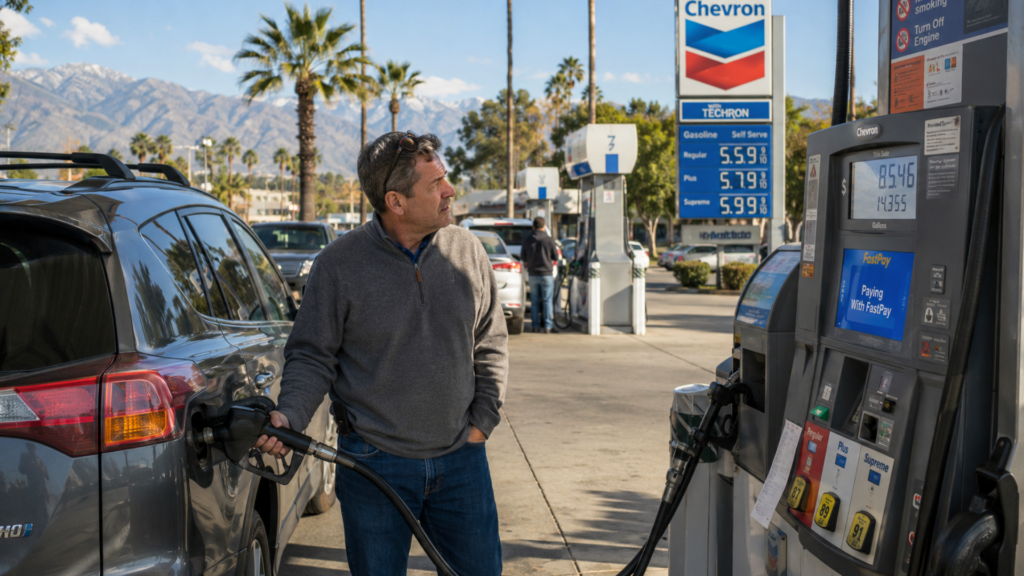
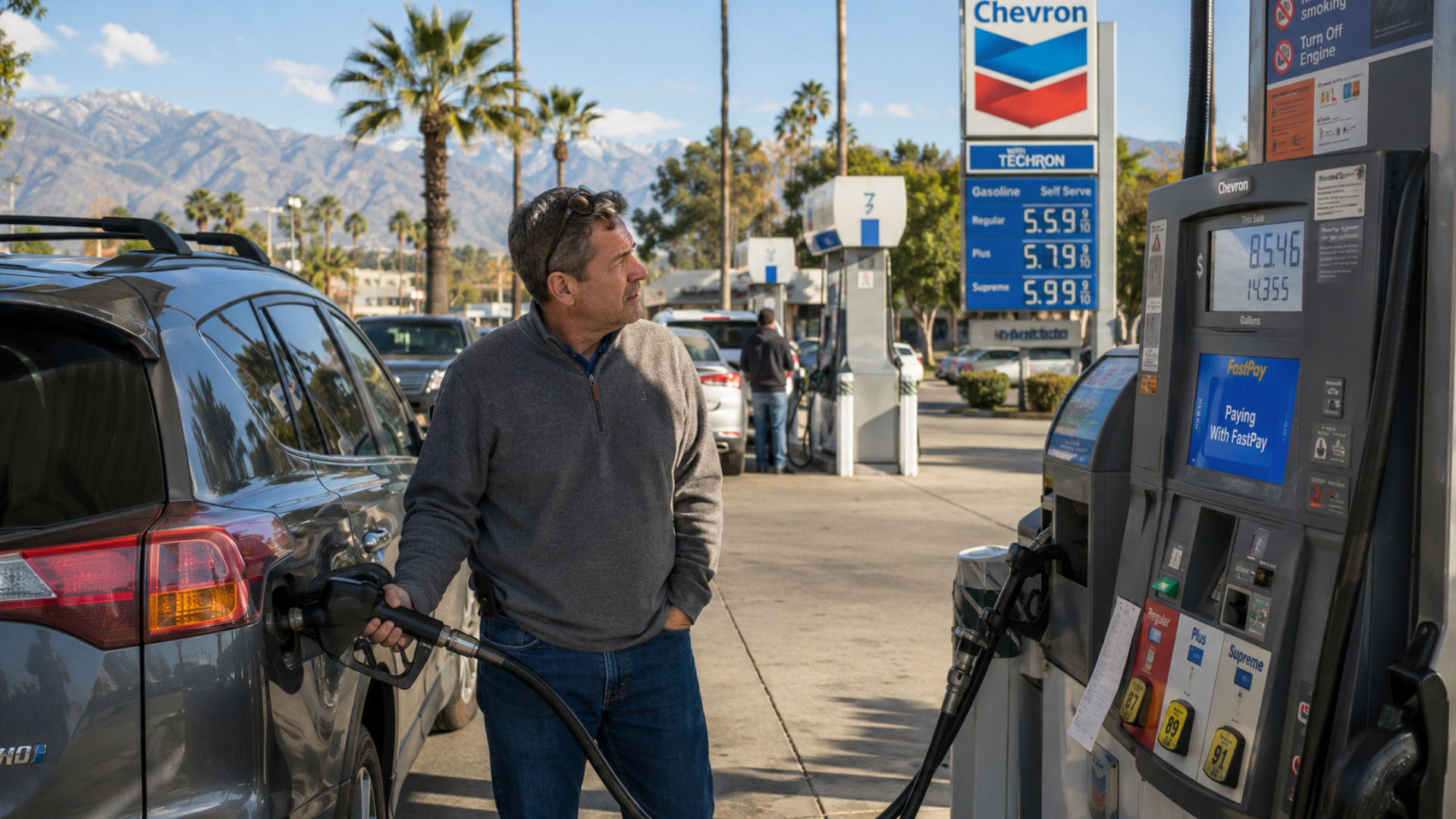
You fill your tank and blame the oil companies. But part of the pain comes from Sacramento, not Saudi Arabia. Starting Wednesday, California adds another gas tax hike, pushing state charges even higher on top of record pump prices. Drivers pay more than a dollar extra per gallon in taxes and fees. That number is about to grow. The real question is not why gas costs so much. It’s why the state keeps raising the bill while pointing fingers elsewhere.
This article was created with the assistance of AI and reviewed by our editorial team for accuracy and clarity.
California’s ‘Automatic’ Tax Hike Doesn’t Ask for Permission
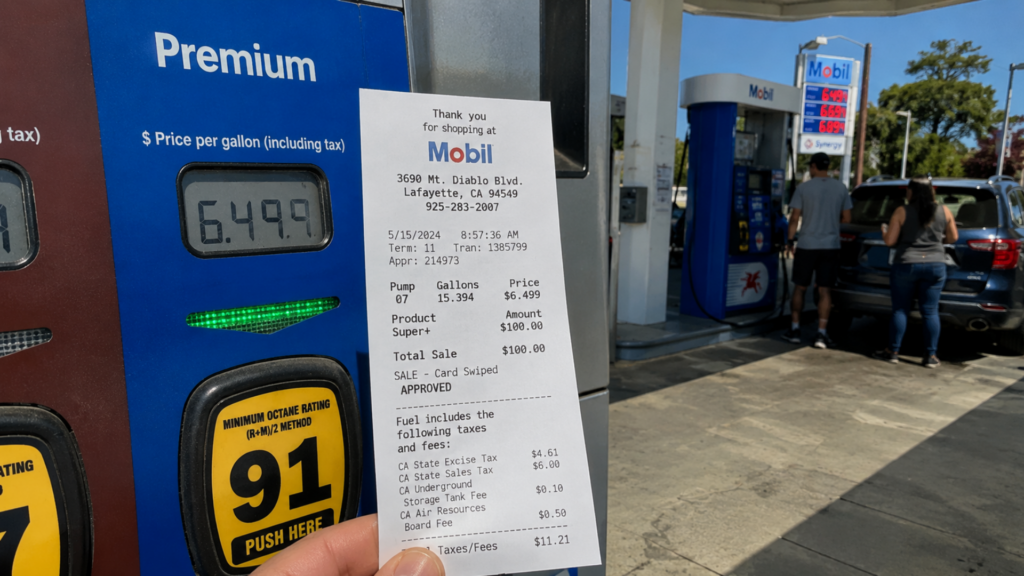
This isn’t a one-time bump. California’s gas tax rises automatically every year, and this week it climbs by 2.2 cents per gallon. That pushes the state’s base excise tax to 63.4 cents per gallon, among the highest in the country. The hike stems from a 2017 law tying the tax to inflation, a law voters upheld in 2018. Drivers rarely notice these small yearly jumps.
That $1.15 Surcharge Is Bigger Than the Gas Itself
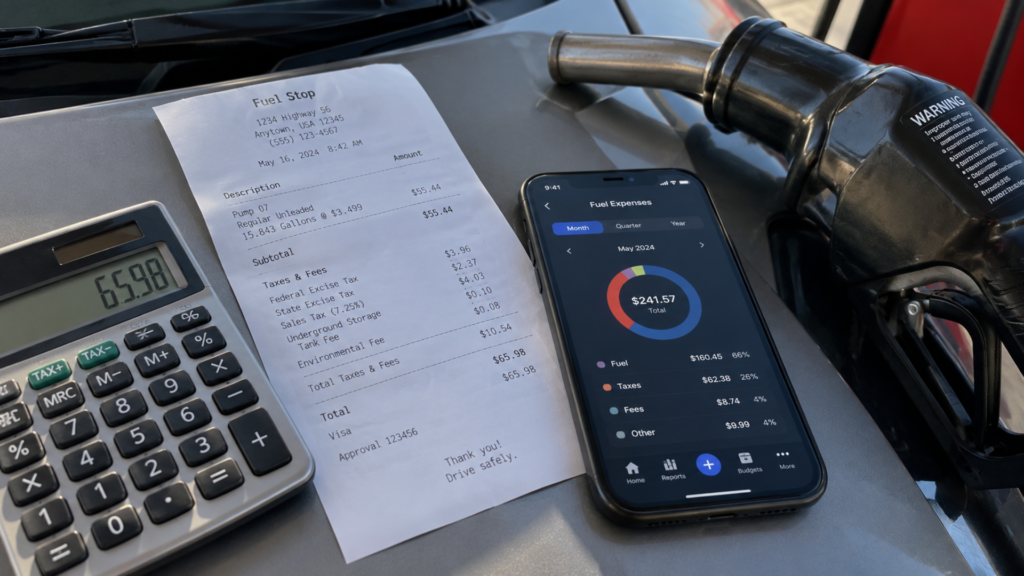
The excise tax is just the start. Add sales tax, cap-and-trade fees, and other charges, and the real burden on drivers hits about $1.15 for every gallon pumped. That means more than a fifth of what you pay at the register goes to government, not gasoline itself. For a family filling a 15-gallon tank each week, that adds up to real money lost every month. So where does the rest of that dollar actually go?
California Drivers Pay $1.65 More, and It’s Not Just the Market
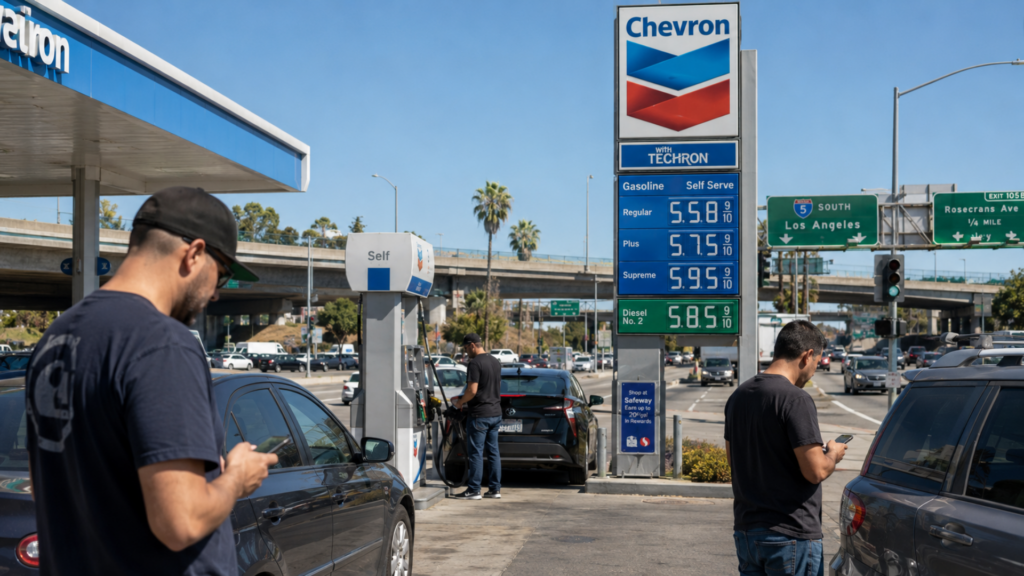
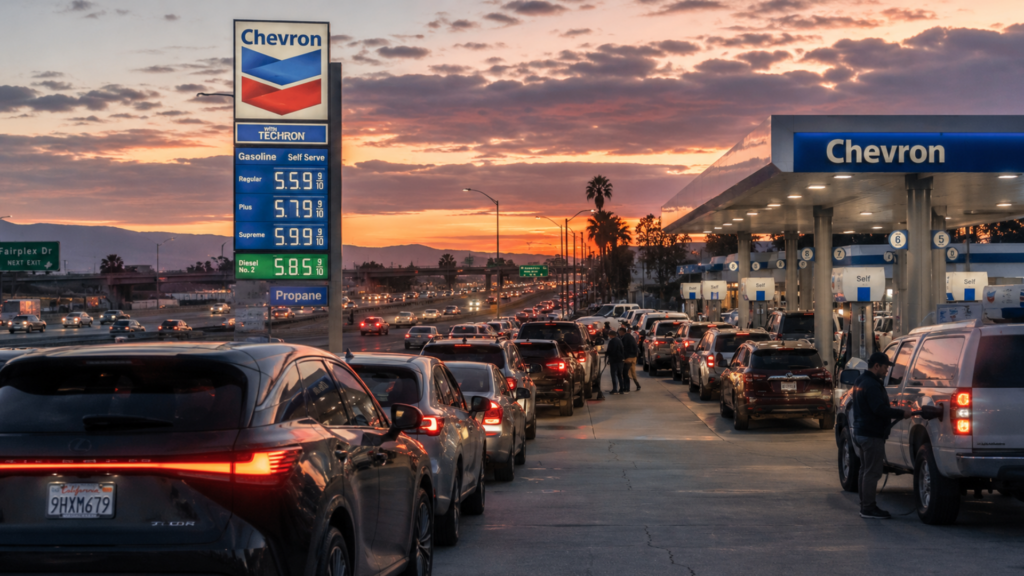
California drivers pay a steep premium just for living there. The average price per gallon in the state sits at $5.58, according to AAA data cited by lawmakers. That is $1.65 above the national average, the widest gap in the country. Out of that $5.58, only about $4.43 covers the actual cost of gasoline. The rest is taxes and fees.
Two Refineries Closed, and California Paid the Price
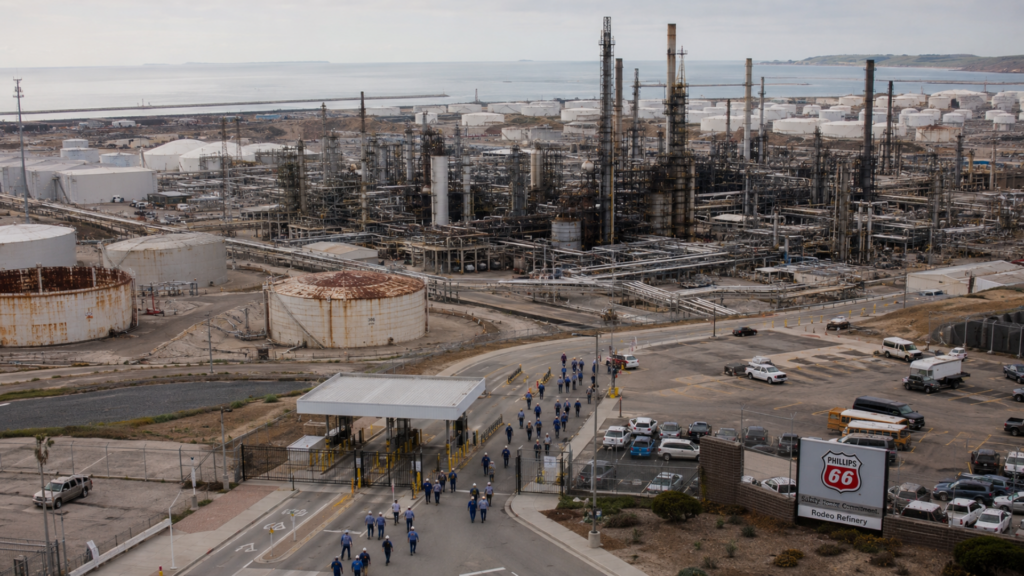
Fewer refineries mean less fuel made close to home. Two major California refineries, run by Valero and Phillips 66, shut down this year. Strict climate rules and fuel standards made it too costly for them to keep running. With less in-state refining capacity, California must buy more gasoline and crude oil from outside its borders, often overseas. That extra shipping and buying adds cost at every step. What happens when a state depends on the world for its own fuel?
A State That Can’t Feed Its Own Pumps
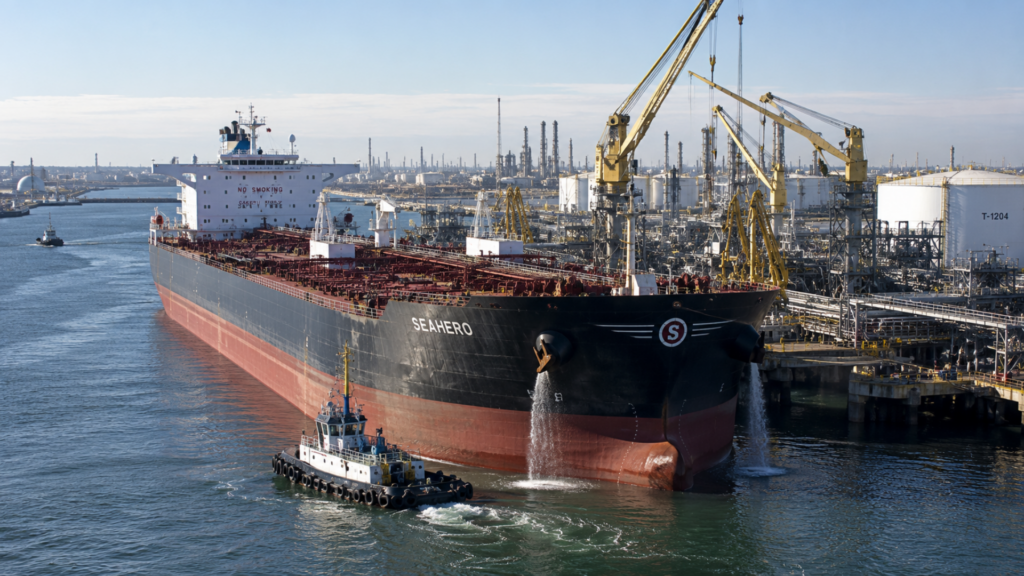
California leans on foreign oil more than almost any other state. It has no pipeline links to America’s biggest oil fields, so it imports roughly three-fourths of its crude. About a third of those barrels come from the Middle East. When the war against Iran threatened shipping through the Strait of Hormuz, that exposure hit home fast.
Newsom Says Cutting Taxes Won’t Save You a Dime

Newsom insists cutting the tax would not lower prices at all. He has resisted calls to pause the state’s fuel tax hikes, warning that a repeal would jeopardize road and transit funding. His office argued in March that scrapping the tax would simply “hand oil companies a massive tax break” without guaranteeing drivers see any savings. He also points fingers at Washington.
Republicans Say Sacramento Is Squeezing Families Dry
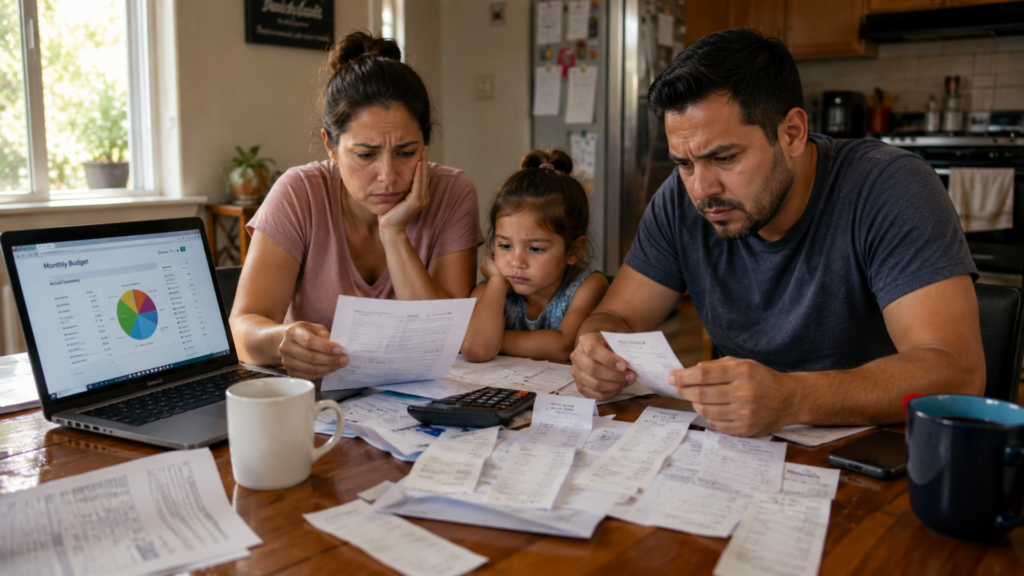
Republicans say the math simply doesn’t work for families. Rep. David Valadao says drivers in his Central Valley district are already stretched thin. “Central Valley families are already feeling the strain of California’s high cost of living, and they can’t afford to pay an extra 71 cents per gallon every time they fill up their tanks,” he said in a statement. He and seven other California Republicans signed a letter urging Newsom to act. Will the governor listen?
Neither Party Is Winning Drivers’ Trust
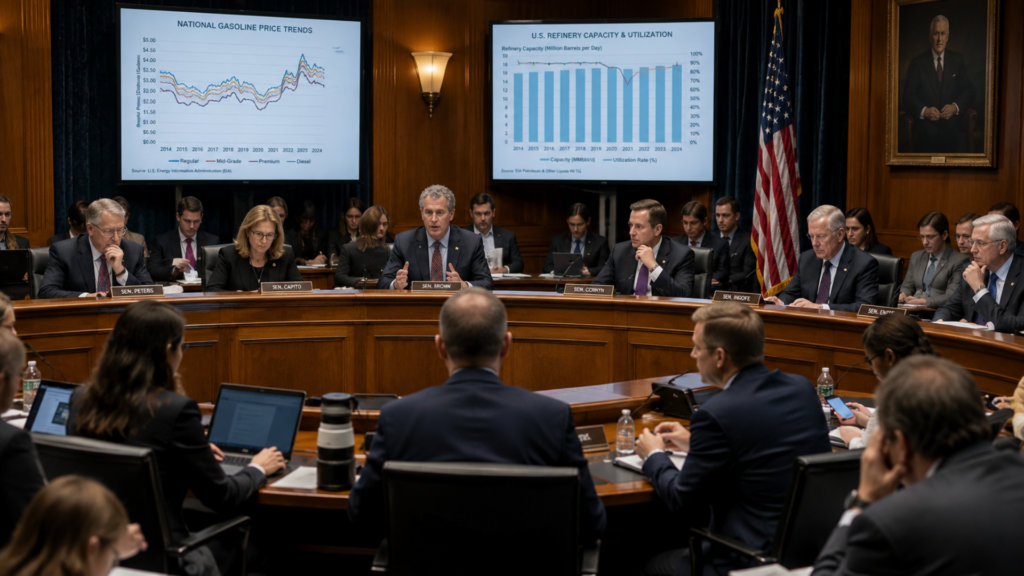
Most Americans aren’t buying the excuses either. A Fox News poll released in June found that just 23% of voters approve of President Trump’s handling of gas prices. That means roughly three out of four Americans feel let down by leaders in Washington, too, not just Sacramento. For a driver watching the pump climb past five dollars a gallon, blame games from both parties offer little comfort.
The Real Cost of Gas Isn’t Just at the Pump
The oil companies aren’t the only ones with their hand in your gas tank. Starting this week, Sacramento’s own tax formula adds a little more to every gallon, even as officials point to refineries, wars, and Washington. Maybe the truth isn’t one villain, but a pileup of decisions that all land on the same pump. The receipt tells a more honest story than any press release. What will it take to actually lower the number at the pump?