

Products are selected by our editors, we may earn commission from links on this page.
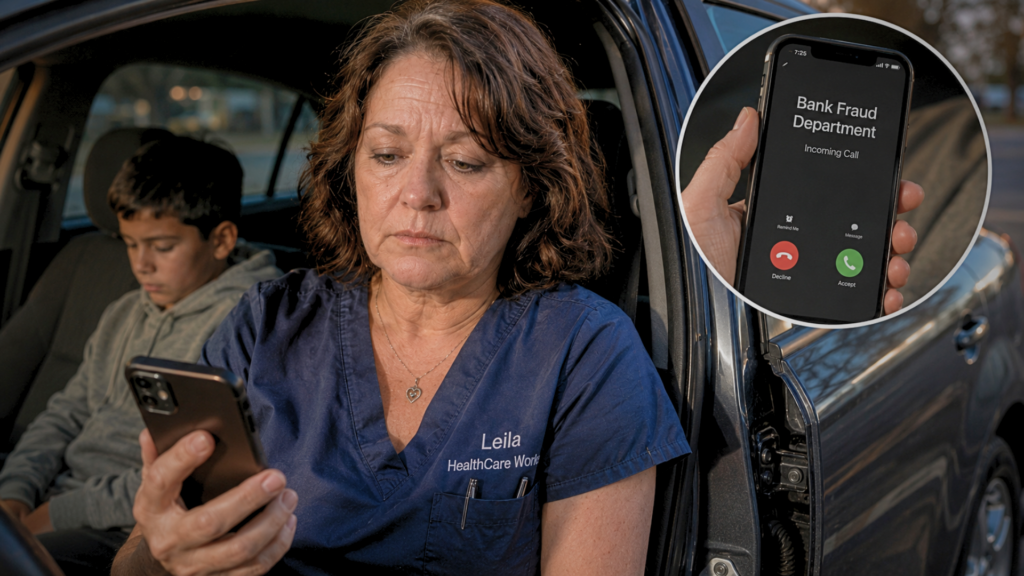
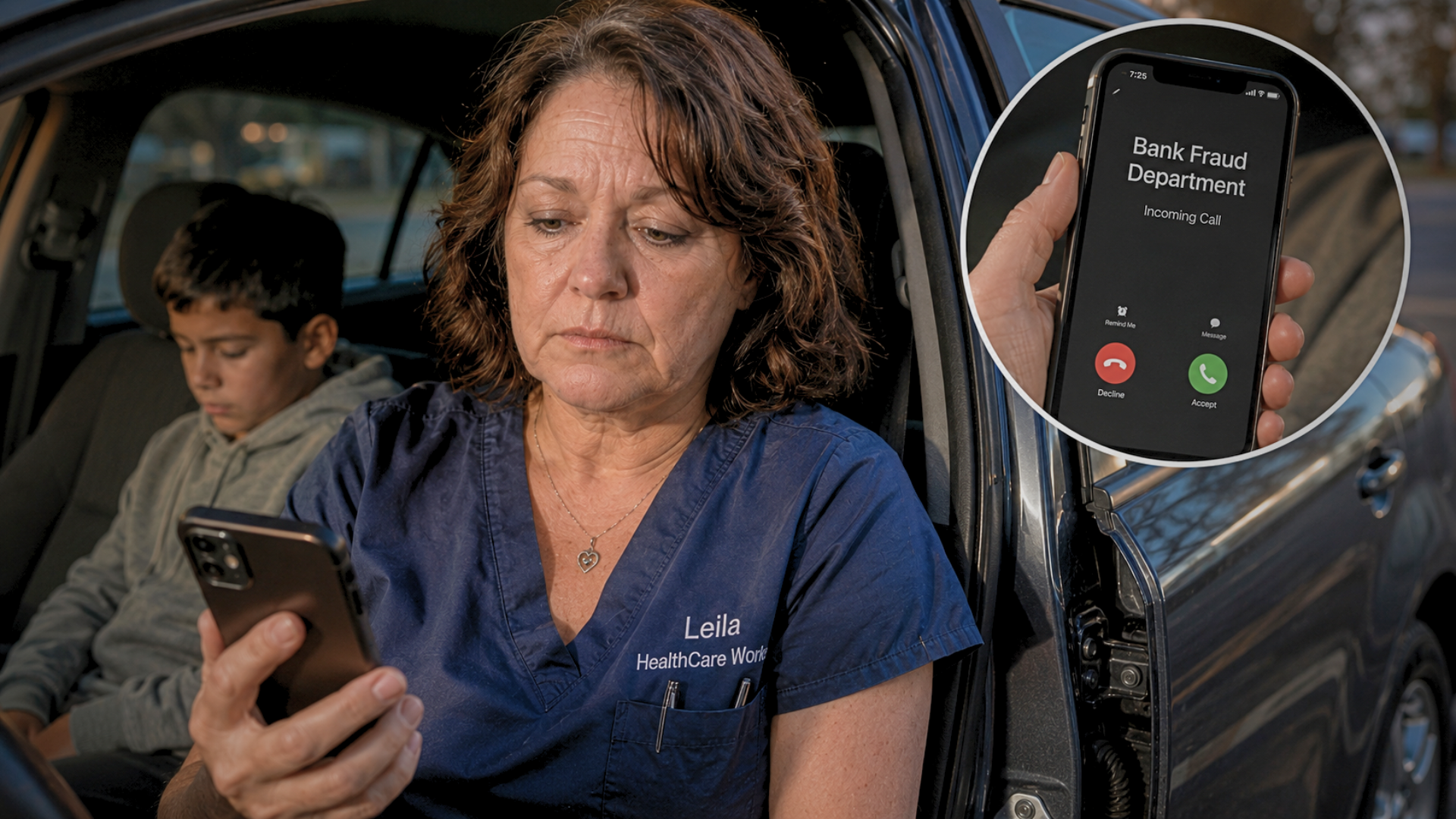
Imagine finishing a grueling work shift, picking up your hungry child, and dealing with a broken car battery, only to receive a phone call that drains your entire bank account. This exact scenario targeted a California healthcare worker who lost more than 5,000 dollars, an amount that could cover months of groceries for an average family. The victim fell prey to a highly sophisticated phone scheme that targeted her during a moment of extreme personal exhaustion.
This article was created with the assistance of AI and reviewed by our editorial team for accuracy and clarity.
National Fraud Data Confirms Massive Scale Of Loss

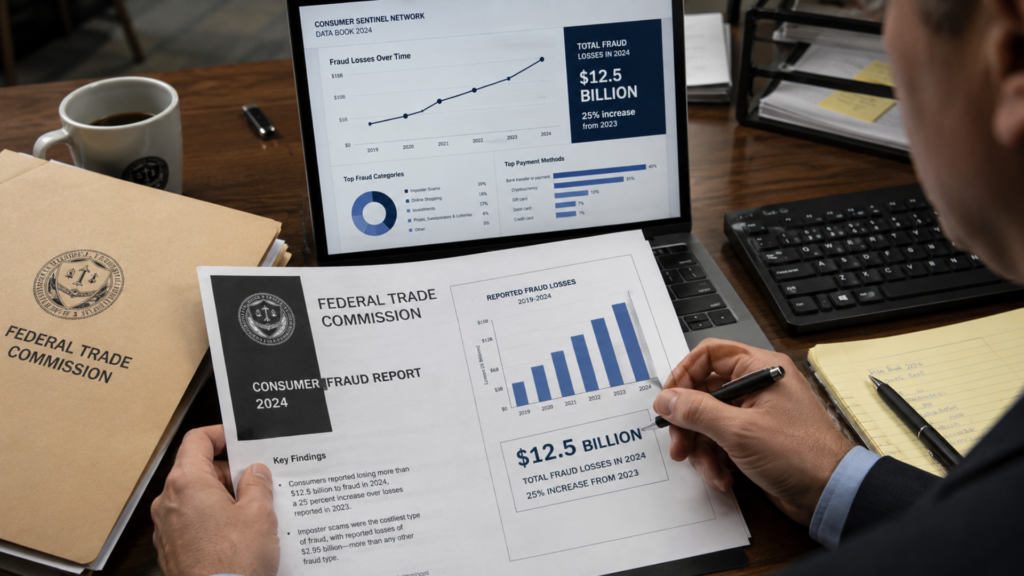
The scale of this specific financial threat is verified by official consumer protection metrics. According to data tracked by the Federal Trade Commission, consumers across the country lost an estimated 12.5 billion dollars to fraudulent schemes over a single recent year. This total financial drain represents a widespread epidemic of coordinated tech theft, proving that these highly organized networks successfully bypass traditional consumer awareness campaigns by exploiting psychological pressure points during stressful daily moments.
Two Separate Transfers Drained Over Five Thousand Dollars
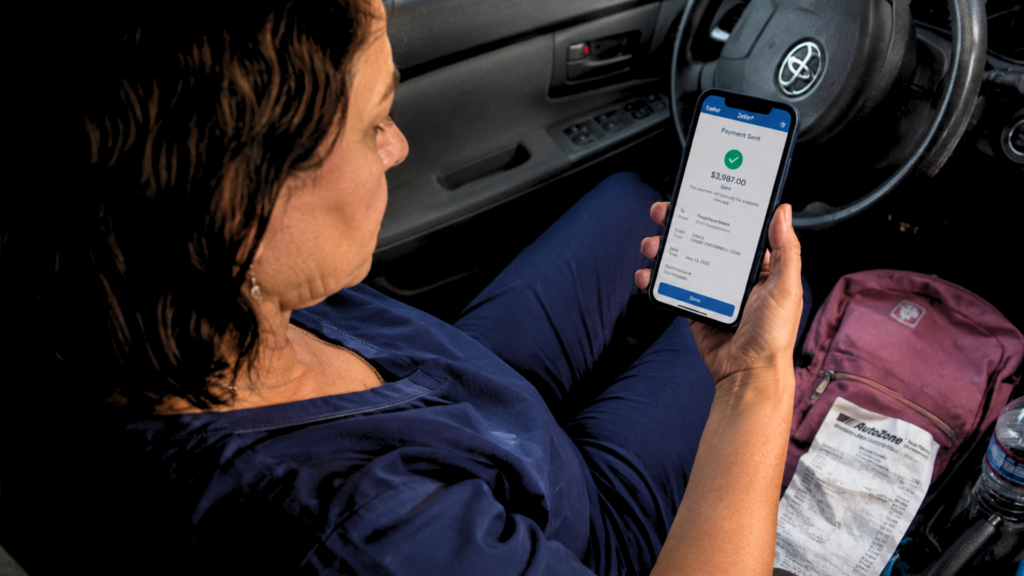
The specific evidence of the crime involves multiple financial transactions executed under duress. The perpetrator successfully coerced the victim into sending an initial highly specific Zelle payment of 3,987 dollars, falsely claiming the random figure would fix her system. After that initial transfer, the scammer forced her to open a separate Western Union account to send an additional 2,500 dollars, bringing the total loss to a devastating amount for a single working mother.
Fraudsters Sophisticated Tactics Overpace Traditional Protections
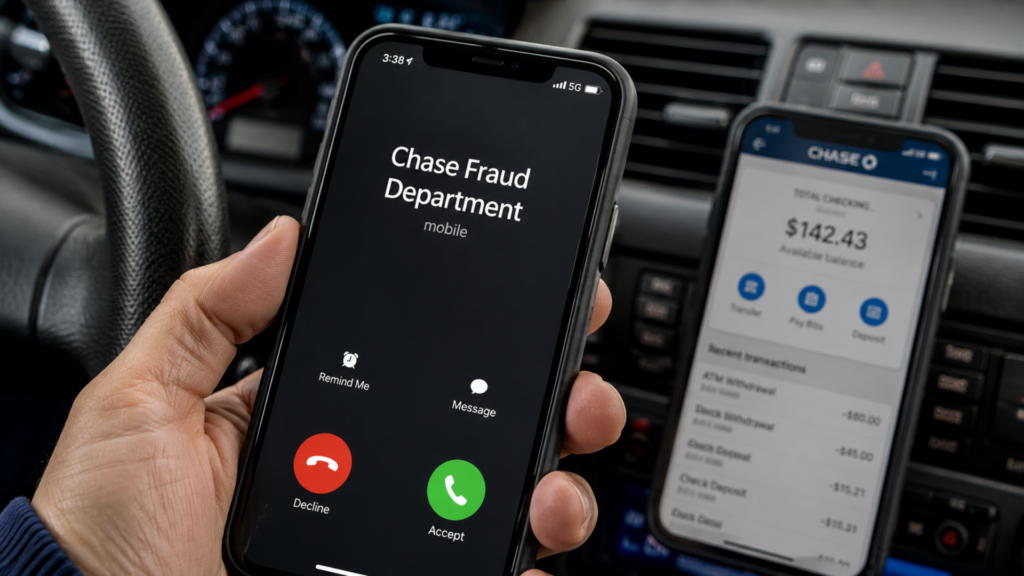
This financial disaster defied expectations because the victim considers herself an educated medical professional who previously believed she would never fall for such schemes. The incident highlights how modern spoofing technology allows criminals to disguise their phone numbers to perfectly mirror legitimate financial institutions. By overriding standard smartphone caller identification displays, these rings bypass the normal skepticism that consumers maintain, creating an immediate, artificial sense of security that catches even highly educated professionals off guard.
Major Financial Institutions Clarify Strict Security Rules

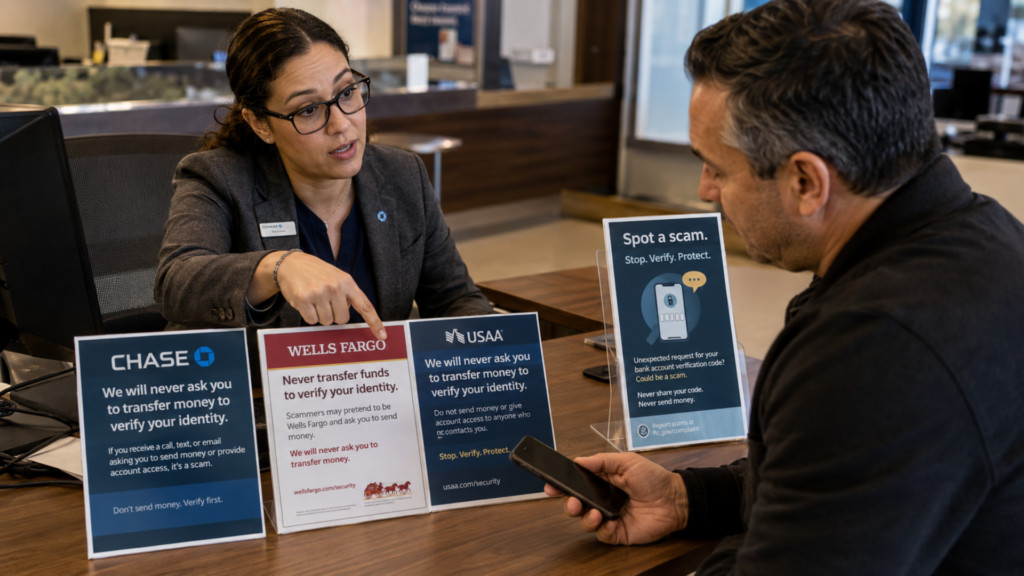
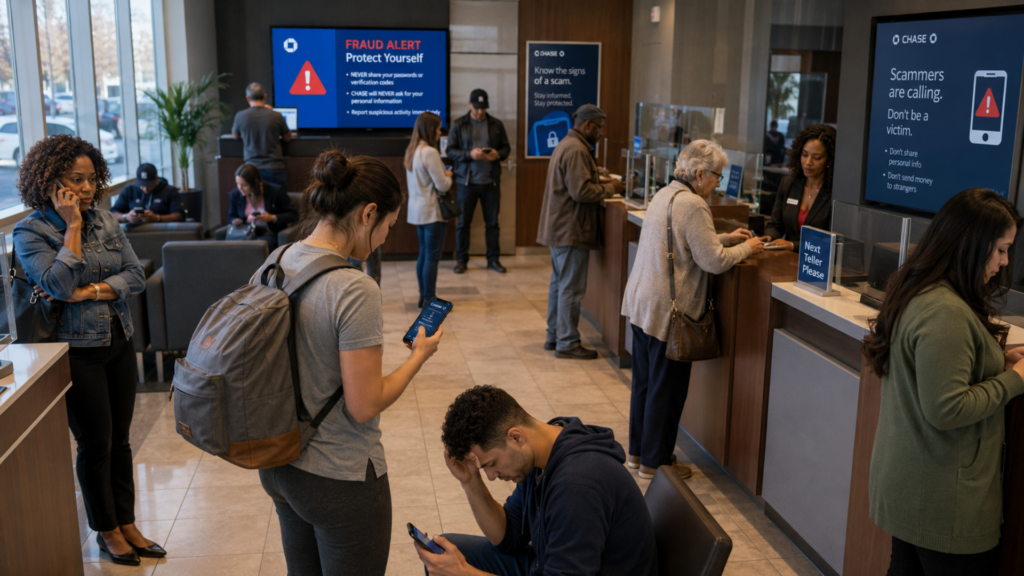
Major banking entities have established clear operational baselines regarding how they handle suspected account fraud. Institutions like Chase, Wells Fargo, and USAA explicitly state that credible organizations will never ask customers to transfer funds to verify identity or resolve security issues. Legitimate fraud departments monitor accounts internally, and they never pressure account holders to download external digital applications or move personal balances into alternative accounts under the guise of safety protocols.
The Scammed Healthcare Worker Expresses Absolute Regret
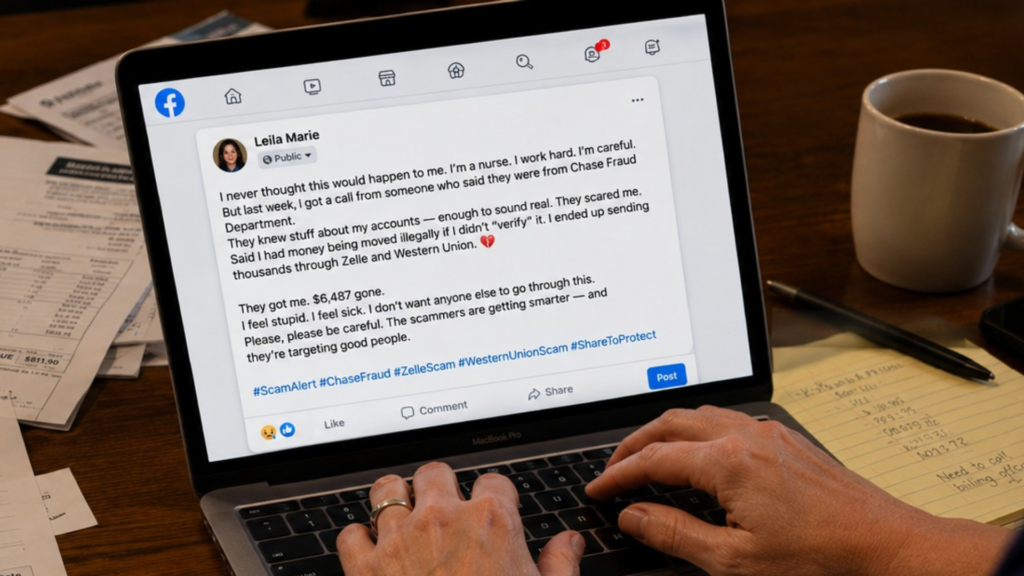
“I know I know. As I said, sing it out loud is embarrassing because I can hear the red flags.” Leila Marie, the California healthcare worker targeted in the phone scam, shared this reflection on social media after recounting the stressful two-hour conversation that cost her thousands of dollars.
High Stress Coordination Crumbles Normal Consumer Defenses
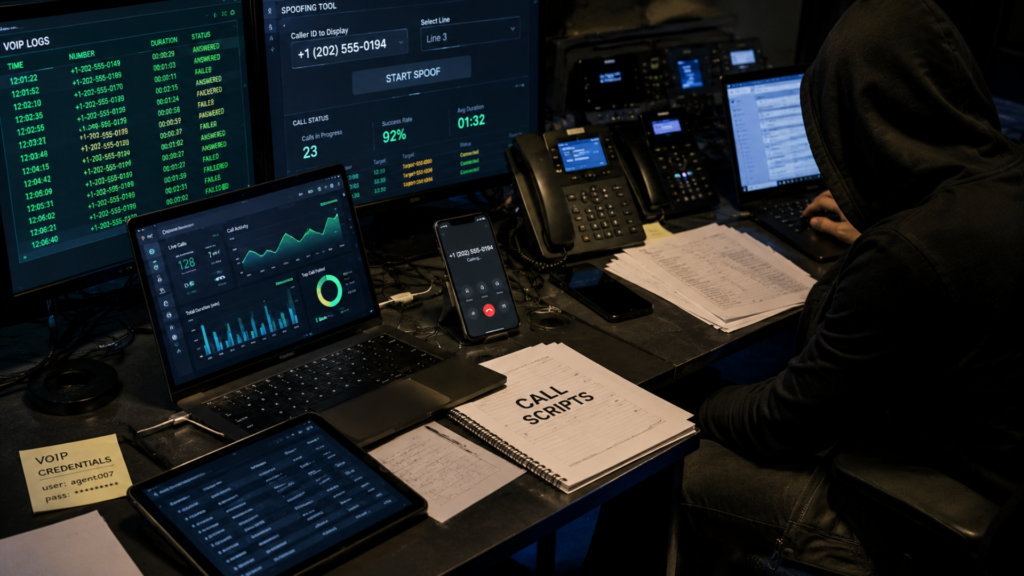
The operational success of this criminal scheme relied entirely on heavy psychological pressure that intentionally amplified the victim’s existing real-world problems. While the scammer was demanding thousands of dollars, the victim was managing an uncommunicative car battery at an AutoZone, caring for her hungry son, and handling a stressful household relocation. This intense combination of external pressures created a cognitive overload, preventing her from spotting inconsistencies like the scammer’s poor geographic knowledge.
Federal Enforcement Rings Face Escalating Digital Fraud
This incident fits into a much larger national trend of rising electronic bank fraud. Federal enforcement records show that impersonation schemes are growing rapidly alongside traditional financial crimes, with criminal organizations utilizing increasingly complex scripts to manipulate victims. These sophisticated rings operate across state lines, frequently utilizing digital payment networks to instantly move stolen money through a sequence of accounts before consumer fraud departments can initiate standard recovery processes.
Everyday Americans Face Crippling Instant Financial Damage
For ordinary citizens, these escalating banking scams represent an immediate threat to monthly financial survival. A sudden loss of 5,000 dollars represents a massive economic blow that can instantly wipe out emergency savings, delay rent payments, or disrupt basic child care. Because digital transactions often move instantly, victims find themselves with almost no legal recourse to claw back their hard-earned money once the fraudulent transfer clears the network.
A Growing Digital Threat Outlasts Current Protection Tools
The ongoing evolution of caller identity spoofing suggests that the most challenging chapters of consumer security have not yet arrived. As automated voice tools become more advanced, the line between authentic corporate communication and criminal impersonation will blur even further, demanding new systemic defenses. Long after individual victims try to recover their savings, the broader financial system will face a prolonged conflict against increasingly deceptive networks that threaten basic consumer trust.