


Products are selected by our editors, we may earn commission from links on this page.

Hot weather does more than make people uncomfortable because rising temperatures force the cardiovascular system to work harder to help the body cool itself. Cardiologist Dr. Waseem Chaudhry explains that heat places added stress on the heart, while the American Heart Association says extreme heat can become especially dangerous for people with existing heart conditions. There is no single temperature that suddenly becomes dangerous for everyone, but the combination of heat, humidity, health conditions, medications and prolonged exposure can significantly increase cardiovascular strain.
The Heat Index Matters More Than the Thermometer Alone
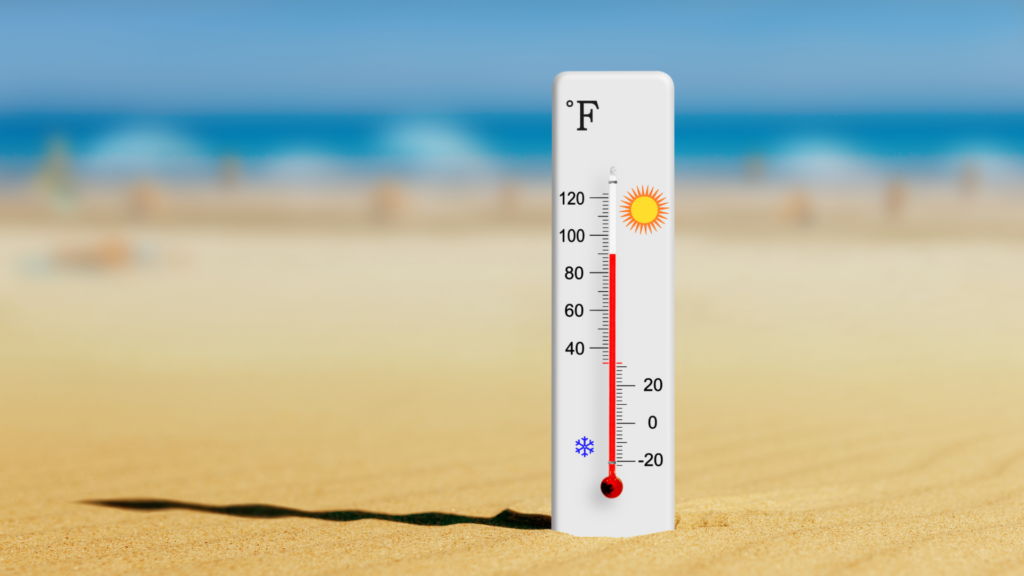
Doctors caution that the temperature shown on a thermometer does not tell the entire story because the body’s ability to cool itself is also affected by humidity. A heat index above 90 degrees Fahrenheit is an important warning point for heat-related illness, with the American Medical Association advising people to take precautions as the heat index climbs into this range. The higher the combination of temperature and humidity becomes, the more difficult it can be for the body to release heat and maintain normal cardiovascular function.
Humidity Can Make Moderate Heat More Dangerous

High humidity can make hot conditions harder on the heart because sweat does not evaporate as efficiently when the air is already holding a lot of moisture. The CDC says the combination of humidity and high temperatures can affect blood pressure and increase hospitalizations related to cardiovascular disease. That means a day that looks manageable on a thermometer can still create substantial heat stress when humidity is high.
Your Heart Works Harder to Cool Your Body

When the body becomes overheated, blood vessels expand and the heart pumps more blood toward the skin so heat can escape, increasing the heart’s workload. At the same time, sweating causes fluid loss and can lead to dehydration, which makes it harder for the cardiovascular system to maintain normal circulation. The American Heart Association says these combined changes can put significant stress on the heart during extreme heat.
People With Heart Disease Face Greater Risks

People with cardiovascular disease face greater risks because heat stress can worsen existing heart problems and contribute to serious complications. The CDC says heat can increase demand on the heart and cardiovascular system while promoting dehydration, blood clots and electrolyte imbalances, all of which can contribute to cardiovascular disease. Older adults and people with conditions such as heart failure, coronary artery disease or high blood pressure should therefore take extra precautions during hot weather.
Some Medications Can Make Heat Harder to Handle

Certain medications can change how the body responds to heat by affecting sweating, blood pressure, fluid levels or electrolyte balance. The CDC notes that some medicines can increase the risk of dehydration or overheating, while medications such as diuretics and some cardiovascular drugs may require special consideration during periods of extreme heat. People should never stop or change prescribed medication on their own and should instead ask their doctor or pharmacist how their medications may affect heat tolerance.
Dehydration Adds Another Layer of Heart Stress

Heavy sweating can cause the body to lose water and electrolytes, making it harder for the heart and circulation to keep up with the body’s cooling demands. The CDC says heat stress can promote dehydration, blood clots and electrolyte imbalances, while the American Heart Association notes that staying hydrated helps the heart pump blood more easily. People should drink water regularly during hot conditions, take cooling breaks and follow individualized fluid guidance if a doctor has previously placed limits on their fluid intake.
Prolonged Heat Exposure Can Become Dangerous

The danger is not limited to one particularly hot moment because spending hours in heat can continually place demands on the cardiovascular system. Exercise, outdoor work and other strenuous activities increase the body’s heat production and can accelerate fluid loss, making prolonged exposure especially challenging. The American Heart Association recommends avoiding the hottest part of the day when possible, taking regular breaks in cool or shaded locations and moving strenuous activities to cooler times.
Know the Warning Signs of Heat Illness

Heat exhaustion can cause heavy sweating, weakness, dizziness, headache, nausea and fainting, while heat stroke can cause confusion, loss of consciousness, seizures and dangerously high body temperature. The CDC considers heat stroke a medical emergency because body temperature can rise extremely quickly and the condition can cause permanent disability or death without prompt treatment. Anyone showing signs of heat stroke should receive emergency medical attention immediately rather than trying to simply wait for the symptoms to pass.
There Is No Single Temperature That Is Safe for Everyone

The biggest takeaway from cardiologists is that there is no universal temperature at which heat suddenly becomes harmful to every person’s heart. Individual risk depends on factors such as age, cardiovascular health, humidity, medications, physical activity, hydration and how long someone remains exposed to the heat. Paying attention to heat conditions, staying hydrated, taking cooling breaks and seeking medical help when serious symptoms appear can help protect the heart as temperatures rise.