

Products are selected by our editors, we may earn commission from links on this page.
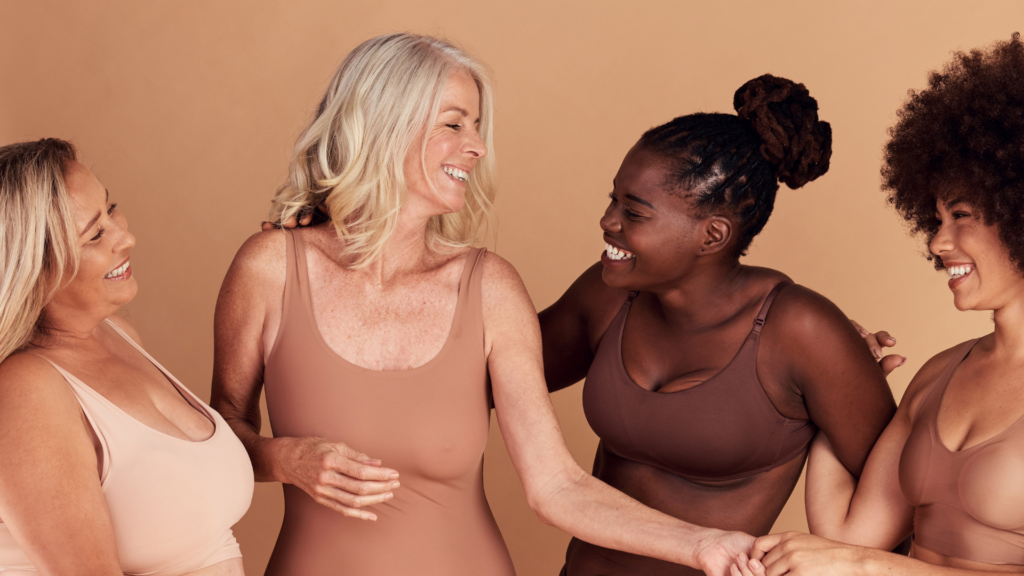
Growing up comes with plenty of body changes, but many women say they entered adulthood without anyone explaining what was actually normal. In a widely shared discussion highlighted by BuzzFeed and MSN, women described everything from uneven breasts and stretch marks to vaginal discharge, body hair, periods, and perimenopause as things they once worried meant something was wrong with them. Their experiences also highlight an important distinction: some unfamiliar body changes are completely ordinary, while severe pain, unusually heavy bleeding, or other persistent symptoms deserve medical attention.
Breasts Aren’t Supposed to Be Perfectly Symmetrical
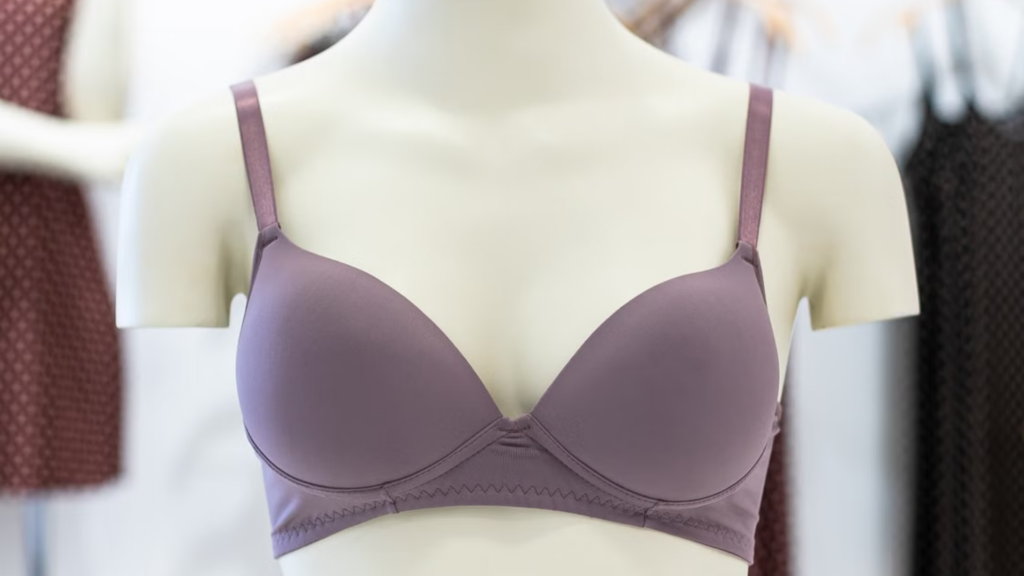
One surprisingly common source of anxiety is breast asymmetry, with women in the discussion recalling that nobody told them one breast could naturally be larger or shaped somewhat differently from the other. Human bodies are rarely perfectly symmetrical, and differences between breasts can become more noticeable during puberty and other hormonal changes. What matters is knowing your usual appearance so that a new or unexplained change can be discussed with a healthcare professional rather than assuming every difference is abnormal.
Stretch Marks and Cellulite Are Extremely Common
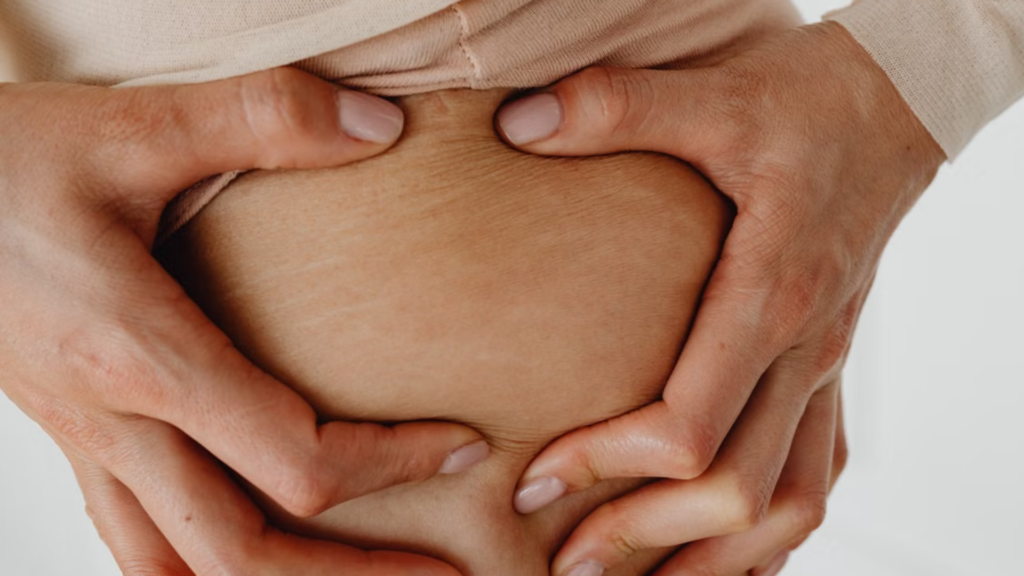
Stretch marks and cellulite can feel alarming when someone first notices them, especially after years of seeing heavily edited or carefully posed bodies in advertising and social media. Women responding to the discussion emphasized that both are widespread features of real bodies rather than flaws that need to be hidden. Stretch marks can develop as skin changes during periods of growth or body-size changes, while cellulite can appear regardless of whether someone is thin, athletic, or otherwise healthy.
Vaginal Discharge Can Be a Normal Part of Everyday Life
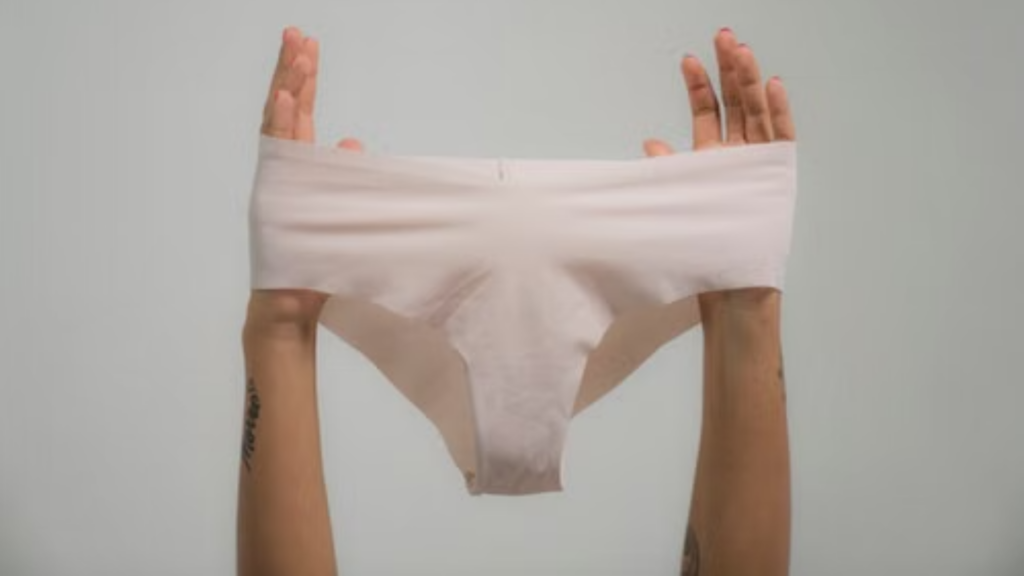
Several women said they spent years worrying about vaginal discharge because nobody had explained that some discharge is part of normal vaginal function. The original discussion even mentioned the lighter patches that can appear on dark underwear, another phenomenon that can surprise teenagers who have never been taught about it. Discharge can naturally change throughout the menstrual cycle, although a strong odor, unusual color, itching, pain, or a sudden change from someone’s normal pattern can be a reason to seek medical advice.
Body Hair Can Appear in Places Nobody Warned You About
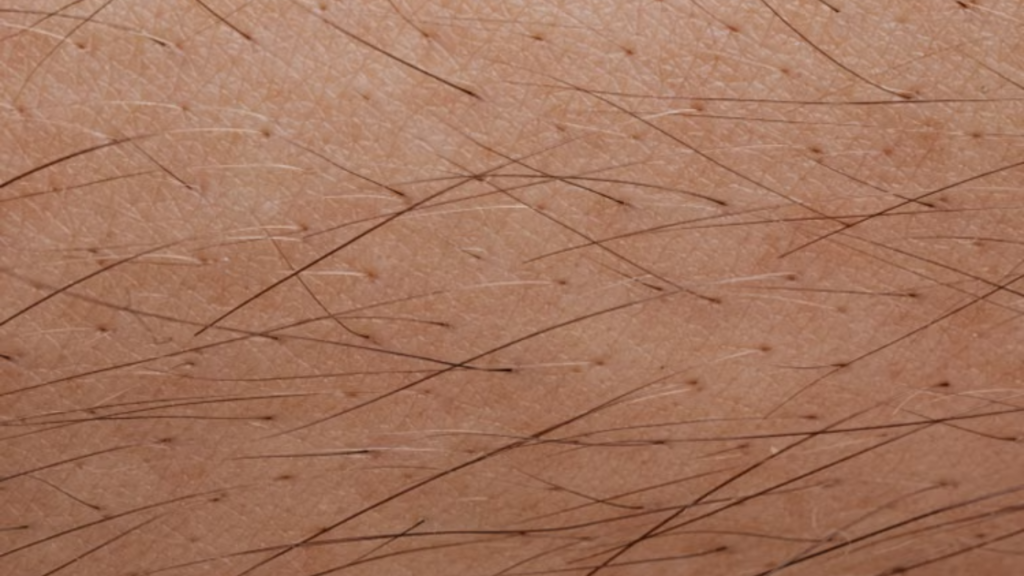
Dark hairs around the nipples, a trail of hair along the lower abdomen, and hair appearing in other unexpected places were among the completely ordinary features women wished someone had mentioned earlier. One participant recalled not knowing nipple hair was normal until she began noticing it in her twenties. Hair amount and distribution vary considerably between people, so having visible body hair does not automatically indicate a problem, although sudden substantial changes accompanied by other symptoms can warrant a conversation with a doctor.
Hip Dips and a Non-Flat Stomach Aren’t Body Defects
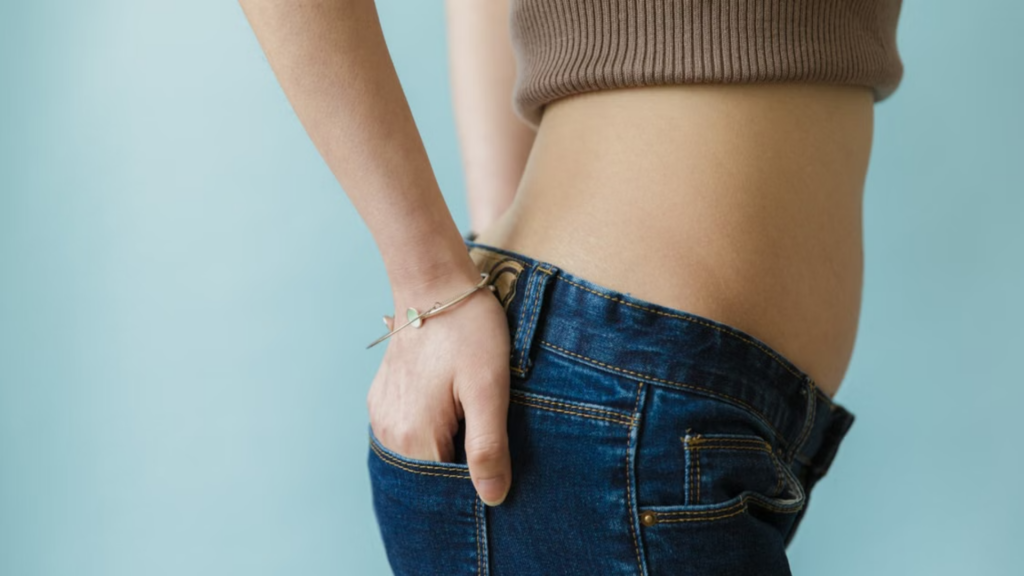
Some women recalled worrying about hip dips, thigh size, or the fact that their stomach was not completely flat because the bodies they saw represented in entertainment looked dramatically different. One commenter specifically wished she had understood that hip dips and a softer frame can simply be normal variations in anatomy, while another emphasized that a perfectly flat stomach should not be treated as the default female body shape. Comparing a developing teenage body with carefully selected images of models, influencers, or adult actors can create expectations that real bodies were never meant to meet.
Period Accidents Can Still Happen When You’re an Adult
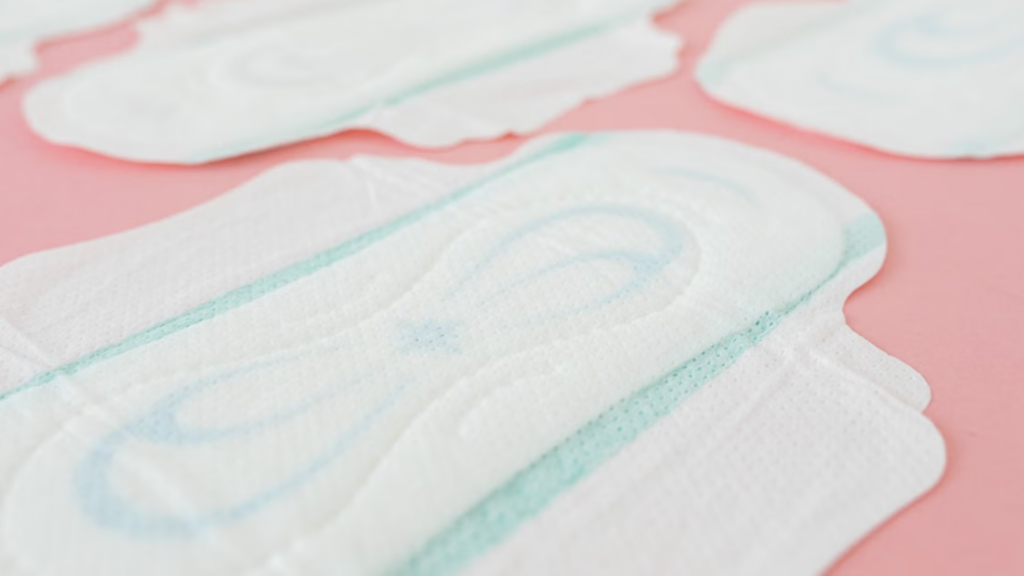
Getting older does not magically make every menstrual cycle predictable, and women in the discussion wanted teenagers to know that occasional leaks and period accidents can still happen in adulthood. They also challenged the embarrassment surrounding something as simple as opening a pad or tampon wrapper in a public bathroom, arguing that menstruation does not need to be treated as something dirty or secret. At the same time, extremely heavy bleeding is different from an occasional accident and should not simply be dismissed as an unavoidable part of having a period.
Severe Period Pain Shouldn’t Automatically Be Dismissed as Normal
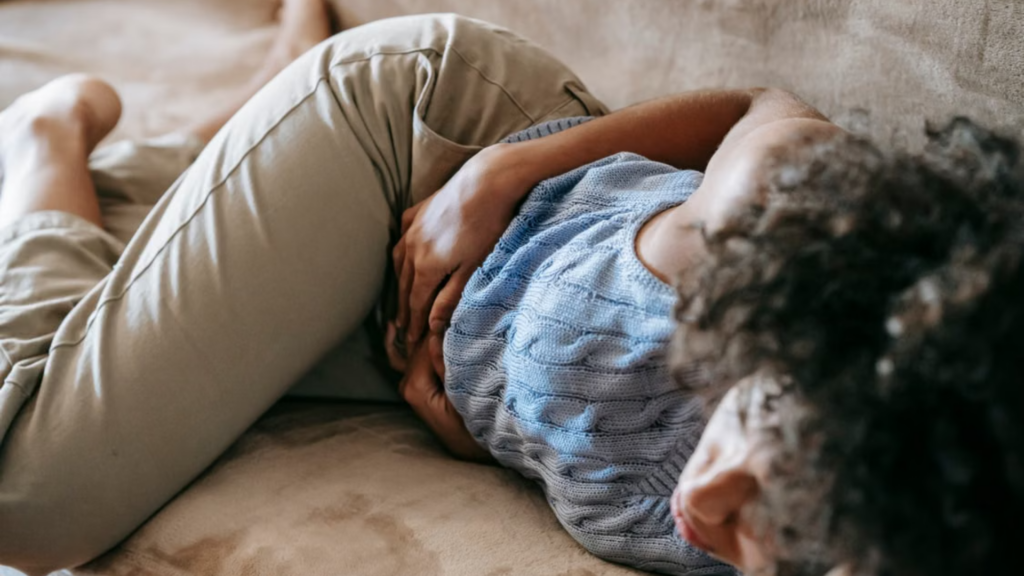
Perhaps one of the most important messages from the discussion was that having periods does not mean someone should expect pain so severe that they can barely function. Several women said they spent years believing debilitating cramps or exceptionally heavy bleeding were simply something they had to tolerate before eventually learning that conditions such as endometriosis could be involved. Period discomfort can be common, but pain or bleeding that repeatedly interferes with school, work, sleep, or everyday activities deserves medical evaluation rather than being automatically normalized.
Perimenopause Can Begin Long Before Periods Finally Stop
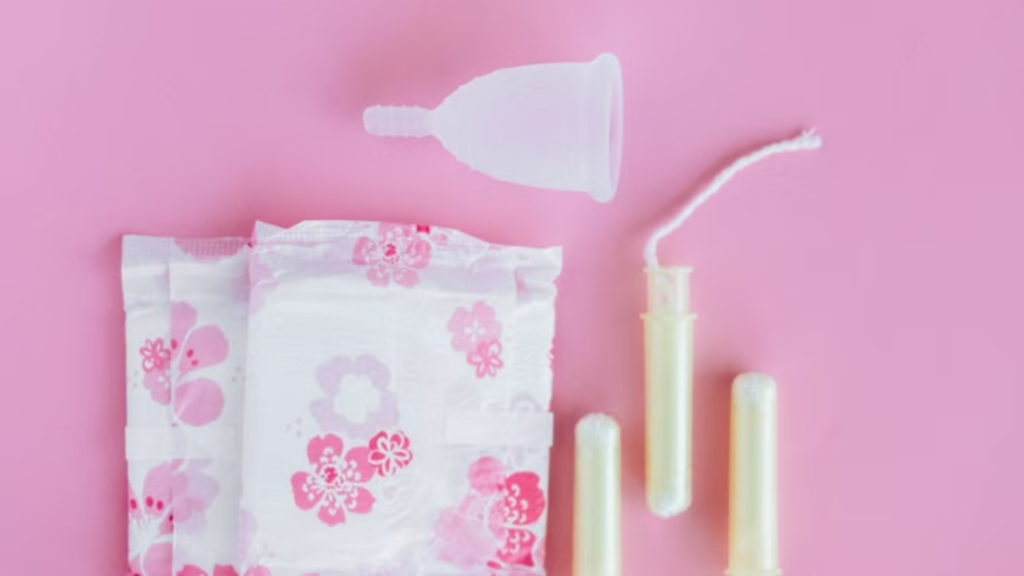
Women also said they were poorly prepared for what happens at the other end of the reproductive years. Some had assumed menopause meant periods simply stopped, only to discover that perimenopause can involve years of changing cycles and other symptoms before menopause is reached. The comments illustrate why conversations about women’s bodies should not end after puberty, since understanding normal age-related changes can help people recognize what may be expected and what should be brought to a healthcare professional.
Knowing What’s Normal Can Make It Easier to Notice What Isn’t

The biggest takeaway from these women’s stories is not that every symptom should be ignored because bodies naturally vary. It is that better information can prevent years of unnecessary embarrassment about harmless features such as cellulite, asymmetry, body hair, and discharge while also making warning signs such as debilitating pain or unusually heavy bleeding harder to dismiss. Open conversations about puberty, menstruation, sexual and reproductive health, and aging can give people something many of these women said they were missing as teenagers: a realistic understanding of their own bodies.