

Products are selected by our editors, we may earn commission from links on this page.
Many people with Obamacare plans are paying more this year. About 2.9 million fewer people were paying for a plan in early 2026 than a year before. The Trump administration says a fraud crackdown explains it. Outside experts say rising costs played a big part. Both sides agree people left. They do not agree on why, and the answer could shape what you pay and which plans you can get next year.
The numbers are clear. In February 2025, about 22.1 million people were enrolled and paying for an ACA plan. In February 2026, it was about 19.2 million. That is a drop of about 2.9 million, or 13%, according to federal data analyzed by KFF, a health research group. It is the first big drop after years of record sign-ups. For many families, this was not just a number. It meant losing coverage.
The reason for the drop is the real fight. The Trump administration points to fraud. It says it removed people who were signed up improperly. Policy experts point to prices. They say financial help shrank and bills grew. Each side has data to show. Both explanations can sound reasonable at first. That is why this debate is shaping the fall elections. To weigh them, start with the administration’s case.
The Administration Says a Fraud Crackdown Removed 2.9 Million Improper Enrollments
The administration says fraud is the main story. A June report from the Department of Health and Human Services said 5.6 million people were improperly enrolled in 2025. It says 2.9 million were removed, which matches the size of the drop. The Centers for Medicare & Medicaid Services also flagged 189,000 improper or duplicate enrollments. It says stopping them could save $738 million in 2026 and more than $1.5 billion a year.
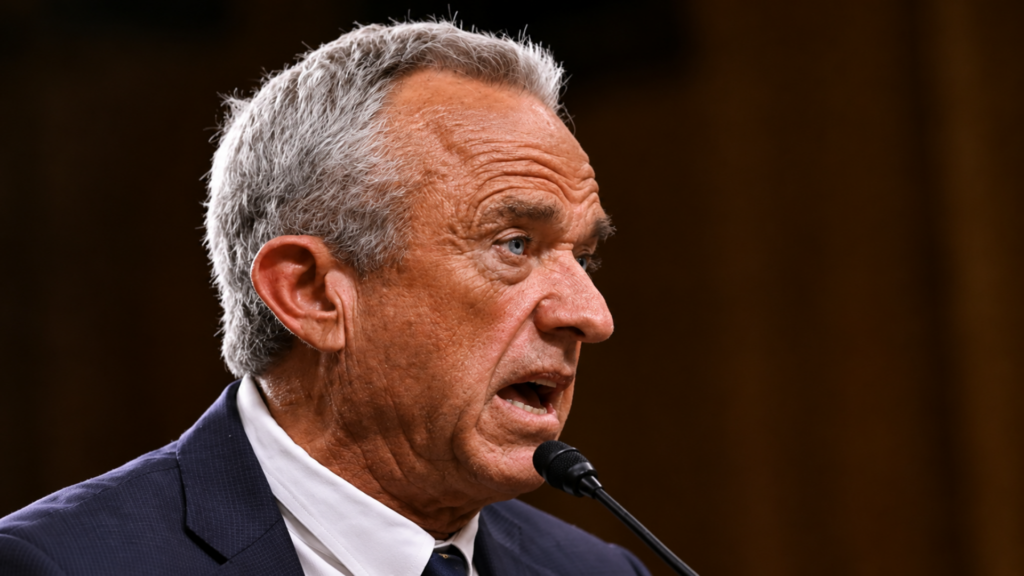
Health Secretary Robert F. Kennedy Jr. backed that view. He told Congress enrollment fell because people signed up by fraud are being removed. In a clip that spread online, he said losing coverage was not a big deal because “they don’t even know they were enrolled.” His defenders say some people were signed up without consent, sometimes by agents chasing commissions. The administration also tightened sign-up rules. Critics say the comment treats coverage losses as clean-up, not harm.
But some experts question the report. CBS News and KFF Health News noted it was written mostly by President Trump’s political appointees and allies. It also says millions more may still be improperly enrolled. Outside experts say the data cannot show how much of the drop came from fraud checks and how much came from people choosing to leave. To weigh that, look at what happened to prices.
Premium Payments Jumped 58% After Extra Financial Help Expired, and Most Who Changed Plans Cited Cost

Costs went up sharply this year. Congress let extra financial help for ACA plans expire at the end of 2025. After that, KFF found the average monthly premium payment rose 58%, from $113 to $178. Deductibles, the amount you pay before insurance starts to help, rose 37% to nearly $3,800 a year. For a household watching a budget, that can be the difference between keeping a plan and giving it up.
A KFF survey followed ACA customers as the help ended. Cynthia Cox, who leads KFF’s ACA program, said most people who changed plans did so because of cost. Many moved to cheaper plans with higher deductibles. Annalyse Keller, a spokesperson for Keep Americans Covered, a group of insurers and patient advocates, said, “These are real people who are now forced to make impossible choices.”
One state shows why cost matters. New Mexico was the only state where enrollment grew in 2026, up 14%. It used state money to replace the lost federal help. State marketplace officials also say the people falling through the cracks appear to be middle-income workers and legal immigrants facing much higher premiums. That group complicates a fraud-only story. That leads to what you can do now.
Both Things May Be True, So Check Your Own Plan Before Open Enrollment Ends
Fraud and cost may both be part of the story. Some people may have been signed up improperly. Many others likely left because bills grew. In the midterm elections, Democrats say Trump administration policies are raising costs. Republicans say they are saving money by going after fraud. More data should come in the coming months. For now, both sides agree millions of people are no longer on the rolls. They disagree on whether that is a success or a crisis.
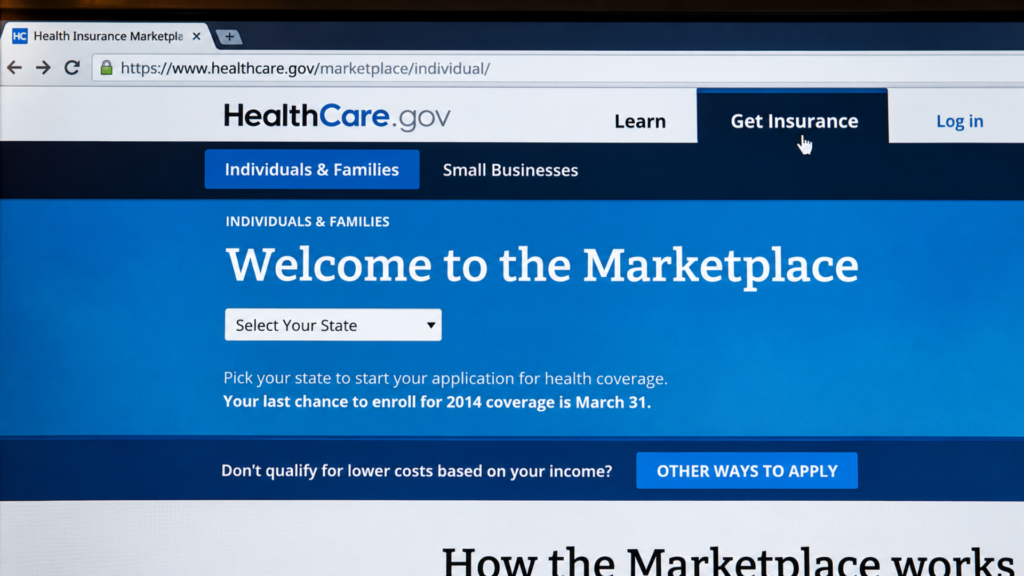
Open enrollment for 2027 starts Nov. 1. On HealthCare.gov, enroll by Dec. 15 for coverage that starts Jan. 1. The window runs through Jan. 15 for coverage that starts later, but court fights over the dates make early action safer. State marketplaces may use different dates. Log in to your account, check that your plan and information are right, and compare prices. A lower premium can come with a higher deductible.
The debate in Washington is loud, but your decision is quiet and personal. Does your plan fit your budget and your doctors? Can you pay the deductible if you get sick? Whether the drop was about fraud or costs, you still have to choose a plan. So check early and ask for help. A plan only helps when you can afford to use it.
This article is general information, not health or legal advice. Check HealthCare.gov or your state marketplace for exact dates and prices.