


Products are selected by our editors, we may earn commission from links on this page.

Pennsylvania is facing its largest measles outbreak in decades, prompting the Centers for Disease Control and Prevention (CDC) to provide additional support as health officials work to slow the spread of the highly contagious virus. The state formally requested federal assistance through the CDC’s Epi-Aid emergency response program after reporting more than 1,100 cases and multiple measles-associated deaths. The response comes as infections spread across dozens of Pennsylvania counties and measles cases climb nationwide, raising concerns about vaccination rates and the ability of local health departments to contain outbreaks. Federal and state teams are expected to work together on investigating cases, tracing possible exposures, and strengthening efforts to protect vulnerable communities.
The CDC Is Sending Additional Help to Pennsylvania
The CDC announced that it would deploy additional resources to Pennsylvania to help investigate the outbreak and support efforts to prevent further transmission. The assistance is being coordinated through Epi-Aid, the agency’s emergency response program that sends epidemiological expertise to help state and local authorities respond to urgent public health threats. Teams can assist with identifying patterns of infection, examining how the virus is spreading, and improving the response to new cases. The goal is to strengthen local efforts while helping officials make decisions based on the latest outbreak information.
Pennsylvania Has Reported More Than 1,200 Measles Cases
As of October 16, Pennsylvania health officials reported 1,260 measles cases across 43 counties in 2026, making the outbreak the largest in the state in more than three decades. The state had also reported 238 hospitalizations and five confirmed measles-associated deaths at that point. These figures show how far the outbreak has spread and how significantly it has affected healthcare services and communities. Because case numbers can change as new infections are identified and investigated, residents should check current updates from the Pennsylvania Department of Health for the latest figures.
The Outbreak Has Sparked a Dispute Over Reported Deaths

The response has unfolded amid disagreement between Pennsylvania officials and federal health authorities over how measles-associated deaths are counted and reported. Pennsylvania has identified five deaths associated with the outbreak, while the CDC’s national reporting has listed a different total for measles-associated deaths in 2026. The difference has drawn attention to the criteria used to classify deaths, including laboratory evidence, symptoms, timing, and whether another cause better explains the outcome. Accurate and transparent reporting matters because it helps the public understand the severity of an outbreak and supports sound decisions by health professionals.
Lancaster County Has Been a Major Center of Transmission

Lancaster County has been a major center of the outbreak, with infections affecting communities where vaccination coverage has historically been lower. The county’s public health response faces particular challenges because it does not have its own county health department, making coordination among state officials, healthcare providers, community groups, and local leaders especially important. Some affected communities include Amish residents, but vaccination choices vary among individuals and families, and no community should be treated as uniform. Public health workers are focusing on outreach, clear information, and access to vaccines and medical guidance to help limit further spread.
Measles Spreads Easily and Can Cause Serious Complications
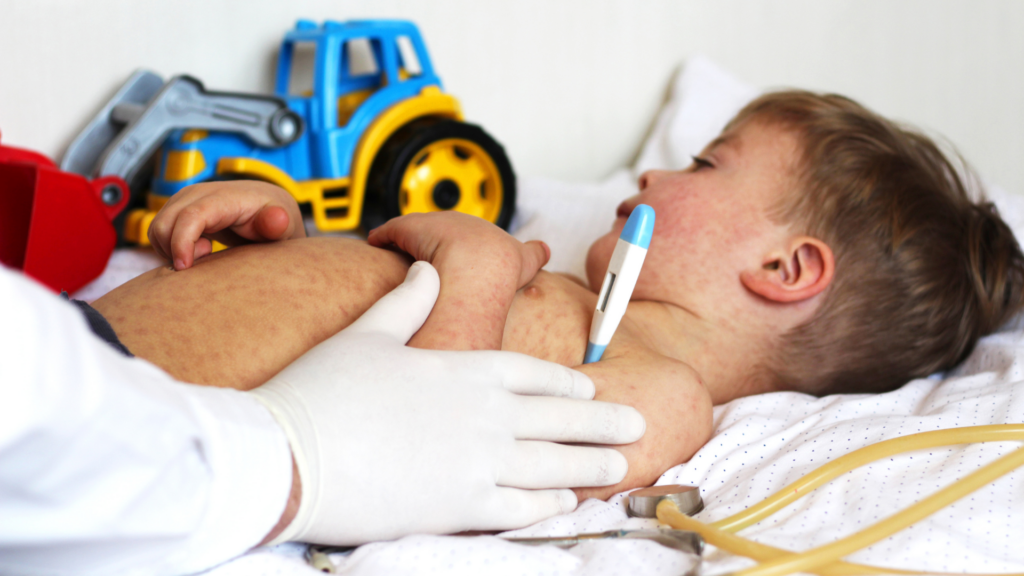
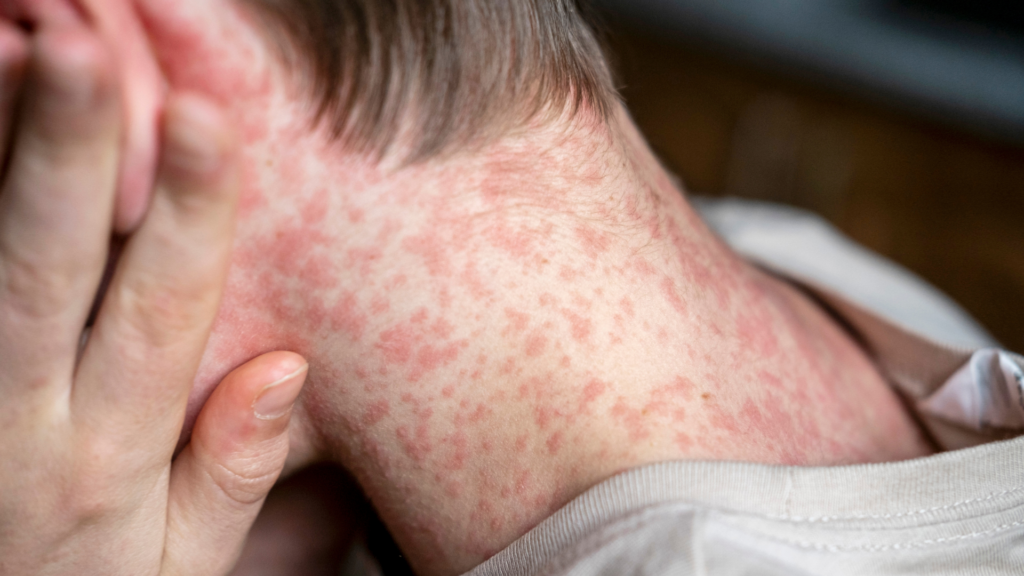
Measles is a highly contagious viral disease that can spread through the air when an infected person breathes, coughs, or sneezes, and the virus can remain in the air for up to two hours after that person leaves an area. Common symptoms include fever, cough, a runny nose, red or watery eyes, and a rash that typically begins on the face before spreading across the body. Some patients develop serious complications, including pneumonia, brain inflammation, hospitalization, or death, with infants and people who are not immune facing particular risks. Anyone who suspects measles should call a healthcare provider before visiting a clinic or emergency department so staff can take precautions to protect other patients.
Vaccination Remains the Strongest Protection Against Measles
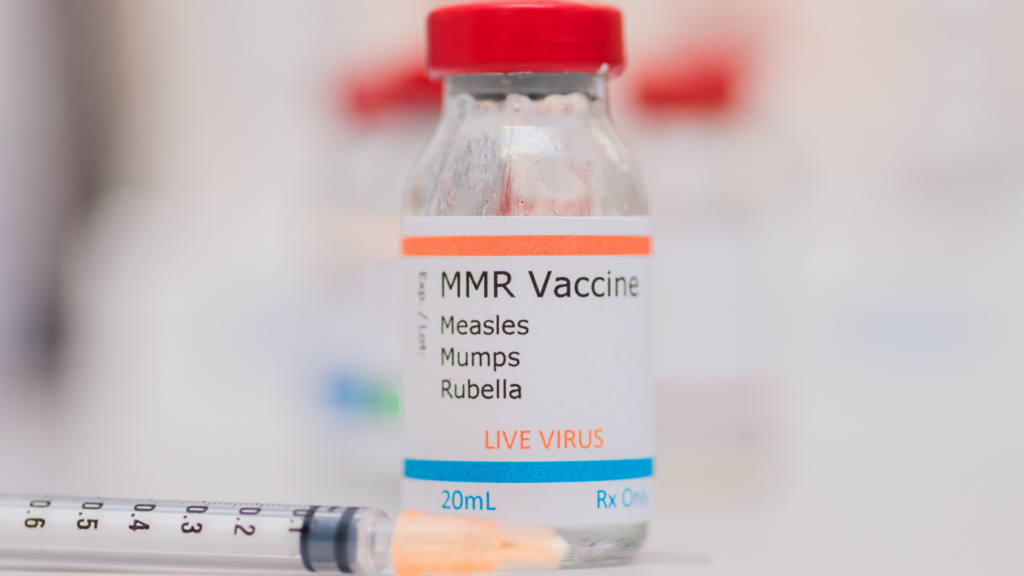
The measles, mumps, and rubella vaccine, commonly called the MMR vaccine, is the most effective way to prevent measles and reduce the risk of outbreaks. Two doses are about 97% effective against measles, while one dose is about 93% effective. Pennsylvania health officials have expanded vaccination outreach, including pop-up clinics and other efforts to make immunization easier to access in affected areas. People who are unsure of their vaccination history should contact a healthcare professional or review their immunization records to determine whether they need a vaccine dose.
Health Officials Are Expanding Outreach and Case Investigations
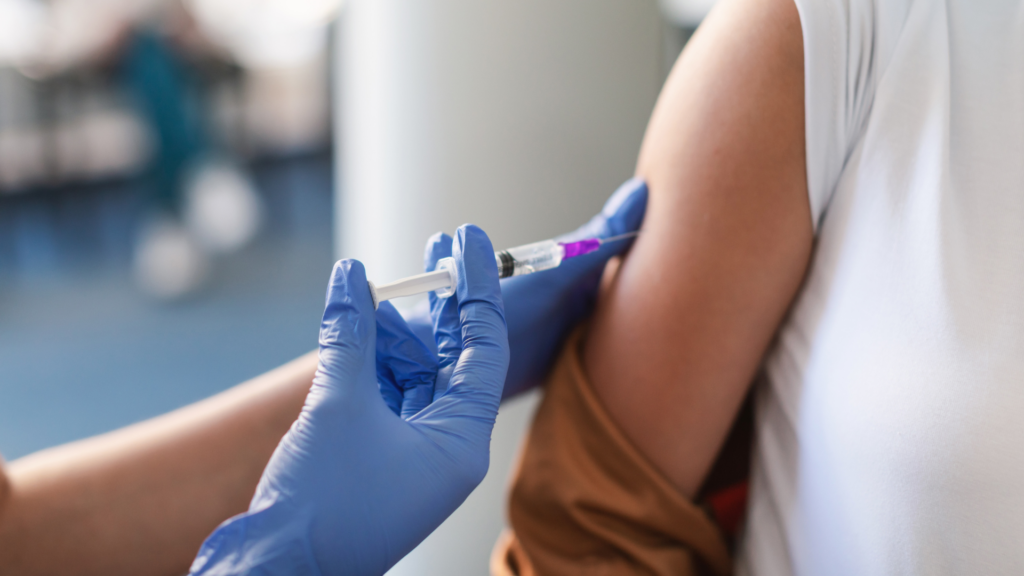
Containing the outbreak requires more than counting confirmed infections, so public health teams are working to identify cases, determine where exposure may have occurred, and notify people who may have been in contact with an infected person. State health workers have also used temporary vaccination clinics and community outreach to improve access to MMR vaccines in affected areas. These efforts can help officials find gaps in protection and respond more quickly when new infections appear. Cooperation from residents, healthcare providers, schools, and community organizations is important for identifying possible exposures and reducing the chance of additional transmission.
Pennsylvania’s Outbreak Is Part of a Wider National Resurgence
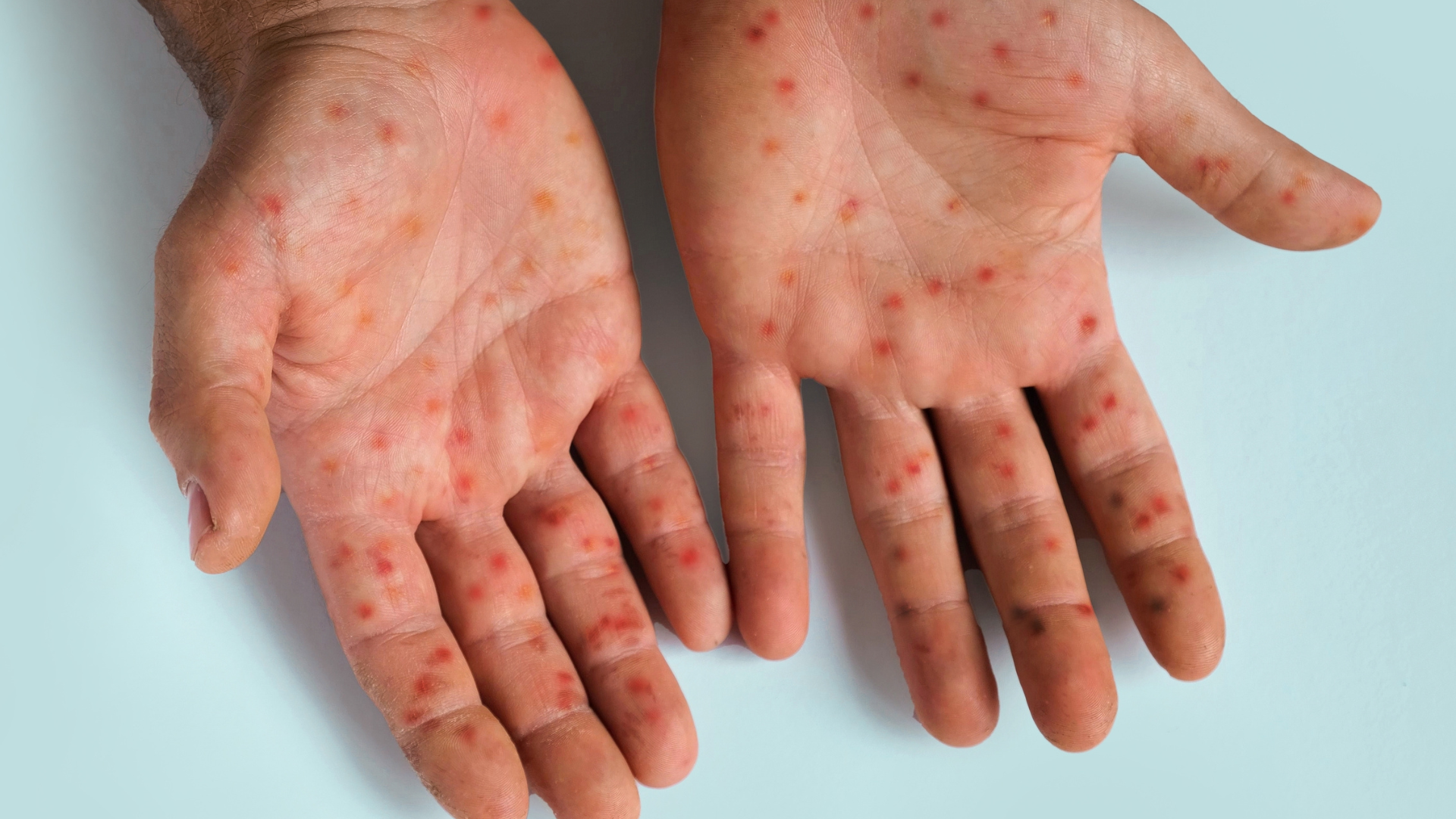
Pennsylvania’s outbreak is part of a broader resurgence of measles across the United States, with the CDC reporting 4,410 confirmed cases nationwide as of October 15, 2026. Cases have been reported in numerous states, putting renewed pressure on public health agencies to strengthen vaccination efforts and respond to local outbreaks. Declining vaccination coverage and misinformation about vaccines have contributed to concerns that measles can spread more easily in communities where fewer people are protected. The situation also highlights the importance of reliable health information, accessible vaccination services, and coordination between state and federal authorities.
What Residents Can Do as the Response Continues
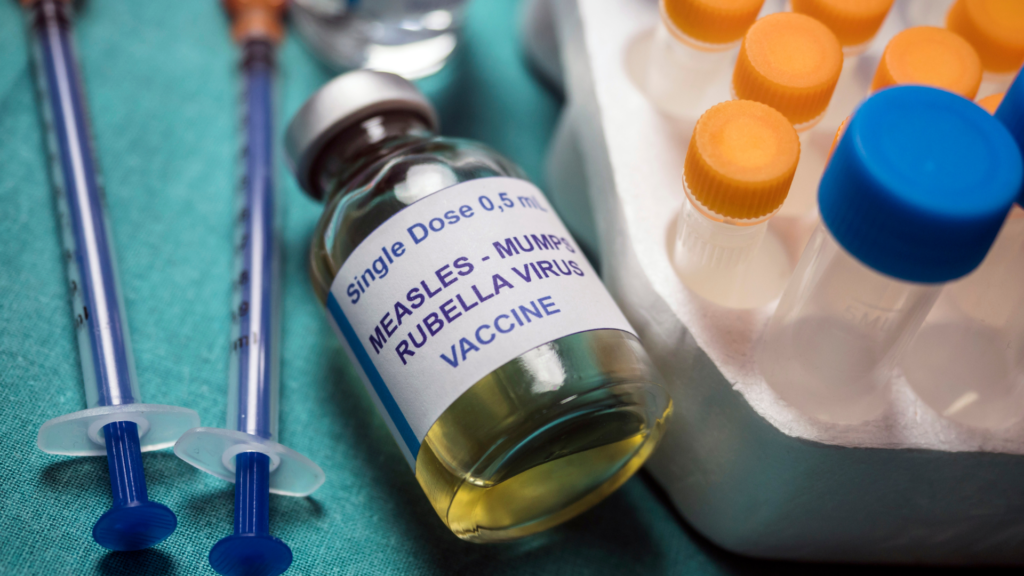
Residents can help reduce the spread of measles by checking their vaccination records, following guidance from public health officials, and contacting a healthcare provider if they believe they have been exposed. People who develop symptoms should call ahead before seeking in-person care rather than entering a waiting room without warning, since the virus can quickly expose others. Families with infants, people with weakened immune systems, and anyone who cannot receive the vaccine should seek advice from a qualified medical professional about reducing their risk. As the CDC joins Pennsylvania’s response, the effectiveness of containment efforts will depend on timely investigations, community cooperation, and continued access to accurate information and vaccination services.