

Products are selected by our editors, we may earn commission from links on this page.
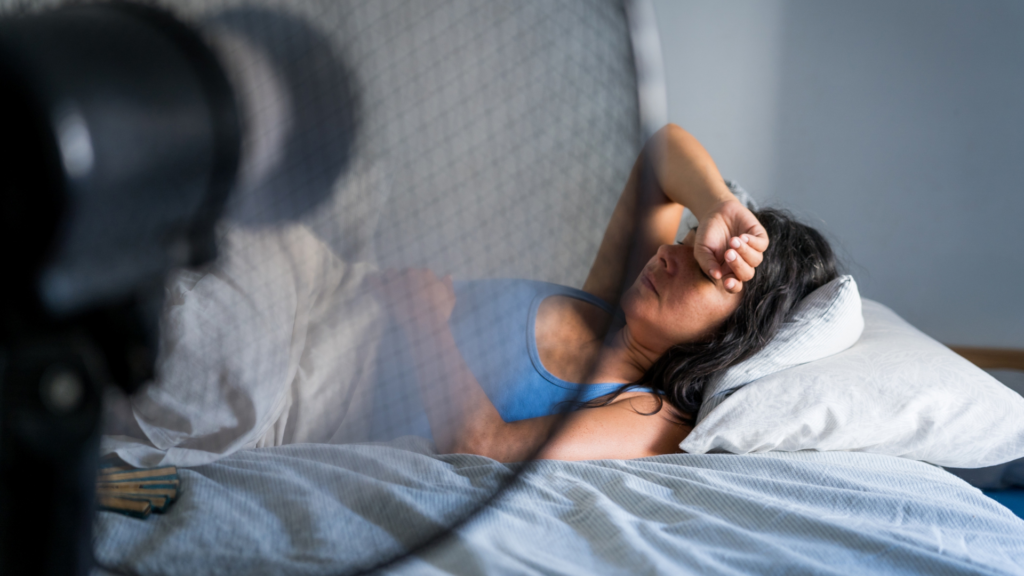
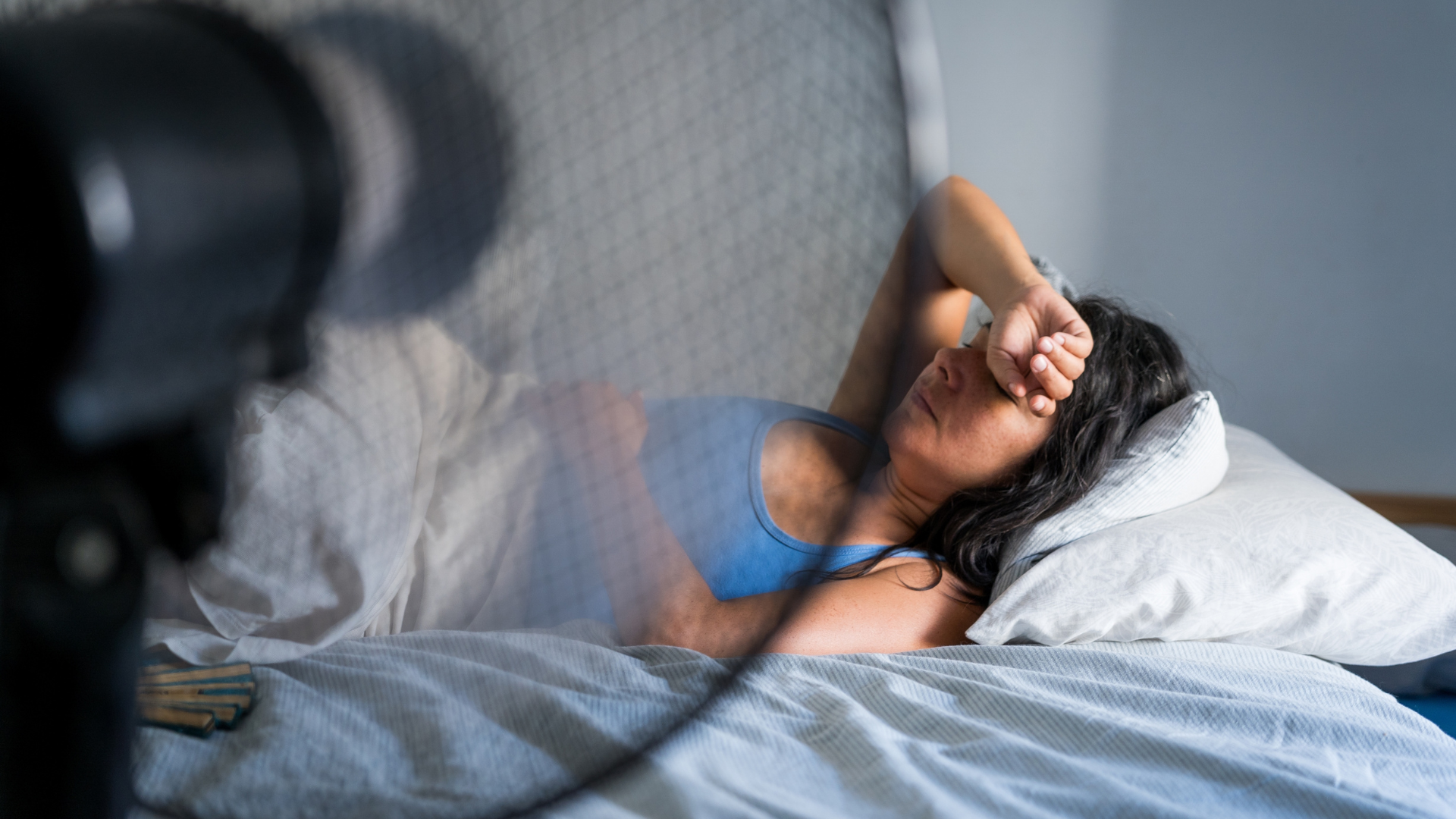
Sleeping with a fan on is a nightly routine for millions of people, especially during warmer months. While the cool breeze can make it easier to fall asleep, doctors say the constant airflow can affect your body in several ways. For most healthy adults, sleeping with a fan is generally safe, but people with allergies, asthma, dry eyes, or sensitive airways may notice a few unwanted side effects.
Fans Can Help You Fall Asleep Faster
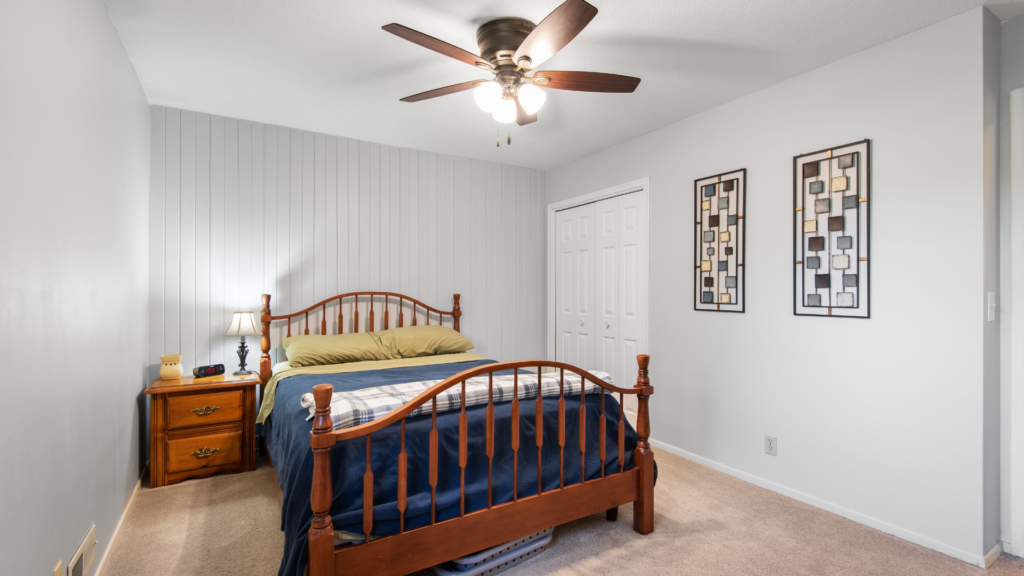
One of the biggest benefits of sleeping with a fan is improved temperature regulation. Cooler temperatures help the body naturally prepare for sleep, while the steady hum of the fan can act as white noise that masks disruptive sounds such as traffic or noisy neighbors. Together, these effects may help some people fall asleep more quickly and sleep more soundly.
Dry Eyes, Nose, and Throat Are Common Complaints
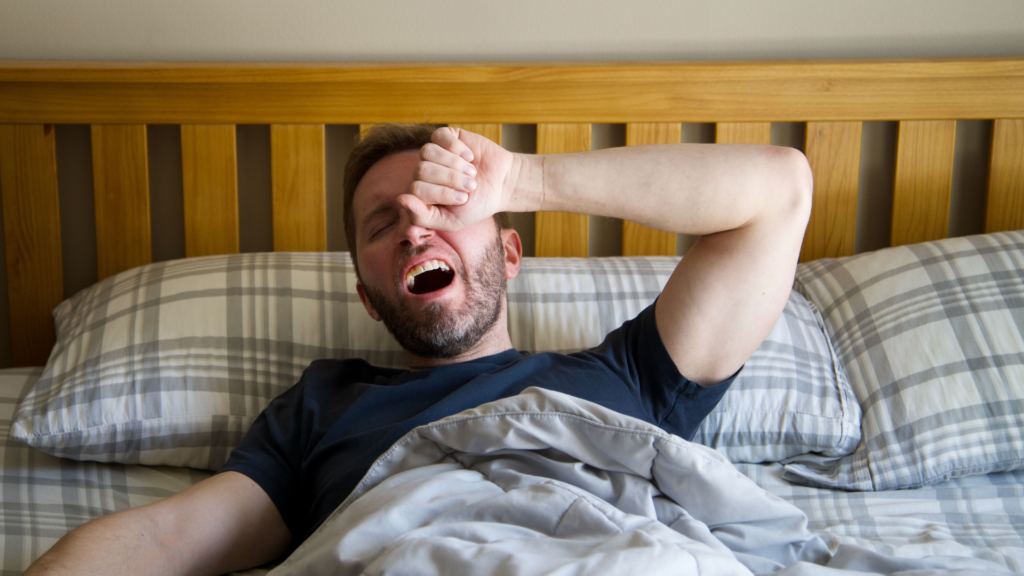
Constant airflow can speed up the evaporation of moisture from your eyes, nose, mouth, and throat. As a result, some people wake up with dry eyes, a scratchy throat, or nasal irritation. This is especially common if the fan is pointed directly at your face or if the bedroom air is already dry.
Allergies May Feel Worse Overnight
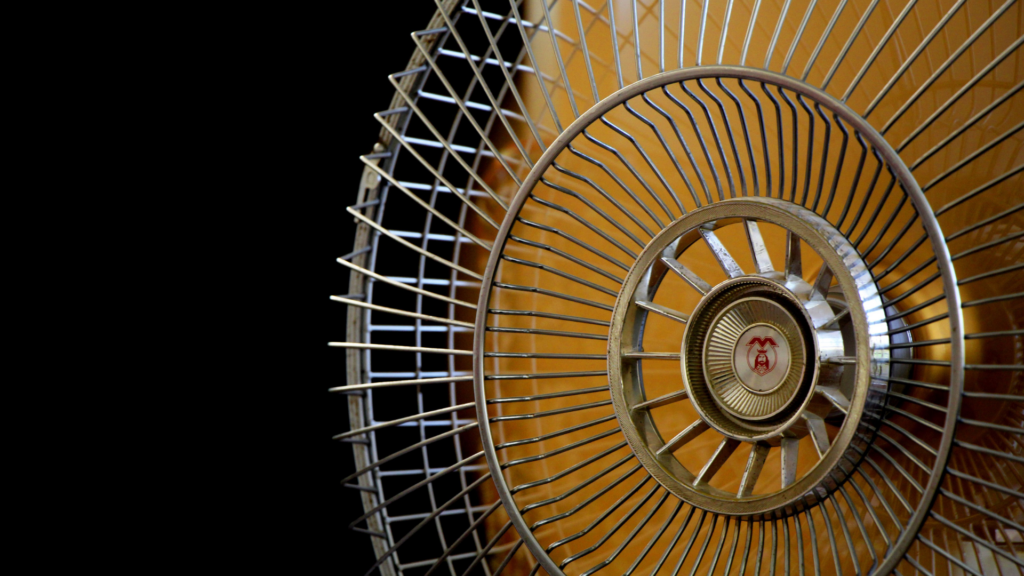
Fans don’t create allergens, but they can circulate dust, pollen, pet dander, and other particles already present in your bedroom. If the fan blades are dusty or the room isn’t cleaned regularly, people with allergies or asthma may wake up with congestion, sneezing, itchy eyes, or other symptoms. Keeping the fan clean can help reduce this problem.
Some People Wake Up With Muscle Stiffness
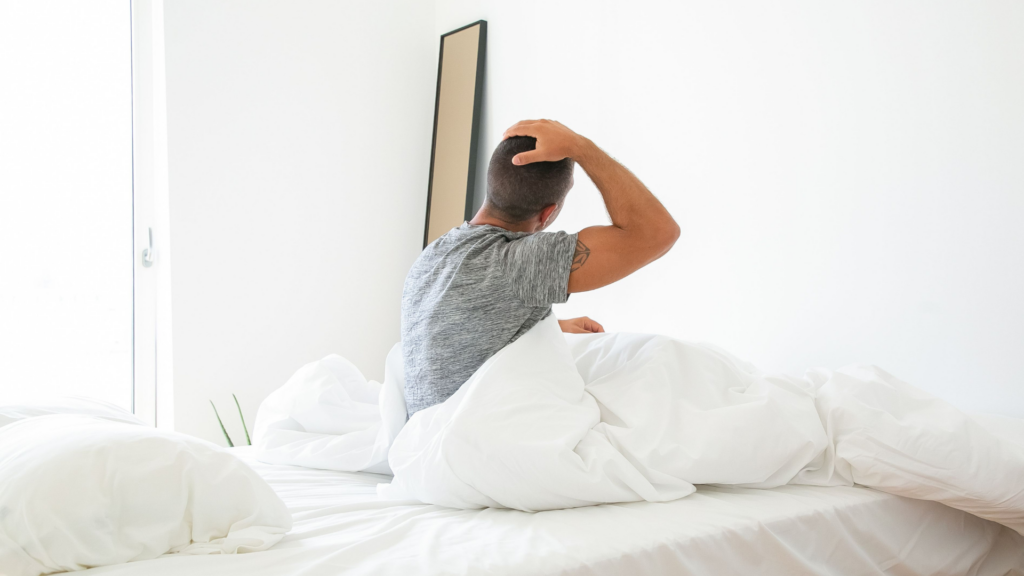
Sleeping for hours with cool air blowing directly onto one part of the body may contribute to muscle tightness or stiffness in some people. Doctors say this is more likely when the airflow is concentrated on the neck, shoulders, or back throughout the night. Adjusting the fan’s direction or using an oscillating setting may help reduce discomfort.
A Fan Won’t Give You a Cold
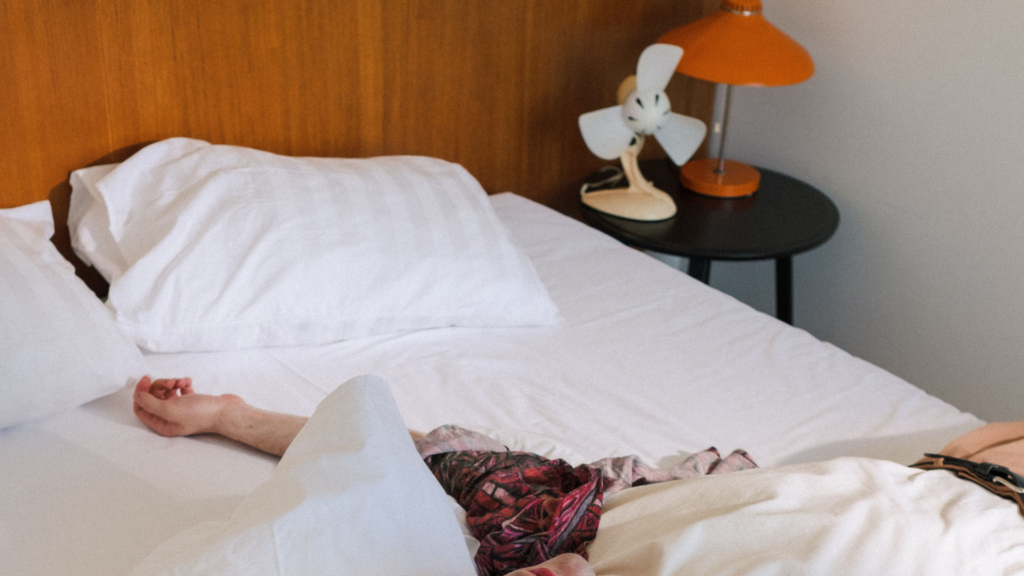
A common myth is that sleeping with a fan causes colds or other infections. Doctors say that’s not true. Viruses, not moving air, cause illnesses like the common cold. However, the dryness and irritation caused by a fan can sometimes mimic cold symptoms, making people think the fan made them sick.
Fan Placement Makes a Big Difference

Experts recommend avoiding direct airflow on your face all night. Instead, angle the fan toward a wall or let it oscillate so the air circulates around the room. This provides cooling while reducing dryness and irritation. If your bedroom is especially dry, using a humidifier alongside the fan may improve comfort.
Some People Benefit More Than Others

For many healthy adults, the benefits of improved comfort and better sleep outweigh the drawbacks. However, people with chronic dry eyes, severe allergies, asthma, eczema, or sinus problems may need to make adjustments or limit fan use if symptoms worsen. Everyone responds differently depending on their health and bedroom environment.
Simple Tips for Sleeping Comfortably With a Fan
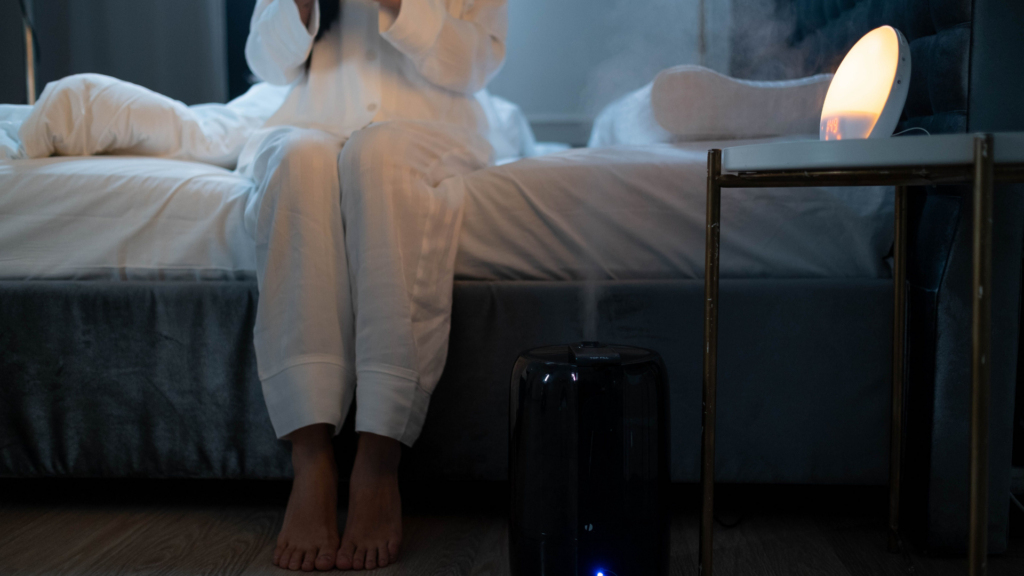
Doctors recommend cleaning fan blades regularly, pointing airflow away from your face, maintaining moderate indoor humidity, and using a timer if needed. These small changes allow many people to enjoy the cooling and white-noise benefits of a fan while minimizing potential side effects like dryness or congestion.
Enjoy a Cooler, More Comfortable Sleep

Sleeping with a fan on is generally safe and can even improve sleep quality for many people. While some individuals may experience dry eyes, congestion, allergies, or muscle stiffness, these issues are usually related to airflow direction, room humidity, and cleanliness, not the fan itself. With proper placement and regular cleaning, most people can enjoy a cooler, more comfortable night’s sleep with minimal downsides.